Share
The Business
Rivals or partners? What the US relationship means for UK business
•
This episode is sponsored by PwC.
Is the so-called 'special relationship’ between the United Kingdom and United States alive and well? Amid political tensions, have these ties frayed - and what does this mean for the business community?
In an episode recorded at the UK Government’s Greater Together LA programme, we take a practical look at what growth and opportunities are available to UK businesses looking to leverage in the US.
Presenter:
- Hannah Prevett, Associate business editor, The Sunday Times
Guests:
- Marco Amitrano, Senior Partner PwC UK and Middle East
- Michael Frohlich, Chief Marketing and Corporate Affairs Officer, WPP
Producer: Hope Federico
Executive Producer: Miriam Hall
Get in touch: thebusiness@thetimes.com
More episodes
View all episodes

Castore co-founder Tom Beahon: building a £1bn British sportswear giant
34:17|How did Castore disrupt global kit deals to build a British sportswear brand valued at almost £1bn? Hannah Prevett speaks to co-founder Tom Beahon about taking on Nike and Adidas.In this episode of The Business, we look at how Castore transformed from an ambitious startup into a major player in sportswear, securing high-profile kit sponsorships across Premier League Football clubs and international athletics. Alongside his brother Phil, Tom founded the brand from his parents' kitchen table in 2015 - channelling his early setbacks as a football player into focus and resilience. On the show, he explains what it was like to recover from the Aston Villa kit debacle, lifts the lid on Sir Jim Ratcliffe’s investment and walks through landing Sir Andy Murray as an investor.We examine the corporate strategy, supply chain management and entrepreneurship required to challenge legacy sportswear giants. "It didn't make sense to us why there wasn't a British competitor to Nike, Adidas, Puma," Beahon says. "Why can't there be a premium British alternative to these guys? And if not us, then who?"From navigating shifting consumer demand to expanding into global markets, we analyse what the growth has meant for the company so far, and what might be next.Guest:Tom Beahon, co-founder of CastorePresenter:Hannah Prevett, associate business editor at The Sunday TimesProducer: Hope Federico Video Producer: Bronwen LathamExecutive Producers: Emily Leahy and Miriam Hall Photo Credit: GettyGet in touch: thebusiness@thetimes.com
Are high energy bills threatening Net Zero? | Power Struggle: part 3
31:20|Are soaring energy bills threatening the UK’s net zero targets? Dominic O’Connell examines whether Prime Minister Andy Burnham should adjust climate policy to ease the cost of living.Is the public consensus on the UK’s climate commitments being shattered by high energy bills? In this episode of Power Struggle, our energy mini-series on The Business, we discuss whether the cost of transitioning away from fossil fuels is pushing up household energy bills and slowing economic growth across British business, or if renewables are the solution for bringing prices down. Energy secretary Miatta Fahnbulleh has signaled the government will not stick strictly to its green pledges if it risks pushing energy bills higher. With ministers reportedly considering watering down rules on electric car sales, Dominic O’Connell is joined by RenewableUK CEO Tara Singh and Times columnist Juliet Samuel to debate what is really driving up energy bills - gas price volatility or grid upgrade costs - and whether it’s time to drop or double down on net zero.If you enjoyed this episode, make sure to press follow at the top of your podcast app.Guests:Tara Singh, CEO of RenewableUKJuliet Samuel, Columnist at The TimesPresenter: Dominic O’Connell, Times columnist and Times Radio business correspondentProducer: Hope Federico Video Producer: Bronwen LathamExecutive Producers: Emily Leahy and Miriam HallPhoto Credit: GettyGet in touch: thebusiness@thetimes.comSelect image using GettyUpdate the Getty permissions doc
North Sea oil - Should Andy Burnham U-turn? | Power Struggle: part 2
30:48|Is expanding North Sea oil production climate vandalism or the key to lowering energy bills? Dominic O’Connell explores whether Andy Burnham could u-turn on Labour's manifesto pledge to not issue new oil and gas licences to explore new fields in the region.Ask any climate campaigner their views on North Sea oil, and the answer is straightforward: stop drilling. While Labour came to power pledging to prioritise green energy, new Prime Minister Andy Burnham has indicated a more pragmatic stance towards tapping domestic reserves as energy security concerns grow.In Part 2 of Power Struggle, our energy mini-series on The Business, we explore whether expanding North Sea oil field licences is essential for driving economic growth and insulating the wider UK economy. We examine how government fiscal policy, regulatory shifts, and corporate taxation impact long-term commercial investment in the sector, and other affected industries.Dominic is joined by Greig Cameron, Scottish business editor at The Times, to discuss the fate of key offshore fields like Rosebank and Jackdaw. Plus, Amjad Bseisu, chief executive of independent operator EnQuest, explains why he thinks uncompetitive tax regimes are pushing energy investment abroad and what ending North Sea oil production means for Britain’s net zero transition.Guests:Amjad Bseisu, Chief executive, EnQuestGreig Cameron, Scottish business editor, The TimesPresenter:Dominic O’Connell, Times columnist and Times Radio business correspondentProducer: Hope FedericoExecutive Producers: Emily Leahy and Miriam HallPhoto Credit: GettyGet in touch: thebusiness@thetimes.com
Could the UK electricity grid fail? | Power Struggle: part 1
25:07|Earlier this summer, the UK's power network came close to being plunged into a blackout. In part one of our new series on energy, Dominic O’Connell looks at the alarming events of 23 June and what they mean for the future of Britain’s electricity supply.From surging constraint costs and unmetered solar generation, we reveal the host of challenges facing the country. Modernising the UK's electricity transmission system is now vital for business and long-term economic growth.We’re joined by Adam Bell, former head of energy strategy for the government and partner at StoneHaven, who explores how shifting to renewables creates unprecedented stability challenges. Energy developer and data analyst Ben Watts also shares his startling analysis of what went wrong on the UK electricity grid on 23 June, and why calls are growing for greater regulation of NESO, the National Energy System Operator. Can our politicians protect British business and consumers from soaring power bills while overhauling our energy system in the race to net zero?Host:Dominic O’Connell, Times’s columnist and Times Radio business correspondentGuests: Adam Bell, StonehavenBen Watts, energy developer and data analystProducer: Hope FedericoExecutive Producers: Miriam Hall and Emily LeahyPhoto Credit: GettyGet in touch: thebusiness@thetimes.comIf you enjoyed this episode, make sure to follow.
Does Andy Burnham’s government have the guts to deliver growth?
35:21|Andy Burnham is officially in No. 10, and his cabinet is in place. Replacing Rachel Reeves’ as Chancellor is John Healey - not, in fact, Shabana Mahmood or Ed Miliband, both names that were thrown around in the lead up. Can the so-called “King of the North” deliver the growth and stability the business community says has been so badly lacking? Amidst a flurry of policy announcements - bus fare caps and a 20 percent cut in business rates for hospitality - is real change a possibility?“The UK is very unique in the fact that we pay two forms of income tax … national income is a tax on employers and work” Mehreen Khan, economics editor at the Times, tells The Business. “Let's see how brave they want to be…I think this is a long overdue reform.”With Times business editor Richard Fletcher, Khan discusses the upcoming budget, how the relationship between the Chancellor and Prime Minister may play out - and just how much change the business community is expecting to see from this new leader. “ I do suspect we'll get a little bounce in consumer confidence, and hence growth, just from a new face in No. 10. How long that lasts - who knows?” Richard Fletcher said. “I think that it is going to take some quite serious reforms to do that and I'm not sure the backbenchers particularly have got the guts to do that.” Hosts:Hannah Prevett, associate business editor, The Sunday TimesDominic O’Connell, business correspondent, Times RadioGuests: Richard Fletcher, Business editor, The TimesMehreen Khan, Economics editor, The Times Producer: Hope FedericoExecutive Producers: Miriam Hall and Emily LeahyPhoto Credit: GettyGet in touch: thebusiness@thetimes.comIf you enjoyed this episode, make sure to press follow at the top of your podcast app.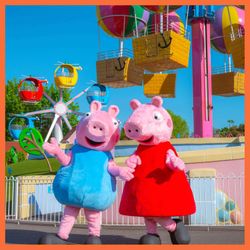
Peppa Pig World: What UK hospitality sector hopes for from Andy Burnham
28:14|In the words of former Prime Minister Boris Johnson, Peppa Pig World “is very much my kind of place.” But how does Paultons Park, one of the UK's most popular theme parks, navigate the shifting UK economy? Located in Hampshire, Paultons Park has been in the Mancey family since first opening its doors in 1983. The amusement park now welcomes a million visitors annually. In 2011, the park opened Peppa Pig World, a £6 million investment that became one of the park's most popular attractions.In this episode of The Business, Hannah Prevett, Associate Business Editor at The Sunday Times speaks with James Mancey, Deputy Managing Director, and Lawrence Mancey, the Marketing Director behind the park. The brothers behind the family-owned British business join Hannah to discuss working in rollercoasters, investing back into their brand, and what the UK hospitality sector is hoping for from a Burnham premiership.For years, Paultons Park has been the first job for thousands of young people. James and Lawrence discuss how inflation rates, increases to National Insurance contributions, and the national minimum wage have impacted their bottom line.If you enjoyed this episode, make sure to press follow at the top of your podcast app.This podcast was brought to you thanks to the support of readers of The Times and The Sunday Times. Subscribe today to get full digital access.Presenter: Hannah Prevett, associate business editor at The Sunday Times Guests: James Mancey, deputy managing director at Paultons Park Lawrence Mancey, marketing director at Paultons Park Producer: Hope Federico Executive Producers: Emily Leahy and Miriam HallPhoto Credit: Paultons Park Get in touch: thebusiness@thetimes.com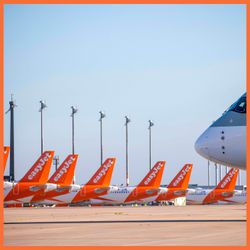
EasyJet Takeover: Inside the £5.7bn US private equity bidding war
29:07|What does the high-stakes easyJet takeover bid mean for the future of budget travel? We unpack the intense bidding war between US giants Apollo and Castlelake.Last Friday, in the latest twist in the saga for takeover of easyJet, Apollo secured an agreement to buy the airline in a £5.7B deal, gazumping an offer from US private credit group Castlelake. Just days earlier, easyJet had agreed to the Castlelake proposal - kicking off a proper takeover battle for one of the UK’s best known consumer brands. In this episode, we consider why easyJet has become a target, and what it could mean for the future of the company. Guest:Tim Jeans, former head of marketing for Ryanair, a former MD of Monarch AirlinesPresenters:Dominic O’Connell, Times columnist and Times Radio business correspondentHannah Prevett, associate business editor at The Sunday TimesProducer: Hope Federico Executive Producers: Emily Leahy and Miriam Hall Photo Credit: Getty Get in touch: thebusiness@thetimes.com
Grindr CEO on Madonna, AI and UK age verification
29:53|How have UK age restriction laws affected Grindr’s users? What changes will AI bring to the dating app? And where does Madonna fit into all this?In this episode of The Business, Grindr CEO George Arison joins Dominic O'Connell, Times columnist and Times Radio business correspondent, to discuss Grindr’s cultural prominence, the future of the app, and their recent collaboration with the Queen of Pop herself, Madonna. Launched in 2009, Grindr is the world's number one dating app for gay and bisexual men, with over 15 million active users in 190 countries and territories. Grindr CEO George Arison first interacted with the platform as a user, switching from a blackberry to an iPhone in 2009 in order to use the app. In 2022 he joined the company as CEO, believing in its mission to connect gay and bisexual men around the world, and build an online gaybourhood.Arison discusses his upbringing in the USSR, taking Grindr public a month after joining the company and how he believes leaning into AI, and ensuring an exceptional free service are the best ways of ensuring growth. “ Within six to 12 months, Grindr's gonna be an AI first product where AI is gonna be fully integrated into anything that a user does and the experience of that is gonna be exponentially better.”Arison also describes the effect UK Age restriction laws have had on the country’s Grindr user-base. According to Arison, the restrictions discourage closeted users who are uncomfortable sharing data with the app, removing an important space where these individuals can connect.Guest:George Arison, Chief Executive Officer of GrindrPresenter:Dominic O’Connell, Times columnist and Times Radio business correspondentProducer: Hope Federico Executive Producers: Emily Leahy and Miriam Hall Photo Credit: Getty Get in touch: thebusiness@thetimes.com
BONUS: The AI bubble, deepfakes and the future of UK tech
10:03|Is the AI bubble bound to pop? How can UK companies prevent the malicious use of AI? And is there a role for increased regulation in the AI industry?In this bonus episode of The Business, Synthesia CEO and co-founder Victor Riparbelli joins Hannah Prevett, associate business editor at The Sunday Times, to discuss the company's success in a world of rapidly growing AI companies, the role he thinks regulation should play in AI-generated content, and what the next chancellor should prioritise to strengthen the UK tech industry and boost the UK economy.Synthesia - the AI video generation platform that allows users to create realistic avatars from plain text - is one of the UK's biggest AI success stories, with a current valuation of $4 billion. Headquartered in London, the company is used by 90% of Fortune 100 companies and 70% of the FTSE100, making it one of the most influential businesses shaping the future of enterprise AI.Riparbelli explains why he believes AI is more than just another technology bubble, despite sky-high valuations across the sector, and why he expects the industry to experience a period of consolidation rather than collapse. He also discusses the rise of deepfakes, the challenges AI poses for businesses and consumers, and why regulation should focus on preventing harmful outcomes without stifling innovation.The conversation also explores what policymakers can do to attract talent, encourage entrepreneurship and support the next generation of British technology companies. Riparbelli shares his views on AI adoption across Europe, why the UK must move faster to embrace new technology, and how stronger AI adoption could improve productivity and help drive long-term growth across the UK economy.To hear more about the young entrepreneur Victor Riparbelli and the story behind Synthesia, listen to last week's episode here: https://pod.fo/e/440334Guest:Victor Riparbelli, CEO and co-founder of SynthesiaPresenter:Hannah Prevett, associate business editor at The Sunday TimesProducer: Hope FedericoExecutive Producer: Miriam HallPhoto credit: GettyGet in touch: thebusiness@thetimes.comHosted on Acast. See acast.com/privacy for more information.