Share
The Standard
Thames Water customers brace for 35% bills surge after Ofwat ruling
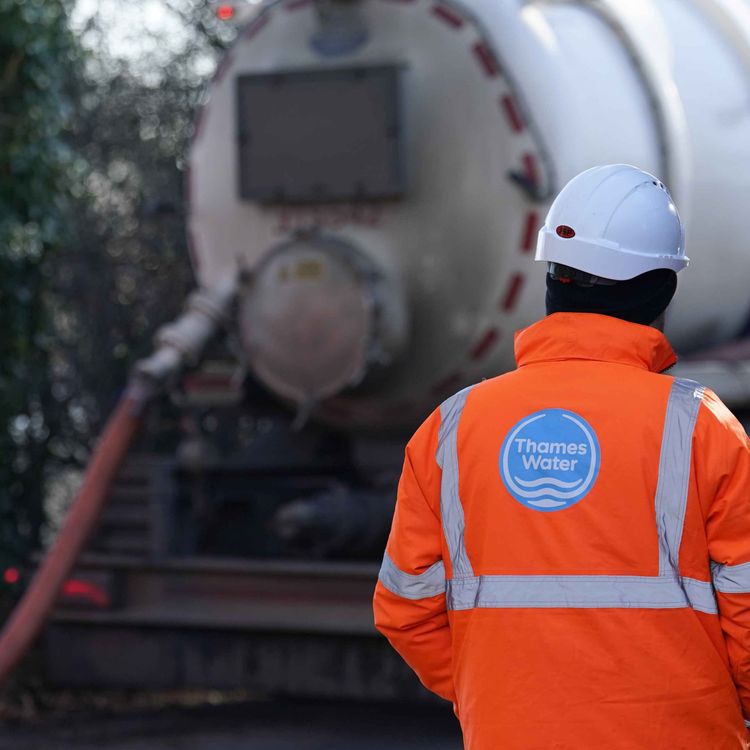
Thames Water bills will rise by more than a third to an average of £588 over the next five years despite its dismal record on pollution and leaks.
Water regulator Ofwat said the UK’s biggest water company, which supplies London and was recently fined £18 million for breaking share dividends rules, will be allowed to hike its bills by an inflation-busting £152, or 35 per cent - that’s an average £31 a year.
The charges are being hiked to fund a £104 billion spending plan, with other water companies in England and Wales following suit increasing customer bills.
The Standard podcast is joined by Matthew Topham, lead campaigner at We Own It, a pressure group for public ownership.
In part two, patients with sleep apnoea are receiving a choice of two nerve stimulators from University College London Hospitals to combat the condition, and it’s the first UK healthcare provider to offer both therapies without needing bulky equipment.
We’re joined by Mr Ryan Chin Taw Cheong, consultant ENT and sleep surgeon at UCLH’s Royal National ENT and Eastman Dental Hospitals.
More episodes
View all episodes
Episode 6: The Future of the Thames
22:36|Lucy Tobin looks to the future of the River Thames. From climate change and population growth to water shortages, pollution and emerging contaminants, she explores the challenges facing one of Britain's most important waterways. Hearing from scientists, campaigners, politicians and water industry experts, Lucy asks what needs to happen next to protect the Thames for future generations — and whether the decisions being made today will be enough to secure the river's long-term health.
Episode 5: Thames Water in the Hot Seat
26:37|Lucy Tobin investigates the challenges facing Thames Water as the company comes under increasing scrutiny from customers, politicians and campaigners. From flooding and compensation disputes to rising bills, debt and sewage pollution, she examines why public trust has been eroded and puts tough questions directly to one of Thames Water's most senior executives about the future of the company and the river it serves.
Episode 4: Inside London's Super Sewer
20:24|We hope you enjoy this new series from The Standard. To listen to more episodes now, check out Thames Unfiltered. In the fourth episode of Thames Unfiltered, host Lucy Tobin investigates the Tideway Tunnel — the vast engineering project built beneath the River Thames to tackle London's sewage pollution problem.Following decades of sewage spills into the river, the £4.6 billion "super sewer" was designed to capture millions of tonnes of wastewater that would otherwise overflow into the Thames during heavy rainfall.But while the tunnel is reducing pollution, can it protect London from the increasing threat of flash flooding?This episode features interviews with Thames Water's Head of Waste Operations Tim Davies, catchment management expert Alex Nickson, seventh-generation waterman Chris Livett, and Sir Peter Bazalgette.Listen to Thames Unfiltered, brought to you by The Standard, in association with Thames Water. All content has been created under The Standard's editorial control.Next episode: Lucy puts Thames Water director, Cathryn Ross, in the hot seat. She asks the questions Londoners want answered: bills, bonuses, sewage, and the future ownership of the company.
Episode 3: The Victorian Sewer That Built Modern London
21:49|We hope you enjoy this new series from The Standard. To listen to more episodes now, check out Thames Unfiltered. In the third episode of Thames Unfiltered, host Lucy Tobin explores the engineering marvel that is London’s sewer network.After the Great Stink of 1858 and cholera outbreaks that forced politicians to act, the Victorian system was designed by Sir Joseph Bazalgette in the mid-20th century.That same Victorian system still serves London today.Lucy pays a visit to Abbey Mills Pumping Station, or “Poo Palace”, to find out what happens when a 150-year-old system is pushed beyond the limits its creator could have imagined.This episode features interviews with the “Queen of London’s Poo”, Dina Gillespie, and Sir Peter Bazalgette, great-great-grandson of Joseph Bazalgette.Listen to Thames Unfiltered, brought to you by The Standard, in association with Thames Water. All content has been created under The Standard's editorial control.Next episode: We investigate whether the Tideway Tunnel — London's £5 billion "super sewer" — is delivering on its promise to reduce sewage pollution and relieve pressure on the Victorian network beneath the capital.
Episode 2: What Does Clean Really Mean?
26:54|We hope you enjoy this new series from The Standard. To listen to more episodes now, check out Thames Unfiltered. In the second episode of Thames Unfiltered, host Lucy Tobin asks the question:What does clean really mean?The River Thames is healthier than it was decades ago, with wildlife returning to parts of the river once declared biologically dead. But beneath the surface, the picture is far more complicated.In this episode, Lucy speaks to scientists, campaigners and conservationists about how river health is measured.From real-time sewage maps and wet wipe pollution to seahorses, porpoises and harbour seals, we discover that a healthy Thames isn't necessarily a pristine one — it's a living, thriving ecosystem.Listen to Thames Unfiltered, brought to you by The Standard, in association with Thames Water. All content has been created under The Standard's editorial control.Next episode: We go inside Abbey Mills pumping station — London's historic "Poo Palace" — to explore the Victorian engineering miracle that transformed the capital and still carries its waste more than 150 years later.We hope you enjoy this new series from The Standard. To listen to more episodes now, check out Thames Unfiltered.
Episode 1: How Healthy is the Thames?
27:20|We hope you enjoy this new series from The Standard. To listen to more episodes now, check out Thames Unfiltered. In the first episode of Thames Unfiltered, host Lucy Tobin asks the question:How healthy is the Thames today?Since being declared biologically dead in the mid-20th century, we explore the state of the Thames today, and who and what will impact its future.We examine the role of Thames Water, the impact of climate change and population growth, the importance of the river’s tributaries and ecosystems, and whether major projects like London’s £5 billion “super sewer” - the Tideway Tunnel - can help secure the river’s future.As the debate over Britain's waterways intensifies, this episode sets the scene for a series exploring one of the country's most important rivers—and everything that depends on it.Listen to Thames Unfiltered, brought to you by The Standard, in association with Thames Water. All content has been created under The Standard's editorial control.Next episode: What exactly is in the Thames? We investigate the pollutants, runoff and hidden contaminants affecting river health, and ask what "clean water" really means.We hope you enjoy this new series from The Standard. To listen to more episodes now, check out Thames Unfiltered.
Should all serious crimes be tried by a jury? With Geoffrey Robertson KC
31:47||Season 1The government is considering dropping juries for certain criminal cases in an attempt to reduce court backlogs. Will this move undermine British justice?In this bumper episode, host Tamara Kormornick speaks to a vocal opponent to the plans, Geoffrey Robertson KC, former judge and founder of Doughty Street Chambers, where Keir Starmer, David Lammy and Attorney General Richard Herman have all practised. She also hears from criminal barrister and Vice Chair of the Criminal Bar Association, Andrew Thomas KC, who both prosecutes and defends for the Crown, for his view on whether the British justice system needs as many juries.Photograph: Getty Images
Will Starmer’s constituency lose to the Greens in next week’s council elections? With LSE professor Tony Travers
18:45||Season 1Londoners will head to the polls next week to choose their local councillors. Since 2021, Labour has held the majority across the capital, but new polling suggests that even Sir Keir Starmer’s local borough of Camden may fall to the Greens.In this episode, host Tamara Kormornick speaks to Tony Travers, a professor in the Department of Government at the London School of Economics about the results of the latest London council election poll by JL Partners for LSE. They discuss possible outcomes for the upcoming elections, including which parties might join forces, and the messages Londoners may send to Westminster through the ballot box.
What you need to know about the Renters' Rights Act
21:53||Season 1This week, many Londoners will gain new powers as the Renters' Rights Act comes into force. So what do tenants and landlords need to know?In this episode, host Tamara Kormornick speaks to The Standard’s Homes & Property editor, Prudence Ivey, about the upcoming changes to rental agreements. The two discuss what renters should look out for in the small print, whether the new bill might inadvertently cause a housing shortage, as well as consider if the bill is enough to convince Londoners to vote for Labour in the upcoming council elections.Photograph: Getty Images