Share

The Intelligence from The Economist
The Weekend Intelligence: After the debate, a reflection on the UK’s Assisted Dying bill
In November, British MPs made history. For the first time, they voted to give some terminally ill adults the right to die. The Economist's Britain correspondent, Georgia Banjo, covered the story. Over years of reporting on death and dying, she's earned an unofficial title: death correspondent. On The Weekend Intelligence, she steps into that role again. Two months after the assisted dying bill was passed, she grapples with her own views about assisted dying, suffering and choice.
Listen to what matters most, from global politics and business to science and technology—Subscribe to Economist Podcasts+
For more information about how to access Economist Podcasts+, please visit our FAQs page or watch our video explaining how to link your account.
Music by Blue dot Sessions and Epidemic.
More episodes
View all episodes
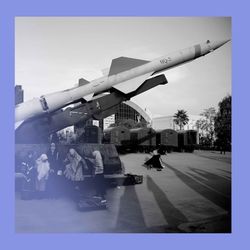
Strike fear: Iran’s protests and Israel
26:37|Each country fears an attack from the other: Iran may wish to distract from internal conflict, Israel to exploit it. In an interview with Prime Minister Binyamin Netanyahu we explore perspectives on the war-gaming. As the first cohort of graduates weaned on generative AI enters the workforce, we examine a changing career ladder. And why European pension systems badly need reform.Get a world of insights by subscribing to Economist Podcasts+. For more information about how to access Economist Podcasts+, please visit our FAQs page or watch our video explaining how to link your account.
The Weekend Intelligence: Honouring the dead
38:57|While walking around a national cemetery, it can seem like memorialising the war dead is a given, but governments have not always honoured their fallen. For much of history, soldiers who died in combat were left to rot on battlefields or buried in mass graves.In this episode of The Weekend Intelligence, senior producer Tamara Gilkes Borr visits memorials and speaks with historians to explore how two deadly wars transformed the status of the average soldier, and how evolving ideas of equality and democracy shape the way nations honour their dead today.For the episode about Il Barcone, the migrant ship that sank off the coast of Libya, listen to "They had names" on The Weekend Intelligence.Listen to what matters most, from global politics and business to science and technology—Subscribe to Economist Podcasts+For more information about how to access Economist Podcasts+, please visit our FAQs page or watch our video explaining how to link your account.Music by Blue dot and EpidemicThis podcast transcript is generated by third-party AI. It has not been reviewed prior to publication. We make no representations or warranties in relation to the transcript, its accuracy or its completeness, and we disclaim all liability regarding its receipt, content and use. If you have any concerns about the transcript, please email us at podcasts@economist.com.Read more about how we are using AI.
Shah caller: Iran’s protests are different this time
27:33|Demonstrations are growing once again—but this time the message is notably different, and the regime has little means available to calm tensions. Where will it end? Our World Ahead series lays out what to expect this year in China’s dealings with Taiwan, Japan and beyond. And a tribute to Nino Loureiro, a pioneering fusion physicist slain by a former classmate. Get a world of insights by subscribing to Economist Podcasts+. For more information about how to access Economist Podcasts+, please visit our FAQs page or watch our video explaining how to link your account.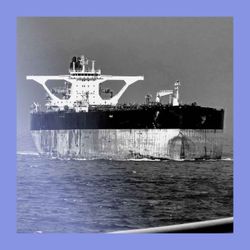
Oil pressure: America’s tanker seizures
22:43|It had real dramatic elements: a (slow) chase scene, faked locations, a literal false flag, a daring helicopter descent. But what is the broader picture of America’s bid to disrupt the Venezuelan-oil network? And how will the expanding oil saga affect an already weakened regime in Cuba? Also, we ask whether Hispanic football fans might avoid the World Cup in America.Get a world of insights by subscribing to Economist Podcasts+. For more information about how to access Economist Podcasts+, please visit our FAQs page or watch our video explaining how to link your account.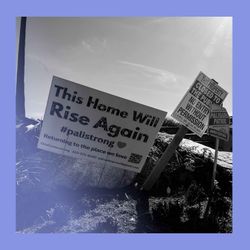
In the line of fires: LA’s ashen suburbs one year on
24:16|We return to the Los Angeles suburbs that were consumed by wildfires a year ago. The varying rebuilding efforts reveal divides in wealth, but also strains in California’s insurance industry. Never mind the AI job apocalypse, if it comes: the technology will create plenty of new roles, too. And why “peak wine” may be a good thing for sippers of the fine kind.Get a world of insights by subscribing to Economist Podcasts+. For more information about how to access Economist Podcasts+, please visit our FAQs page or watch our video explaining how to link your account.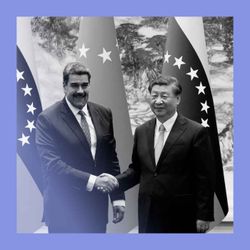
Xi’s not there: what China’s Venezuela response reveals
20:12|The countries have a decades-long relationship—debt freely given in one direction and plenty of oil sold in the other. Yet America’s intervention has served as a reality check on China’s power in Venezuela and elsewhere. Our World Ahead series examines the risks to the American dollar as global reserve currency. And pricey handbags ain’t built like they used to be.Get a world of insights by subscribing to Economist Podcasts+. For more information about how to access Economist Podcasts+, please visit our FAQs page or watch our video explaining how to link your account.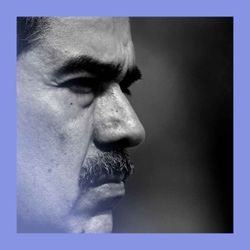
Nicolás caged: what next for Venezuela?
24:48|America’s National Security Strategy, released a month ago, suggested the administration’s focus was on dominance of the western hemisphere. But no one expected its first move would be a special-forces raid to depose President Nicolás Maduro. What is next comes with grave risks. And the video-games business wants to escape its rut by finding whole new markets—geographically and demographically.Get a world of insights by subscribing to Economist Podcasts+. For more information about how to access Economist Podcasts+, please visit our FAQs page or watch our video explaining how to link your account.
The Weekend Intelligence: Sweating It Out
46:40|Britain is getting hot and steamy.From railway arches in Peckham to windswept beaches in Fife, public saunas are popping up across the country, promising warmth, connection and a break from that traditional British pastime of drinking alcohol. On The Weekend Intelligence, Ibby Caputo sweats into Britain’s booming sauna scene— where wellness culture meets genuine need. Inside the heat, she finds Gen Z ditching the pub for sober Saturday evenings, unpaid carers prescribed steam, and strangers bonding through sweat, silence and shared endurance.From the intimacy of the sauna bench to the icy shock of the North Sea, this is a story about bodies, belonging, and why Britain is learning to sweat together.Listen to what matters most, from global politics and business to science and technology—Subscribe to Economist Podcasts+For more information about how to access Economist Podcasts+, please visit our FAQs page or watch our video explaining how to link your account.Music by Blue dot and EpidemicThis podcast transcript is generated by third-party AI. It has not been reviewed prior to publication. We make no representations or warranties in relation to the transcript, its accuracy or its completeness, and we disclaim all liability regarding its receipt, content and use. If you have any concerns about the transcript, please email us at podcasts@economist.com.Read more about how we are using AI.
State of the art: Chinese market flounders
21:41|Property wealth in China turbo-charged investment in art. Now house prices have crashed, art sales may follow. Are Britons really leaving the country in droves? And our obituaries editor on the death of the American cent coin.Listen to what matters most, from global politics and business to science and technology—Subscribe to Economist Podcasts+For more information about how to access Economist Podcasts+, please visit our FAQs page or watch our video explaining how to link your account.