Share
The Intelligence from The Economist
Deed of Truss: Britain’s new leader
•
As Liz Truss becomes prime minister, we ask whether her meat-and-potatoes tax-slashing agenda will work for a crisis-stricken Britain. Japan’s prison population is ageing just as its wider society is—and that is at last prompting reforms to its punitive penal system. And why Ukraine’s short supply of anti-tank missiles is not as worrying as it would once have been.
For full access to print, digital and audio editions of The Economist, subscribe here www.economist.com/intelligenceoffer
More episodes
View all episodes

The Weekend Intelligence: Shire folk - Episode 3: The prophet
50:16|In our third and final episode of Shire folk, our series on the rise of Tommy Robinson, Georgia follows Tommy across the Atlantic to find out why so many powerful Americans are suddenly interested in his version of Britain, and what they stand to gain from endorsing it.Topics covered:Christian nationalismAnti-Islam sentimentMass deportationsDanny TommoListen to what matters most, from global politics and business to science and technology—subscribe to The Economist.***************Music by bluedot Sessions and Epidemic Sound.This podcast transcript is generated by third-party AI. It has not been reviewed prior to publication. We make no representations or warranties in relation to the transcript, its accuracy or its completeness, and we disclaim all liability regarding its receipt, content and use. If you have any concerns about the transcript, please email us at podcasts@economist.com.Read more about how we are using AI.
Big meet, little meat: the Trump-Xi summit
27:13|Not much of real substance appears to have emerged from the get-together. But our correspondent says there are clues of how both sides view an evolving relationship. Tommy Robinson, a British far-right influencer, is increasingly well known to MAGA types in America; we examine his rise to prominence. And remembering Bob Mackie, daring dressmaker to the stars. Watch extended clips from Insider hereGuests and host:Simon Rabinovich, Beijing bureau chiefGeorgia Banjo, Britain correspondentAnn Wroe, obituaries editorJason Palmer, co-host of “The Intelligence”Topics covered: Xi Jinping, Donald Trump, trade war, diplomacyTommy Robinson, American politics, TexasBob Mackie, fashionListen to what matters most, from global politics and business to science and technology—subscribe to The Economist.
Home disadvantage: risks in housing markets
23:10|Rich-world house prices survived the last fit of interest-rate rises; our correspondent lays out why they may not this time. Nine months after Australia banned social media for under-16s, we ask if anything has changed. And a critical look at Israel’s hit show “Fauda” as it tackles the atrocities of October 7th. Guests and host:Callum Williams, senior economics writerJosh Spencer, Asia news editorAndrew Miller, special correspondentJason Palmer, co-host of “The Intelligence”Topics covered: housing markets, bond yields, interest ratesAustralia, social media bans“Fauda”, October 7thListen to what matters most, from global politics and business to science and technology—subscribe to The Economist.
National front-runner: who can beat Le Pen?
19:48|Marine Le Pen, party leader of France’s populist-right National Rally, starts her fourth presidential bid with a commanding lead. The country’s political centre is broad, fragmented—and flagging. A buffer zone against so-called infiltrators in India’s West Bengal state is making life miserable also for Indian citizens. And how Argentina’s supply of horses and cowboys led to world dominance in polo. Guests and host:Sophie Pedder, Paris bureau chief Kira Huju, Asia correspondentHamish Clayton, culture writerRosie Blau, co-host of “The Intelligence”Jason Palmer, co-host of “The Intelligence”Topics covered: French politics, Marine Le PenIndia, West Bengal, Bangladesh, Hindu nationalismArgentina, poloListen to what matters most, from global politics and business to science and technology—subscribe to The Economist.
The mob rule: criminality consumes South Africa
20:48|An illicit shadow economy, rampant extortion and the capture of the criminal justice system: mafia members and tactics are eating away at the state. Oura seems to have captured the market for smart rings; we ask whether it can keep its lead finger-tight. And our correspondent finds convention upended, for good and bad, at the Lucas Museum of Narrative Art.Guests and host:John McDermott, chief Africa correspondentShera Avi-Yonah, business correspondentAlexandra Suich Bass, culture editorJason Palmer, co-host of “The Intelligence”Topics covered: South Africa, organised crime, criminal justicewearable tech, Oura ringsLucas MuseumListen to what matters most, from global politics and business to science and technology—subscribe to The Economist.
Centre punch: Germany’s state-election shocker
21:06|Two more state-election results reveal surging support for both the far-right AfD and the populist-left Die Linke parties. Chancellor Friedrich Merz himself described the outcome as a disaster; what will it mean for him? Our correspondent looks into why there is so much enthusiasm for African stocks. And what the science says about blue-light exposure and sleep. Guests and host:Tom Nuttall, Berlin bureau chiefỌrẹ Ogunbiyi, Africa correspondentSam Wikeley, science correspondentRosie Blau, co-host of “The Intelligence”Jason Palmer, co-host of “The Intelligence”Topics covered: German politics, Friedrich Merz, AfD, Die LinkeAfrican stockmarkets, Aliko Dangotesleep science, blue lightListen to what matters most, from global politics and business to science and technology—subscribe to The Economist.
The Weekend Intelligence: Shire folk - Episode 2: Rebel, Rebel
48:37|In our second episode of “Shire folk; the Tommy Robinson story”, Georgia Banjo revisits the late 2010s to chart how Britain’s grooming gangs scandal shaped Robinson’s rise, from Luton football hooligan to Europe correspondent for Rebel Media.Topics covered:Terror attacksGrooming gangsAlternative mediaSouthport riotsListen to what matters most, from global politics and business to science and technology—subscribe to The Economist.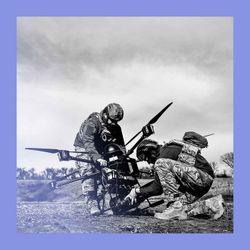
Drone truth: Russia has the upper hand
25:48|After a visit to Ukraine last week, our defence editor reports on a new phase of the war as Kyiv and other civilian targets are bombarded by Russian missiles. He also visits an elite Ukrainian drone unit. Why alcohol companies are scrambling to innovate. And remembering the life of feminist pioneer Gloria Steinem. Watch extended clips from Insider Guests and host:Alex Turner, defence editorAvantika Chilkoti, global business writerAnn Wroe, obituaries editorRosie Blau, co-host of “The Intelligence”Topics covered: Ukraine, drones, Shahed, KyivAlcohol, beer, aperolGloria Steinem, feminismListen to what matters most, from global politics and business to science and technology—subscribe to The Economist.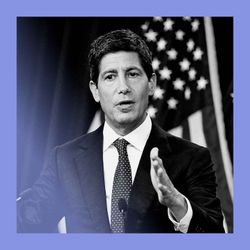
Rise and shine: Warsh’s Fed rate test
21:54|The Federal Reserve has raised interest rates for the first time since July 2023. For the central bank’s new chair Kevin Warsh, that decision was a test both of monetary policy and politics. A governor’s election in Okinawa is a boon to Japan’s military ambitions. And why summer is a casualty of climate change.Guests and host:Archie Hall, acting economics editorMoeka Iida, East Asia reporterAndrew Miller, special correspondentRosie Blau, co-host of “The Intelligence”Topics covered: Federal Reserve, Kevin Warsh, interest rates, inflationOkinawa, JapanSummer, climate change, heatwaveListen to what matters most, from global politics and business to science and technology—subscribe to The Economist.