Share

The Intelligence from The Economist
Bibi blues: Israel’s fraying consensus
•
Our editor-in-chief and Jerusalem correspondent pay a visit to Israel’s halls of power, finding that long-whispered dissent is spilling into the open. An Italian subsidy for green home improvements was ripe for abuse by design; the bill has now come due and it is enormous (14:28). And how “Bridgerton”, a sort-of period drama, has made string quartets fashionable again (21:00).
Get a world of insights for 50% off—subscribe to Economist Podcasts+. For more information about how to access Economist Podcasts+, please visit our FAQs page or watch our video explaining how to link your account.
More episodes
View all episodes
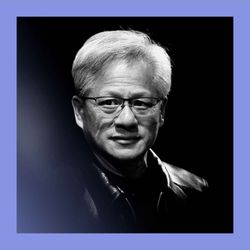
Bargaining chips: Nvidia is the bank of AI
24:33|Nvidia, the world’s most valuable company, has shifted strategy to boost demand for its chips. Our correspondent assesses the opportunities and risks. Knife crime in Britain moves to rural pastures. And our obituaries editor recounts the life of Frank Smith, who died in prison aged 101. Watch extended clips from Insider here, plus the full Elon Musk interviewGuests and host:Shailesh Chitnis, global business writerSonny Loughran, Britain correspondentAnn Wroe, obituaries editorRosie Blau, co-host of “The Intelligence”Topics covered: Nvidia, AI, Jensen HuangKnife crime, county lines, drug marketFrank Smith, electric chair, death rowListen to what matters most, from global politics and business to science and technology—subscribe to The Economist.
Ire and ICE: the toll of America’s deportations
23:12|Donald Trump’s stance on immigration helped him win the presidency. Our correspondent asks if a backlash against the campaign could damage Republican midterm prospects. Reddit is struggling in an age of AI. And the enduring beauty of the Bayeux tapestry.Guests and host:Aryn Braun, West Coast correspondentShera Avi-Yonah, business correspondentAlexandra Suich Bass, culture editorRosie Blau, co-host of “The Intelligence”Jason Palmer, co-host of “The Intelligence”Topics covered: Deportation, ICE, immigration, MinneapolisReddit, Google, AIBayeux tapestry, 1066, British MuseumListen to what matters most, from global politics and business to science and technology—subscribe to The Economist.
Right in front: AfD could win German state
23:23|On Sunday, Alternative for Germany could become the first far-right nationalist party to win a state election since the end of the second world war. Is Britain right to worry about Palantir handling government contracts? And could the Chinese learn to love chocolate? Guests and host:Tom Nuttall, chief Germany correspondentGeorgia Banjo, Britain correspondentDon Weinland, China business and finance editorRosie Blau, co-host of “The Intelligence”Jason Palmer, co-host of “The Intelligence”Topics covered: Germany, AfD, Alternative for Germany, Saxony-AnhaltPalantir, NHSChina, chocolate Listen to what matters most, from global politics and business to science and technology—subscribe to The Economist.
After the flood: Nepal’s ongoing rescue
16:27|After the devastating flash flood last week, our correspondent explains why the country is so ill-equipped to deal with the crisis. Does AI stop children from learning? And why Japanese ongaku kissa, or listening bars, are so popular abroad.Guests and host:Kira Hiju, Asia correspondentMichelle Hennessy, graphic detail editorAaron Coultate, head of newslettersRosie Blau, co-host of “The Intelligence”Jason Palmer, co-host of “The Intelligence”Topics covered: Nepal, flood, climate change, glacier, hydropowerAI, education, examsJapan, listening bars, ongaku kissa Listen to what matters most, from global politics and business to science and technology—subscribe to The Economist.
Stars in their AIs: tech is changing Hollywood
20:02|Behind the scenes, Artificial Intelligence is playing a growing role in every aspect of film-making, from script-writing and production-planning to shot-generation and editing. As the number of people covered by Obamacare falls, our correspondent ponders the future of the healthcare programme. And the secret thrill of American country dancing in France.Guests and host:Henry Tricks, US technology editorStevie Hertz, US public policy correspondentSophie Pedder, Paris bureau chiefRosie Blau, co-host of “The Intelligence”Jason Palmer, co-host of “The Intelligence”Topics covered: Hollywood, filmmaking, AIObamacare, healthcare, health insuranceFrance, country music, line-dancingListen to what matters most, from global politics and business to science and technology—subscribe to The Economist.
The Weekend Intelligence: Laugh, think, move
43:05|FOR 35 years the Ig Nobel prizes—given for “research that makes people laugh, then think”—have been awarded at a madcap ceremony in Cambridge, Massachusetts. The “laugh” part highlights the sillier side of science; the “think” part reveals the same creative inquiry that drives the more dour-seeming side. Jason Palmer, co-host of “The Intelligence”, speaks to the prizes’ founder and past winners about the grave reasons the ceremony is moving this year to Zurich. Topics covered:Ig Nobel prizes Nobel prizesscientific inquiryAmerican science policyGuests:Marc Abrahams, founder, Ig Nobel prizesMarie Dacke, professor of sensory biology, Lund UniversitySir Andre Geim, professor of physics, University of ManchesterDavid Kaiser, professor of physics and professor of the history of science, MITLuca Luiselli, president, Institute for Development, Ecology, Conservation and Co-operationLinks to other episodes:The Weekend Intelligence: Science under siegeThe Weekend Intelligence: The War on Animal ResearchListen to what matters most, from global politics and business to science and technology—Subscribe to Economist Podcasts+For more information about how to access Economist Podcasts+, please visit our FAQs page or watch our video explaining how to link your account.***************This podcast transcript is generated by third-party AI. It has not been reviewed prior to publication. We make no representations or warranties in relation to the transcript, its accuracy or its completeness, and we disclaim all liability regarding its receipt, content and use. If you have any concerns about the transcript, please email us at podcasts@economist.com.Read more about how we are using AI.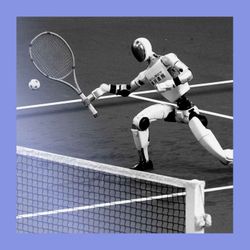
Bots on the ground: China leads humanoid race
24:48|Our correspondent goes inside a Chinese robot facility to see thousands of droids being taught to complete useful tasks. Is it worth the time and money? How Meta’s $17bn settlement at its blockbuster trial could change teen social-media use. And 75 years of the Paris bookshop Shakespeare and Company.Watch extended clips from Insider here, plus the full Elon Musk interviewGuests and host:Don Weinland, China business editorAlice Fulwood, “Money Talks” host and US business editorAlexandra Suich-Bass, culture editorRosie Blau, co-host of “The Intelligence”Topics covered: Robots, humanoids, China, AIMeta, Instagram, Facebook, social media, addiction, Shakespeare and Company, Paris, bookshopsListen to what matters most, from global politics and business to science and technology—subscribe to The Economist.
Big shot: does a cancer vaccine work?
22:05|Personalised vaccines could offer a breakthrough in the fight against cancer. Our correspondent analyses the latest trial. Canada’s oil market is flourishing, despite the trade war. And, why we will always love Dolly Parton.Guests and host:Natasha Loder, health editorSarah Lawrynuik, deputy editor of “The Intelligence”Jon Fasman, senior culture correspondentJason Palmer, co-host of “The Intelligence”Topics covered: Cancer, immunotherapy, vaccines, mRNAOil, Canada, trade war, tariffsDolly Parton, country musicListen to what matters most, from global politics and business to science and technology—subscribe to The Economist.
Slip the surly bonds? Scott Bessent goes on a yield trip
22:36|Amid record-tickling yields, the bond markets are now trying to make sense of what Scott Bessent, America’s Treasury secretary, has announced—a move that might put him on a collision course with the Federal Reserve. We ask why it is so easy for hackers to infiltrate America’s water infrastructure. And understanding a political lineage through the new British prime minister’s accent.Guests and host:Joshua Roberts, capital markets correspondentShashank Joshi, Washington bureau chiefLane Greene, language correspondentJason Palmer, co-host of “The Intelligence”Topics covered: bond markets, Treasury, yields, Scott BessentAmerica, cyber-attacks, water, critical infrastructureBritish politics, Andy Burnham, accents, class angstListen to what matters most, from global politics and business to science and technology—subscribe to The Economist.