Share
The Intelligence from The Economist
Gain a fresh perspective on the events and trends shaping your world with our daily podcast.
Latest episode
The Weekend Intelligence: And Tango Makes Three
47:05|This is the story of one of the most challenged books in America, and the feathered-freedom fighters caught up in America’s culture wars.*This episode was first published in December 2023Listen to what matters most, from global politics and business to science and technology—Subscribe to Economist Podcasts+For more information about how to access Economist Podcasts+, please visit our FAQs page or watch our video explaining how to link your account.Music by bluedot Sessions and Epidemic Sound. AND TANGO MAKES THREE Copyright © 2005 by Justin Richardson and Peter Parnell. Audio excerpts courtesy of Simon & Schuster Audio, a Division of Simon & Schuster, Inc. read by Neil Patrick Harris from the audiobook by Justin Richardson and Peter Parnell.This podcast transcript is generated by third-party AI. It has not been reviewed prior to publication. We make no representations or warranties in relation to the transcript, its accuracy or its completeness, and we disclaim all liability regarding its receipt, content and use. If you have any concerns about the transcript, please email us at podcasts@economist.com.Read more about how we are using AI.
More episodes
View all episodes

Saving your bacon: healthy-eating policy evolves
24:42|Decades of messaging have not worked, so governments are trying new ways to get citizens to eat well, from scary labelling to taxing the junkiest foods. Will it work? The death of a plague researcher in Russia is made more mysterious by the government’s resolute lack of transparency. And a tribute to Cyril Hilsum, the inventor behind ubiquitous flat-screen displays. Watch extended clips from Insider here.Guests and host:Slavea Chankova, health-care correspondentAlex Turner, defence editorAnn Wroe, obituaries editorJason Palmer, co-host of “The Intelligence”Topics covered: diet, public health, health policyRussia, plague, bioweaponsCyril Hilsum, liquid crystals, flat-screen displaysListen to what matters most, from global politics and business to science and technology—subscribe to The Economist.
Valley of the shadow of debt: bond-market jitters
21:39|Bond yields across the rich world keep ticking up. We take a global look at where the risks are mounting most, and just how much worry is warranted. What might have once seemed fanciful is becoming real: delivering daylight to dark parts of the world using mirrors in space. And the fatal earnestness of “The Social Reckoning”. Guests and host:Alex Domash, economics correspondentTim Cross, senior science writerTom Wainwright, culture correspondentRosie Blau, co-host of “The Intelligence”Jason Palmer, co-host of “The Intelligence”Topics covered: bond yields, monetary policy, animal spiritssatellite technology, darkness and light“The Social Reckoning”, Aaron SorkinListen to what matters most, from global politics and business to science and technology—subscribe to The Economist.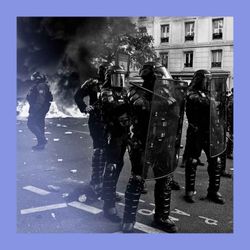
Gilets jeunes? France’s school protests
19:36|What started as a small protest about conditions of a school and of schooling has mushroomed, and tapped into national anxieties that may prove hard to tame. In the context of the “Cornell 7” case we examine Title IX, the statute that should protect students—but that is failing. And how peddling superstitions to financiers is big business in India. Guests and host:Sophie Pedder, Paris bureau chiefStevie Hertz, US policy correspondentAbhishek Kumar, India writerJason Palmer, co-host of “The Intelligence”Topics covered: France protests, French politicsCornell 7, Title IX, sexual assaultIndia, finance, astrology, superstitionListen to what matters most, from global politics and business to science and technology—subscribe to The Economist.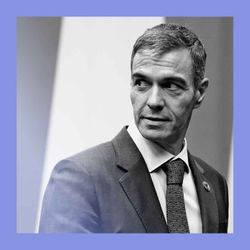
House call: Spain’s snap election
22:33|Prime Minister Pedro Sánchez is gambling that anger about housing might solidify his mandate in a snap poll. Most probably it will instead add to the rightward shift in European politics. America’s beef prices have never been higher, so why is it that the meatpackers have it so tough? And the battery technology to improve medical diagnostics you can swallow. Listen to our episode of “Babbage” on edible electronics here.Guests and host:Michael Reid, Spain correspondent and writer at largeBella King, news editorDavid Adam, science writerRosie Blau, co-host of “The Intelligence”Jason Palmer, co-host of “The Intelligence”Topics covered: Spanish politics, housing crisis, Pedro SánchezAmerica’s meat industry, meatpackersmedical diagnostics, edible electronics, battery technologyListen to what matters most, from global politics and business to science and technology—subscribe to The Economist.
Here comes the son? Brazil’s election tips rightward
22:41|Flávio Bolsonaro, populist-right son of the imprisoned coup architect Jair, received the most votes in the presidential first round. We ask why Luiz Inácio Lula da Silva, the incumbent, fell behind—and what is at stake when they go head-to-head. We examine Americans’ growing anger at automatic number-plate-reading cameras. And the demanding but lucrative business of nannying the children of the super-rich.Guests and host:Ana Lankes, Brazil bureau chiefHollie Berman, news editorAlice Fulwood, US business editorRosie Blau, co-host of “The Intelligence”Jason Palmer, co-host of “The Intelligence”Topics covered: Brazilian election, Lula, Bolsonaro, populist-right politicsFlock cameras, American law enforcement, privacy, surveillancechildcare, plutocratsListen to what matters most, from global politics and business to science and technology—subscribe to The Economist.
The Weekend Intelligence: Memory lane
37:04|Now every fact is a click away, the role of memory has changed. On The Weekend Intelligence, Rosie Blau profiles an eight-times world memory champion, a woman suffering from early-onset dementia and Artificial Intelligence to find out what matters: the information itself, or the journey we take to retrieve it?Listen to what matters most, from global politics and business to science and technology—Subscribe to Economist Podcasts+For more information about how to access Economist Podcasts+, please visit our FAQs page or watch our video explaining how to link your account.Music by bluedot Sessions and Epidemic Sound.