Share
Money Talks from The Economist
Make sense of the biggest stories in economics, business and markets.
Latest episode
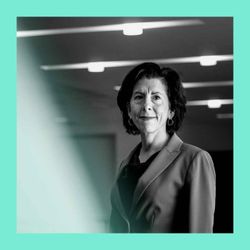
How to prepare for an AI world
35:26|The AI industry has been shaken in the past week. First, investors—rattled by the success of anti-data centre Democrats in the midterms—sent tech stocks tumbling. Then came the scandal surrounding Nvidia chief Jensen Huang. We wanted to know what to make of all that, and how to prepare for an AI world, so we spoke to Gina Raimondo. She was commerce secretary when ChatGPT was launched and she has now built a foundation to deal with the impact AI might have on workers.Guests and hosts:Gina Raimondo, former US Secretary of Commerce and CEO of RAISE USAlice Fulwood, co-host of “Money Talks”Ethan Wu, co-host of “Money Talks”Topics covered:AI retrainingData centresJensen Huang scandalTranscripts of our podcasts are available via economist.com/podcasts.Listen to what matters most, from global politics and business to science and technology—subscribe to The Economist.
More episodes
View all episodes

Why big law has big problems
39:06|The legal industry is losing one of its best-known firms. Weil, Gotshal & Manges is the first major victim of changes that are gripping what was, until recently, a staid profession. But the emergence of superstar partners, paid tens of millions of dollars, and the adoption of AI are changing that stuffy reputation. How much trouble is big law really in?Guests and hosts:John Pottow, University of MichiganMax Junestrand, CEO of LegoraShera Avi-Yonah, The Economist’s business correspondentAlice Fulwood, co-host of “Money Talks”Ethan Wu, co-host of “Money Talks”Topics covered:Weil, Gotshal & MangesLegal professionAITranscripts of our podcasts are available via economist.com/podcasts.Listen to what matters most, from global politics and business to science and technology—subscribe to The Economist.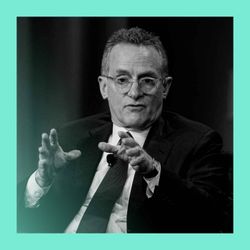
Veteran investor Howard Marks on AI debt
36:20|It's Mike's last show. And there was only one thing he wanted to talk about: the biggest story on his beat. He speaks to legendary distressed debt investor Howard Marks about the AI boom and the risks of a blow-up.Guests and hosts:Howard Marks, co-chair of Oaktree Capital ManagementMike Bird, co-host of “Money Talks”Ethan Wu, co-host of “Money Talks”Alice Fulwood, co-host of “Money Talks”Topics covered:AnthropicAI debtInvestingTranscripts of our podcasts are available via economist.com/podcasts.Listen to what matters most, from global politics and business to science and technology—subscribe to The Economist.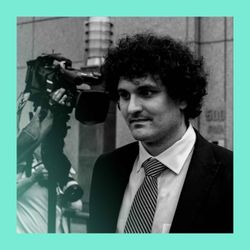
Sam Bankman-Fried on effective altruism
50:09|Sam Bankman-Fried was the poster child for effective altruism. Before his arrest, he had done more than anyone to promote the movement. Today, no one has done more damage. Yet, in Silicon Valley, EAs (as adherents are known) are everywhere. Should you worry that a philosophy that inspired the man behind one of America’s largest frauds has taken root in the world’s most important firms? We ask Bankman-Fried himself. We also speak to one of the founding fathers of the EA movement.Guests and hosts:Sam Bankman-Fried, former CEO of FTXToby Ord, co-founder of Giving What We CanShera Avi-Yonah, The Economist’s US business correspondentEthan Wu, co-host of “Money Talks”Alice Fulwood, co-host of “Money Talks”Topics covered:Effective AltruismAISilicon ValleyTranscripts of our podcasts are available via economist.com/podcasts.Listen to what matters most, from global politics and business to science and technology—subscribe to Economist Podcasts+.For more information about how to access Economist Podcasts+, please visit our FAQs page or watch our video explaining how to link your account.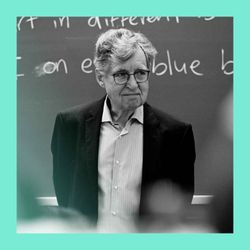
A Nobel-winning economics lesson
37:46|It’s that time of year again. An economist gets a call from Sweden–and we then badger them to speak to us. We’re pleased to say Michael Woodford, who shared the award with Robert Hall, returned our call. The prize committee credited the duo with rebuilding macroeconomics on “microfoundations”: representing economic outcomes as the result of the behaviour of individuals and businesses. On this week’s show, Mr Woodford explains his theory.Guests and hosts:Michael Woodford, Columbia UniversityHenry Curr, The Economist’s acting business affairs editorAlice Fulwood, co-host of “Money Talks”Ethan Wu, co-host of “Money Talks”Topics covered:Nobel prize for economicsEconomic theoryNew Keynesian economicsTranscripts of our podcasts are available via economist.com/podcasts.
Are populists wrecking your portfolio?
35:26|Investors have a big problem. Their sharpest tool, diversification, is getting blunter. And one possible culprit may surprise you: Donald Trump. A growing number of investors blame populist politicians for upending the world order and ruining the logic behind their most important strategies. Are they right?Guests and hosts:Ed Cole, of Man GroupJosh Roberts, The Economist’s acting Britain editorAlice Fulwood, co-host of “Money Talks”Ethan Wu, co-host of “Money Talks”Topics covered:PopulismInvestment strategiesInflationTranscripts of our podcasts are available via economist.com/podcasts.Listen to what matters most, from global politics and business to science and technology—subscribe to Economist Podcasts+.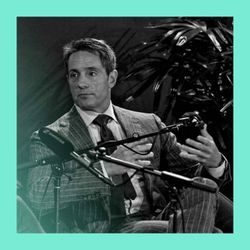
How to short AI with Carson Block
29:54|Carson Block is not the only investor asking whether the AI rally can last. But the famed short-seller has a distinctive theory of how it will unravel. In this special live show, he explains how he is betting against the AI boom.Guests and hosts:Carson Block, CEO of Muddy Waters ResearchAlice Fulwood, co-host of “Money Talks”Mike Bird, co-host of “Money Talks”Topics covered:AIShort sellingMuddy Waters ResearchTranscripts of our podcasts are available via economist.com/podcasts.