Share

The Weekend Intelligence from The Economist
Return to Iran
In July 2019 Nicolas Pelham, The Economist’s Middle East correspondent, received a rare journalist’s visa to Iran. On the day he was due to fly home, he was detained.
He was held in Tehran for seven weeks while those back home desperately tried to secure his return.
In November, Nick returned to Iran for the first time since his detention, accompanied by The Economist’s digital editor, Adam Roberts. In this episode of The Weekend Intelligence, Adam and Nick discuss the experience and reflect on what it’s like to work as foreign journalists in Tehran.
Read Nick’s original story, Trapped in Iran.
Listen to what matters most, from global politics and business to science and technology—Subscribe to Economist Podcasts+
For more information about how to access Economist Podcasts+, please visit our FAQs page or watch our video explaining how to link your account.
Music by Blue dot and Epidemic
This podcast transcript is generated by third-party AI. It has not been reviewed prior to publication. We make no representations or warranties in relation to the transcript, its accuracy or its completeness, and we disclaim all liability regarding its receipt, content and use. If you have any concerns about the transcript, please email us at podcasts@economist.com.
More episodes
View all episodes

The red-state psychedelic
48:32|Ibogaine, a potent psychedelic, is coming to red-state America. Tamara Gilkes Borr meets one of the movement’s most determined advocates, an evangelist on a mission to spread ibogaine across America, to understand why this illegal and potentially dangerous psychedelic is gaining popularity among conservatives.Topics covered:ibogainepsychedelicsconservativesopioid crisisBryan HubbardLinks to articles:Kentucky eyes ibogaineA psychedelic medicine performs well against depressionAmanda Feilding fought to rescue the reputation of psychedelicsListen to what matters most, from global politics and business to science and technology—Subscribe to Economist Podcasts+For more information about how to access Economist Podcasts+, please visit our FAQs page or watch our video explaining how to link your account.Music by bluedot Sessions and Epidemic Sound.This podcast transcript is generated by third-party AI. It has not been reviewed prior to publication. We make no representations or warranties in relation to the transcript, its accuracy or its completeness, and we disclaim all liability regarding its receipt, content and use. If you have any concerns about the transcript, please email us at podcasts@economist.com.Read more about how we are using AI.
Screwed by AI?
45:25|At one of the stands displaying AI-powered sex dolls at the Adult Video Network expo, there is a robot holding a handwritten sign saying, “You can do anything to me.” For generations, criticism of the porn industry has focused on the treatment of performers. But in the age of AI, the users of porn are more vulnerable than ever. The Economist’s Avantika Chilkoti travels to the Oscars of porn to find out how AI is changing the industry—and what it might mean for all of us. Topics covered:AI Adult sex industryIntimacy and relationshipsHumanoid robotsListen to what matters most, from global politics and business to science and technology—Subscribe to Economist Podcasts+For more information about how to access Economist Podcasts+, please visit our FAQs page or watch our video explaining how to link your account.Music by bluedot Sessions and Epidemic Sound.This podcast transcript is generated by third-party AI. It has not been reviewed prior to publication. We make no representations or warranties in relation to the transcript, its accuracy or its completeness, and we disclaim all liability regarding its receipt, content and use. If you have any concerns about the transcript, please email us at podcasts@economist.com.Read more about how we are using AI.Links to articles:Chinese humanoid robotshttps://www.economist.com/business/2026/02/18/chinas-humanoids-are-dazzling-the-world-who-will-buy-them Avantika's reporting https://www.economist.com/international/2025/11/27/ai-is-upending-the-porn-industry and https://economist.com/finance-and-economics/2026/03/19/the-new-economics-of-sex-workDavid Foster Wallace https://www.scribd.com/doc/297476001/David-Foster-Wallace-Big-Red-Son
Kidulting
41:24|The toy industry has a problem: there aren’t enough children. Its solution? Adults.Rosie Blau reports on the rise of the "kidult". Is there anything wrong with big kids collecting toys? And what does it say about her that —secretly— she might want one.Topics covered:Toy industryDemographic changeKidultsLinks to articles: Adults are propping up the toy industryListen to what matters most, from global politics and business to science and technology—Subscribe to Economist Podcasts+.For more information about how to access Economist Podcasts+, please visit our FAQs page or watch our video explaining how to link your account.Music provided by Domestic Background Music and Blue Dot SessionsTranscripts of our podcasts are available via economist.com/podcasts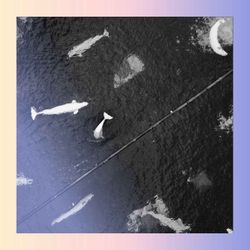
The last whales at Marineland
44:20|Last autumn, a shuttered amusement park in Niagara Falls, Canada, tried to export its 30 remaining belugas to China. When the Canadian government blocked that sale on welfare grounds, the park threatened to euthanise the animals. So began the race to save the whales. Sam Colbert reports on the challenge of re-homing captive whales. Even among leading scientists, what’s best for the animals is far from clear.Topics covered:Animal rightsMarine-mammal scienceTheme parksListen to what matters most, from global politics and business to science and technology—Subscribe to Economist Podcasts+.For more information about how to access Economist Podcasts+, please visit our FAQs page or watch our video explaining how to link your account.Music by Blue Dot Sessions and Epidemic SoundTranscripts of our podcasts are available via economist.com/podcasts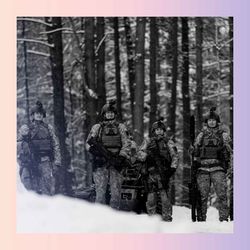
How to prepare for an invasion
43:51|Just one generation after they gained independence, people in the Baltic States are watching the threat from the Kremlin creep closer and closer. In Lithuania, the government is preparing the population to resist an invasion. On “The Weekend Intelligence” Katie Bryant travels to Vilnius to ask how facing up to threat is changing the nation. Topics covered:LithuaniaCivil defenceDisinformationListen to what matters most, from global politics and business to science and technology—Subscribe to Economist Podcasts+For more information about how to access Economist Podcasts+, please visit our FAQs page or watch our video explaining how to link your account.Music by bluedot Sessions and Epidemic Sound.This podcast transcript is generated by third-party AI. It has not been reviewed prior to publication. We make no representations or warranties in relation to the transcript, its accuracy or its completeness, and we disclaim all liability regarding its receipt, content and use. If you have any concerns about the transcript, please email us at podcasts@economist.com.Read more about how we are using AI.
Inside Nepal’s Gen Z Revolution
41:38|Nepal’s youth took to the streets last September when the government banned social media. It became a protest about corruption. Police killed 19 protestors, the youngest just twelve years old. After a day of violence the parliament building in Kathmandu lay smoldering, the prime minister had fled, and Nepal was left with a burning question—what next?The Economist’s Jiehao Chen visited Nepal to meet the Gen Z revolutionaries trying to repair their fractured nation. Topics covered:NepalGen-Z protestsSocial media banListen to what matters most, from global politics and business to science and technology—Subscribe to Economist Podcasts+For more information about how to access Economist Podcasts+, please visit our FAQs page or watch our video explaining how to link your account.Music by Blue dot and EpidemicThis podcast transcript is generated by third-party AI. It has not been reviewed prior to publication. We make no representations or warranties in relation to the transcript, its accuracy or its completeness, and we disclaim all liability regarding its receipt, content and use. If you have any concerns about the transcript, please email us at podcasts@economist.com.Read more about how we are using AI.
PSA: Taking a short break
01:05|Instead of your usual episode of The Weekend Intelligence, we are bringing you season 3 of Boss Class. The series asks, how should employees and managers adapt to the world of AI? You'll find it wherever you listen to The Intelligence.The Weekend Intelligence team is on a short hiatus. We're using the time to report, gather and polish more stories for you. We'll be back Saturday 21st February.
The assassination that changed Japan
46:28|When Yamagami Tetsuya fired the bullets that killed Japan’s longest-serving prime minister, he set off a chain reaction that upended Japanese society. The sheer force of his act brought down a church, a political party and a patriarch. In doing so it fractured the populace. On The Weekend Intelligence, Moeka Iida reports from the murder trial to tell the story of the assassination that changed Japan.Listen to what matters most, from global politics and business to science and technology—Subscribe to Economist Podcasts+For more information about how to access Economist Podcasts+, please visit our FAQs page or watch our video explaining how to link your account.Music by Blue dot and EpidemicThis podcast transcript is generated by third-party AI. It has not been reviewed prior to publication. We make no representations or warranties in relation to the transcript, its accuracy or its completeness, and we disclaim all liability regarding its receipt, content and use. If you have any concerns about the transcript, please email us at podcasts@economist.com.Read more about how we are using AI.
Hair peace
53:50|In the outer suburbs of Istanbul, the Elithair clinic operates nearly round the clock delivering hair transplants to a seemingly endless stream of young men from all over the world. They expect demand to keep on rising. But what, exactly, has changed to make record numbers of young men choose elective cosmetic surgery? Senior producer Sam Westran travels to Turkey to watch surgery in action, and muses on the state of baldness, masculinity and the manosphere.Listen to what matters most, from global politics and business to science and technology—Subscribe to Economist Podcasts+For more information about how to access Economist Podcasts+, please visit our FAQs page or watch our video explaining how to link your account.Music by Bluedot Sessions, Epidemic Sound and Sound of PictureThis podcast transcript is generated by third-party AI. It has not been reviewed prior to publication. We make no representations or warranties in relation to the transcript, its accuracy or its completeness, and we disclaim all liability regarding its receipt, content and use. If you have any concerns about the transcript, please email us at podcasts@economist.com.Read more about how we are using AI.