Share
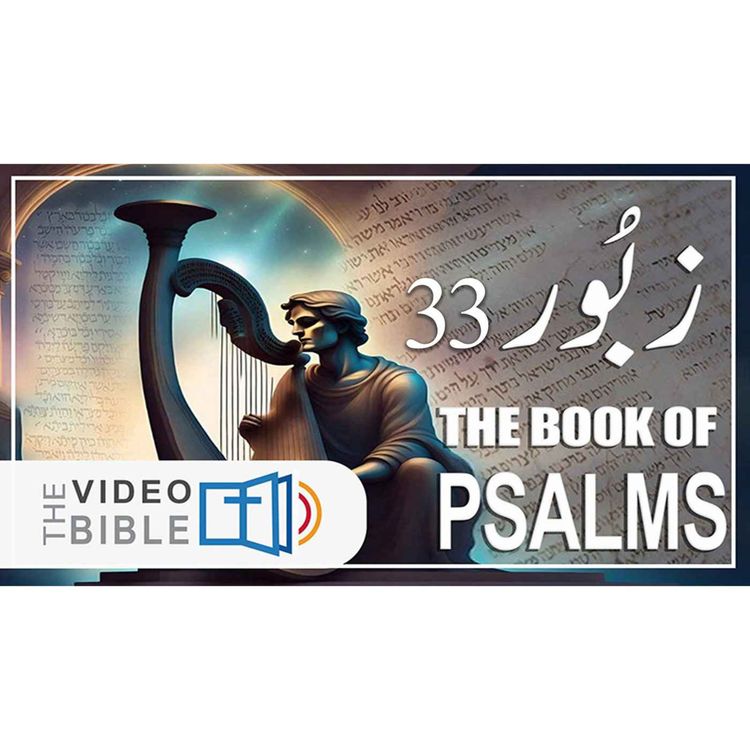
Audio Urdu Bible ( AgapeNow.TV)
Psalms
The Book of Psalms is a collection of 150 poems, songs, and prayers that form one of the most beloved and widely read books in the Bible. Spanning a wide range of human emotions and experiences, the Psalms give voice to both personal and communal expressions of worship, lament, thanksgiving, and praise.
Traditionally attributed largely to King David, the Psalms also include compositions by other figures such as Asaph, the sons of Korah, Solomon, Moses, and anonymous authors. The book is divided into five sections, mirroring the five books of the Torah, and serves as a spiritual guide for prayer and worship.
Themes found in the Psalms include:
- God’s majesty, holiness, and faithfulness
- The struggles and hopes of individuals and the nation of Israel
- Confession of sin and cries for forgiveness
- Celebrations of God’s law and His righteous rule
- Prophetic glimpses of the coming Messiah
The Psalms are used both liturgically and personally, offering comfort, strength, and insight to believers across centuries. Whether in times of joy or sorrow, the Psalms remind us that God is near, attentive, and worthy of all praise.
More episodes
View all episodes
1. Matthew
04:36||Season 1, Ep. 1Introduction:The Gospel of Matthew, the first book of the New Testament, presents the life, teachings, death, and resurrection of Jesus Christ. It emphasizes Jesus' role as the Messiah, fulfilling Old Testament prophecies, and highlights his teachings on the Kingdom of Heaven. The book is structured around five major discourses, including the Sermon on the Mount, which outlines key moral teachings and principles such as the Beatitudes. Matthew also portrays Jesus as a new Moses, providing a new law and guidance to his followers, while also establishing the foundations for the Christian Church.Matthew's narrative includes Jesus' miraculous birth, his baptism by John the Baptist, and his public ministry characterized by healing, teaching, and performing miracles. The Gospel also details the events leading up to Jesus' crucifixion, his death, and his resurrection, underscoring the themes of sacrifice, redemption, and the promise of eternal life. Throughout the Gospel, Matthew focuses on Jesus' identity as the Son of God and his mission to save humanity, offering hope and guidance to believers.Main Points:Fulfillment of Old Testament PropheciesJesus as the MessiahGenealogy tracing Jesus to Abraham and DavidFrequent references to Old Testament propheciesTeachings and Miracles of JesusSermon on the Mount and moral teachingsParables illustrating the Kingdom of HeavenMiracles showcasing Jesus' divine authorityCrucifixion and ResurrectionEvents leading to Jesus' arrest and trialCrucifixion as the ultimate sacrifice for humanity's sinsResurrection and the Great Commission to spread the Gospelconclusion:The Gospel of Matthew concludes with the affirmation of Jesus Christ as the prophesied Messiah, whose life and teachings fulfill the promises of the Old Testament. Through his moral instructions, parables, and miracles, Jesus establishes a new covenant and offers a path to salvation. His crucifixion and resurrection are pivotal events that underscore the themes of sacrifice, redemption, and eternal life. In the final chapter, the Great Commission calls believers to spread the teachings of Jesus, emphasizing the ongoing mission of the Christian Church to share the message of hope and salvation with the world.
2. Matthew
04:29||Season 1, Ep. 2Introduction:The Gospel of Matthew, the first book of the New Testament, presents the life, teachings, death, and resurrection of Jesus Christ. It emphasizes Jesus' role as the Messiah, fulfilling Old Testament prophecies, and highlights his teachings on the Kingdom of Heaven. The book is structured around five major discourses, including the Sermon on the Mount, which outlines key moral teachings and principles such as the Beatitudes. Matthew also portrays Jesus as a new Moses, providing a new law and guidance to his followers, while also establishing the foundations for the Christian Church.Matthew's narrative includes Jesus' miraculous birth, his baptism by John the Baptist, and his public ministry characterized by healing, teaching, and performing miracles. The Gospel also details the events leading up to Jesus' crucifixion, his death, and his resurrection, underscoring the themes of sacrifice, redemption, and the promise of eternal life. Throughout the Gospel, Matthew focuses on Jesus' identity as the Son of God and his mission to save humanity, offering hope and guidance to believers.Main Points:Fulfillment of Old Testament PropheciesJesus as the MessiahGenealogy tracing Jesus to Abraham and DavidFrequent references to Old Testament propheciesTeachings and Miracles of JesusSermon on the Mount and moral teachingsParables illustrating the Kingdom of HeavenMiracles showcasing Jesus' divine authorityCrucifixion and ResurrectionEvents leading to Jesus' arrest and trialCrucifixion as the ultimate sacrifice for humanity's sinsResurrection and the Great Commission to spread the Gospelconclusion:The Gospel of Matthew concludes with the affirmation of Jesus Christ as the prophesied Messiah, whose life and teachings fulfill the promises of the Old Testament. Through his moral instructions, parables, and miracles, Jesus establishes a new covenant and offers a path to salvation. His crucifixion and resurrection are pivotal events that underscore the themes of sacrifice, redemption, and eternal life. In the final chapter, the Great Commission calls believers to spread the teachings of Jesus, emphasizing the ongoing mission of the Christian Church to share the message of hope and salvation with the world.
3. Matthew
03:12||Season 1, Ep. 3
4. Matthew
04:08||Season 1, Ep. 4Introduction:The Gospel of Matthew, the first book of the New Testament, presents the life, teachings, death, and resurrection of Jesus Christ. It emphasizes Jesus' role as the Messiah, fulfilling Old Testament prophecies, and highlights his teachings on the Kingdom of Heaven. The book is structured around five major discourses, including the Sermon on the Mount, which outlines key moral teachings and principles such as the Beatitudes. Matthew also portrays Jesus as a new Moses, providing a new law and guidance to his followers, while also establishing the foundations for the Christian Church.Matthew's narrative includes Jesus' miraculous birth, his baptism by John the Baptist, and his public ministry characterized by healing, teaching, and performing miracles. The Gospel also details the events leading up to Jesus' crucifixion, his death, and his resurrection, underscoring the themes of sacrifice, redemption, and the promise of eternal life. Throughout the Gospel, Matthew focuses on Jesus' identity as the Son of God and his mission to save humanity, offering hope and guidance to believers.Main Points:Fulfillment of Old Testament PropheciesJesus as the MessiahGenealogy tracing Jesus to Abraham and DavidFrequent references to Old Testament propheciesTeachings and Miracles of JesusSermon on the Mount and moral teachingsParables illustrating the Kingdom of HeavenMiracles showcasing Jesus' divine authorityCrucifixion and ResurrectionEvents leading to Jesus' arrest and trialCrucifixion as the ultimate sacrifice for humanity's sinsResurrection and the Great Commission to spread the Gospelconclusion:The Gospel of Matthew concludes with the affirmation of Jesus Christ as the prophesied Messiah, whose life and teachings fulfill the promises of the Old Testament. Through his moral instructions, parables, and miracles, Jesus establishes a new covenant and offers a path to salvation. His crucifixion and resurrection are pivotal events that underscore the themes of sacrifice, redemption, and eternal life. In the final chapter, the Great Commission calls believers to spread the teachings of Jesus, emphasizing the ongoing mission of the Christian Church to share the message of hope and salvation with the world.
5. Matthew
08:05||Season 1, Ep. 5Introduction:The Gospel of Matthew, the first book of the New Testament, presents the life, teachings, death, and resurrection of Jesus Christ. It emphasizes Jesus' role as the Messiah, fulfilling Old Testament prophecies, and highlights his teachings on the Kingdom of Heaven. The book is structured around five major discourses, including the Sermon on the Mount, which outlines key moral teachings and principles such as the Beatitudes. Matthew also portrays Jesus as a new Moses, providing a new law and guidance to his followers, while also establishing the foundations for the Christian Church.Matthew's narrative includes Jesus' miraculous birth, his baptism by John the Baptist, and his public ministry characterized by healing, teaching, and performing miracles. The Gospel also details the events leading up to Jesus' crucifixion, his death, and his resurrection, underscoring the themes of sacrifice, redemption, and the promise of eternal life. Throughout the Gospel, Matthew focuses on Jesus' identity as the Son of God and his mission to save humanity, offering hope and guidance to believers.Main Points:Fulfillment of Old Testament PropheciesJesus as the MessiahGenealogy tracing Jesus to Abraham and DavidFrequent references to Old Testament propheciesTeachings and Miracles of JesusSermon on the Mount and moral teachingsParables illustrating the Kingdom of HeavenMiracles showcasing Jesus' divine authorityCrucifixion and ResurrectionEvents leading to Jesus' arrest and trialCrucifixion as the ultimate sacrifice for humanity's sinsResurrection and the Great Commission to spread the Gospelconclusion:The Gospel of Matthew concludes with the affirmation of Jesus Christ as the prophesied Messiah, whose life and teachings fulfill the promises of the Old Testament. Through his moral instructions, parables, and miracles, Jesus establishes a new covenant and offers a path to salvation. His crucifixion and resurrection are pivotal events that underscore the themes of sacrifice, redemption, and eternal life. In the final chapter, the Great Commission calls believers to spread the teachings of Jesus, emphasizing the ongoing mission of the Christian Church to share the message of hope and salvation with the world.
6. Matthew
06:22||Season 1, Ep. 6Introduction:The Gospel of Matthew, the first book of the New Testament, presents the life, teachings, death, and resurrection of Jesus Christ. It emphasizes Jesus' role as the Messiah, fulfilling Old Testament prophecies, and highlights his teachings on the Kingdom of Heaven. The book is structured around five major discourses, including the Sermon on the Mount, which outlines key moral teachings and principles such as the Beatitudes. Matthew also portrays Jesus as a new Moses, providing a new law and guidance to his followers, while also establishing the foundations for the Christian Church.Matthew's narrative includes Jesus' miraculous birth, his baptism by John the Baptist, and his public ministry characterized by healing, teaching, and performing miracles. The Gospel also details the events leading up to Jesus' crucifixion, his death, and his resurrection, underscoring the themes of sacrifice, redemption, and the promise of eternal life. Throughout the Gospel, Matthew focuses on Jesus' identity as the Son of God and his mission to save humanity, offering hope and guidance to believers.Main Points:Fulfillment of Old Testament PropheciesJesus as the MessiahGenealogy tracing Jesus to Abraham and DavidFrequent references to Old Testament propheciesTeachings and Miracles of JesusSermon on the Mount and moral teachingsParables illustrating the Kingdom of HeavenMiracles showcasing Jesus' divine authorityCrucifixion and ResurrectionEvents leading to Jesus' arrest and trialCrucifixion as the ultimate sacrifice for humanity's sinsResurrection and the Great Commission to spread the Gospelconclusion:The Gospel of Matthew concludes with the affirmation of Jesus Christ as the prophesied Messiah, whose life and teachings fulfill the promises of the Old Testament. Through his moral instructions, parables, and miracles, Jesus establishes a new covenant and offers a path to salvation. His crucifixion and resurrection are pivotal events that underscore the themes of sacrifice, redemption, and eternal life. In the final chapter, the Great Commission calls believers to spread the teachings of Jesus, emphasizing the ongoing mission of the Christian Church to share the message of hope and salvation with the world.
7. Matthew
04:59||Season 1, Ep. 7Introduction:The Gospel of Matthew, the first book of the New Testament, presents the life, teachings, death, and resurrection of Jesus Christ. It emphasizes Jesus' role as the Messiah, fulfilling Old Testament prophecies, and highlights his teachings on the Kingdom of Heaven. The book is structured around five major discourses, including the Sermon on the Mount, which outlines key moral teachings and principles such as the Beatitudes. Matthew also portrays Jesus as a new Moses, providing a new law and guidance to his followers, while also establishing the foundations for the Christian Church.Matthew's narrative includes Jesus' miraculous birth, his baptism by John the Baptist, and his public ministry characterized by healing, teaching, and performing miracles. The Gospel also details the events leading up to Jesus' crucifixion, his death, and his resurrection, underscoring the themes of sacrifice, redemption, and the promise of eternal life. Throughout the Gospel, Matthew focuses on Jesus' identity as the Son of God and his mission to save humanity, offering hope and guidance to believers.Main Points:Fulfillment of Old Testament PropheciesJesus as the MessiahGenealogy tracing Jesus to Abraham and DavidFrequent references to Old Testament propheciesTeachings and Miracles of JesusSermon on the Mount and moral teachingsParables illustrating the Kingdom of HeavenMiracles showcasing Jesus' divine authorityCrucifixion and ResurrectionEvents leading to Jesus' arrest and trialCrucifixion as the ultimate sacrifice for humanity's sinsResurrection and the Great Commission to spread the Gospelconclusion:The Gospel of Matthew concludes with the affirmation of Jesus Christ as the prophesied Messiah, whose life and teachings fulfill the promises of the Old Testament. Through his moral instructions, parables, and miracles, Jesus establishes a new covenant and offers a path to salvation. His crucifixion and resurrection are pivotal events that underscore the themes of sacrifice, redemption, and eternal life. In the final chapter, the Great Commission calls believers to spread the teachings of Jesus, emphasizing the ongoing mission of the Christian Church to share the message of hope and salvation with the world.
8. Matthew
05:22||Season 1, Ep. 8Introduction:The Gospel of Matthew, the first book of the New Testament, presents the life, teachings, death, and resurrection of Jesus Christ. It emphasizes Jesus' role as the Messiah, fulfilling Old Testament prophecies, and highlights his teachings on the Kingdom of Heaven. The book is structured around five major discourses, including the Sermon on the Mount, which outlines key moral teachings and principles such as the Beatitudes. Matthew also portrays Jesus as a new Moses, providing a new law and guidance to his followers, while also establishing the foundations for the Christian Church.Matthew's narrative includes Jesus' miraculous birth, his baptism by John the Baptist, and his public ministry characterized by healing, teaching, and performing miracles. The Gospel also details the events leading up to Jesus' crucifixion, his death, and his resurrection, underscoring the themes of sacrifice, redemption, and the promise of eternal life. Throughout the Gospel, Matthew focuses on Jesus' identity as the Son of God and his mission to save humanity, offering hope and guidance to believers.Main Points:Fulfillment of Old Testament PropheciesJesus as the MessiahGenealogy tracing Jesus to Abraham and DavidFrequent references to Old Testament propheciesTeachings and Miracles of JesusSermon on the Mount and moral teachingsParables illustrating the Kingdom of HeavenMiracles showcasing Jesus' divine authorityCrucifixion and ResurrectionEvents leading to Jesus' arrest and trialCrucifixion as the ultimate sacrifice for humanity's sinsResurrection and the Great Commission to spread the Gospelconclusion:The Gospel of Matthew concludes with the affirmation of Jesus Christ as the prophesied Messiah, whose life and teachings fulfill the promises of the Old Testament. Through his moral instructions, parables, and miracles, Jesus establishes a new covenant and offers a path to salvation. His crucifixion and resurrection are pivotal events that underscore the themes of sacrifice, redemption, and eternal life. In the final chapter, the Great Commission calls believers to spread the teachings of Jesus, emphasizing the ongoing mission of the Christian Church to share the message of hope and salvation with the world.
9. Matthew
05:56||Season 1, Ep. 9Introduction:The Gospel of Matthew, the first book of the New Testament, presents the life, teachings, death, and resurrection of Jesus Christ. It emphasizes Jesus' role as the Messiah, fulfilling Old Testament prophecies, and highlights his teachings on the Kingdom of Heaven. The book is structured around five major discourses, including the Sermon on the Mount, which outlines key moral teachings and principles such as the Beatitudes. Matthew also portrays Jesus as a new Moses, providing a new law and guidance to his followers, while also establishing the foundations for the Christian Church.Matthew's narrative includes Jesus' miraculous birth, his baptism by John the Baptist, and his public ministry characterized by healing, teaching, and performing miracles. The Gospel also details the events leading up to Jesus' crucifixion, his death, and his resurrection, underscoring the themes of sacrifice, redemption, and the promise of eternal life. Throughout the Gospel, Matthew focuses on Jesus' identity as the Son of God and his mission to save humanity, offering hope and guidance to believers.Main Points:Fulfillment of Old Testament PropheciesJesus as the MessiahGenealogy tracing Jesus to Abraham and DavidFrequent references to Old Testament propheciesTeachings and Miracles of JesusSermon on the Mount and moral teachingsParables illustrating the Kingdom of HeavenMiracles showcasing Jesus' divine authorityCrucifixion and ResurrectionEvents leading to Jesus' arrest and trialCrucifixion as the ultimate sacrifice for humanity's sinsResurrection and the Great Commission to spread the Gospelconclusion:The Gospel of Matthew concludes with the affirmation of Jesus Christ as the prophesied Messiah, whose life and teachings fulfill the promises of the Old Testament. Through his moral instructions, parables, and miracles, Jesus establishes a new covenant and offers a path to salvation. His crucifixion and resurrection are pivotal events that underscore the themes of sacrifice, redemption, and eternal life. In the final chapter, the Great Commission calls believers to spread the teachings of Jesus, emphasizing the ongoing mission of the Christian Church to share the message of hope and salvation with the world.