Share
Audio Urdu Bible ( AgapeNow.TV)
Lamentations
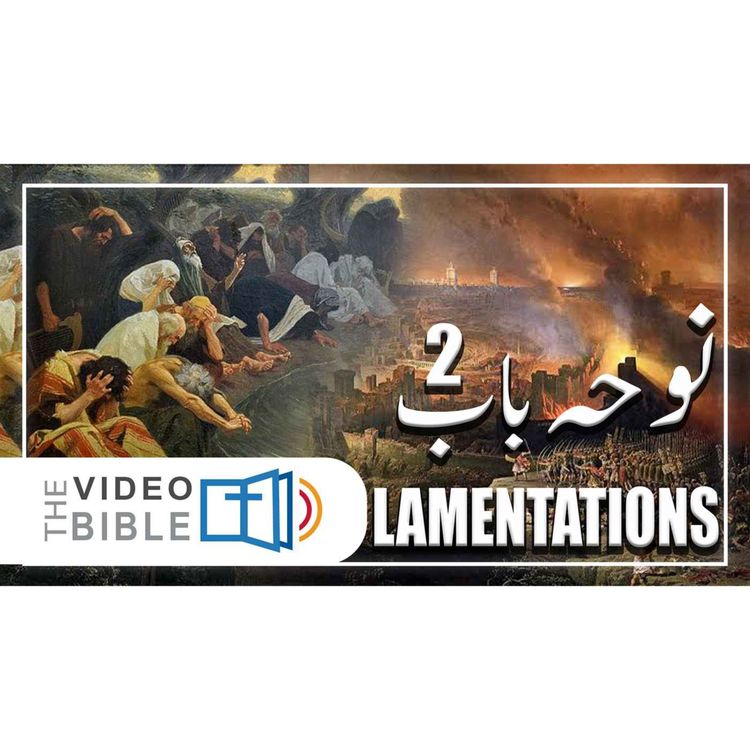
The Book of Lamentations is a poignant collection of poetic laments mourning the destruction of Jerusalem in 586 BC. Traditionally attributed to the prophet Jeremiah, this book captures the deep grief, sorrow, and desolation experienced by God’s people after the fall of the holy city and the temple. With raw honesty, it expresses the anguish of suffering, the consequences of sin, and the weight of divine judgment—yet also offers glimmers of hope rooted in God’s steadfast love and mercy.
Composed in a series of carefully structured poems, Lamentations portrays both the devastation of a nation and the personal agony of a grieving prophet. It reminds us that sin brings real and painful consequences, but even in the darkest seasons, God’s covenant faithfulness does not fail.
- The devastation of Jerusalem and the temple because of sin
- The anguish of exile, loss, and suffering
- Honest cries of pain and confession before God
- God’s justice in judgment against rebellion
- Glimpses of hope in God’s mercy, compassion, and faithfulness
- A call to repentance and turning back to God
- Trust in God’s enduring promises despite despair
At the heart of this sorrowful book shines one of Scripture’s most beautiful affirmations: “The steadfast love of the Lord never ceases; His mercies never come to an end; they are new every morning” (Lamentations 3:22–23).
The Book of Lamentations teaches us that even in seasons of deepest grief, we can bring our raw emotions before God, trust His compassion, and cling to the hope of His restoration through Jesus Christ.
More episodes
View all episodes
1. Matthew
04:36||Season 1, Ep. 1Introduction:The Gospel of Matthew, the first book of the New Testament, presents the life, teachings, death, and resurrection of Jesus Christ. It emphasizes Jesus' role as the Messiah, fulfilling Old Testament prophecies, and highlights his teachings on the Kingdom of Heaven. The book is structured around five major discourses, including the Sermon on the Mount, which outlines key moral teachings and principles such as the Beatitudes. Matthew also portrays Jesus as a new Moses, providing a new law and guidance to his followers, while also establishing the foundations for the Christian Church.Matthew's narrative includes Jesus' miraculous birth, his baptism by John the Baptist, and his public ministry characterized by healing, teaching, and performing miracles. The Gospel also details the events leading up to Jesus' crucifixion, his death, and his resurrection, underscoring the themes of sacrifice, redemption, and the promise of eternal life. Throughout the Gospel, Matthew focuses on Jesus' identity as the Son of God and his mission to save humanity, offering hope and guidance to believers.Main Points:Fulfillment of Old Testament PropheciesJesus as the MessiahGenealogy tracing Jesus to Abraham and DavidFrequent references to Old Testament propheciesTeachings and Miracles of JesusSermon on the Mount and moral teachingsParables illustrating the Kingdom of HeavenMiracles showcasing Jesus' divine authorityCrucifixion and ResurrectionEvents leading to Jesus' arrest and trialCrucifixion as the ultimate sacrifice for humanity's sinsResurrection and the Great Commission to spread the Gospelconclusion:The Gospel of Matthew concludes with the affirmation of Jesus Christ as the prophesied Messiah, whose life and teachings fulfill the promises of the Old Testament. Through his moral instructions, parables, and miracles, Jesus establishes a new covenant and offers a path to salvation. His crucifixion and resurrection are pivotal events that underscore the themes of sacrifice, redemption, and eternal life. In the final chapter, the Great Commission calls believers to spread the teachings of Jesus, emphasizing the ongoing mission of the Christian Church to share the message of hope and salvation with the world.
2. Matthew
04:29||Season 1, Ep. 2Introduction:The Gospel of Matthew, the first book of the New Testament, presents the life, teachings, death, and resurrection of Jesus Christ. It emphasizes Jesus' role as the Messiah, fulfilling Old Testament prophecies, and highlights his teachings on the Kingdom of Heaven. The book is structured around five major discourses, including the Sermon on the Mount, which outlines key moral teachings and principles such as the Beatitudes. Matthew also portrays Jesus as a new Moses, providing a new law and guidance to his followers, while also establishing the foundations for the Christian Church.Matthew's narrative includes Jesus' miraculous birth, his baptism by John the Baptist, and his public ministry characterized by healing, teaching, and performing miracles. The Gospel also details the events leading up to Jesus' crucifixion, his death, and his resurrection, underscoring the themes of sacrifice, redemption, and the promise of eternal life. Throughout the Gospel, Matthew focuses on Jesus' identity as the Son of God and his mission to save humanity, offering hope and guidance to believers.Main Points:Fulfillment of Old Testament PropheciesJesus as the MessiahGenealogy tracing Jesus to Abraham and DavidFrequent references to Old Testament propheciesTeachings and Miracles of JesusSermon on the Mount and moral teachingsParables illustrating the Kingdom of HeavenMiracles showcasing Jesus' divine authorityCrucifixion and ResurrectionEvents leading to Jesus' arrest and trialCrucifixion as the ultimate sacrifice for humanity's sinsResurrection and the Great Commission to spread the Gospelconclusion:The Gospel of Matthew concludes with the affirmation of Jesus Christ as the prophesied Messiah, whose life and teachings fulfill the promises of the Old Testament. Through his moral instructions, parables, and miracles, Jesus establishes a new covenant and offers a path to salvation. His crucifixion and resurrection are pivotal events that underscore the themes of sacrifice, redemption, and eternal life. In the final chapter, the Great Commission calls believers to spread the teachings of Jesus, emphasizing the ongoing mission of the Christian Church to share the message of hope and salvation with the world.
3. Matthew
03:12||Season 1, Ep. 3
4. Matthew
04:08||Season 1, Ep. 4Introduction:The Gospel of Matthew, the first book of the New Testament, presents the life, teachings, death, and resurrection of Jesus Christ. It emphasizes Jesus' role as the Messiah, fulfilling Old Testament prophecies, and highlights his teachings on the Kingdom of Heaven. The book is structured around five major discourses, including the Sermon on the Mount, which outlines key moral teachings and principles such as the Beatitudes. Matthew also portrays Jesus as a new Moses, providing a new law and guidance to his followers, while also establishing the foundations for the Christian Church.Matthew's narrative includes Jesus' miraculous birth, his baptism by John the Baptist, and his public ministry characterized by healing, teaching, and performing miracles. The Gospel also details the events leading up to Jesus' crucifixion, his death, and his resurrection, underscoring the themes of sacrifice, redemption, and the promise of eternal life. Throughout the Gospel, Matthew focuses on Jesus' identity as the Son of God and his mission to save humanity, offering hope and guidance to believers.Main Points:Fulfillment of Old Testament PropheciesJesus as the MessiahGenealogy tracing Jesus to Abraham and DavidFrequent references to Old Testament propheciesTeachings and Miracles of JesusSermon on the Mount and moral teachingsParables illustrating the Kingdom of HeavenMiracles showcasing Jesus' divine authorityCrucifixion and ResurrectionEvents leading to Jesus' arrest and trialCrucifixion as the ultimate sacrifice for humanity's sinsResurrection and the Great Commission to spread the Gospelconclusion:The Gospel of Matthew concludes with the affirmation of Jesus Christ as the prophesied Messiah, whose life and teachings fulfill the promises of the Old Testament. Through his moral instructions, parables, and miracles, Jesus establishes a new covenant and offers a path to salvation. His crucifixion and resurrection are pivotal events that underscore the themes of sacrifice, redemption, and eternal life. In the final chapter, the Great Commission calls believers to spread the teachings of Jesus, emphasizing the ongoing mission of the Christian Church to share the message of hope and salvation with the world.
5. Matthew
08:05||Season 1, Ep. 5Introduction:The Gospel of Matthew, the first book of the New Testament, presents the life, teachings, death, and resurrection of Jesus Christ. It emphasizes Jesus' role as the Messiah, fulfilling Old Testament prophecies, and highlights his teachings on the Kingdom of Heaven. The book is structured around five major discourses, including the Sermon on the Mount, which outlines key moral teachings and principles such as the Beatitudes. Matthew also portrays Jesus as a new Moses, providing a new law and guidance to his followers, while also establishing the foundations for the Christian Church.Matthew's narrative includes Jesus' miraculous birth, his baptism by John the Baptist, and his public ministry characterized by healing, teaching, and performing miracles. The Gospel also details the events leading up to Jesus' crucifixion, his death, and his resurrection, underscoring the themes of sacrifice, redemption, and the promise of eternal life. Throughout the Gospel, Matthew focuses on Jesus' identity as the Son of God and his mission to save humanity, offering hope and guidance to believers.Main Points:Fulfillment of Old Testament PropheciesJesus as the MessiahGenealogy tracing Jesus to Abraham and DavidFrequent references to Old Testament propheciesTeachings and Miracles of JesusSermon on the Mount and moral teachingsParables illustrating the Kingdom of HeavenMiracles showcasing Jesus' divine authorityCrucifixion and ResurrectionEvents leading to Jesus' arrest and trialCrucifixion as the ultimate sacrifice for humanity's sinsResurrection and the Great Commission to spread the Gospelconclusion:The Gospel of Matthew concludes with the affirmation of Jesus Christ as the prophesied Messiah, whose life and teachings fulfill the promises of the Old Testament. Through his moral instructions, parables, and miracles, Jesus establishes a new covenant and offers a path to salvation. His crucifixion and resurrection are pivotal events that underscore the themes of sacrifice, redemption, and eternal life. In the final chapter, the Great Commission calls believers to spread the teachings of Jesus, emphasizing the ongoing mission of the Christian Church to share the message of hope and salvation with the world.
6. Matthew
06:22||Season 1, Ep. 6Introduction:The Gospel of Matthew, the first book of the New Testament, presents the life, teachings, death, and resurrection of Jesus Christ. It emphasizes Jesus' role as the Messiah, fulfilling Old Testament prophecies, and highlights his teachings on the Kingdom of Heaven. The book is structured around five major discourses, including the Sermon on the Mount, which outlines key moral teachings and principles such as the Beatitudes. Matthew also portrays Jesus as a new Moses, providing a new law and guidance to his followers, while also establishing the foundations for the Christian Church.Matthew's narrative includes Jesus' miraculous birth, his baptism by John the Baptist, and his public ministry characterized by healing, teaching, and performing miracles. The Gospel also details the events leading up to Jesus' crucifixion, his death, and his resurrection, underscoring the themes of sacrifice, redemption, and the promise of eternal life. Throughout the Gospel, Matthew focuses on Jesus' identity as the Son of God and his mission to save humanity, offering hope and guidance to believers.Main Points:Fulfillment of Old Testament PropheciesJesus as the MessiahGenealogy tracing Jesus to Abraham and DavidFrequent references to Old Testament propheciesTeachings and Miracles of JesusSermon on the Mount and moral teachingsParables illustrating the Kingdom of HeavenMiracles showcasing Jesus' divine authorityCrucifixion and ResurrectionEvents leading to Jesus' arrest and trialCrucifixion as the ultimate sacrifice for humanity's sinsResurrection and the Great Commission to spread the Gospelconclusion:The Gospel of Matthew concludes with the affirmation of Jesus Christ as the prophesied Messiah, whose life and teachings fulfill the promises of the Old Testament. Through his moral instructions, parables, and miracles, Jesus establishes a new covenant and offers a path to salvation. His crucifixion and resurrection are pivotal events that underscore the themes of sacrifice, redemption, and eternal life. In the final chapter, the Great Commission calls believers to spread the teachings of Jesus, emphasizing the ongoing mission of the Christian Church to share the message of hope and salvation with the world.
7. Matthew
04:59||Season 1, Ep. 7Introduction:The Gospel of Matthew, the first book of the New Testament, presents the life, teachings, death, and resurrection of Jesus Christ. It emphasizes Jesus' role as the Messiah, fulfilling Old Testament prophecies, and highlights his teachings on the Kingdom of Heaven. The book is structured around five major discourses, including the Sermon on the Mount, which outlines key moral teachings and principles such as the Beatitudes. Matthew also portrays Jesus as a new Moses, providing a new law and guidance to his followers, while also establishing the foundations for the Christian Church.Matthew's narrative includes Jesus' miraculous birth, his baptism by John the Baptist, and his public ministry characterized by healing, teaching, and performing miracles. The Gospel also details the events leading up to Jesus' crucifixion, his death, and his resurrection, underscoring the themes of sacrifice, redemption, and the promise of eternal life. Throughout the Gospel, Matthew focuses on Jesus' identity as the Son of God and his mission to save humanity, offering hope and guidance to believers.Main Points:Fulfillment of Old Testament PropheciesJesus as the MessiahGenealogy tracing Jesus to Abraham and DavidFrequent references to Old Testament propheciesTeachings and Miracles of JesusSermon on the Mount and moral teachingsParables illustrating the Kingdom of HeavenMiracles showcasing Jesus' divine authorityCrucifixion and ResurrectionEvents leading to Jesus' arrest and trialCrucifixion as the ultimate sacrifice for humanity's sinsResurrection and the Great Commission to spread the Gospelconclusion:The Gospel of Matthew concludes with the affirmation of Jesus Christ as the prophesied Messiah, whose life and teachings fulfill the promises of the Old Testament. Through his moral instructions, parables, and miracles, Jesus establishes a new covenant and offers a path to salvation. His crucifixion and resurrection are pivotal events that underscore the themes of sacrifice, redemption, and eternal life. In the final chapter, the Great Commission calls believers to spread the teachings of Jesus, emphasizing the ongoing mission of the Christian Church to share the message of hope and salvation with the world.
8. Matthew
05:22||Season 1, Ep. 8Introduction:The Gospel of Matthew, the first book of the New Testament, presents the life, teachings, death, and resurrection of Jesus Christ. It emphasizes Jesus' role as the Messiah, fulfilling Old Testament prophecies, and highlights his teachings on the Kingdom of Heaven. The book is structured around five major discourses, including the Sermon on the Mount, which outlines key moral teachings and principles such as the Beatitudes. Matthew also portrays Jesus as a new Moses, providing a new law and guidance to his followers, while also establishing the foundations for the Christian Church.Matthew's narrative includes Jesus' miraculous birth, his baptism by John the Baptist, and his public ministry characterized by healing, teaching, and performing miracles. The Gospel also details the events leading up to Jesus' crucifixion, his death, and his resurrection, underscoring the themes of sacrifice, redemption, and the promise of eternal life. Throughout the Gospel, Matthew focuses on Jesus' identity as the Son of God and his mission to save humanity, offering hope and guidance to believers.Main Points:Fulfillment of Old Testament PropheciesJesus as the MessiahGenealogy tracing Jesus to Abraham and DavidFrequent references to Old Testament propheciesTeachings and Miracles of JesusSermon on the Mount and moral teachingsParables illustrating the Kingdom of HeavenMiracles showcasing Jesus' divine authorityCrucifixion and ResurrectionEvents leading to Jesus' arrest and trialCrucifixion as the ultimate sacrifice for humanity's sinsResurrection and the Great Commission to spread the Gospelconclusion:The Gospel of Matthew concludes with the affirmation of Jesus Christ as the prophesied Messiah, whose life and teachings fulfill the promises of the Old Testament. Through his moral instructions, parables, and miracles, Jesus establishes a new covenant and offers a path to salvation. His crucifixion and resurrection are pivotal events that underscore the themes of sacrifice, redemption, and eternal life. In the final chapter, the Great Commission calls believers to spread the teachings of Jesus, emphasizing the ongoing mission of the Christian Church to share the message of hope and salvation with the world.
9. Matthew
05:56||Season 1, Ep. 9Introduction:The Gospel of Matthew, the first book of the New Testament, presents the life, teachings, death, and resurrection of Jesus Christ. It emphasizes Jesus' role as the Messiah, fulfilling Old Testament prophecies, and highlights his teachings on the Kingdom of Heaven. The book is structured around five major discourses, including the Sermon on the Mount, which outlines key moral teachings and principles such as the Beatitudes. Matthew also portrays Jesus as a new Moses, providing a new law and guidance to his followers, while also establishing the foundations for the Christian Church.Matthew's narrative includes Jesus' miraculous birth, his baptism by John the Baptist, and his public ministry characterized by healing, teaching, and performing miracles. The Gospel also details the events leading up to Jesus' crucifixion, his death, and his resurrection, underscoring the themes of sacrifice, redemption, and the promise of eternal life. Throughout the Gospel, Matthew focuses on Jesus' identity as the Son of God and his mission to save humanity, offering hope and guidance to believers.Main Points:Fulfillment of Old Testament PropheciesJesus as the MessiahGenealogy tracing Jesus to Abraham and DavidFrequent references to Old Testament propheciesTeachings and Miracles of JesusSermon on the Mount and moral teachingsParables illustrating the Kingdom of HeavenMiracles showcasing Jesus' divine authorityCrucifixion and ResurrectionEvents leading to Jesus' arrest and trialCrucifixion as the ultimate sacrifice for humanity's sinsResurrection and the Great Commission to spread the Gospelconclusion:The Gospel of Matthew concludes with the affirmation of Jesus Christ as the prophesied Messiah, whose life and teachings fulfill the promises of the Old Testament. Through his moral instructions, parables, and miracles, Jesus establishes a new covenant and offers a path to salvation. His crucifixion and resurrection are pivotal events that underscore the themes of sacrifice, redemption, and eternal life. In the final chapter, the Great Commission calls believers to spread the teachings of Jesus, emphasizing the ongoing mission of the Christian Church to share the message of hope and salvation with the world.