Share
Audio Urdu Bible ( AgapeNow.TV)
Haggai
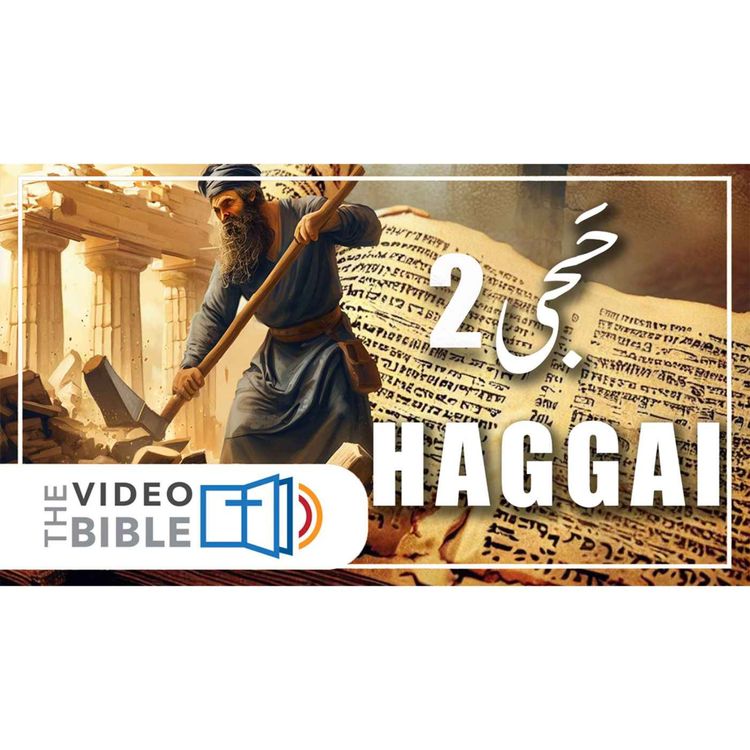
The Book of Haggai is a stirring prophetic message that calls God’s people to renew their commitment to Him and rebuild His house. Set in 520 BC, during the early years after the return from Babylonian exile, Haggai’s message came at a time when the people had grown discouraged and distracted, focusing on their own homes while neglecting the temple of the Lord.
Through Haggai, God reminds His people that true blessing and fulfillment come only when He is placed first. The rebuilding of the temple symbolized not just a physical structure, but the restoration of worship, obedience, and divine presence among His people. Though the new temple seemed small compared to the former one, God promised that its “glory would be greater than the former,” pointing to the coming of Christ—the ultimate dwelling of God among us.
- Putting God first and honoring His house
- Renewed faith and obedience after discouragement
- God’s presence as the true source of strength and peace
- The call to rebuild and restore what has been neglected
- God’s promise of future glory greater than the past
- Hope in the coming Messiah who fulfills God’s covenant
The Book of Haggai challenges believers to examine their priorities and renew their devotion to God’s work. It reminds us that when we seek first His kingdom, He restores, strengthens, and fills our lives with His glory. Through Haggai’s voice, we are called to rebuild—not just walls or temples—but hearts devoted fully to God.
More episodes
View all episodes
1. Matthew
04:36||Season 1, Ep. 1Introduction:The Gospel of Matthew, the first book of the New Testament, presents the life, teachings, death, and resurrection of Jesus Christ. It emphasizes Jesus' role as the Messiah, fulfilling Old Testament prophecies, and highlights his teachings on the Kingdom of Heaven. The book is structured around five major discourses, including the Sermon on the Mount, which outlines key moral teachings and principles such as the Beatitudes. Matthew also portrays Jesus as a new Moses, providing a new law and guidance to his followers, while also establishing the foundations for the Christian Church.Matthew's narrative includes Jesus' miraculous birth, his baptism by John the Baptist, and his public ministry characterized by healing, teaching, and performing miracles. The Gospel also details the events leading up to Jesus' crucifixion, his death, and his resurrection, underscoring the themes of sacrifice, redemption, and the promise of eternal life. Throughout the Gospel, Matthew focuses on Jesus' identity as the Son of God and his mission to save humanity, offering hope and guidance to believers.Main Points:Fulfillment of Old Testament PropheciesJesus as the MessiahGenealogy tracing Jesus to Abraham and DavidFrequent references to Old Testament propheciesTeachings and Miracles of JesusSermon on the Mount and moral teachingsParables illustrating the Kingdom of HeavenMiracles showcasing Jesus' divine authorityCrucifixion and ResurrectionEvents leading to Jesus' arrest and trialCrucifixion as the ultimate sacrifice for humanity's sinsResurrection and the Great Commission to spread the Gospelconclusion:The Gospel of Matthew concludes with the affirmation of Jesus Christ as the prophesied Messiah, whose life and teachings fulfill the promises of the Old Testament. Through his moral instructions, parables, and miracles, Jesus establishes a new covenant and offers a path to salvation. His crucifixion and resurrection are pivotal events that underscore the themes of sacrifice, redemption, and eternal life. In the final chapter, the Great Commission calls believers to spread the teachings of Jesus, emphasizing the ongoing mission of the Christian Church to share the message of hope and salvation with the world.
2. Matthew
04:29||Season 1, Ep. 2Introduction:The Gospel of Matthew, the first book of the New Testament, presents the life, teachings, death, and resurrection of Jesus Christ. It emphasizes Jesus' role as the Messiah, fulfilling Old Testament prophecies, and highlights his teachings on the Kingdom of Heaven. The book is structured around five major discourses, including the Sermon on the Mount, which outlines key moral teachings and principles such as the Beatitudes. Matthew also portrays Jesus as a new Moses, providing a new law and guidance to his followers, while also establishing the foundations for the Christian Church.Matthew's narrative includes Jesus' miraculous birth, his baptism by John the Baptist, and his public ministry characterized by healing, teaching, and performing miracles. The Gospel also details the events leading up to Jesus' crucifixion, his death, and his resurrection, underscoring the themes of sacrifice, redemption, and the promise of eternal life. Throughout the Gospel, Matthew focuses on Jesus' identity as the Son of God and his mission to save humanity, offering hope and guidance to believers.Main Points:Fulfillment of Old Testament PropheciesJesus as the MessiahGenealogy tracing Jesus to Abraham and DavidFrequent references to Old Testament propheciesTeachings and Miracles of JesusSermon on the Mount and moral teachingsParables illustrating the Kingdom of HeavenMiracles showcasing Jesus' divine authorityCrucifixion and ResurrectionEvents leading to Jesus' arrest and trialCrucifixion as the ultimate sacrifice for humanity's sinsResurrection and the Great Commission to spread the Gospelconclusion:The Gospel of Matthew concludes with the affirmation of Jesus Christ as the prophesied Messiah, whose life and teachings fulfill the promises of the Old Testament. Through his moral instructions, parables, and miracles, Jesus establishes a new covenant and offers a path to salvation. His crucifixion and resurrection are pivotal events that underscore the themes of sacrifice, redemption, and eternal life. In the final chapter, the Great Commission calls believers to spread the teachings of Jesus, emphasizing the ongoing mission of the Christian Church to share the message of hope and salvation with the world.
3. Matthew
03:12||Season 1, Ep. 3
4. Matthew
04:08||Season 1, Ep. 4Introduction:The Gospel of Matthew, the first book of the New Testament, presents the life, teachings, death, and resurrection of Jesus Christ. It emphasizes Jesus' role as the Messiah, fulfilling Old Testament prophecies, and highlights his teachings on the Kingdom of Heaven. The book is structured around five major discourses, including the Sermon on the Mount, which outlines key moral teachings and principles such as the Beatitudes. Matthew also portrays Jesus as a new Moses, providing a new law and guidance to his followers, while also establishing the foundations for the Christian Church.Matthew's narrative includes Jesus' miraculous birth, his baptism by John the Baptist, and his public ministry characterized by healing, teaching, and performing miracles. The Gospel also details the events leading up to Jesus' crucifixion, his death, and his resurrection, underscoring the themes of sacrifice, redemption, and the promise of eternal life. Throughout the Gospel, Matthew focuses on Jesus' identity as the Son of God and his mission to save humanity, offering hope and guidance to believers.Main Points:Fulfillment of Old Testament PropheciesJesus as the MessiahGenealogy tracing Jesus to Abraham and DavidFrequent references to Old Testament propheciesTeachings and Miracles of JesusSermon on the Mount and moral teachingsParables illustrating the Kingdom of HeavenMiracles showcasing Jesus' divine authorityCrucifixion and ResurrectionEvents leading to Jesus' arrest and trialCrucifixion as the ultimate sacrifice for humanity's sinsResurrection and the Great Commission to spread the Gospelconclusion:The Gospel of Matthew concludes with the affirmation of Jesus Christ as the prophesied Messiah, whose life and teachings fulfill the promises of the Old Testament. Through his moral instructions, parables, and miracles, Jesus establishes a new covenant and offers a path to salvation. His crucifixion and resurrection are pivotal events that underscore the themes of sacrifice, redemption, and eternal life. In the final chapter, the Great Commission calls believers to spread the teachings of Jesus, emphasizing the ongoing mission of the Christian Church to share the message of hope and salvation with the world.
5. Matthew
08:05||Season 1, Ep. 5Introduction:The Gospel of Matthew, the first book of the New Testament, presents the life, teachings, death, and resurrection of Jesus Christ. It emphasizes Jesus' role as the Messiah, fulfilling Old Testament prophecies, and highlights his teachings on the Kingdom of Heaven. The book is structured around five major discourses, including the Sermon on the Mount, which outlines key moral teachings and principles such as the Beatitudes. Matthew also portrays Jesus as a new Moses, providing a new law and guidance to his followers, while also establishing the foundations for the Christian Church.Matthew's narrative includes Jesus' miraculous birth, his baptism by John the Baptist, and his public ministry characterized by healing, teaching, and performing miracles. The Gospel also details the events leading up to Jesus' crucifixion, his death, and his resurrection, underscoring the themes of sacrifice, redemption, and the promise of eternal life. Throughout the Gospel, Matthew focuses on Jesus' identity as the Son of God and his mission to save humanity, offering hope and guidance to believers.Main Points:Fulfillment of Old Testament PropheciesJesus as the MessiahGenealogy tracing Jesus to Abraham and DavidFrequent references to Old Testament propheciesTeachings and Miracles of JesusSermon on the Mount and moral teachingsParables illustrating the Kingdom of HeavenMiracles showcasing Jesus' divine authorityCrucifixion and ResurrectionEvents leading to Jesus' arrest and trialCrucifixion as the ultimate sacrifice for humanity's sinsResurrection and the Great Commission to spread the Gospelconclusion:The Gospel of Matthew concludes with the affirmation of Jesus Christ as the prophesied Messiah, whose life and teachings fulfill the promises of the Old Testament. Through his moral instructions, parables, and miracles, Jesus establishes a new covenant and offers a path to salvation. His crucifixion and resurrection are pivotal events that underscore the themes of sacrifice, redemption, and eternal life. In the final chapter, the Great Commission calls believers to spread the teachings of Jesus, emphasizing the ongoing mission of the Christian Church to share the message of hope and salvation with the world.
6. Matthew
06:22||Season 1, Ep. 6Introduction:The Gospel of Matthew, the first book of the New Testament, presents the life, teachings, death, and resurrection of Jesus Christ. It emphasizes Jesus' role as the Messiah, fulfilling Old Testament prophecies, and highlights his teachings on the Kingdom of Heaven. The book is structured around five major discourses, including the Sermon on the Mount, which outlines key moral teachings and principles such as the Beatitudes. Matthew also portrays Jesus as a new Moses, providing a new law and guidance to his followers, while also establishing the foundations for the Christian Church.Matthew's narrative includes Jesus' miraculous birth, his baptism by John the Baptist, and his public ministry characterized by healing, teaching, and performing miracles. The Gospel also details the events leading up to Jesus' crucifixion, his death, and his resurrection, underscoring the themes of sacrifice, redemption, and the promise of eternal life. Throughout the Gospel, Matthew focuses on Jesus' identity as the Son of God and his mission to save humanity, offering hope and guidance to believers.Main Points:Fulfillment of Old Testament PropheciesJesus as the MessiahGenealogy tracing Jesus to Abraham and DavidFrequent references to Old Testament propheciesTeachings and Miracles of JesusSermon on the Mount and moral teachingsParables illustrating the Kingdom of HeavenMiracles showcasing Jesus' divine authorityCrucifixion and ResurrectionEvents leading to Jesus' arrest and trialCrucifixion as the ultimate sacrifice for humanity's sinsResurrection and the Great Commission to spread the Gospelconclusion:The Gospel of Matthew concludes with the affirmation of Jesus Christ as the prophesied Messiah, whose life and teachings fulfill the promises of the Old Testament. Through his moral instructions, parables, and miracles, Jesus establishes a new covenant and offers a path to salvation. His crucifixion and resurrection are pivotal events that underscore the themes of sacrifice, redemption, and eternal life. In the final chapter, the Great Commission calls believers to spread the teachings of Jesus, emphasizing the ongoing mission of the Christian Church to share the message of hope and salvation with the world.
7. Matthew
04:59||Season 1, Ep. 7Introduction:The Gospel of Matthew, the first book of the New Testament, presents the life, teachings, death, and resurrection of Jesus Christ. It emphasizes Jesus' role as the Messiah, fulfilling Old Testament prophecies, and highlights his teachings on the Kingdom of Heaven. The book is structured around five major discourses, including the Sermon on the Mount, which outlines key moral teachings and principles such as the Beatitudes. Matthew also portrays Jesus as a new Moses, providing a new law and guidance to his followers, while also establishing the foundations for the Christian Church.Matthew's narrative includes Jesus' miraculous birth, his baptism by John the Baptist, and his public ministry characterized by healing, teaching, and performing miracles. The Gospel also details the events leading up to Jesus' crucifixion, his death, and his resurrection, underscoring the themes of sacrifice, redemption, and the promise of eternal life. Throughout the Gospel, Matthew focuses on Jesus' identity as the Son of God and his mission to save humanity, offering hope and guidance to believers.Main Points:Fulfillment of Old Testament PropheciesJesus as the MessiahGenealogy tracing Jesus to Abraham and DavidFrequent references to Old Testament propheciesTeachings and Miracles of JesusSermon on the Mount and moral teachingsParables illustrating the Kingdom of HeavenMiracles showcasing Jesus' divine authorityCrucifixion and ResurrectionEvents leading to Jesus' arrest and trialCrucifixion as the ultimate sacrifice for humanity's sinsResurrection and the Great Commission to spread the Gospelconclusion:The Gospel of Matthew concludes with the affirmation of Jesus Christ as the prophesied Messiah, whose life and teachings fulfill the promises of the Old Testament. Through his moral instructions, parables, and miracles, Jesus establishes a new covenant and offers a path to salvation. His crucifixion and resurrection are pivotal events that underscore the themes of sacrifice, redemption, and eternal life. In the final chapter, the Great Commission calls believers to spread the teachings of Jesus, emphasizing the ongoing mission of the Christian Church to share the message of hope and salvation with the world.
8. Matthew
05:22||Season 1, Ep. 8Introduction:The Gospel of Matthew, the first book of the New Testament, presents the life, teachings, death, and resurrection of Jesus Christ. It emphasizes Jesus' role as the Messiah, fulfilling Old Testament prophecies, and highlights his teachings on the Kingdom of Heaven. The book is structured around five major discourses, including the Sermon on the Mount, which outlines key moral teachings and principles such as the Beatitudes. Matthew also portrays Jesus as a new Moses, providing a new law and guidance to his followers, while also establishing the foundations for the Christian Church.Matthew's narrative includes Jesus' miraculous birth, his baptism by John the Baptist, and his public ministry characterized by healing, teaching, and performing miracles. The Gospel also details the events leading up to Jesus' crucifixion, his death, and his resurrection, underscoring the themes of sacrifice, redemption, and the promise of eternal life. Throughout the Gospel, Matthew focuses on Jesus' identity as the Son of God and his mission to save humanity, offering hope and guidance to believers.Main Points:Fulfillment of Old Testament PropheciesJesus as the MessiahGenealogy tracing Jesus to Abraham and DavidFrequent references to Old Testament propheciesTeachings and Miracles of JesusSermon on the Mount and moral teachingsParables illustrating the Kingdom of HeavenMiracles showcasing Jesus' divine authorityCrucifixion and ResurrectionEvents leading to Jesus' arrest and trialCrucifixion as the ultimate sacrifice for humanity's sinsResurrection and the Great Commission to spread the Gospelconclusion:The Gospel of Matthew concludes with the affirmation of Jesus Christ as the prophesied Messiah, whose life and teachings fulfill the promises of the Old Testament. Through his moral instructions, parables, and miracles, Jesus establishes a new covenant and offers a path to salvation. His crucifixion and resurrection are pivotal events that underscore the themes of sacrifice, redemption, and eternal life. In the final chapter, the Great Commission calls believers to spread the teachings of Jesus, emphasizing the ongoing mission of the Christian Church to share the message of hope and salvation with the world.
9. Matthew
05:56||Season 1, Ep. 9Introduction:The Gospel of Matthew, the first book of the New Testament, presents the life, teachings, death, and resurrection of Jesus Christ. It emphasizes Jesus' role as the Messiah, fulfilling Old Testament prophecies, and highlights his teachings on the Kingdom of Heaven. The book is structured around five major discourses, including the Sermon on the Mount, which outlines key moral teachings and principles such as the Beatitudes. Matthew also portrays Jesus as a new Moses, providing a new law and guidance to his followers, while also establishing the foundations for the Christian Church.Matthew's narrative includes Jesus' miraculous birth, his baptism by John the Baptist, and his public ministry characterized by healing, teaching, and performing miracles. The Gospel also details the events leading up to Jesus' crucifixion, his death, and his resurrection, underscoring the themes of sacrifice, redemption, and the promise of eternal life. Throughout the Gospel, Matthew focuses on Jesus' identity as the Son of God and his mission to save humanity, offering hope and guidance to believers.Main Points:Fulfillment of Old Testament PropheciesJesus as the MessiahGenealogy tracing Jesus to Abraham and DavidFrequent references to Old Testament propheciesTeachings and Miracles of JesusSermon on the Mount and moral teachingsParables illustrating the Kingdom of HeavenMiracles showcasing Jesus' divine authorityCrucifixion and ResurrectionEvents leading to Jesus' arrest and trialCrucifixion as the ultimate sacrifice for humanity's sinsResurrection and the Great Commission to spread the Gospelconclusion:The Gospel of Matthew concludes with the affirmation of Jesus Christ as the prophesied Messiah, whose life and teachings fulfill the promises of the Old Testament. Through his moral instructions, parables, and miracles, Jesus establishes a new covenant and offers a path to salvation. His crucifixion and resurrection are pivotal events that underscore the themes of sacrifice, redemption, and eternal life. In the final chapter, the Great Commission calls believers to spread the teachings of Jesus, emphasizing the ongoing mission of the Christian Church to share the message of hope and salvation with the world.