Share
The Trail Less Traveled
African Studies with Dr. Paul Robinson
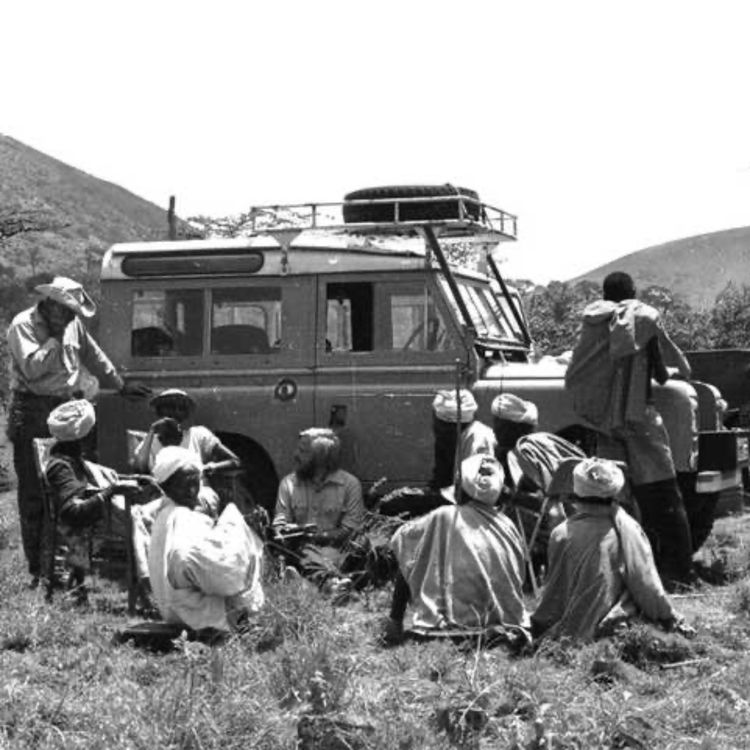
Neva Hassanein is a Professor of Environmental Studies at the University of Montana. For this episode, she interviews her mentor, friend and professor whom she studied with in East Africa.
Paul’s formative years were spent in the Belgian Congo—ay a time when most of Africa was the possession of one or another of Europe’s nations. For more than four decades, his life experiences were largely centered in Africa where he lived, worked, and together with his wife, Margie, raised three children. Then for 15 years, he directed a global service learning program at Wheaton College, where his Africa experience was been enlarged to include much of what is being called “The Majority World.”
His journey in scholarship really began at Northwestern University, where he studied history and was awarded a Fulbright to examine the vulnerability of African communities to protracted drought in the 1970s. His PhD research brought together archival investigation in the U.K. and Kenya, and living oral history from the deserts of the Kenya-Ethiopian frontier, where he spent considerable time walking desert paths and sitting under trees in conversation with Gabra sages, learning how they survived and flourished in one of Africa's harshest environments. This experience anchored his engagement with issues of cultural change and ‘development,’ as well as his commitment to learning from other cultures. For four decades, he shared that learning with college students through cross-cultural learning and service educational programs.
Paul’s scholarship and teaching have always been directly linked to praxis. He continues to work closely with international organizations, assisting with assessment of development initiatives. High points of this include working for two years with Kenyan communities, helping to facilitate integrative responses to the HIV/AIDS pandemic and the past 20 years involved in peace-building, reconciliation, and reconstruction in the Democratic Republic of the Congo through the Congo Initiative. He is passionate about emerging relational and partnership paradigms between North and South to effect changes that improve lives and care for the environment. He gives leadership on several international boards that address global challenges of hunger, poverty, and transformation.
Summing up Dr. Robinson’s teaching, he would say, “Until we begin to recognize how we look through others’ eyes, we will not ‘get it.’" We begin to see with new lenses first through encounter and then into engagement. Then from engagement to relationship. It is in relationship that we begin to find wholeness and well-being. As we find others, we begin to find our true selves.” Perhaps seeing ourselves ultimately as truly human. Paul is committed to understanding through exposure to, involvement with, and learning from other perspectives.
100% of financial support for this podcast and our educational outreach programs comes from Patreon donations. Please help keep the podcast ad free by visiting www.Patreon.com/TrailLessTraveled & seeing which donation tier suits your budget. We make $150/month as of June 2023... please help us reach our goal and thanks for considering!
More episodes
View all episodes
Paleontology, Dinosaur Art & Montana (Part 1 of 2)
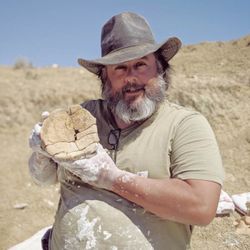
42:38|Jason C. Poole is an American paleontologist, fossil preparator, educator, and paleo-artist currently based in Missoula. Best known for blending scientific accuracy with artistic interpretation, Poole spent 27 years as the Manager of Dinosaur Hall and head fossil preparator at the Academy of Natural Sciences of Drexel University, where he helped prepare and study major dinosaur discoveries from around the world. Educated at the Antonelli Institute of Art and Photography, Poole developed a career that bridges science and visual storytelling. His paleoart and scientific illustrations have appeared in publications including National Geographic, museum collections, documentaries, and academic works. During his field career, he participated in excavations across North and South America, Africa, and Mongolia, and contributed work on dinosaurs new to science, including Paralititan, Dreadnoughtus, and Suuwassea. Today, Poole works with the Elevation Science Institute as a field expedition crew chief, fossil preparation specialist, and resident paleo-artist. Based in Missoula, Montana, he regularly teaches drawing, painting, and paleontology workshops through the Montana Natural History Center while preparing Jurassic dinosaur fossils collected in southern Montana. His public programs and artwork emphasize making prehistoric life accessible and engaging for broad audiences. Do yourself a favor and check out his art here: https://www.jasoncpoole.com/Show notes: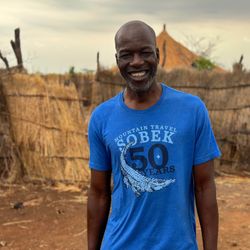
A Life on the Zambezi: From Porter to High Sider to River Guide
41:42|Kulu (Alec) Banda was born and raised in Livingstone, Zambia, near the mighty Zambezi River and Victoria Falls — known locally as Mosi-oa-Tunya, meaning “The Smoke That Thunders.” In 1981, he began working on the Zambezi as a porter, carrying heavy rafts and expedition gear in and out of the steep basalt gorge below the Falls — demanding work that required exceptional strength, endurance, and knowledge of the river.After proving himself as a porter, Kulu advanced to the role of “high sider,” a critical position on whitewater rafts where he paddled and moved his body weight to help stabilize the raft on the Zambezi's in order to prevent flips.In 1984, Kulu began his long and distinguished career as a professional river guide on the Zambezi River, one of the world’s premier whitewater destinations. He worked for Sobek, the legendary adventure company associated with the first commercial descents of the Zambezi River. Through Sobek, Kulu traveled to the United States, where he trained and guided on numerous rivers, expanding his technical expertise and becoming part of an international generation of elite river guides.oday, he continues to share his knowledge by mentoring young Zambezi river guides and helping preserve the culture and traditions of whitewater rafting on the river he has spent his life navigating. Kulu farms with his family in a village near Livingstone, remaining deeply connected to the land and community that shaped him.Show notes:00:02:13 - Building a Farm in Mkune Village00:04:47 - Growing Fruit Trees and Community Learning00:08:26 - Finding Peace Beyond Military Life00:10:12 - Letting Children Choose Their Own Path00:12:23 - Unity Beyond National Borders00:14:04 - Open Hearts on the Zambezi River00:15:37 - From Porter to River Guide on Zambezi00:17:27 - From High Sider to Rafting Guide00:19:41 - Learning to Guide on the Zambezi River00:23:43 - Traveling Changes Life More Than Wealth00:26:35 - Finding Freedom Through Travel and New Beginnings00:28:50 - Zambezi River Rapids and Whitewater Guide00:31:07 - Preserving the Zambezi River Against Dam Construction00:33:08 - Dam Impact on River Communities and Zambezi Geology00:35:27 - Experience the Zambezi River Now00:37:05 - From Rafting Guide to Conservation Advocate#Zambezi #ZambeziRiver #whitewater #whitewaterrafting #zambia #livingstonzambia #missoula #traillesstraveled #adventure #travel #travelpodcast #storytelling #whitewaterkayaking #africa #rafting #inspiration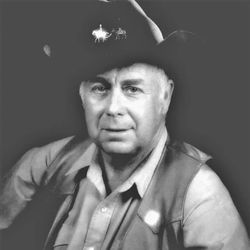
The Hush of the Land: Smoke Elser shares some of this favorite stories from the Bob Marshall Wilderness
41:00|Arnold “Smoke” Elser is a legendary wilderness outfitter, educator, and conservationist whose life’s work is deeply rooted in Montana’s Bob Marshall Wilderness. Since his first trip into the Bob in 1956, Elser has spent nearly seven decades guiding thousands of people—many of them first-time riders—through its rugged terrain, sharing not only the landscape but also his deep reverence for wild places.After graduating from the University of Montana in 1968 with a degree in range management and secondary education, Elser and his wife Thelma founded Bob Marshall Wilderness Outfitters. They built their business on a philosophy of “interpreting the land,” helping guests connect with the wilderness through storytelling, horsemanship, and a commitment to conservation. Elser has led over 700 trips into the Bob Marshall Wilderness and has spent more than 8,030 nights under its stars.Elser’s influence extends beyond guiding. He has taught horse and mule packing at the University of Montana since 1964, training over 30,000 students, including military personnel and federal land managers. He co-authored the textbook Packin’ In on Mules and Horses and is a certified “Master of No Trace” instructor with the National Outdoor Leadership School (NOLS).A passionate advocate for wilderness preservation, Elser played a key role in the creation of the Great Bear Wilderness in 1978 and testified in support of the 1964 Wilderness Act. His efforts have been recognized with numerous awards, including the University of Montana’s 2023 Distinguished Alumni Award and the Lifetime Conservation Achievement Award from The Conservation Roundtable.Elser’s stories and experiences are captured in the memoir Hush of the Land: A Lifetime in the Bob Marshall Wilderness, co-authored with Eva-Maria Maggi. The book offers a vivid account of his adventures and his enduring commitment to protecting Montana’s wildlands.Even in his 90s, Smoke Elser remains an active voice in wilderness education and conservation, embodying a lifetime dedicated to stewarding the Bob Marshall Wilderness. Show notes: 00:03:59 - Teaching Guests to Listen to Wilderness00:06:14 - Wilderness Education for Youth Away from Screens00:07:48 - Bringing Youth Back to the Wilderness00:10:02 - Starting Wilderness Camps for Kids00:11:43 - Montana Elders Teaching Youth Wilderness Skills00:13:08 - Teaching Wilderness Skills to Young Adults00:15:08 - Touring the Historic Barn and Saddle Collection00:16:53 - Historic Saddles and Branding Iron Collection00:19:44 - Caring for Retired Horses and Mules00:22:17 - Camping at the Airfield with Horses00:24:23 - Sleeping with Grizzlies in the Wilderness00:26:38 - Protecting the Wilderness Through Innovation00:29:16 - Gore-Tex Innovation and Leave No Trace Camping00:33:46 - Lightweight Camping and Leave No Trace Practices00:36:05 - Making Fire Pans and Horse Shoeing Tips00:37:35 - Biodiversity: Why Every Species Matters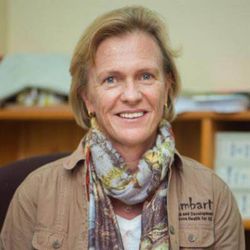
HIV and AIDS: Education, Treatment, and Stigma
46:00|Virginia (Ginny) Bond is an educator and public health researcher based in Zambia whose work focuses on HIV, stigma reduction, and community health. Trained as a social anthropologist, she collaborates with health programs and research organizations to better understand the social and cultural factors shaping HIV prevention, treatment, and care. Her work emphasizes community engagement, education, and participatory research methods that strengthen public health responses and empower people living with HIV. Through teaching, mentoring, and field research, she contributes to training the next generation of global health practitioners while helping develop strategies that address stigma and improve access to care. One scientific curiosity hides behind work like hers: viruses are biological, but epidemics are social phenomena. The virus spreads through bodies, yet stigma, poverty, gender inequality, and access to education often determine whether treatment actually reaches people. That is why community counselors and educators are as critical to the HIV response as laboratories and pharmaceuticals. Show notes: 00:03:40 - Childhood Memories Across Africa00:06:43 - From Minority Student to Anthropologist00:09:34 - A Close Friendship Lost to AIDS00:11:16 - HIV Origins and Early Community Counseling Work00:14:38 - HIV Transmission Routes and Biological Factors00:17:41 - HIV Immune System and Comorbidities in Africa00:20:25 - Home-Based Care During the AIDS Crisis00:23:43 - AIDS Stigma and Generational Trauma in Zambia00:27:03 - HIV Stigma and the Power of Openness00:30:34 - HIV Treatment Challenges and Social Stigma00:32:28 - Tackling HIV Stigma in Health Facilities00:37:41 - Northern Star Project: Global Stigma Reduction Initiative00:40:37 - Modern HIV Treatment and Ending Stigma00:42:40 - Protecting Backcountry Trails During Mud Season#travel#adventure#travelpodcast#adventurepodcast#podcasting#storytelling#inspiration#wanderlust#exploremore#travelstories#missoula#missoulamontana#montana#hivawareness#aidsawareness#endthestigma#globalhealth#publichealth#changetheworld#humansofearth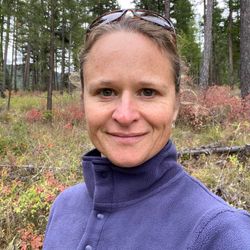
Stewardship and Phenology with Lisa Bickell
39:10|Lisa Bickell is an environmental educator and interpretive planner based in Missoula, Montana, and the current board chair of the Montana Natural History Center. She has been involved with the organization for more than 25 years and previously served as its Education Director, helping shape many of the programs that connect people of all ages to the natural world.Lisa holds a degree in Wildlife Biology from the University of Montana and a Master of Education from Western Washington University. Her career has focused on environmental education, interpretive planning, and helping communities engage more deeply with the landscapes around them.She is especially interested in Phenology, the study of seasonal changes in plants, animals, and ecosystems. Through field courses, community programs, and decades of observation, Lisa encourages people to slow down, pay attention, and notice how the rhythms of nature are shifting over time. Show notes: 00:02:37 - Childhood Adventures in Florida Woods00:04:46 - Childhood Nature Adventures Shape Career Path00:08:35 - From Environmental Education to Youth Programs00:10:32 - Visiting Naturalists School Year Program00:12:27 - Connecting Children with Nature Through Education00:15:33 - Montana Master Naturalist Program Overview00:18:13 - Noticing Nature's Seasonal Changes00:19:51 - Observing Fall Leaves Like a Naturalist00:22:04 - Mouse Tunnels Under Melting Snow00:24:03 - Montana's Mountain Valley at Sunset00:26:21 - Exploring Nature Through Art and Classes00:28:07 - Exploring Nature Through Art and Creativity00:31:18 - Montana's Fossil History and Ecosystems00:35:26 - Life Lessons: Leaving Well and Daily Walks#travel #adventure #montana #missoula #montananaturalhistorycenter #ecology #naturescience #phenology #travelpodcast #sciencepodcast #adventurepodcast #thetraillesstraveled #traillesstraveled #missoulamt #missoulamontana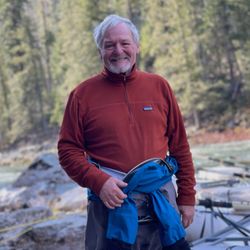
Selway River Adventures with Doug Proctor
34:11|Doug Proctor grew up just outside Cincinnati, Ohio, where his love for rivers was seeded early in life. As a boy he spent years canoeing with his family and through the Boy Scouts on class one rivers across southern Ohio, Indiana, and Kentucky. At the age of 12 he embarked on his first extended canoe trip—a two-week wilderness journey in Kentucky that helped shape his lifelong passion for river travel and backcountry adventure. In 1977 Proctor began his professional guiding career, leading whitewater rafting trips commercially on the New Riverand the Gauley River, two of the eastern United States’ premier whitewater destinations. Over the next 35 years he built extensive experience as an outfitter in West Virginia, guiding trips through challenging Class III and Class IV waters and cultivating deep skills in river stewardship, guest experience, and wilderness logistics. His love of rivers and adventure didn’t stop in Appalachia. His guiding has taken him to Grand Canyon, Alaska, Chile, Costa Rica, Idaho, and numerous rivers in both the eastern and western United States. These experiences helped refine his craft as a guide renowned for both technical competence and a commitment to sharing wild rivers with thoughtful guests. Today Proctor is co-owner of Selway River Adventures, a wilderness rafting outfitter based in Stanley, Idaho. With his partners he operates under one of the extremely limited commercial permits on the Selway River, a nationally designated Wild and Scenic river flowing through the Selway-Bitterroot Wilderness. Trips are typically five to six days long, weaving technical whitewater with solitude and natural beauty few river runners ever get to experience. Proctor now lives in Stanley with his wife Cathy and their dogs, drawn to Idaho by the remarkable concentration of great rivers in the region. Guiding river trips for over 40 years, he views sharing his experience with guests and friends as not just a profession but a deep passion—one rooted in the rhythms of wild water and the stories those rivers tell. Show notes: 00:03:51 - The Selway River: Permit System and Access00:05:56 - From Boy Scouts to River Guide Entrepreneur00:07:56 - Class 6 Rafting Company Origin Story00:09:59 - Selway River: Protected Wilderness and Rafting History00:12:24 - Early Spring Wildlife and River Adventure00:15:41 - Protecting Rivers and Wilderness Areas00:17:56 - Selway River Adventures Trip Overview00:19:38 - First-Time River Trips Need Only Willingness00:21:41 - Wildlife Abundance on the Selway River00:24:23 - Salmon Extinction Crisis and Dam Removal Solutions00:26:27 - Selway Lodge History and River Adventures00:28:21 - Epic River Adventures in Alaska and Beyond00:30:19 - Doug's Eighth Grade Singing Trauma00:31:53 - Three Pieces of Life Advice and Conservation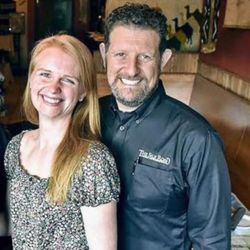
A Culinary Journey Across Continents: The Silk Road Catering & Spice
40:16|Sam and Elise Risho are the culinary heart and soul behind The Silk Road Catering & Spice in Missoula, Montana. Their story is rooted in decades of family food tradition and a passion for global flavors. Sam grew up in a restaurant family, learning the love of food and hospitality from his father and brother through years of working in local eateries and mastering fine-dining service and kitchen craft. In 2009 Sam and his brother, along with Elise, opened The Silk Road Restaurant to bring a tapas-style global tasting experience to the community. The restaurant’s success eventually blossomed into a thriving catering business and an artisanal spice line inspired by world cuisines. Elise plays a central role in running the business and shaping its creative vision as co-owner alongside Sam. Today they focus on crafting memorable menus for weddings and special events and sharing unique spice blends that reflect their commitment to exceptional hospitality and globally inspired cuisine.Show notes:00:03:49 - From Sheltered to Adventure: Building Community00:06:05 - Growing Up in a House of Hospitality00:07:53 - Adventures Before Kids Around the World00:10:03 - Custom Tailoring in Shanghai's French District00:12:13 - From Restaurant to Catering Adventures Across Montana00:14:11 - The Silk Road Inspired Spice Blends00:17:23 - From Spice Bags to Store Shelves00:20:54 - Finding Your Favorite Spice Blend00:23:04 - Adding Sour and Shopping Local00:25:46 - Community Spirit in Missoula, Montana00:28:30 - Hiking Adventures with Kids in Missoula00:30:49 - Keeping Missoula Weird Through Diversity00:32:56 - Embrace Slow Travel and Community Connection00:35:06 - Parenting Advice: Encourage Kids to Try New Things00:37:39 - Clark Fork River and The Wellerman Song
Missoula Spotlight: Aimee McQuilkin, Shane Clouse and Dave Stromeyer
01:05:08|Aimee McQuilkin is a Missoula entrepreneur and community builder, best known as the owner of Betty’s Divine and the Clark Fork Yacht Club. Through these beloved businesses, she has helped shape Missoula’s social and cultural fabric by creating welcoming spaces rooted in style, hospitality, and connection. Aimee’s work reflects a deep commitment to local economy, creativity, and gathering people together in meaningful ways.Shane Clouse is a Missoula musician and songwriter whose work blends Americana, folk, and roots traditions with thoughtful storytelling. His music is shaped by Montana landscapes and lived experience, carrying a quiet honesty that resonates both on stage and in more intimate listening spaces. Shane is a steady presence in the local music community, known for craft, collaboration, and authenticity.Dave Stromeyer is a Missoula County Commissioner focused on infrastructure, public service, and long term regional planning. He is currently working on a passenger railroad project aimed at improving transportation options and connectivity in western Montana. Dave’s work reflects a practical, forward looking approach to governance with an emphasis on public benefit, economic resilience, and sustainable mobility.Show notes:00:03:44 - 1983 Rabbit and Missoula Roots00:05:53 - Opening Betty's Divine While Pregnant00:09:34 - Building Community Through Shared Experiences00:11:56 - Community Heart and Entrepreneurial Joy00:13:23 - Homeownership Enables Community Business Growth00:15:39 - How Desmond the Mannequin Found Home00:18:12 - The Governor of the Hip Strip00:23:37 - Missoula's Deep History and Indigenous Stewardship00:27:39 - Gateway to the Rocky Mountains and Home00:32:15 - Stewardship and Restoring Passenger Rail00:38:12 - Keeping Missoula Special Through Community Involvement00:41:16 - Montana's State Song and Pink Grizzly Greenhouse00:44:10 - From Farm to Pink Grizzly Business00:46:39 - From Lumber Mills to Community Music00:50:32 - Historic Irrigation Ditch Sustains Missoula Community00:53:56 - Hunting and Fishing Fund Conservation00:58:58 - Montana Matters: A Song of Unity
Defending Wildlife as Public Trust: Frank Szollosi of the Montana Wildlife Federation
37:56|Frank Szollosi is the Executive Director of the Montana Wildlife Federation, the state’s oldest and largest wildlife conservation organization focused on protecting wildlife habitat, public lands access, and science-based natural resource policy in Montana. He took on this leadership role in June 2020 after a long career with the National Wildlife Federation, where he worked for over a decade on climate and water policy at the Great Lakes Regional Center and on national campaigns that defended public lands, advanced the Land and Water Conservation Fund, and connected people with wildlife. At MWF, Szollosi collaborates with state agencies including Montana Fish, Wildlife and Parks, tribal governments, landowners, businesses, and conservation partners to advance policies that sustain healthy wildlife populations and accessible wild places. He holds an undergraduate degree from the University of Utah and graduate degrees from the University of Michigan, and he brings extensive experience in government, including work as both a staffer and local elected official. Outside of his professional work, Szollosi is an avid outdoorsperson who has spent more than 25 years fly fishing and participates enthusiastically in annual hunts with friends and colleagues. He lives in Montana with his wife and four children and enjoys kayaking, downhill skiing, and backpacking. JOIN THE MONTANA WILDLIFE FEDERATION FOR ONLY $40/YEAR --> www.MontanaWildlife.orgShow notes:00:02:54 - Growing Up in Toledo, Ohio00:05:29 - Leading Montana Wildlife Federation00:08:26 - Finding Balance in Wildlife Conservation00:10:14 - Montana Wildlife Federation's Origins and Conservation History00:15:45 - Hunter-Funded Conservation: Montana's Legacy00:19:53 - Climate Change and Wildlife Conservation in Montana00:24:09 - Defending Public Lands Through Community Action00:26:17 - Montana Wildlife Federation's Advocacy Tools00:29:05 - Protecting Public Lands from Corporate Development00:31:30 - Montana Wildlife Federation Membership Benefits00:33:55 - Understanding Differences and Conservation Leadership