Share
The Slow Newscast
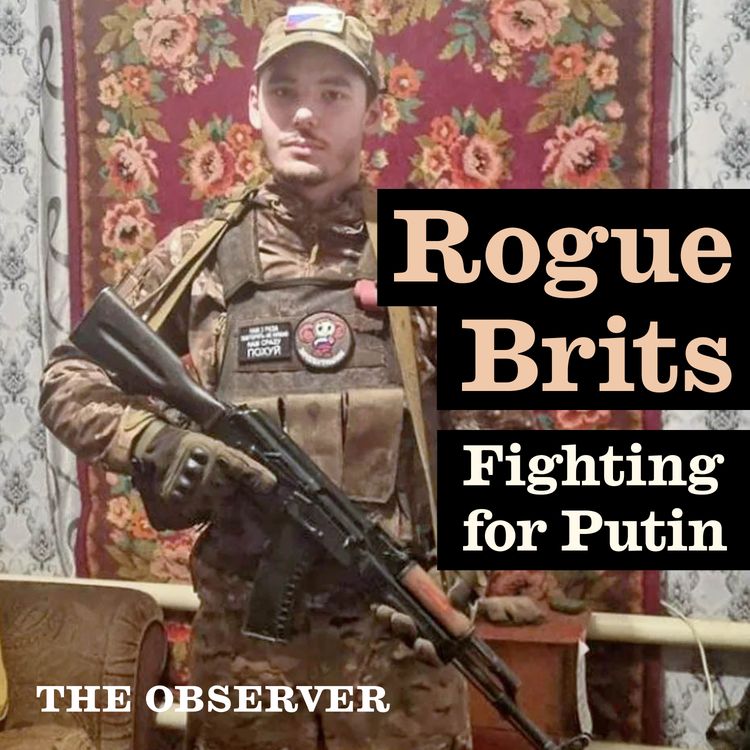
Rogue Brits: Fighting for Putin
Season 1, Ep. 382
•
Jay Fraser was born and raised in Dunblane. Then, after the invasion of Ukraine in 2022, he signed up to fight...for Russia, not Ukraine. Now he and others who have followed similar paths tell their story of how they ended up on the frontline for Putin.
Reporter: Francisco Garcia
Producers: Gary Marshall and Matt Russell
Artwork: Lucy Stevenson
Sound design: Dominic Delargy
Editor: Jasper Corbett
More episodes
View all episodes
451. Bones and all: the trade in human remains
31:37||Season 1, Ep. 451Britain’s cultural institutions are wrestling with what to do with the human remains in their collections. But as they reckon with the ethical ramifications the sale of body parts remains largely unregulated. Who are the people selling? And why is it easier than ever to buy human remains?Reporter: Evan MoffittProducer: Ada BaruméSound design: Dominic DelargyArtwork: Blythe Walker SibthorpExec producer: Matt RussellEditor: Jasper Corbett
448. The Fixer: The life of Len McCluskey | Ep 2
27:28||Season 1, Ep. 448The former Unite boss says the police investigation into alleged corruption during his tenure will clear his name after years of accusations. But whether it can erase this dark episode in British trade unionism is another matter. So will the reputation of someone who was one of the UK's most influential power brokers stand the test of time?
447. The Fixer: The life of Len McCluskey | Ep 1
24:00||Season 1, Ep. 447The former Unite boss says the police investigation into alleged corruption during his tenure will clear his name after years of accusations. But whether it can erase this dark episode in British trade unionism is another matter. So will the reputation of someone who was one of the UK's most influential power brokers stand the test of time?
446. The rivalry that spawned the weight-loss jab race
33:13||Season 1, Ep. 446James Tapper, The Observer's Science editor and a weight-loss jab user, tells the story of his journey using the weight-loss drugs. A journey that along with lost kilograms, led him to the godfather of these drugs: a man who discovered the hormone that led to the development of GLP-1s and who reveals his concerns about their widespread use.
445. Duped and deployed: the Kenyans fighting for Russia
43:26||Season 1, Ep. 445Kenyan men are leaving their country for work – and ending up on the frontlines of Russia’s war in Ukraine. This is the story of the recruiters, the promises and the poverty that keeps the pipeline moving.
444. How I fell in love with a Russian spy
24:57||Season 1, Ep. 444Stephanie Arcanjo spent three years building a life with her boyfriend, Eric. One day he vanished, and the police came knocking. Only then would she learn his true identity, and that their life together was a lie. Basia Cummings speaks to Sao Paolo based reporter Oliver Basciano about Stephanie and hears her side of the story. Oliver Basciano's reporting can be found at https://observer.co.uk/contributor/oliver-basciano
443. Careless
43:49||Season 1, Ep. 443Nkechi Simms is a successful actor who’s had parts in Top Boy and BBC comedy PRU. Outwardly life is good and at 26 she’s got everything going for her. But this hasn’t always been the case. When she was 12 Nkechi’s mother handed her over to Camden Council and she was placed in foster care. Now she wants to find out what happened to her and why. The only way she can do this is by getting hold of her care records. But that’s easier said than done. And will those records answer her questions? Careless is a 4 part original series from Tortoise Investigates and The Observer.To binge listen to all episodes today, ad-free, subscribe to The Observer.Or subscribe to Observer+ on Apple Podcasts or Spotify to listen to all our podcasts, including this one, without any ads.Reported by Ashley John-Baptiste and Madeleine ParrProduced and written by Madeleine ParrSound design by Simon Panayi Artwork by Jon Hill The editor is Jasper Corbett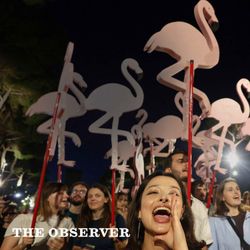
442. How Ivanka Trump enraged all of Albania
22:21||Season 1, Ep. 442What links a rare breed of flamingo and government corruption? In Albania, plans to redevelop Sazan, the country's biggest island, and disrupt the wildlife that lives there, caused protests. When it emerged that it was Donald Trump's daughter Ivanka who was behind the development, the protests became about not just than just wildlife, but about the way the country is run. Andrew Anthony visited the country to find out more.Host: Basia CummingsReporter: Andrew AnthonyProducer: Poppy BullardExecutive Producer: Matt Russell
441. The trials of Ben Stokes
32:13||Season 1, Ep. 441In Ben Stokes, England cricket created a star....and quickly lost control of that star. This is the story of how a maverick genius built and broke the team he created.