Share
The Something to Say Podcast
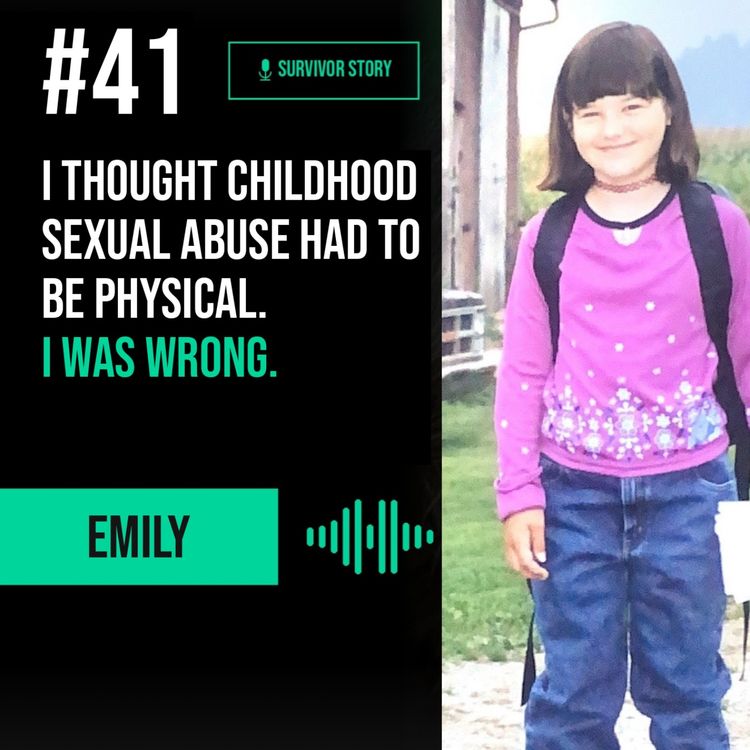
I Thought Childhood Sexual Abuse Had to Be Physical. I Was Wrong.
Content warning: This video contains themes of sexual abuse. If you think it may be triggering for you please take care when listening. The thoughts and opinions expressed by our contributors are not necessarily those held by Something to Say.
For many people, childhood sexual abuse is only recognised when it involves physical contact. But abuse can take many forms, and the impact of non-physical sexual abuse is often overlooked.
In this episode, we hear one survivor explain why they choose to speak publicly about their experiences of non-physical childhood sexual abuse. They reflect on the silence that followed the abuse, the shame they were taught to feel, and how finding the language to describe what happened became an important part of understanding their own experiences.
The conversation explores forms of abuse that many people have never been taught to recognise, including chronic sexualisation, sexual harassment, and coercive behaviour within the family. It also highlights how broadening our understanding of childhood sexual abuse helps survivors feel seen and helps others recognise that abuse doesn't always fit the narrow definitions many of us grew up with.
This is an honest conversation about the importance of being believed, the value of community, and why creating space for these discussions matters. Not because anyone should feel they have to share their story, but because understanding the full reality of childhood sexual abuse helps protect children and reminds survivors that they are not alone.
If this conversation gave you a new perspective, consider sharing it with someone else. Every conversation that helps people better understand childhood sexual abuse moves us closer to a world where children are safer.
Subscribe to Something to Say for more conversations, lived experiences, and educational content that challenges misconceptions, builds understanding, and helps break the silence around childhood sexual abuse. 💚
Emily is the founder of the @LeftoversFromTherapy channel and is a therapy client with CPTSD, autism & ADHD, who is bravely sharing her healing journey and findings along the way.
To contact Emily across most social media platforms:
https://linktr.ee/leftoversfromtherapy
If this conversation resonated with you, please like, comment, and subscribe to help raise awareness and support more survivors speaking out. You van also join our YouTube or Patreon Memberships for extra content and early access:
https://www.patreon.com/c/SomethingtoSay
YouTube membership: https://www.youtube.com/@SomethingtoSayofficial/membership
To follow us on social media:
Instagram: https://www.instagram.com/somethingtosayofficial
Facebook: https://www.facebook.com/somethingtosayofficial1
Linkedin: https://www.linkedin.com/company/something-to-say1
TikTok: https://www.tiktok.com/@somethingtosayofficial
This podcast provides a platform for contributors to share their own lived experiences. Unless expressly stated otherwise, Something to Say has not independently verified the factual accuracy of statements made by contributors and does not endorse or adopt any allegations, assertions, opinions or conclusions expressed in this recording.
This podcast provides a platform for contributors to share their own lived experiences. Unless expressly stated otherwise, Something to Say has not independently verified the factual accuracy of statements made by contributors and does not endorse or adopt any allegations, assertions, opinions or conclusions expressed in this podcast.
More episodes
View all episodes
39. Raised in the Shadow of Violence
13:35||Ep. 39EXCLUSIVELY FOR WORLD SUICIDE PREVENTION DAYFor years, conversations around childhood trauma have rightly focused on CSA awareness, but there’s another form of abuse that often goes unseen: children witnessing domestic violence inside their own homes.In this video, Luke shares the impact of growing up in an environment shaped by fear, violence, and silence. As a neurodivergent child, he witnessed his mother being beaten by his birth father behind closed doors while the outside world saw nothing unusual. To neighbours, friends, and even professionals, his father appeared calm, respectable, and unsuspecting.Luke also speaks about the deep sense of betrayal he felt from local services that failed to protect his family when help was needed most. The abuse may not have always been directed at him physically, but witnessing it left lasting psychological scars that followed him into adulthood.For decades, Luke buried what he had seen. The anxiety, emotional struggles, and mental health difficulties stayed with him throughout his life, but he never fully spoke about the trauma, until his mid-30s, when he finally began therapy. His therapist became the first person he had ever told the full truth to.This story is a reminder that children do not have to be physically assaulted to be deeply harmed by abuse. Witnessing domestic violence can shape a child’s nervous system, self-worth, relationships, and mental health for years to come.If this video resonates with you, or if you grew up around domestic abuse, know that your experiences matter and deserve to be acknowledged.To contact Luke: http://www.linkedin.com/in/luke-appleyard-140284293Join our YouTube or Patreon Memberships for extra content and early access:Patreon: https://www.patreon.com/c/SomethingtoSayYouTube membership: https://www.youtube.com/@SomethingtoSayofficialTo follow us on social media:Instagram: https://www.instagram.com/somethingtosayofficialFacebook: https://www.facebook.com/somethingtosayofficial1Linkedin: https://www.linkedin.com/company/something-to-say1TikTok: https://www.tiktok.com/@somethingtosayofficialThis podcast provides a platform for contributors to share their own lived experiences. Unless expressly stated otherwise, Something to Say has not independently verified the factual accuracy of statements made by contributors and does not endorse or adopt any allegations, assertions, opinions or conclusions expressed in this recording.
45. Forced Marriage at 16
12:38||Ep. 45Honour-based abuse isn't only about the extreme cases we hear about in the media. It can also involve controlling where someone goes, who they see, whether they can work or study, who they marry, and whether they're allowed to make decisions about their own life.In this deeply personal video, Arzia shares her experience of growing up in a family where control, physical abuse, forced marriage and isolation were part of everyday life.Arzia speaks about being one of seven siblings, being prevented from pursuing education and work, and being forced into marriage at 16. She describes being taken to Bangladesh against her wishes, having her passport taken, and being prevented from returning home.She also reflects on what it was like to speak about the abuse and not be believed, including being told that she was imagining or exaggerating what had happened.Her story highlights how abuse can remain hidden when people outside the home see only a carefully maintained image of a respectable family.This is a difficult story, but it's an important conversation about honour-based abuse, coercive control, child abuse, forced marriage, and the ways silence and disbelief can allow harm to continue. 💚To contact Arzia:Youtube: https://youtube.com/@arziaabbasi1121Instagram: https://www.instagram.com/arzia786Facebook: https://www.facebook.com/share/g/1CDrkXMCv3/Linked In: https://www.linkedin.com/in/🔥arzia-abbasi-23187164Join our YouTube or Patreon Memberships for extra content and early access: https://www.patreon.com/c/SomethingtoSayYouTube membership: https://www.youtube.com/@SomethingtoSayofficial/membershipTo follow us on social media: Instagram: https://www.instagram.com/somethingtosayofficialFacebook: https://www.facebook.com/somethingtosayofficial1Linkedin: https://www.linkedin.com/company/something-to-say1TikTok: https://www.tiktok.com/@somethingtosayofficialThis podcast provides a platform for contributors to share their own lived experiences. Unless expressly stated otherwise, Something to Say has not independently verified the factual accuracy of statements made by contributors and does not endorse or adopt any allegations, assertions, opinions or conclusions expressed in this podcast.
44. I Was 13. She Was 18. Everyone Knew. Nobody Stopped It.
19:44||Ep. 44At just 13 years old, Oli entered a relationship with an 18-year-old woman, a relationship that was known by friends, family, and teachers but never stopped. In this honest reflection, he explores how childhood sexual abuse can be misunderstood, particularly when the victim is male.He discusses how his partner was also a victim of severe abuse, how previous experiences of online grooming and sexual assault shaped his understanding of relationships, and how the abuse affected his perception of consent, sexuality, and healthy boundaries for years.Oli also reflects on the lasting impact of early internet exploitation, why many male survivors fail to recognise what happened to them until adulthood, and how these experiences have made him determined to protect his own daughter and raise awareness of child sexual abuse and online safety.To contact Oli:Website: https://www.olidnejad.comSubstack: https://drolidelgaramnejad.substack.comMedium: https://medium.com/@c0gn8pgrYouTube: https://www.youtube.com/@InsideschizophreniahreniaJoin our YouTube or Patreon Memberships for extra content and early access: https://www.patreon.com/c/SomethingtoSayYouTube membership: / @somethingtosayofficialTo follow us on social media:Instagram: https://www.instagram.com/somethingtosayofficialFacebook: https://www.facebook.com/somethingtosayofficial1Linkedin: https://www.linkedin.com/company/something-to-say1TikTok: https://www.tiktok.com/@somethingtosayofficialThis podcast provides a platform for contributors to share their own lived experiences. Unless expressly stated otherwise, Something to Say has not independently verified the factual accuracy of statements made by contributors and does not endorse or adopt any allegations, assertions, opinions or conclusions expressed in this recording.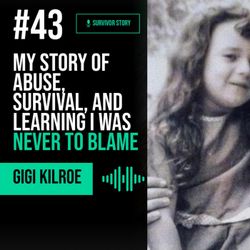
43. My Story of Abuse, Survival, and Learning I Was Never to Blame
19:12||Ep. 43Gigi Kilroe shares her journey through profound loss, abuse, and recovery.After losing her mother at five, she developed unhealthy coping mechanisms that followed her into adulthood. She speaks openly about surviving domestic abuse and two sexual assaults, the lasting impact trauma had on her relationships, self-worth, and boundaries, and how years of suppressed memories eventually resurfaced through a powerful flashback.The interview also explores the life-changing role of trauma-informed therapy and ends with Gigi revealing disturbing interactions with her half-brother that previously unrecognised childhood sexual abuse. Her story is a powerful reminder that healing is possible, even after decades of silence.To contact Gigi: Instagram and Threads - @gk797979Join our YouTube or Patreon Memberships for extra content and early access:https://www.patreon.com/c/SomethingtoSayYouTube membership: / @somethingtosayofficialTo follow us on social media:Instagram: https://www.instagram.com/somethingtosayofficialFacebook: https://www.facebook.com/somethingtosayofficial1Linkedin: https://www.linkedin.com/company/something-to-say1TikTok: https://www.tiktok.com/@somethingtosayofficialThis podcast provides a platform for contributors to share their own lived experiences. Unless expressly stated otherwise, Something to Say has not independently verified the factual accuracy of statements made by contributors and does not endorse or adopt any allegations, assertions, opinions or conclusions expressed in this recording.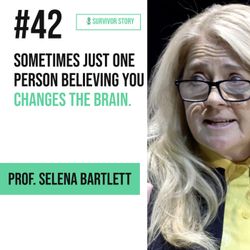
42. Sometimes Just One Person Believing You Changes The Brain.
43:58||Ep. 42Content warning: This video contains themes of sexual abuse. If you think it may be triggering for you please take care when listening. The thoughts and opinions expressed by our contributors are not necessarily those held by Something to Say. The thoughts and opinions expressed by Professor Selena Bartlett are her own and do not necessarily reflect the views of any institutions or organisations with which she is affiliated.In this interview, neuroscientist Professor Selena Bartlett explains how child sexual abuse (CSA) can affect brain development, leading to challenges such as anxiety, dissociation, relationship difficulties, and shame later in life.She emphasizes that these responses are survival mechanisms rather than signs of weakness or damage. Bartlett discusses how trauma can influence memory, identity, and emotional wellbeing, while highlighting the role of neuroplasticity in recovery.Her key message is that healing is possible through safety, supportive relationships, therapy, and community, and that breaking the silence around abuse is essential for both individual and societal change.To contact Professor Selena Bartlett:Website: https://www.profselenabartlett.comYouTube: https://www.youtube.com/@professorselenabartlett/Threads: https://www.threads.com/@prof_selena_bartlettInstagram: @prof_selena_bartlettJoin our YouTube or Patreon Memberships for extra content and early access:Patreon: / somethingtosayYouTube membership: / @somethingtosayofficialTo follow us on social media:Instagram: https://www.instagram.com/somethingtosayofficialFacebook: https://www.facebook.com/somethingtosayofficial1Linkedin: https://www.linkedin.com/company/something-to-say1TikTok: https://www.tiktok.com/@somethingtosayofficialThis podcast provides a platform for contributors to share their own lived experiences. Unless expressly stated otherwise, Something to Say has not independently verified the factual accuracy of statements made by contributors and does not endorse or adopt any allegations, assertions, opinions or conclusions expressed in this recording.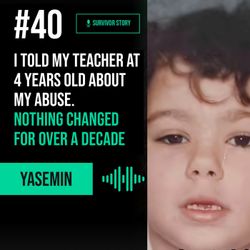
40. I Told My Teacher at 4 Years Old About My Abuse. Nothing Changed for Over a Decade
19:00||Ep. 40Content warning: This video contains themes of sexual abuse. If you think it may be triggering for you please take care when listening. The thoughts and opinions expressed by our contributors are not necessarily those held by Something to Say.Yasemin was just four years old when the childhood sexual abuse began.What started as grooming by someone she trusted continued for more than a decade, hidden in plain sight while those around her remained unaware.In this powerful conversation, Yasemin shares how an early disclosure was misunderstood, allowing the abuse to continue until she was 17. She reflects on the devastating impact of being groomed by a family member, the courage it took to confront her abuser, and the long road through the criminal justice system that ultimately led to his conviction.Yasemin also speaks openly about the lifelong effects of childhood sexual abuse, including trauma, hypervigilance, anxiety, and the challenges survivors often face long after the abuse has ended. Her story highlights the importance of believing children, recognising the signs of abuse, and ensuring that every disclosure is taken seriously.Today, Yasemin uses her voice to help others feel less alone and to encourage more open conversations about childhood sexual abuse. She believes education, awareness, and breaking the silence are essential if we want to better protect children and support survivors.At Something to Say, we believe every survivor's story has the power to educate, challenge misconceptions, and inspire change. By listening, learning, and sharing these conversations, we can help create a safer future for children.If this episode resonated with you, please consider sharing it. Every conversation helps raise awareness of childhood sexual abuse and encourages more people to recognise the signs, believe survivors, and protect children.Subscribe to Something to Say for more survivor stories, expert insights, and conversations dedicated to preventing childhood sexual abuse and supporting those affected. 💚Yasemin is the founder of the platform @yasemincsaadvocate, focusing on mental health, CSA and world issues.To contact Yasemin across social media platforms:@yasemincsaadvocateIf this conversation resonated with you, please like, comment, and subscribe to help raise awareness and support more survivors speaking out. You van also join our YouTube or Patreon Memberships for extra content and early access:Patreon: https://www.patreon.com/SomethingtoSayYouTube membership: https://www.youtube.com/@SomethingtoSayofficial/membershipTo follow us on social media:Instagram: https://www.instagram.com/somethingtosayofficialFacebook: https://www.facebook.com/somethingtosayofficial1Linkedin: https://www.linkedin.com/company/something-to-say1TikTok: https://www.tiktok.com/@somethingtosayofficialThis podcast provides a platform for contributors to share their own lived experiences. Unless expressly stated otherwise, Something to Say has not independently verified the factual accuracy of statements made by contributors and does not endorse or adopt any allegations, assertions, opinions or conclusions expressed in this recording.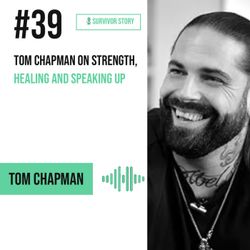
39. Tom Chapman on Strength, Healing and Speaking Up
28:01||Ep. 39Content warning: This video contains themes of sexual abuse and suicide. If you think it may be triggering for you please take care when listening. The thoughts and opinions expressed by our contributors are not necessarily those held by Something to Say.In this episode, STS sits down with Tom Chapman, founder of Lions Barber Collective, for an honest conversation about the barriers that stop many men from speaking openly about what they're going through.Drawing from his own experiences, including the loss of a close friend to suicide, Tom reflects on how that moment changed the direction of his life and led him to create work focused on suicide prevention, mental health awareness, and meaningful conversations within communities.Together, they explore why shame, fear of judgement, and ideas around masculinity can make it difficult for men to ask for support. They discuss the lasting impact of childhood trauma, including child sexual abuse, and why many male survivors remain silent for years, sometimes decades. The conversation also looks at how trauma can affect relationships, self-worth, and everyday life, even when it isn't spoken about directly.Tom shares why men often communicate more comfortably in environments that feel safe and non-judgemental, why changes in behaviour can be an important sign that someone is struggling, and how friends, family members, and partners can help create opportunities for connection without pressure.The discussion also challenges common misconceptions about male survivors and offers a hopeful reminder that support isn't one-size-fits-all. What helps one person may not help another, and finding the right support can take time.This is a thoughtful conversation about silence, shame, resilience, and the importance of creating spaces where people feel safe enough to be heard.If this conversation resonates with you, we'd love to hear your thoughts in the comments. And if you think it could help someone else feel a little less alone, please consider sharing it. 💚To contact Tom:https://heretotalktraining.com/contact/Instagram - @tomchapman_hairhttps://linktr.ee/TomchapmanJoin our YouTube or Patreon Memberships for extra content and early access:Patreon: / somethingtosayYouTube membership: / @somethingtosayofficialTo follow us on social media:Instagram: / somethingtosayofficialFacebook: / somethingtosayofficial1Linkedin: / something-to-say1TikTok: / somethingtosayofficialThis podcast provides a platform for contributors to share their own lived experiences. Unless expressly stated otherwise, Something to Say has not independently verified the factual accuracy of statements made by contributors and does not endorse or adopt any allegations, assertions, opinions or conclusions expressed in this recording.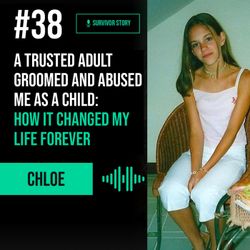
38. A Trusted Adult Groomed and Abused Me as a Child: How it Changed My Life Forever
21:14||Ep. 38In this powerful conversation, Chloe from The B Brave Project, opens up about the urgent need for more honest discussions around child sexual abuse (CSA). After years of silence, she explains how shame thrives when experiences are hidden and why speaking openly is so important for healing and awareness.Chloe shares how grooming and control can look very different in every situation, often making a child feel special, chosen, and loved, making it impossible for many children to fully understand what is happening to them at the time.Reflecting on her own experience, Chloe describes how she was groomed by the taxi driver who took her to school. What began with jokes, laughter, sweets, and pocket money led to inappropriate touching, gradually escalating.This conversation highlights the importance of awareness, open communication, and helping parents understand the subtle signs of grooming so they can better protect and educate their children.Chloe is the host of The B Brave podcast series, creating space for open conversations, awareness, and healing surrounding CSA.To contact Chloe across most social media platforms: https://bit.ly/4tqIYvwTo help support her cause: https://www.gofundme.com/f/the-b-brave-projectIf this conversation resonated with you, please like, comment, and subscribe to help raise awareness and support more survivors speaking out. You van also join our YouTube or Patreon Memberships for extra content and early access:Patreon: / somethingtosayYouTube membership: / @somethingtosayofficialTo follow us on social media:Instagram: / somethingtosayofficialFacebook: / somethingtosayofficial1Linkedin: / something-to-say1 TikTok: / somethingtosayofficialTikTok: / somethingtosayofficialThis podcast provides a platform for contributors to share their own lived experiences. Unless expressly stated otherwise, Something to Say has not independently verified the factual accuracy of statements made by contributors and does not endorse or adopt any allegations, assertions, opinions or conclusions expressed in this recording.