Share
The Screen Hoppers
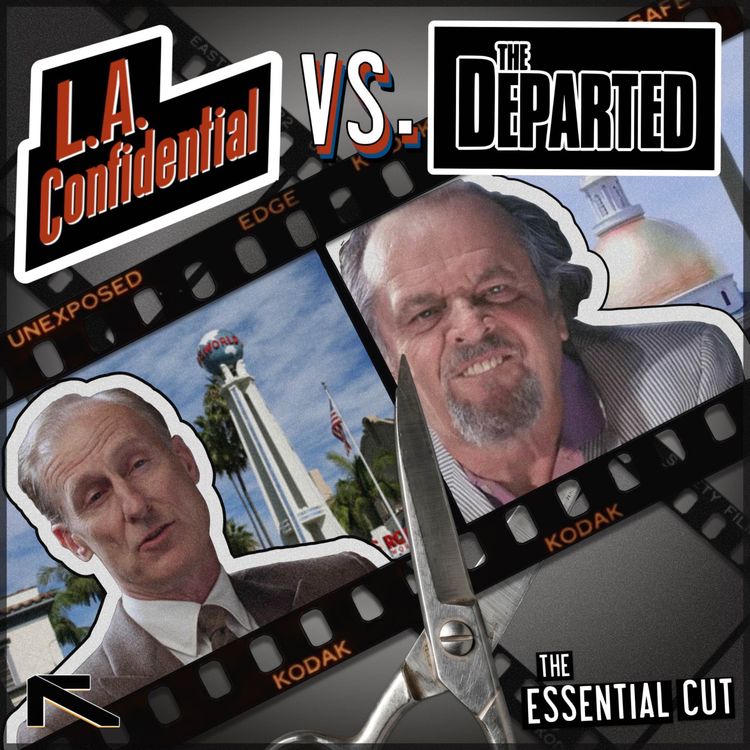
LA Confidential vs. The Departed
The gloves are off for our biggest episode in podcast history.
In this nearly two-hour mega-debate, we are pitting two of the greatest crime epics ever made against each other for a single, coveted spot on the Greatest Watchlist of All Time: Curtis Hanson’s L.A. Confidential (1997) versus Martin Scorsese’s The Departed (2006).
We don't just scratch the surface; we dive deep into the classic films, gritty histories, and legendary photography that inspired these masterpieces. We break down how Robert Frank’s seminal photography book "The Americans" directly shaped the visual DNA and cynical tone of 1950s Los Angeles in L.A. Confidential. Then, we head across the Atlantic to explore how Andrzej Wajda’s 1958 Polish masterpiece "Ashes and Diamonds" heavily influenced Scorsese's tragic, guilt-ridden framing of Boston's criminal underworld.
Inside the Episode:
- The Global Legacy of The Departed: We trace the film's roots back to the legendary Hong Kong cinematic triumph Infernal Affairs, and look at the fascinating web of international remakes that followed it.
- The Duality of Hollywood: A deep-dive character study of Jack Vincennes (Kevin Spacey) and how his character perfectly embodies the glamorous, corrupt, and tragic duality of mid-century Los Angeles.
- Hero or Assassin? A heated, no-holds-barred clash over Staff Sergeant Sean Dignam (Mark Wahlberg). Is he the only true hero left standing, or just another compromised cop turned cold-blooded assassin?
- The Final Verdict: Stick around until the very end for one of the most shocking, fiercely debated, and unexpected outcomes in the history of our show.
Which movie deserves immortality on the Greatest Watchlist? Grab a drink, settle in, and let us know who you think won in the comments.
an Up Left Media Production
More episodes
View all episodes
15. Mouse or Metal?
01:24:14||Season 3, Ep. 15In this episode, Ian and Michael put two animation powerhouses head-to-head: Don Bluth’s An American Tail and Brad Bird’s The Iron Giant. The stakes? One earns a permanent spot on the essential watchlist; the other gets deleted forever.Michael enters the ring ready to lock The Iron Giant into place, but Ian isn't sold without a fight. Together, they break down the fascinating parallels between the two rogue creators—from Don Bluth walking out on Disney to build an empire of his own, to Brad Bird getting fired from Disney for pushing boundaries before making a film that directly rebelled against the Renaissance musical formula. The guys discuss how An American Tail acts as an unexpected blueprint for collective action and free speech, contrast the emotional weight of a tiny immigrant mouse versus a giant metal weapon, and compare which film holds up best as pure entertainment.Stick around until the end to find out whether a baby mouse or a giant robot makes the final cut!Chapter Markers00:00:00 – Cold Open & The Stakes00:02:33 – Disney Rebels: The History of An American Tail & Bluth's Exodus00:29:55 – Category 1: Cultural Importance & Collective Action00:34:31 – Category 2: Emotional Impact (Baby Mouse vs. Big Robot)01:10:32 – The Emotional Connection Verdict01:15:03 – Category 3: Entertainment Value & Brad Bird's Anti-Musical01:18:42 – The Final Verdict: Watchlist or Deleted Forever?
14. Because it's a bullshit question
01:30:14||Season 3, Ep. 14Is My Cousin Vinny better than Liar Liar? In this episode, Michael and Ian set out to debate which classic 1990s comedy deserves a spot on our Essential Cut Watchlist. However, after rewatching both, we independently reached the same conclusion: My Cousin Vinny, starring Joe Pesci and Marisa Tomei, is the far superior film.We break down why My Cousin Vinny outshines Jim Carrey's Liar Liar across cultural significance, emotional depth, and pure entertainment value. Plus, Ian calls out Michael for ever believing this match-up was going to be a close call.Key Topics CoveredMy Cousin Vinny vs Liar Liar: A direct movie comparison of two iconic '90s comedies and why one holds up significantly better today.Cultural Impact and Emotional Depth: Why the legal accuracy, character growth, and tight screenwriting of My Cousin Vinny give it lasting rewatch value over pure slapstick.The Genius of Mona Lisa Vito: How the film's genuine affection for Marisa Tomei’s Oscar-winning character elevates the entire movie, contrasted with Liar Liar's mean-spirited treatment of its female characters.Essential Cut Watchlist Verdict: Delivering the final verdict on which film earns the official endorsement.Which 90s comedy do you think holds up better today? Drop your movie review and thoughts in the comments below.Subscribe for weekly film breakdowns, movie podcast debates, and retro comedy reviews.#MyCousinVinny #LiarLiar #MoviePodcast #FilmAnalysis #MarisaTomei #JoePesci #JimCarrey #MovieReview
13. Dr. No vs. Live and Let Die
01:18:12||Season 3, Ep. 13Is Dr. No the unmatched gold standard for James Bond debuts?Welcome back to The Essential Cut! This week, we’re shaking (and stirring) things up. Normally, we pit two iconic films against each other throughout the episode before deciding which one earns a coveted spot on The Greatest Watchlist of All Time.Not today.This time, the verdict was clear before we even hit record: Dr. No beats Live and Let Die as the ultimate Bond beginning. Instead of a standard debate, we’re delivering a special breakdown of the 007 core reasons why Sean Connery’s 1962 debut outclasses Roger Moore’s 1973 takeover.What We Cover in This Episode:001: Bond, James Bond – The iconic character introduction.002: The Bond Girl – Setting the archetype.003: Sex in the Bond-verse – Tone, swagger, and charm.004: Bond’s Locations – Atmosphere and world-building.005: Bond’s Action – Gritty beginnings vs. 70s spectacle.006: Threat of Violence – Why early Bond felt truly dangerous.Reason 007: THE Dr. No – The legendary villain standard.Whether you're a Connery purist or a Moore defender, grab a martini and join us for this special departure episode!Enjoying the show? Leave us a rating and review on Apple Podcasts to help other film lovers find The Essential Cut!
2026's Essential Movies (so far)
01:35:58||Season 3Ian and Michael take stock of the big screen and rank every major movie release of 2026 so far!From cinema misfires you should avoid at all costs to mid-tier background watches, solid recommendations, and non-negotiable masterpieces, no film is spared. Hot takes fly, arguments break out, and our choices for both the single worst movie and the #1 top film of the year so far will definitely surprise you. Did your favorite film make the top tier, or did we roast a movie you loved?In this episode:• 00:00 - Intro• 04:21 - 2026’s movies to skip• 15:15 - 2026’s “See it if you’ve got the time” movies• 27:15 - 2026’s “You should watch” movies• 51:29 - 2026’s “You MUST see” moviesEnjoying the show? Leave a 5-star rating and review on Apple Podcasts to help other film lovers find the podcast!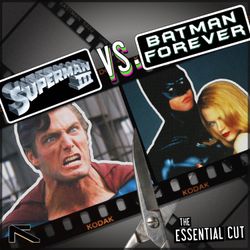
12. Superman III vs. Batman Forever
01:46:50||Season 3, Ep. 12Two polarizing superhero spectacles face off in a battle for survival: Superman III (1983) and Batman Forever (1995). Are these misunderstood masterpieces or glorious cinematic disasters? On this episode of The Essential Cut, we dissect two of the most bizarre entries in comic book movie history—and by the end, one enters The Greatest Watchlist of All Time, while the other is deleted forever.First up, we dive into Superman III. Is it a legitimate Man of Steel story, or just a Richard Pryor comedy vehicle hijacking Metropolis? We explore how Robert Vaughn's Ross Webster secretly redefined Lex Luthor for modern comics, how the film presents two wildly competing versions of Reagan-era America, and why its bizarre tone split audiences down the middle.Then, we head into Joel Schumacher's neon-drenched Gotham for Batman Forever. We unpack Schumacher's reputation as a "master caster" (and where it went off the rails with Chris O'Donnell’s Robin), address America's ongoing obsession and discomfort with the notorious Bat-nipples, and analyze the film's surprising queer subtext. From inspiring contemporary LGBTQ+ filmmakers like Vera Drew (The People's Joker) to using Batman’s dual identity as a poignant metaphor for living a double life in the 1990s, Batman Forever has a lot more under the suit than you remember.Tune in for deep-dive film analysis, pop culture nostalgia, and high-stakes superhero debates!Chapter Markers00:00:00 - Welcome to the Camp & Chaos Double Feature00:06:25 - Two Americas & The Pryor Effect: Superman III’s Cultural Footprint00:22:43 - Neon, Nipples, & Queer Subtext: The Cultural Impact of Batman Forever00:43:30 - Award: Most Culturally Significant00:45:51 - Dark Superman & Pryor’s Heart: The Emotional Connection of Superman III00:13:14 - Masked Identities: 90s Queer Metaphors & Trauma in Batman Forever01:32:30 - Award: Deepest Emotional Connection01:34:57 - Award: Purest Entertainment Value01:38:33 - The Final Call: The Greatest Watchlist vs. Deleted Forever01:44:11 - Coming Up Next on The Essential Cut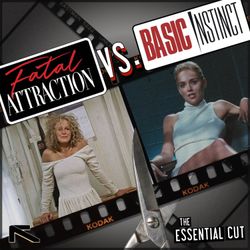
11. Fatal Attraction vs. Basic Instinct
01:51:40||Season 3, Ep. 11Are you team Alex Forrest or Catherine Trammell?This week on The Essential Cut, we are diving headfirst into the sweaty, suspenseful, and highly controversial world of the late-80s and early-90s psycho-sexual thriller. We are pitting two undisputed giants of the genre against each other: Fatal Attraction (1987) and Basic Instinct (1992).The stakes? Only one of these neo-noir classics can secure a permanent spot on the Greatest Watchlist of All Time—the other is getting deleted forever.We explore how these films defined an entire era of sexual anxiety, weaponized the "femme fatale," and ironically ended up reinforcing the sanctity of traditional marriage. From infamous alternate endings to real-world protests, we are breaking down the madness behind the obsession.In This Episode, We Discuss:The Legacy of Fatal Attraction: How it birthed a wave of erotic thrillers and forever changed the way cinema viewed infidelity.The Alternate Ending: Why test audiences rejected the original Japanese-style tragedy ending and demanded the slasher-style bathtub climax.The Pregnancy Mystery: Was Alex Forrest (Glenn Close) actually pregnant, or was she playing the ultimate psychological mind game?The Basic Instinct Backlash: The massive real-world protests and LGBTQ+ controversy that surrounded the movie’s release.Catherine Trammell’s Genius: Why Sharon Stone’s iconic villain is one of the most brilliant minds in cinematic history, and how the movie tricks the audience into linking violent trauma with sexual desire.Did She Do It? We reveal our final verdicts on whether Catherine actually committed the ice-pick murders, or if someone else pulled the strings.Timestamps:00:00:00 - Unleashing the Psycho-Sexual Panic (Cold Open)00:01:14 - Checking the Ledger: The Watchlist So Far00:09:16 - The Bunny Boiler Effect: How Fatal Attraction Terrorized Married America00:25:53 - Ice Picks & Interrogations: Basic Instinct Shakes the Culture00:40:25 - The First Clash: Which Film Truly Defined the Era?00:42:38 - Fear, Guilt, & Bathtubs: The Brutal Emotional Toll of Fatal Attraction01:10:01 - The Ultimate Debate: Was Alex Forrest Actually Pregnant?01:17:31 - Mind Games & Fatal Desires: The Twisted Psychology of Basic Instinct01:38:52 - The Emotional Verdict: Which Thriller Messes With You More?01:41:06 - Pure Entertainment: Which Movie is Just More Fun to Watch?01:45:39 - The Final Decision: One Enters the Watchlist, One is Deleted Forever!01:50:01 - Next Time on The Essential Cut...
10. Reality Bites vs. Garden State
01:47:05||Season 3, Ep. 10It’s a battle of the generations on this week’s episode of The Essential Cut! We are staging an ultimate cinematic face-off, pitting Reality Bites (1994) against Garden State (2004). The stakes are absolute: one of these era-defining films will earn a coveted spot on The Greatest Watchlist of All Time, and the other will be deleted from existence forever.Grab your oversized cardigans and your Shins records as we dive deep into the angst, the soundtracks, and the subtext of youth culture:Reality Bites & Gen X: We break down the massive cultural footprint of Winona Ryder and company, analyzing the wonderful hypocrisy of the film's "corporate rebellion." Plus, we tackle the ultimate relationship question: should Lelaina have actually gone with Michael? Or was Michael honestly way too good for all of them?Garden State & Millennials: We confront the trap of the "Manic Pixie Dream Girl" and how Natalie Portman accidentally birthed a trope that changed 2000s cinema. Is Zach Braff’s directorial debut a little too precious and "cute by half," or does it still manage to say something profoundly important about Millennial existential dread?By the end of the episode, a vote must be cast. One movie enters the pantheon; the other gets wiped from the timeline.
6. (Replay) Indiana Jones and the Last Crusade
01:06:01||Season 1, Ep. 6Don't you hate when your podcasts drop old episodes in the feed? We are rebroadcasting one of our favorite episodes from last year. Listen to it. Don't listen to it. Play it in the background while you aimlessly search for meaning in your newsfeed...