Share
The Royal Tea
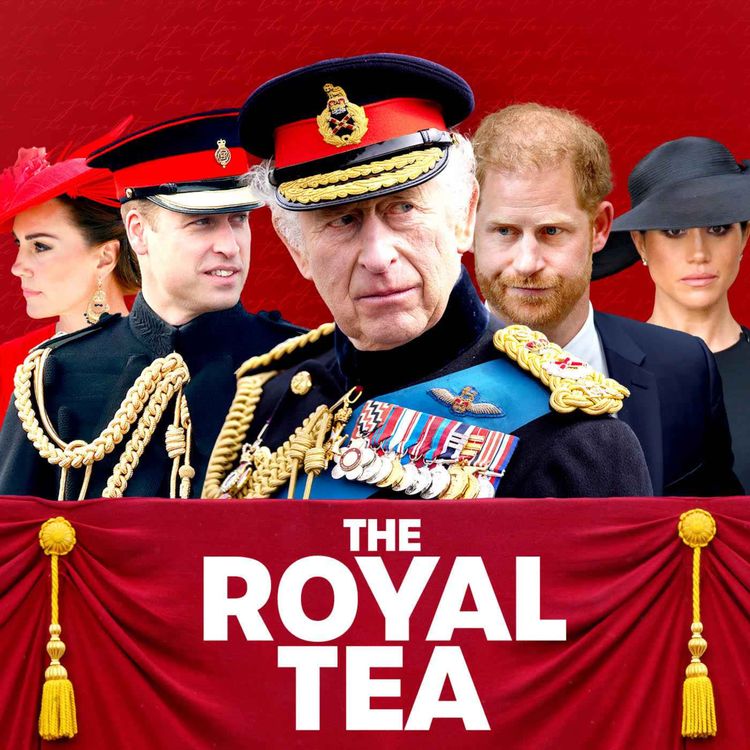
"Duke & Duchess Of Montecito Are LOST!" Royal Family Outclass Harry & Meghan After Endgame Attacks
In the midst of ongoing controversy surrounding the monarchy, the most senior members of the Royal Family put on a united front at the diplomatic reception held at Buckingham Palace. The event, which saw the King and Queen welcoming ambassadors and diplomats, was a powerful display of unity and strength in the face of recent accusations and scandals. The timing of this reception, just days after the leak of Omid Scobie's book "Endgame," sent a clear message that the Royal Family is moving forward and not allowing themselves to be derailed by scandalous claims.
The photograph released after the reception showcased the King, Queen Camilla, the Prince and Princess of Wales in all their finery. This image of the four senior royals together was seen as a deliberate display of unity and determination to move on from the controversy. The reception itself was a grand affair, with over 500 members of the diplomatic corps hosted in the palace's state rooms. It was a reminder of the monarchy's role in diplomacy and their commitment to their duties.
Joining Sarah Hewson to discuss all that and more are The Sun’s Royal Editor Matt Wilkinson and The Evening Standard’s Royal Editor Robert Jobson.
This is the Royal Tea.
Click here for more from TalkTV https://talk.tv
If you need any help visit: https://talk.tv/helplines
#endgame #meghanmarkle #royalfamily #princeharry #omidscobie
More episodes
View all episodes
Harry and Meghan BEGGED for Privacy But Are Still Posting Pics
12:14|When Harry and Meghan quit the Royal Family, a big part of that was that they wanted more privacy for themselves and their children. Why, then, are they still benefiting by posting pictures of their children on social media - most recently this weekend, as part of an Easter video.Mark Dolan is joined by former Sun Royal Editor Duncan Larcombe to discuss the hypocrisy of the Duke and Duchess, why their privacy defence no longer stands up, how posting them could be putting the children at risk, and how this habit seems to tie in to Meghan's push for relevance in Los Angeles.Prince Andrew Crisis Deepens As CPS Advice Sought
07:15|Jeremy Kyle is joined by former Royal press secretary Dickie Arbiter to break down the latest developments surrounding Prince Andrew and ongoing police interest in his links to Jeffrey Epstein. The discussion focuses on reports that prosecutors are advising police behind the scenes, raising fresh questions about the direction and seriousness of the investigation.The episode explores whether potential charges could ever materialise, with Arbiter warning that misconduct in public office is notoriously difficult to prove and could take years to resolve. The conversation also digs into speculation around corruption allegations, the role of the CPS in guiding police, and whether historic royal legal precedents could offer Andrew any protection in court.Jeremy Kyle also presses on the wider Royal implications, including the position of King Charles III and whether continued financial support risks reputational fallout. Arbiter offers insight into the strained relationship behind palace doors, suggesting ties remain but are deeply fractured. Listen to The Royal Tea on Talk for sharp analysis, insider context and the latest Royal developments.King Charles USA Visit, Harry Rift And Andrew Fallout Explained
23:31|King Charles’s upcoming US state visit, Prince Harry’s reported attempts to reconnect with the Royal Family, and the ongoing fallout from the Epstein scandal dominate this episode of The Royal Tea on Talk. Angela Levin joins to discuss claims around the King’s diplomatic role, with contributors debating whether the visit is a routine constitutional duty or politically sensitive timing given tensions between Keir Starmer and Donald Trump.The conversation also explores reports surrounding Prince Harry and Meghan Markle, including suggestions they would welcome reconciliation with the Royal Family. Contributors analyse how such claims are communicated publicly, noting these are based on media reports and commentary rather than confirmed plans. There is further discussion about stories involving Princess Beatrice and Princess Eugenie, with caution raised around unverified reports and the possibility of speculation.Attention then turns to scrutiny surrounding Prince Andrew and his past association with Jeffrey Epstein. Guests stress the importance of distinguishing allegation from proven fact, highlighting ongoing public concern about transparency and accountability within the monarchy. Featuring analysis from Angela Levin and Robert Jobson, this episode breaks down the key royal headlines while keeping firmly within the bounds of verified information and responsible reporting.Prince Andrew Epstein Fallout Sparks Royal Family Crisis
15:26|The Royal Family is facing mounting pressure as the fallout from the Prince Andrew and Jeffrey Epstein scandal intensifies, with Princess Beatrice and Princess Eugenie increasingly drawn into the controversy. Royal commentator Rupert Bell and former head of Royal Protection Dai Davies warn the monarchy is at a crossroads, as scrutiny grows over the York family’s links, public appearances and long-term role within the institution.This episode breaks down the key questions surrounding royal finances, including the Civil List, Duchy income and allegations of hidden wealth, gifts and overseas business dealings. The discussion examines whether Prince Andrew’s scandal has triggered wider concerns about how members of the Royal Family make money, and whether Beatrice and Eugenie’s associations could deepen the crisis. There is also analysis of King Charles’ slimmed-down monarchy plan and whether it can withstand continued reputational damage.Featuring Rupert Bell and Dai Davies, this is a sharp, no-nonsense look at the Prince Andrew scandal, Epstein fallout and the future of the Royal Family. Listen on Talk to hear why transparency, accountability and public trust are now the defining battle for the monarchy.Has The King Already Rejected Harry's Sandringham Request?
11:58|On this episode of The Royal Tea, Kevin O'Sullivan is joined by royal editor Robert Jobson to discuss the news that Harry is hoping the King will invite his family to Sandringham for a family reunion. But has Harry's behaviour already cost him the invite?And as news breaks that Beatrice and Eugenie won't be joining the Royals at Easter - where in the world is Sarah Ferguson?Prince Harry Sandringham Return Row Sparks Royal Family Tensions
07:44|Prince Harry is reportedly expecting an invite to Sandringham this summer, but speaking to Mark Dolan, royal biographer Angela Levin casts serious doubt on whether any reunion with King Charles III will happen. Levin claims the story has been “planted” and accuses Harry of trying to pressure the King via the press, rather than handling family matters privately. She argues trust between the Sussexes and the Royal Family has completely broken down.The discussion lays bare deep tensions behind the scenes, with Levin suggesting financial motives could be driving Harry’s reported desire to return, while also highlighting ongoing disputes over security, media leaks and past interviews. She points to concerns inside the Palace that any private conversation could be made public, alongside claims that Meghan is still demanding an apology and unwilling to return to the UK, further complicating any potential reconciliation.Levin also reflects on her time with Prince Harry before Meghan entered his life, describing a very different figure to the one seen today. She argues that change, combined with ongoing public attacks and media strategy, has left the Royal Family wary of any renewed contact.Sarah Ferguson Stripped Of Honour As Meghan Markle Suffers Australia Backlash
12:14|The Royal Tea breaks down the dramatic decision to strip Sarah Ferguson of the Freedom of the City of York, as the long shadow of Jeffrey Epstein continues to reshape royal reputations. In this episode, Samara Gill leads coverage of the unanimous council vote, the resurfacing of historic emails, and the renewed scrutiny surrounding Ferguson’s past associations. The discussion centres on how the Epstein files are still driving headlines — and consequences — years on.The episode explores the key revelations, including Ferguson’s contact with Epstein after his conviction, financial links, and claims she introduced her daughters into his social orbit. There’s also focus on the wider institutional response — from York councillors stressing “standards over criminality” to the symbolic but powerful removal of honours previously held by both Ferguson and Prince Andrew. Samara also outlines the growing pressure from the United States for testimony, alongside reports of charities closing and business interests winding down.The conversation also digs into the Sussexes’ upcoming trip, including a women-only retreat appearance in Sydney, questions over who funds their security, and a petition from thousands of Australians demanding taxpayers don’t foot the bill.Meghan Markle Acting Comeback Rumours And Netflix Row Intensify?
22:11|Kinsey Schofield dissects a chaotic week for Meghan Markle and Prince Harry — from explosive claims about a potential “raunchy” acting comeback to fresh doubts over their future with Netflix. Reports suggest Meghan could be considering a return to the screen in a bid to “cut through” and reclaim relevance, sparking fierce debate over how far she might go to revive her career.Schofield lays out a blunt assessment of the Sussex strategy, linking the acting rumours to fallout from Tom Bower’s Betrayal and mounting criticism in the US media. The discussion also tears into claims of a new polo-themed Netflix project, with both interviews questioning whether it’s genuine or simply “smoke and mirrors” designed to counter damaging headlines about their lack of output and strained industry relationships.The episode widens into a full-scale takedown of the Sussex brand — from backlash over their Australia visit and accusations of “cash-for-appearance” tours, to growing scrutiny over their media tactics and constant rebuttals of criticism.Harry And Meghan Hypocrisy Row Over Social Media Ruling
12:49|Mark Dolan is joined by royal biographer Angela Levin as Prince Harry and Meghan Markle wade into a landmark US court ruling that found major tech firms, including Meta, liable for social media addiction harms. The Sussexes back the verdict, calling it a “reckoning” — but the intervention sparks immediate backlash and raises serious questions about their own online behaviour.Angela Levin delivers a scathing assessment, accusing Meghan of blatant hypocrisy by criticising platforms like Instagram while активно using them to promote her brand and feature her children. The discussion zeroes in on claims that Archie and Lilibet are regularly used in curated posts, despite Harry’s public warnings about the dangers of children being exposed online. Levin also questions inconsistencies between the couple’s public messaging on safeguarding and their private conduct.The conversation escalates into a broader critique of the Sussexes’ parenting, public image and credibility — from claims of “double standards” to scrutiny over their family setup and media strategy. With fresh controversy surrounding Tom Bower’s new book Betrayal, this episode cuts through the headlines to ask: are Harry and Meghan saying one thing and doing another — and is the public finally turning?