Share
Mark Beggs, Dyslexic Entrepreneurship and Morning Show Host
Leadership Development and Entrepreneurship insights
Latest episode
17. Why are we still teaching our children in the wrong way
15:10||Season 5, Ep. 17Why oh why are we still in 2026 teaching visual learners wrong. And more important why do we make them feel like it is their fault. Why oh WHY#dyslexia #adhd #younglearners #markbeggs
More episodes
View all episodes
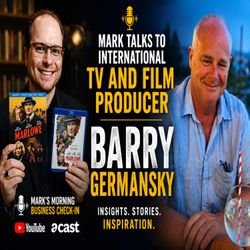
16. Barry Germansky on Storytelling, Film & Working With Hollywood Legends
40:03||Season 5, Ep. 16From Toronto to Hollywood – Barry Germansky on Storytelling, Film & Working With Hollywood LegendsIn this powerful episode of Mark’s Morning Business Check-In, Mark sits down with internationally respected playwright, screenwriter, director, and producer Barry Germansky.Barry shares his incredible journey from graduating summa cum laude from York University in Toronto to building a career in film, television, theatre, and documentary production. His work has been showcased Off-Off-Broadway, in Detroit theatres, and on the international film stage.His directorial debut A Journey to a Journey won Best Sci-Fi Feature at the Indie Gathering International Film Festival, and he is currently producing the PBS documentary Forced Change about Hurricane Katrina alongside Emmy-nominated filmmaker Rennik Soholt.During the interview, Barry also talks about working with some of Hollywood’s biggest stars including Liam Neeson, Dustin Hoffman, Ed Harris, and Clive Owen, sharing behind-the-scenes insights into the film industry, storytelling, creativity, and what it really takes to succeed in entertainment.This is a must-watch episode for anyone interested in:Film productionScreenwritingEntrepreneurship in the creative industriesHollywood storytellingIndependent filmmakingBusiness and creativityMedia and entertainment careers🎙️ Watch now and discover what it takes to turn creativity into a career.#BarryGermansky #FilmProducer #Hollywood #LiamNeeson #DustinHoffman #EdHarris #CliveOwen #Screenwriter #FilmIndustry #Podcast #BusinessPodcast #Entrepreneurship #MovieProducer #IndependentFilm #Storytelling #CreativeBusiness #Filmmaking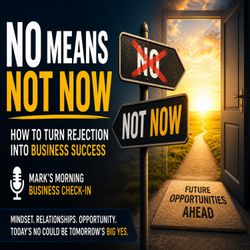
16. “No Means Not Now: How to Turn Rejection Into Business Success”
17:16||Season 5, Ep. 16In this episode of Mark’s Morning Business Check-In, we explore a powerful mindset shift that can transform how you approach sales, rejection, and business growth.After a recent interview with Bishop Kevin Foreman, Mark shares a simple but game-changing idea: 👉 When someone says “no”, what they often mean is “not now.”This shift in thinking can completely change how you handle setbacks in entrepreneurship, sales, and leadership. Instead of seeing rejection as the end, learn how to view it as a future opportunity.Drawing on over 30 years of experience, Mark explains why it’s critical to maintain relationships, stay positive, and never burn bridges in business. The person who says no today could become your biggest opportunity tomorrow.This episode is a must-listen for entrepreneurs, business owners, sales professionals, and anyone looking to build resilience and long-term success.
15. The Peoples Bishop, Bishop Kevin Foreman
40:54||Season 5, Ep. 15In today’s powerful podcast episode, I sit down with Bishop Kevin Foreman, widely known as The People’s Bishop, for an inspiring conversation on leadership, entrepreneurship, personal growth, faith, and business success.From humble beginnings in Denver and Memphis, Bishop Foreman has gone on to become an influential pastor, church planter, author, speaker, success coach, philanthropist, and entrepreneur. His journey is a true example of resilience, purpose, and determination.In this episode, we discuss:How he helps people transform their lives through mindset and leadershipHow he supports struggling businesses and helps owners identify what is not workingThe power of communication and why he has the gift of connecting with peopleSelling his first business at just 12 years oldHow faith, discipline, and service create long-term successOvercoming challenges and building a life of impactThis episode is packed with practical wisdom for business owners, entrepreneurs, leaders, and anyone looking for motivation and direction.If you want to learn about business growth, leadership development, entrepreneurial mindset, motivation, and purpose-driven success, this episode you do not want to miss.#Leadership #Entrepreneurship #BusinessGrowth #Mindset #Faith #Motivation #Success #PodcastInte#BishopKevinForeman #Leadership #Entrepreneurship #FaithInBusiness #SuccessMindset #BusinessGrowth #PersonalDevelopment #Motivation #Inspiration #PodcastInterview #Resilience #PurposeDriven #Speaker #BusinessSuccess #Mindset #LifeLessons #Coaching #Faith #Transformation #LeadershipDevelopment
14. “Say Yes First, Figure It Out Later: The Real Entrepreneur Mindset”
17:33||Season 5, Ep. 14In today’s episode, we explore what it really means to start and grow a business—long before you feel ready.Inspired by a story from Richard Branson about building a business from a phone box at just 16, we dive into the power of taking action without having everything figured out. No funding, no network, no experience—just belief, persistence, and the willingness to start.I also share my own journey of launching a DVD rental business with no stock, securing major deals, and figuring things out under pressure. From winning opportunities with brands like Superquinn, HMV, and Virgin Wines, to the reality of asking: “How are we actually going to deliver this?”—this is what real entrepreneurship looks like.In this episode, we cover:Why you don’t need perfect conditions to start a businessThe power of tenacity, self-belief, and actionHow opportunities come after you put yourself out thereThe reality of building a business while solving problems in real timeWhy backing yourself is often the biggest risk—and reward💡 Building a business isn’t about having all the answers. It’s about saying yes to the opportunity… and figuring it out along the way.If you’re an entrepreneur, founder, or someone thinking about starting a business, this episode will challenge you to stop waiting—and start doing.
13. Dyslexia is a gift—but like any gift, you have to open it to truly benefit from it.
25:06||Season 5, Ep. 13In today’s episode, we dive into dyslexia, exploring how it can be a powerful gift when the right support and tools are in place. Too often, dyslexia is seen as a limitation—but in reality, it’s about how individuals learn differently, and how they can thrive when given the right opportunities.We discuss the critical role of parents and support systems in helping children with dyslexia move beyond just surviving in school to truly succeeding in life. Finding the right tools, strategies, and environments can unlock confidence, creativity, and potential.In this episode, I also share a personal story from April 21st, 1981—the day of the first space shuttle launch—when I was caught “on the Mitch” (absent without permission from school). It’s a moment that reflects the challenges many dyslexic learners face in traditional education systems.Key topics include:Understanding dyslexia as a strength, not a weaknessWhy early support and intervention matterThe importance of learning tools and strategiesHow parents can advocate for their childrenTurning struggle into confidence and success💡 Dyslexia is a gift—but like any gift, you have to open it to truly benefit from it.If you’re a parent, educator, or someone navigating dyslexia, this episode offers insight, encouragement, and practical perspective on unlocking potential and building a brighter future.
12. “Getting Your Business Ready to Sell: How to Maximise Value Before You Exit”
18:55||Season 5, Ep. 12In today’s episode, we explore why preparing your business for sale is essential if you’re planning an exit—whether that’s to retire, move on, or start something new.Too often, business owners wait until the last minute to think about selling, but the reality is this: a business needs to be “dressed for the occasion” long before it goes to market.Using the simple analogy of getting ready for a wedding or special event, we explain how you naturally put in extra effort to look your best—and your business should be no different. If you want to attract the right buyer and achieve maximum value, your business must be well-organised, financially clear, and running smoothly.In this episode, we cover:Why exit planning should start years in advanceHow to make your business more attractive to buyersThe importance of systems, structure, and strong financialsSimple steps you can take now to increase your business valueIf you’re a business owner thinking about your future, this episode will help you understand how to position your business for a successful sale and maximise the return on all your hard work.