Share
The Retro Respawn
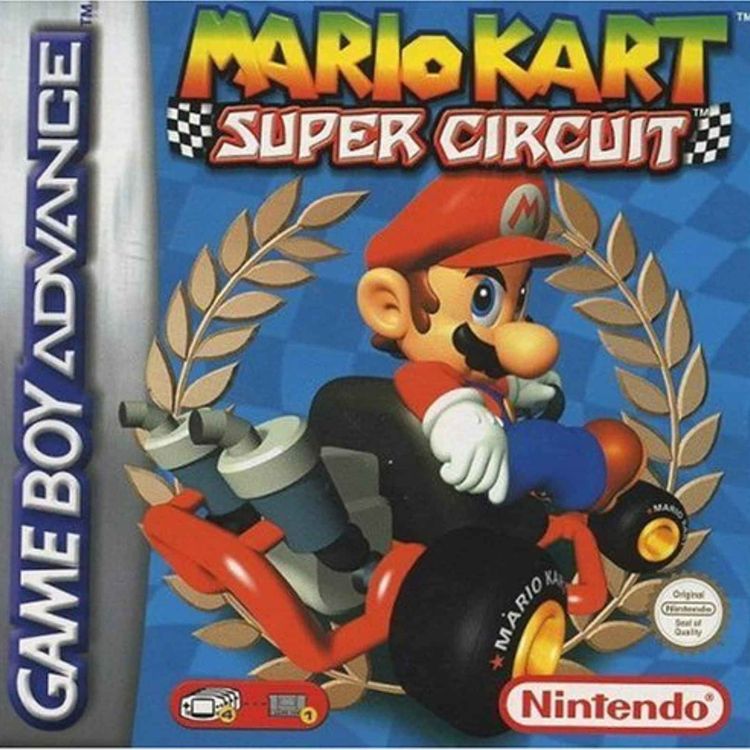
The Retro Respawn - Ep 18 - Mario Kart Super Circuit
Super Mario Kart: Super Circuit — Pocket‑Sized Chaos and the GBA’s 16‑Bit Throwback Masterpiece
In this episode of The Retro Respawn, we’re rewinding to 2001 — the moment Nintendo shrunk one of its biggest franchises and stuffed it into a handheld that looked like a candy‑coloured SNES. Super Mario Kart: Super Circuit wasn’t just Mario Kart on the go; it was a full‑blown reinvention of the series for a new era, built by a studio nobody expected: Intelligent Systems, the minds behind Fire Emblem and Paper Mario. And somehow, they delivered a game that felt both retro and revolutionary at the same time.
We dive into the GBA’s Mode‑7‑style wizardry, where tracks twist and warp just like the SNES original — only sharper, faster, and bursting with colour. This is the last Mario Kart with sprite‑based characters, giving it a charming, almost storybook look as Mario, Peach, Bowser, and the gang drift around sun‑bleached beaches, haunted castles, and neon‑lit skyways. And then there’s the kicker: 40 tracks total, including every single course from Super Mario Kart. For years, this was the biggest Mario Kart package ever released.
Super Circuit brings back coins, tight drifting, and feather‑light physics that reward precision over spectacle. It’s a game that feels like a love letter to the SNES original, but with the GBA’s punchy audio, crisp visuals, and five full Nitro Cups — a series first. Whether you were linking up with friends using a tangle of GBA link cables or racing solo to chase those elusive three‑star rankings, Super Circuit delivered pure, portable chaos.
Join us as we hit the Mushroom Cup, drift through Boo Lake, and celebrate the handheld entry that kept Mario Kart alive between consoles — a game that proved you didn’t need polygons, dual screens, or motion controls to make kart racing magic. Super Circuit is the forgotten giant of the franchise, a pocket‑sized powerhouse that still deserves its victory lap.
More episodes
View all episodes
23. The Retro Respawn - Ep 23 - Banjo Kazooie
01:08:11||Season 1, Ep. 23Banjo‑Kazooie (1998): Backpack Banter, Breegull Chaos, and N64‑Era WonderIn this bright‑but‑bonkers episode of The Retro Respawn, we leap into Banjo‑Kazooie on the Nintendo 64 — a 1998 classic that blends character‑driven humour, exploration‑heavy platforming, and Rare’s unmistakable British charm into one of the most iconic adventures of the era. Part collect‑a‑thon masterpiece, part cartoon comedy, and part “only‑in‑the‑90s” design experiment, Banjo‑Kazooie is a game that wears its personality (and its feathers) proudly on its sleeve.Set across the colourful, quirky worlds branching out from Spiral Mountain, the game follows our honey‑loving bear Banjo and his razor‑tongued backpack roommate Kazooie as they chase down the wicked witch Gruntilda. Instead of grim stakes or gritty battles, their journey is built around exploration, transformation, and constant banter — a warm, comedic approach that defined Rare’s golden age. You learn new moves from Bottles, morph into everything from termites to crocodiles thanks to Mumbo Jumbo, and collect Jiggies, Notes, and secrets hidden in every corner of Grunty’s lair.What makes this adventure shine is its atmosphere. The N64’s vibrant worlds, expressive character animations, and playful musical cues give each level a distinct personality — part theme park, part cartoon stage. Kazooie’s snark adds bite, Banjo’s laid‑back charm keeps things cosy, and Gruntilda’s rhyming insults turn every encounter into a comedic showdown. It’s a platformer that feels alive, loud, and lovingly handcrafted.Short, silly, and endlessly charming, Banjo‑Kazooie remains a standout of the N64 era — a reminder of a time when developers pushed 3D worlds, character humour, and mechanical creativity to their limits, crafting adventures that were as heartfelt as they were chaotic.Join us as we flap, peck, and puzzle‑solve our way through Spiral Mountain, outwit a rhyming witch, and rediscover one of Rare’s most delightfully mischievous masterpieces.
22. The Retro Respawn - Ep 22 - New Super Mario Bro's
44:28||Season 1, Ep. 22When Nintendo dropped New Super Mario Bros. on the Nintendo DS in 2006, it wasn’t just another Mario title — it was a statement. After years of 3D adventures, Mario sprinted back onto a 2D plane with fresh energy, new tricks, and a modern coat of paint. The game blended nostalgia with innovation: classic Goomba‑stomping and flagpole finishes paired with wall jumps, mega mushrooms, and physics that made every hop feel buttery smooth.Set across eight vibrant worlds, the game reimagined the Mushroom Kingdom with DS‑era flair — lush forests, bubbling lava caverns, haunted mansions, and sky‑high fortresses. Mario’s mission was familiar but timeless: rescue Princess Peach from Bowser and Bowser Jr., who team up to create one of the series’ most memorable villain duos.The result? A phenomenon. New Super Mario Bros. didn’t just sell — it exploded, becoming one of the best‑selling DS games ever and kickstarting an entire sub‑series that would define Nintendo’s handheld and console libraries for the next decade. It’s the game that proved 2D Mario wasn’t retro… it was eternal.
21. The Retro Respawn - Ep 21 - The legend of Zelda: Oracle of Seasons/ Rom Hacks
01:14:56||Season 1, Ep. 21The Legend of Zelda: Oracle of Seasons — Holodrum’s Wild, Combat‑Driven AdventureToday on The Retro Respawn, we’re diving into the fiery half of the Oracle duo — The Legend of Zelda: Oracle of Seasons, the game that turned the Game Boy Color into a battleground of shifting weather, dangerous terrain, and some of the most aggressive dungeon design in 2D Zelda history. If Oracle of Ages is the brain, Seasons is the brawn.This is Capcom’s Zelda at full power. Holodrum isn’t a gentle fairy‑tale land — it’s a world thrown into chaos the moment Din, the Oracle of Seasons, is kidnapped by Onox, the hulking General of Darkness. His arrival doesn’t just kick off the story; it literally breaks the natural order. Forests dry up, mountains freeze, deserts bloom, and rivers vanish. The world becomes a puzzle box of seasonal extremes, and you’re handed the key: the Rod of Seasons, one of the most creative items in the entire franchise.With it, you shift Holodrum between spring, summer, autumn, and winter, each one transforming the landscape in dramatic ways. Winter buries paths in snow. Summer dries up lakes. Spring grows vines. Autumn drops leaves to form bridges. It’s environmental storytelling through mechanics — a world that reacts to your touch.And unlike Ages, Seasons hits hard. Dungeons are faster, meaner, and packed with enemies that want you gone. Boss fights are punchy, minibosses are relentless, and the game constantly tests your reflexes. It’s the closest the Game Boy Color ever got to delivering a full‑scale action‑Zelda experience.But Seasons isn’t just a standalone adventure — it’s half of a bigger story. Link it with Ages and you unlock new cutscenes, new items, and the true final boss: Ganon, resurrected for one last showdown. Together, the two games form a dual‑release experiment that still feels bold today.Oracle of Seasons is the red‑hot heartbeat of the Oracle project — a Capcom‑crafted Zelda that thrives on danger, creativity, and the thrill of bending nature to your will. It’s Holodrum at its wildest, Link at his toughest, and one of the most replayable 2D Zelda adventures ever made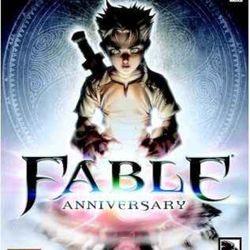
20. The Retro Respawn - Ep 20 - Fable: The Anniversary
36:08||Season 1, Ep. 20Fable — Albion’s Fairy‑Tale RPG That Promised the World and Still Delivered MagicIn this episode of The Retro Respawn, we’re stepping through the oak‑framed gates of Albion — a land of heroes, bandits, taverns, Demon Doors, and choices that echo through your legend. Fable wasn’t just another RPG in 2004; it was Lionhead Studios swinging for the fences, trying to craft a living fairy tale where every decision shaped your destiny. And even if the game didn’t deliver every promise whispered during development, it delivered something far more enduring: charm, personality, and a world players still adore.You begin as a wide‑eyed child in Oakvale, watching your life shatter before your eyes — a classic hero’s origin wrapped in storybook melancholy. From there, the game becomes a tapestry of choices: will you be the noble saviour with a halo glowing above your head, or the horned terror villagers flee from? Fable made morality visible, immediate, and theatrical. Eat too much meat and you get chunky. Use too much magic and your eyes glow. Commit evil and your very presence warps the world around you. It was RPG progression with a sense of humour.Albion itself feels like a playable bedtime story — lush forests, eerie marshes, bustling towns, and ancient ruins, all narrated with that unmistakable British wit. The Guild of Heroes becomes your home base, complete with the booming voice of the Guildmaster reminding you that “Your health is low.” Combat blends swordplay, archery, and spellcasting into a fast, flashy rhythm that still feels distinct today.And then there’s the legacy. Fable didn’t just spawn sequels — it shaped how players thought about choice in games. It introduced personality, silliness, warmth, and consequence into a genre that often leaned grim and serious. It made RPGs fun without sacrificing depth. It gave us chicken‑kicking, boast boards, Demon Doors, and the unforgettable Jack of Blades.Two years later, The Lost Chapters expanded the world. A decade later, Fable Anniversary rebuilt it. But the heart of the franchise — the spark that made Albion feel alive — started right here.Fable is the fairy tale that grew up with its players, the RPG that dared to be playful, and the legend that still echoes across gaming history.
19. The Retro Respawn - Ep 19 - Spider-man the movie game
49:21||Season 1, Ep. 19Spider-Man: The Movie Game — Raimi’s Web‑Slinger Goes Digital and Treyarch Finds Its DestinyIn this episode of The Retro Respawn, we’re swinging back to 2002 — the year Sam Raimi’s Spider-Man blew the roof off cinemas and Activision rushed to bottle that lightning for consoles. Spider-Man: The Movie Game wasn’t just a tie‑in; it was the moment Treyarch stepped out of the shadows and became the studio that would define Spider-Man in games for nearly a decade. This is where the modern Spidey formula truly begins.You drop into a New York that’s part movie, part comic book fever dream. Tobey Maguire and Willem Dafoe return to voice their iconic roles, while Bruce Campbell steals the show as your snarky tutorial guide. The game expands the film’s story with villains who never made it to the big screen — Shocker, Vulture, Scorpion, and even Kraven on Xbox — giving players a rogues’ gallery far bigger than the movie itself.Each villain gets their own spotlight moment, turning the game into a hybrid between Raimi’s blockbuster and a lost chapter of the 90s animated series.Gameplay is pure early‑2000s superhero chaos: mission‑based levels, indoor beat ’em up arenas, rooftop chases, stealth segments, and outdoor web‑slinging that hints at the open‑world greatness Treyarch would perfect two years later. Swing too low and you plummet into the void — a reminder that this was still the era before full city traversal. But when it works, it feels like Spider-Man: fast, flashy, and full of style points that reward creativity over button‑mashing.Across six platforms — PS2, Xbox, GameCube, PC, and two different GBA versions — Spider-Man: The Movie Game became a bestseller and a turning point. It proved that superhero games could be cinematic, character‑driven, and ambitious. And it set the stage for Spider-Man 2, the game that would redefine web‑slinging forever.This is the origin story of Treyarch’s Spider-Man era — the moment the studio found its identity, the moment movie tie‑ins grew up, and the moment players realised that swinging through New York could be more than a gimmick. It could be magic.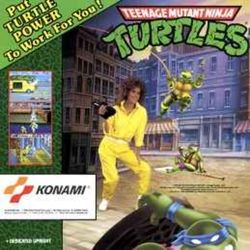
17. The Retro Respawn - Ep 17 - Teenage Mutant Ninja Turtles: The Arcade Game
51:40||Season 1, Ep. 17Teenage Mutant Ninja Turtles: The Arcade Game — Pizza Parlour Pandemonium and Konami at Full PowerIn this episode of The Retro Respawn, we’re rewinding the clock to 1989 — the height of Turtlemania — when Konami dropped a quarter‑eating monster that turned every pizza parlour, bowling alley, and seaside arcade into a battleground for four friends and a whole lot of Foot Soldiers. Teenage Mutant Ninja Turtles: The Arcade Game wasn’t just a licensed tie‑in; it was a cultural event, a neon‑soaked slice of Saturday‑morning energy that defined what co‑op beat‑’em‑ups could be.We dive into the burning building where April needs saving, the neon‑lit streets of New York, the grimy sewers, and the Technodrome’s electrified corridors — each stage packed with ambushes, hazards, and Konami’s signature enemy variety. This is the era when arcade cabinets were loud, bright, and unapologetically chaotic, and TMNT delivered all of it with four‑player mayhem, crunchy FM‑synth renditions of the cartoon theme, and boss fights that felt ripped straight from the show.From Bebop’s reckless charges to Rocksteady’s rifle blasts, Baxter’s laser‑rig ambushes, and Krang stomping around in his bubble walker, every encounter is a nostalgia punch to the jaw. And then there’s Shredder — multiplying himself into a room full of clones, forcing players to fight through illusions just to land the final hit. It’s pure Konami theatre, the kind of dramatic flair that made their arcade era legendary.We also spotlight how the NES port didn’t just shrink the experience — it expanded it. New levels, new bosses, redesigned layouts… a rare case where the home version added more than it removed. It’s a testament to how big TMNT was, and how determined Konami was to keep the momentum rolling.Join us as we smash Foot Soldiers, dodge laser turrets, and relive the golden age of arcade co‑op chaos. TMNT: The Arcade Game isn’t just a beat‑’em‑up — it’s a time capsule of late‑80s hype, a celebration of four brothers, one rat sensei, and a whole lot of pizza.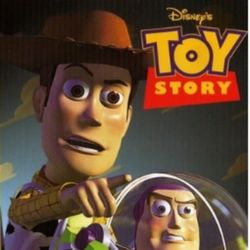
16. The Retro Respawn - Ep 16 - Toy Story (Mega Drive)
01:24:43||Season 1, Ep. 16Toy Story (Mega Drive): Pixar Polygons, 16‑Bit Magic, and Traveller’s Tales Going TurboIn this episode of The Retro Respawn, we dive back into 1995 — the year Pixar rewrote animation history and Traveller’s Tales tried to do the same on Sega’s 16‑bit powerhouse. Toy Story on the Mega Drive isn’t just another movie tie‑in; it’s a wild, ambitious tech flex that pushed the console harder than almost any licensed game of its era. This is Woody and Buzz as you’ve never seen them: chunky, pre‑rendered, and running on hardware that had no business looking this good.We revisit Andy’s Room, Pizza Planet, and Sid’s nightmare workshop through the eyes of a team determined to squeeze every last drop out of the Mega Drive. From the surprisingly expressive sprite work to the clever use of shadow/highlight mode, this game constantly punches above its weight. And then there’s the showstopper — a full first‑person 3D maze level, ray‑casted on a machine that was never meant to handle it. It’s Traveller’s Tales at their most chaotic and brilliant, laying the groundwork for the technical wizardry they’d later bring to Sonic 3D Blast and Mickey Mania.But it’s not just a tech demo. Toy Story captures the heart of the film with inventive level variety: R.C. car races, stealthy toy‑store escapes, pull‑string swinging, and boss fights that feel ripped straight from the movie’s most iconic moments. And with exclusive extras like the Tin Star bonus game and an expanded level count, the Mega Drive version stands tall as the definitive 16‑bit take on Pixar’s debut classic.Join us as we crack open the toy chest, dodge mutant baby dolls, and celebrate a game that dared to dream bigger than its hardware. Toy Story on the Mega Drive isn’t just a movie adaptation — it’s a snapshot of mid‑90s ambition, where developers pushed consoles to their breaking point just to make magic happen.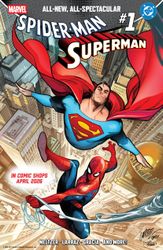
2. Callum's Comicbook Arc-ade ep-02 superman/Spider-man 2026 crossover
46:24||Season 1, Ep. 2THE SUPER‑SPIDER CROSSOVER CAST (2026) Two heroes. Two publishers. One legendary event. The Super‑Spider Crossover Cast dives head‑first into the 2026 comic‑book phenomenon that brought Spider‑Man and Superman together in a way fans never thought possible.We explore the art, the writing, the villains, the Easter eggs, and the jaw‑dropping moments that had the comic community buzzing for months. Whether you’re here for Peter’s quips, Clark’s hope, or the sheer chaos of universes colliding, this show celebrates every panel of this once‑in‑a‑generation crossover.