Share

Latest episode
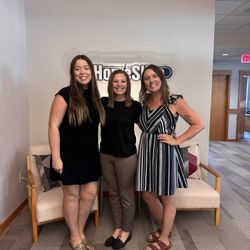
40. Why Public Schools Belong to All of Us
29:50||Season 2, Ep. 40What happens when your kids graduate from public school? For Holly Knox, you keep showing up.Community advocate, nurse and parent of two former Rapid City Area Schools students Holly Knox joins Sara Hornick and Bobbi Schaefbauer to talk about why supporting public education doesn’t end when your own children leave the classroom.Holly shares what she learned while helping select the district’s Teacher of the Year, including the incredible work happening behind classroom doors and the innovation, creativity and dedication teachers bring to their students every day. The conversation also celebrates a remarkable year of recognition for RCAS staff and explores why community involvement, accurate information and understanding the “why” behind school decisions matter.From Facebook comments and heat dismissals to Nerf football, spelling bees, chili and sweet rolls, and the teacher Holly still remembers decades later, this episode is a reminder that schools are about much more than the students sitting in classrooms today. They help shape the community all of us will share tomorrow.As Holly puts it: “If not us, then who?”
More episodes
View all episodes
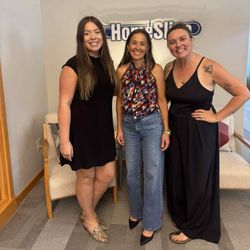
39. Great Schools Don’t Happen by Accident
29:45||Season 2, Ep. 39What does it take to build strong schools, strong kids and a thriving community? Sara Hornick and Bobbi Schaefbauer sit down with Jacqui Dietrich, president and CEO of the John T. Vucurevich Foundation, to talk about Education for Every Child, a community campaign built around the belief that when children succeed, the entire community succeeds.Jacqui shares how the foundation is investing in Rapid City families, from early learning and child care to workforce opportunities, basic needs and affordable housing. The conversation also explores the people and moments in public education that can change the direction of a child's life, sometimes through something as simple as a teacher seeing potential in a student before they see it in themselves.They also dive into the campaign's "force of nature" message, why supporting public education matters even if you don't have children in school, and the many ways people can show up for their neighborhood schools. Because great schools don't happen by accident. They happen when a community decides its kids are worth investing in.
38. You Can’t Be What You Can’t See
21:49||Season 2, Ep. 38What if students could try on a career before deciding their future?In this episode of the Public School Podcast, Sara Hornick and Bobbi Schaefbauer sit down with Colleen Bsharah, senior career development consultant with Sanford Health and a new Rapid City Public School Foundation board member, to talk about Aspire by Sanford and the opportunities it is creating for local students.From job shadowing and hands-on healthcare activities to high school internships where students become actual Sanford Health employees, Aspire is helping students discover what working in healthcare really looks like. And that means far more than becoming a doctor or nurse. Students are being introduced to careers in radiology, physical therapy, laboratory work, anesthesia, human resources, marketing and many other areas they may never have considered.Colleen also explains why career exploration should begin long before college, how Sanford is tailoring programs for students from kindergarten through high school, and why discovering what you don't want to do can be just as valuable as discovering what you do.Plus, Colleen talks about joining the Rapid City Public School Foundation board, the teacher who made a lasting impact on her, her love of square school pizza and why investing in public education is really an investment in the future of the entire Rapid City community.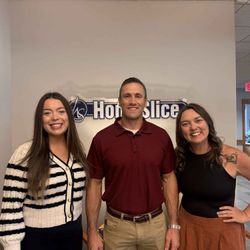
37. What Rapid City Voters Need to Know
51:29||Season 2, Ep. 37Rapid City Area Schools Chief Financial and Operations Officer Coy Sasse joins Sara Hornick and Bobbi Schaefbauer to break down the proposed $107 million school bond and answer some of the biggest questions surrounding it. What exactly would the money pay for? Why can’t the district use the money it already has? Where does lottery money actually go? How could the bond affect property taxes, and what happens if it doesn’t pass?Coy explains the projects included in the proposal, from HVAC and safety upgrades to a new elementary school and renovations at existing schools. He also discusses how bond dollars would be monitored, the district’s long-term facilities plan and why Rapid City’s continued growth is part of the conversation.It’s a numbers-heavy topic without the numbers-heavy headache, giving listeners information they can use to better understand the proposal before heading to the polls Nov. 3.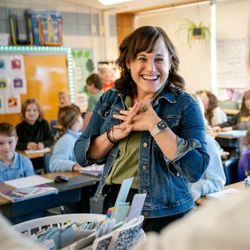
36. Who Will You Show Up For?
15:17||Season 2, Ep. 36Rapid City Area Schools Teacher of the Year Katey Swank thought she had it all figured out when she walked into her first classroom. By the end of day one, she was sitting in a tiny chair trying not to cry.Then someone showed up for her.Twenty years later, Katey shares how that simple act of support helped shape the teacher, mentor and colleague she would become. From the educators who helped her find her footing to the students who discovered they could help each other grow, Katey reflects on why collaboration is about much more than meetings, committees or programs.It’s about people.In this special episode of the Public School Podcast, Katey shares a powerful message about belonging, teacher retention, community and the relationships that keep educators going when the work gets hard. And she leaves all of us with one question worth carrying into the school year: Who will you show up for?Photo Credit: Jesse Brown Nelson, BHFCU’s School Support Drive
35. Growing More Than Lettuce
33:06||Season 2, Ep. 35What happens when three fifth-grade teachers decide to grow a garden inside their school? A whole lot more than lettuce.Meadowbrook Elementary teachers Katie Swank, Kylie Blank and Lacey Brown join Sara Hornick and Bobbi Schaefbauer to share how a hydroponics project turned into a hands-on learning experience for their students. With support from the Rapid City Public School Foundation, Meadowbrook PTA and Nerdy Nuts, students took ownership of two hydroponic towers, learning how to plant, monitor pH levels, maintain the system, document their progress and eventually harvest what they grew.But the lessons went far beyond science. Students learned patience, teamwork, communication, responsibility and even how to teach younger students about hydroponics. They harvested lettuce that was served during school lunch, grew flowers for teachers and discovered firsthand where food comes from.The teachers also share the moments when things did not exactly go according to plan, including walking into school to find a hydroponic leak and a whole lot of water.Now the project is growing again. Meadowbrook fifth graders are taking what they learned outdoors with plans for a new garden, while adding lessons in financial literacy and exploring how the food they grow could be shared with families and the community.It all started with a teacher who loved gardening, a grant application and a willingness to try something completely new. Now it is creating the kind of school memories students may carry with them long after fifth grade.
34. Turns Out, LEGOs Are Homework
19:47||Season 2, Ep. 34What happens when Newton’s laws meet a box of LEGOs? East Middle School science teacher Tiffany Wolla joins Sara Hornick and Bobbi Schaefbauer to share how she’s turning science lessons into hands-on experiences that get students building, experimenting and problem-solving.With support from a Rapid City Public School Foundation grant, Tiffany brought LEGO-based learning into her classroom to help students see concepts like force, motion, action and reaction happen right in front of them. She shares how the project has helped reach visual and hands-on learners, challenged advanced students and created opportunities for students to learn from one another in small groups.The conversation also explores why classroom innovation matters, how Foundation grants can help teachers bring ideas to life and why sometimes the best learning happens when students don’t even realize they’re learning.Plus, Tiffany talks about the teacher who inspired her, her love of math and science, her favorite school lunch and why the diversity she sees every day is one of the reasons she loves public education.