Share
The Parenting Cipher
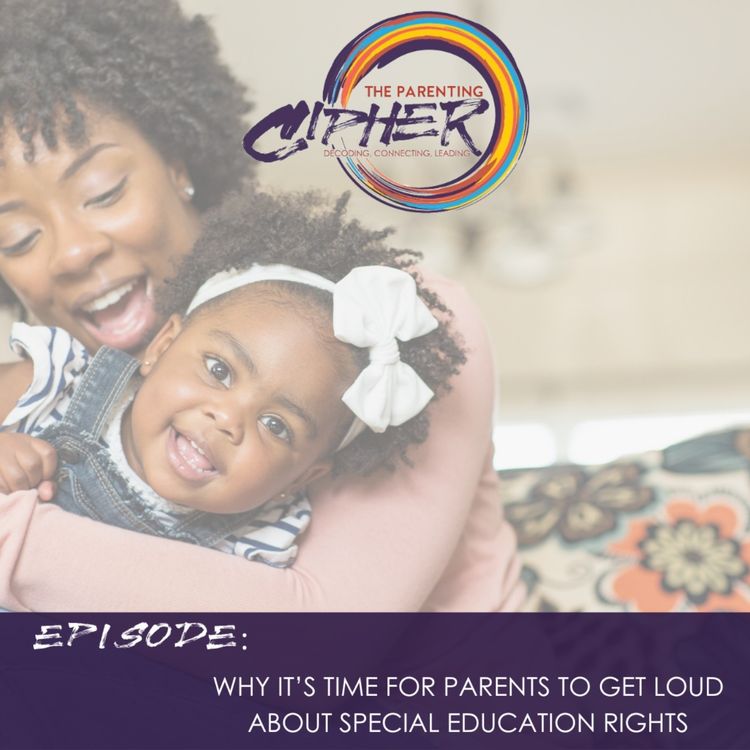
Why It’s Time for Parents to Get Loud About Special Education Rights
In this episode of The Parenting Cipher, host Genie Dawkins returns with powerful honesty and clarity, reflecting on the personal and policy-level challenges facing parents—especially Black families raising neurodiverse children—in a shifting America. Genie shares her experiences as a single mom navigating school journeys, special education, and a rapidly changing landscape of educational protections. With warmth and wisdom, she highlights the current dismantling of key educational policies, the emotional toll of advocacy, and the critical importance of community, knowledge, and self-care. She also introduces exciting new features for the season, from advocacy tips to policy updates and practical resources.
Key Takeaways- Why Pausing Matters: Genie reveals how taking time to pause and reflect—especially when everything feels overwhelming—can lead to clarity, empowerment, and stronger advocacy for your children.
- Policy Changes Impacting Families: Understand the recent attacks on DEI initiatives, affirmative action, and special education protections, and why these matter deeply for minority and neurodiverse students.
- Federal vs. State Safeguards: Learn how the dismantling of federal education regulations could create uneven playing fields for students, leaving families fighting alone.
- Action Steps for Parents: Genie stresses the importance of keeping your child’s IEP or 504 plan “tight,” staying up to date on changes, and advocating with confidence during meetings.
- New Podcast Features: Get ready for weekly advocacy tips, parent stories, “Saturday Policy Watch” updates, templates, guides, and tools to help you show up empowered and save time and energy.
- Tricia Hersey – Rest is Resistance (The Nap Ministry)
- U.S. Department of Education – Office of Special Education Programs
- Understanding the Impact of State-Level Changes in Special Education
- Parent Advocacy Resources & Templates (Coming Soon from The Parenting Cipher)
- “You don’t heal by pushing harder. You heal by learning to pause gently and consistently, even while your brain tells you to keep going.”— Tricia Hersey (quoted by Genie Dawkins)
- “Education has always been a tool for minorities to level the playing fields, and right now, that’s being attacked.”— Genie Dawkins
- “We must advocate from a place of power, knowledge, and community. That’s why The Parenting Cipher is back. Because silence is not an option.”— Genie Dawkins
Genie Dawkins is the inspiring host of The Parenting Cipher podcast, an education consultant, and a passionate advocate for equity in special education. As a single mother of two neurodiverse sons, Genie brings authentic lived experience to every episode, empowering parents with strategies, insights, and compassion drawn from her own journey. Her mission is to help families, especially those from marginalized communities, navigate complex educational systems and fight for every child's right to be safe, supported, and seen.
🎙️ Stay connected with Genie Dawkins and The Parenting Cipher! Get expert support for special education, advocacy, and family success. Book a complimentary strategy session here, download your free guide “Top 10 Advocacy Mistakes to Avoid”, or inquire about podcast/media collaborations here. Follow on Instagram @geniedawkins and visit www.geniedawkins.com. Thanks for listening — let’s build powerful journeys together!
More episodes
View all episodes
Slow the Season Down
35:48|In this special bonus episode, I’m sharing a spoken-word piece created just for The Parenting Cipher community — a moment of calm in a season that can feel loud, rushed, and overwhelming for our neurodivergent kids and for us as parents.“We Slow the Season Down” is a reminder that even when the world moves too fast, we have the power to create space, steady the pace, and protect our children’s peace. If your child struggles with sensory overload, holiday transitions, or emotional fatigue this time of year, this one is for you.Take a breath with me.Settle your shoulders.Let this piece hold you for a moment.Quiet is our superpower.And together, we slow the season down.When you’re ready for more support, join me in the latest episode, “Beyond Report Cards: Recognizing Progress in Neurodivergent Children,” where we talk about the everyday wins we often overlook — and why they matter more than grades.Share this bonus track with a parent who needs a soft place to land today.
Beyond Report Cards: Recognizing Progress in Neurodivergent Children
37:23|Do you find yourself worrying that your child’s academic progress—and your own parenting—are being measured only by grades and big milestones? In this heartfelt episode of The Parenting Cipher, Genie Dawkins explores how parents can recognize and celebrate the quieter wins, support their children’s unique strengths, and give themselves grace—all while navigating the pressures of expectations at home and at school.Episode Summary:In this episode Genie Dawkins invites parents to take a step back and look beyond report card letters to the subtle, meaningful growth happening in their children’s lives—and in their own parenting journeys. Drawing from personal experience and W.E.B. Du Bois’ concept of double consciousness, Genie Dawkins discusses the internal pressures often faced by Black parents and neurodivergent children, the pitfalls of perfectionism, and the value of pausing to notice progress that isn’t always obvious. She shares stories about her children’s experiences with special education, the importance of validating small victories, and introduces practical strategies like "child mirroring" and "parent mirroring" for reflection and growth.Key Takeaways:Why it’s essential to move beyond letter grades as the sole measure of progress, especially for neurodivergent childrenThe impact of double consciousness on parents’ and children’s expectations of excellenceHow to spot subtle signs of emotional growth, resilience, and self-advocacy in your childWays to use “child mirroring” and “parent mirroring” to recognize internal and often overlooked winsThe importance of praising both your child and yourself for small steps forwardHow slowing down and being intentional can create a more supportive environment for your whole familyLinks and Resources:Learn more about "double consciousness"Parenting resources from The Parenting CipherUnderstanding Individualized Education Programs (IEPs)Child Mind Institute: Emotional Regulation and ResilienceQuotes:"Sometimes the biggest growth our children make is silent. And sometimes the biggest growth we make as parents goes unnoticed too." — Genie Dawkins“Give them praise. Tell them, like, I’m so happy... That’s acknowledging something they may not even acknowledge.” — Genie Dawkins“Slow it down sometimes where you can appreciate what you’ve done for your child and how far they’ve come. Look at the small things, not just the big things, right?” — Genie DawkinsShort Biography for Speaker:Genie Dawkins is the host of The Parenting Cipher, a parent advocate, and special education strategist with lived experience raising neurodivergent children. She is passionate about empowering parents to navigate school systems, nurture their children’s gifts, and embrace their own wins along the way. Through stories, guidance, and community-building, Genie brings clarity, empathy, and actionable insight to families walking the path of special education and personal growth.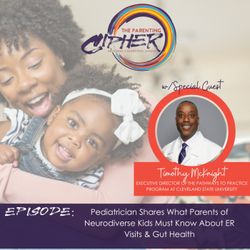
Pediatrician Shares What Parents of Neurodiverse Kids Must Know About ER Visits & Gut Health
49:33|Have you ever felt lost or anxious when your child gets sick—especially when trying to navigate the healthcare system as the parent of a neurodiverse or minority child? Wondering how to advocate confidently for your child’s medical needs or open doors that support their long-term success, from managing acute illness to exploring STEM careers?In this powerful episode of The Parenting Cipher, Genie Dawkins sits down with retired pediatrician and executive director Dr. Timothy McKnight to unpack what it really looks like to advocate for your child’s health and academic future. From surviving the ER to nurturing medical school dreams, this conversation blends personal stories, expert guidance, and practical steps parents can use right away.Episode SummaryGenie talks with Dr. Timothy McKnight—second-generation African American physician, former pediatric ER doctor, and now leader of the Pathways to Practice program at Cleveland State University. He breaks down how parents can communicate effectively with doctors, document symptoms, support gut and immune health, and navigate disparities that impact neurodiverse and minority children. You’ll also learn how representation in healthcare shapes confidence, access, and opportunities for kids of color who dream of careers in medicine.Key TakeawaysTrust Your Instincts: Parental intuition is real. Dr. McKnight stresses that doctors must listen when parents express concerns.Document Everything: Bring a thermometer, track symptoms, note changes, and record medication responses. Clear documentation helps doctors make better decisions.Tell the Story: Arrive prepared to share your child’s history calmly and thoroughly. Your narrative guides the medical team.Gut Health & Neurodiversity: Probiotics, fiber, and balanced nutrition play an important role in mood, behavior, and overall wellness—especially for neurodivergent kids.Help for Picky Eaters: Dr. McKnight shares realistic supplement strategies for children with sensory challenges or restrictive diets.Understanding Health Disparities: Families in urban and underserved communities often face unique barriers. Providers who reflect the community can help bridge trust and outcomes.Pathways to Medical Careers: The Pathways to Practice program offers wraparound support for underrepresented students who want to enter medical, dental, or health professions.Advocacy Saves Lives: You don’t need the “right” words—just persistence. Ask questions, keep notes, and get second opinions when needed.Links & ResourcesDr. McKnight’s Pediatric Wellness Products mcknightmd.com — probiotics, multivitamins, fiber, gummies, and more with transparent ingredients.Cleveland State University – Pathways to Practice A program supporting underrepresented students pursuing healthcare careers.Parent Tip: Use your phone’s voice memo app to track symptoms, meds, and questions before appointments.Speaker BiographyDr. Timothy McKnightRetired pediatrician, second-generation African American physician, and executive director of Pathways to Practice. Passionate about mentoring diverse future healthcare professionals and creator of a pediatric wellness supplement line.
From Chaos to Calm: Holiday Survival Strategies for Neurodiverse Kids
30:03|Ever wonder how you can keep your neurodiverse child regulated and happy amid the overstimulation, social pressures, and chaos of the holiday season? In this episode of The Parenting Cipher, Genie Dawkins shares her personal journey of navigating holiday triggers, family microaggressions, and anxiety—while empowering parents with practical tools to help their neurodiverse kids find calm during potentially stressful family gatherings.Episode Summary:When Genie Dawkins’ children were first diagnosed with ADHD and anxiety, the holidays became a source of stress with sensory overload, unpredictable changes, and tense family dynamics. She breaks down what holiday triggers look like, how dysregulation manifests, and the ways families can unintentionally escalate anxiety—then introduces the Calm Calendar concept, parent modeling, and her signature “Three Cs” holiday survival framework. Genie gets real about the emotional toll of microaggressions from family, shares the power of creating safe spaces, and gives actionable advice for celebrating progress—big and small—in any family setting.Key Takeaways:What holiday triggers and dysregulation look like for neurodiverse childrenWhy “just calm down” doesn’t work—kids need routines, visual aids, and modeling of calm behaviorThe importance of parent self-regulation and how your anxiety impacts your childHow to build predictability: using the Calm Calendar, prepping for transitions, and previewing eventsUnderstanding microaggressions and the emotional labor of defending your child’s diagnosis and needsThree Cs Framework for a peaceful holiday: Create Space, Communicate Clearly, Celebrate ProgressHow to set up sensory-friendly environments, safe spaces in relatives’ homes, and open conversations about expectationsWhy recognizing and celebrating every small win matters for building confidence and resilienceLinks and Resources:Holiday Survival Checklist (download from Show Notes)Child Trends Report on Childhood Anxiety Disorders (for statistics referenced)Jodi Aman on Parent Modeling (past episode guest)Quotes:“Just telling them to calm down is kind of like up in the air—they need someone to show them what that looks like.”“Parent modeling is defined as children learning behaviors, attitudes, and emotional responses by observing their parents...it’s a powerful learning tool.”“So many unconscious conversations with family build up your anxiety—and that builds up your children's anxiety.”“The real flex is finding peace without losing your purpose or your mind.”Speaker Biography: Genie Dawkins is the host of The Parenting Cipher podcast, special education advocate, and a mother of two neurodiverse sons. Genie uses her lived experience—and a dash of hip-hop wisdom—to empower Black and neurodiverse families to decode school systems, build resilience, and protect their peace. Her work highlights mental health, intersectionality, and practical action for parents navigating advocacy, school policy, and everyday family life.
Why Micro Schools Are the Key to Equitable Education for Black Students
01:02:51|Are you wondering if a micro school could finally be the answer to your child’s need for a truly personalized and joyful learning experience—especially if you’ve watched them struggle or feel invisible in traditional classrooms?In this episode of The Parenting Cipher, host Genie Dawkins sits down with Nicole Stewart Jones, founder and president of the National Association of Black Micro School Leaders, to break down what micro schools are, why they’re transforming education for Black and Brown families, and how you can access this growing movement. Together, they share personal journeys as parents to neurodiverse children and passionate advocates for equitable education, giving you a window into the real-life impact of micro schooling—and practical strategies for making this option a reality in your own world.Key Takeaways:Discover what a micro school really is, how it differs from traditional and charter schools, and why flexibility is built-inLearn how micro schools support neurodiverse learners—without the need for constant battles for accommodationsSee why personalized, project-based learning and small class sizes create space for every child to shine, build resilience, and fall in love with learningUnderstand the financial options available—including education savings accounts—and how advocacy is expanding access for all familiesExplore strategies for parents to become active partners in their child’s education and why “prescriptive” learning is the futureHear how Black-led micro schools are designing curriculum to honor culture, celebrate excellence, and transform whole communitiesLinks and Resources:National Association of Black Micro School Leaders (NABML): Learn more or connectEducation Savings Account Programs by State (EdChoice): Find your state's optionsNational Parents Union Poll: Read the latest research on school choice and flexibilityThe Parenting Cipher Instagram: Follow Genie Dawkins and the showQuotes:“Micro schools are prescriptive. They’re the solution as it pertains to your child’s education.” — Nicole Stewart Jones“Micro schooling is the prescription—when your child gets to understand they are not strange; they just think differently.” — Genie Dawkins“For Black and Brown communities, micro schools are more than just about education. It’s about transformation.” — Nicole Stewart JonesSpeaker Biographies:Nicole Stewart Jones: Founder and president of the National Association of Black Micro School Leaders, Nicole Stewart Jones is an educator with over 18 years of experience as a teacher and administrator in public schools. A mother of four—including two neurodiverse children—she launched Legacy Prep Christian Micro School and became a leading voice advocating for equitable, culturally responsive micro schools. Nicole’s work centers on empowering entrepreneurs, parents, and leaders to revolutionize education for Black and Brown communities.Genie Dawkins: Host of The Parenting Cipher, Genie Dawkins brings her lived experience as a parent navigating IEPs, school systems, and special education. A vocal advocate and community strategist, Genie champions transparency, parent empowerment, and creative solutions for all families, with a special focus on neurodiversity and Black parent experiences.
Don’t Get Blindsided: Thrive Under 2025’s New IEP Rules
56:20|Are you wondering what the 2025 shakeup in Special Education means for your child’s IEP—and how to protect the services and rights they desperately need? In this episode, Genie Dawkins breaks down the sweeping changes on the horizon, from federal policy shifts to state law surprises, and gives you the must-have strategies to keep your family ahead in the IEP fight.From the threat of dismantling the Department of Special Education, block grants, and vouchers, to new state rules about discipline and attendance, Genie Dawkins unpacks what’s changing, what’s at risk, and—most importantly—where parents need to focus their advocacy. With real-life stories and actionable tips, she coaches parents on building airtight IEPs, documenting everything, and finding their power in the face of confusing regulations and new threats.Key Takeaways:Understand the 2025 Shakeup: How the federal government’s proposed moves—including closing the Special Education Office and shifting IDEA to Health and Human Services—will affect special education oversight, funding, and student protections.What Block Grants and Vouchers Really Mean: Why losing federal rules and protections threatens equal access to needed services, especially for low-income and minority students.State-by-State Risks and Wins: Learn which states are strengthening student protections (like California’s early transition planning and restraint bans) and which are putting families at risk through stricter attendance and discipline reporting.Steps to Advocate NOW: The urgent action checklist to document services, update IEPs, push for rehabilitative/vocational goals, and shield your child from harmful discipline policies.Documentation is Your Power: Why keeping notes, sending confirmation emails, and getting everything on record is vital—especially when offices and laws are shifting under your feet.Build Your Advocacy Community: Where to find nonprofit and pro bono support, and how to ask for your own parent accommodations in meetings.Links and Resources:Free Checklist Guide: 2025 IEP Advocacy Checklist Advocacy Organizations List – For legal support, IEP meeting assistance, and educational equity Template Letters for Attendance Accommodation – Sample email to request excused absences and attendance support Child Trends Report – For research on discipline disparities and school-to-prison pipeline risksSpeaker Biography:Genie DawkinsHost of The Parenting Cipher, Genie is an experienced parent advocate and IEP expert with decades of firsthand experience navigating public school special education systems, especially in urban and underserved communities. Genie combines professional research, personal victories, and battle-tested coaching to help parents demystify the IEP process, build confidence, and protect their children’s educational rights against shifting policies and school resistance. She’s committed to practical solutions, community-building, and empowering families to “fight the powers that be.”
Sensory-Friendly Halloween: Tips to Prevent Meltdowns
16:12|Have you ever watched your child struggle with Halloween costumes, loud noises, or unpredictable sights and wondered, “Is Halloween supposed to be this overwhelming for neurodiverse kids?” In this episode of The Parenting Cipher, host Genie Dawkins unpacks the sensory challenges that come with Halloween and offers real-life solutions so your family can enjoy a safe, comfortable, and fun celebration—on your own terms!Genie shares her personal experiences as a mom to two children on the spectrum and walks listeners through strategies to avoid sensory overload, advocate for your child, and customize the Halloween experience to suit everyone’s needs. Whether you’re navigating itchy costumes, navigating spooky houses, or looking for alternative ways to celebrate, this episode is packed with encouragement, practical tools, and ways to empower your child to self-advocate.Key Takeaways:Redefine enjoyment: Support your child’s unique needs by allowing them to celebrate Halloween in ways that feel safe and comfortable for them.Costume comfort comes first: Use soft fabrics, remove tags, allow dress rehearsals, and remember—theme pajamas totally count!Prepare for sensory input: Use visual stories, practice routes, and try out community or mall events before Halloween night.Adjust your plans: Trick-or-treat early, visit quieter neighborhoods, and map out your strategy to avoid overwhelming situations.Sensory bag essentials: Pack headphones, fidget toys, sunglasses, chewy necklaces, or anything that helps your child self-regulate.Communication matters: Use scripting, AAC devices, and empower your child to signal when they need a break.Alternative celebrations: Consider indoor hangouts, movie nights, candy swaps, or sensory-friendly community events.Listen and validate: Acknowledge your child’s anxiety by offering comfort and reassurance, not dismissal.Progress, not perfection: Each year is a step forward; patience and flexibility go a long way.Links and Resources:Halloween Sensory Checklist Download (Check the show notes for the link!)Attitude Magazine Sensory-Friendly EventsThe Parenting Cipher on InstagramLocal community and library event pagesAAC Apps with Halloween templates (see your preferred app store)Quotes:“It’s not bad behavior. It’s sensory overload.” — Genie Dawkins“Part of supporting our kids is redefining what enjoyment looks like for them.”“Predictability makes them feel safe.”“Every opportunity that your child interacts socially in the world, we want to gain skills that empower them to say when they are overwhelmed or need to take a break.”Speaker Biography: Genie Dawkins is the host of The Parenting Cipher, a podcast dedicated to decoding the everyday experiences of parenting neurodiverse kids. As an advocate, writer, and mom to two children on the autism spectrum, Genie brings honesty, warmth, and lived wisdom to every conversation, empowering parents to navigate challenges and celebrate victories—big and small. Follow her on Instagram at @theparentingcipher for ongoing family advocacy and neurodiverse learning tips.
How to Set SMART Advocacy Goals for Your Child’s Success in 2025
38:57|Have you ever felt overwhelmed advocating for your child's education, juggling family life, and maintaining your own health?In this empowering episode, Genie Dawkins reflects on her 2024 advocacy journey and shares actionable steps to help parents create impactful advocacy goals for 2025. From transitioning her son between educational settings to addressing challenges like inadequate special education support, Genie’s insights are both relatable and transformative.Discover how to balance advocacy, family priorities, and self-care while ensuring your child thrives. Whether you're tackling IEPs, building clarity around your child’s needs, or celebrating small wins, this episode is packed with tools to empower you for the year ahead.Key TakeawaysAdvocacy Lessons Learned: Transitioning between schools reveals gaps and opportunities to strengthen advocacy strategies.Customized Education Matters: Tailored programs are essential, especially for children with learning disabilities like dyscalculia.Mental Health as Advocacy Fuel: Prioritizing your own well-being is key to effective advocacy and overall family health.Setting SMART Goals: Break down advocacy goals into small, achievable steps for clarity and progress.Self-Care & Celebrating Wins: Recognize and celebrate milestones—both yours and your child’s—on the journey.Resources & LinksGoal-Setting Worksheet: Download hereThe Parent's IEP Fast Track Package: Work with me, one-on-one, to create an advocacy plan that's uniquely yours. " Limited Offer"Mental Health Apps: Explore resourcesWrightslaw: Visit WrightslawUnderstood.org: Check out Understood.orgQuotes to Inspire💬 "Advocacy isn’t a sprint; it’s a journey with small wins that build big successes."💬 "Involving your child in setting their goals makes advocacy more meaningful and achievable."💬 "You are the architect of your child’s success—clarity and purpose are your tools."About the HostGenie Dawkins is the host of The Parenting Cipher podcast, a best-selling author, and an advocate for neurodiverse children. With years of experience navigating IEPs, special education, and family life, Genie offers actionable advice and resources for parents. Her mission is to empower families to create successful educational and life outcomes while fostering well-being and balance.Join the ConversationWhat’s your #1 advocacy goal for 2025? Share it with us on social media using the hashtag #ParentingCipherAdvocacy. Let’s build a community of empowered parents making impactful changes together!🎧 Listen now and start creating advocacy goals that help you and your child thrive!