Share
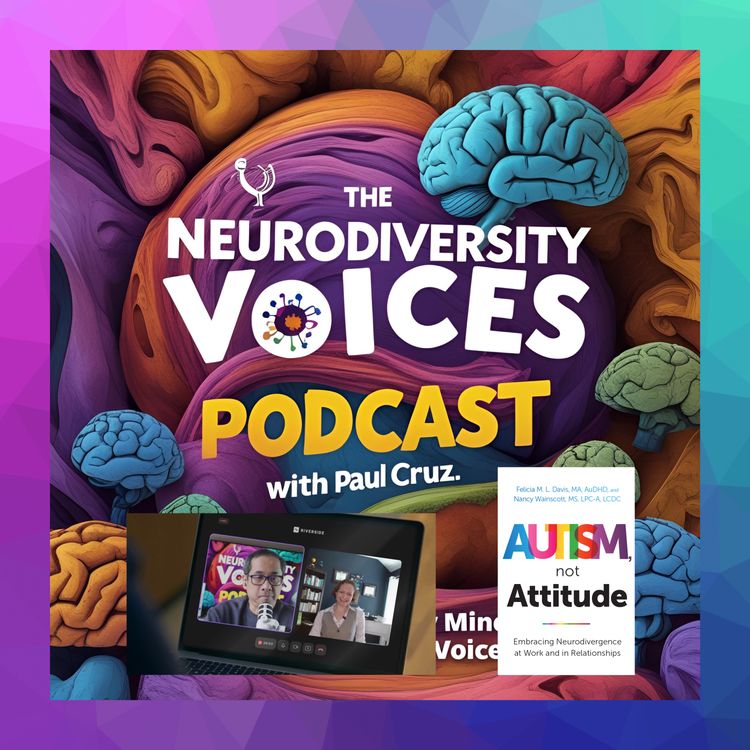
The Neurodiversity Voices Podcast
Autism, Not Attitude: Why Workplaces Misunderstand Neurodivergent Employees with Felicia Davis
In this episode, Felicia M. L. Davis breaks down how autism and ADHD show up in everyday conversations, workplaces, and relationships—and why so many neurodivergent people are misunderstood. From literal thinking and missed social cues to masking, burnout, and workplace bias, this conversation reveals the hidden cost of not understanding how different brains work.
We also explore what leaders and organizations can do differently—right now—to create more inclusive, productive environments.
If you’re a manager, partner, or someone who’s ever felt misunderstood, this episode will change how you see communication.
Felicia M. L. Davis is an advocate, speaker, and business leader who brings lived experience and practical insight to conversations about autism, ADHD, leadership, and inclusion. In this episode, she shares her personal journey toward diagnosis and the lessons she has learned navigating work, communication, relationships, and systems that often misunderstand neurodivergent minds.
She is also the co-author of the upcoming book: Autism, Not Attitude: Neurodivergence at Work and in Relationships (https://feliciamldavis.com/book) Eunoia Thinking: www.eunoiathinking.com
This episode is especially valuable for:
- Neurodivergent adults
- Managers and team leaders
- HR and DEI professionals
- Spouses and family members
- Educators and support professionals
- Anyone who wants to better understand communication differences and build more inclusive environments
Too many neurodivergent people spend years being misunderstood before they are ever supported. This episode brings language, clarity, and compassion to experiences that are often dismissed or misread.
Felicia reminds us that understanding neurodivergence is not about lowering expectations. It is about creating the conditions for people to thrive.
If this conversation resonated with you, share it with:
- a manager
- an HR leader
- an educator
- a spouse or family member
- someone beginning to explore whether they may be neurodivergent
Because understanding changes everything.
Amplifying real voices. Real stories. Real impact.
Follow The Neurodiversity Voices Podcast so you never miss new conversations about autism, ADHD, and neurodivergent experiences. Follow to get notified when new advocates, educators, and lived-experience experts join the show. Rate us, and share an episode with people you know or love.
The Neurodiversity Voices Podcast is currently #2 in the Top 100 Neurodiversity Indie Podcast among millions of podcasts on the Goodpods platform, ranked by listens, ratings, comments, subscriptions, and shares.
The Neurodiversity Voices Podcast is currently #6 in the Top 100 Neurodiversity Podcasts All Time among millions of podcasts on the Goodpods platform, ranked by listens, ratings, comments, subscriptions, and shares.
Website: www.neurodiversityvoices.com
More episodes
View all episodes
35. Neurodiversity Voices Mini #1: Reflections from the Employ to Empower Summer Make Change Market
08:50||Ep. 35Welcome to the very first Neurodiversity Voices Mini!In this special short-form episode, host Paul Cruz shares reflections from the Employ to Empower Summer Make Change Market held on May 28 at Bentall Centre in Vancouver, British Columbia.This community-focused event brought together advocates, employers, organizations, and community members committed to creating more inclusive opportunities for neurodivergent individuals and people with disabilities. Paul reflects on the meaningful conversations, connections, and shared commitment to accessibility, belonging, employment inclusion, and neurodiversity awareness that made the event so impactful.Paul also provides an important update regarding The Neurodiversity Voices Podcast's "$5 Helps Make Change" donation postcard campaign. During the event, some supporters who received donation postcards encountered an issue with the donation link that incorrectly requested a Business ID number. The issue has now been fully resolved.If you received a donation postcard at the Make Change Market or while passing through Bentall Centre and were unable to complete your donation because of this issue, you are encouraged to try again using the same link.In this episode, you'll hear about:• Reflections from the Employ to Empower Summer Make Change Market in Vancouver• Building community through neurodiversity advocacy and storytelling• Why lived experience matters in creating meaningful change• The importance of accessibility, inclusion, and belonging• An update on the "$5 Helps Make Change" donation campaign• Lessons learned from engaging directly with the community• The launch of the new Neurodiversity Voices Mini seriesWhether you're autistic, ADHD, dyslexic, or otherwise neurodivergent, a parent, educator, employer, advocate, or ally, this episode highlights the power of community connection and the importance of amplifying neurodivergent voices.Thank you for supporting The Neurodiversity Voices Podcast and helping us create a world where every mind belongs.#Neurodiversity #Neurodivergent #Autism #ADHD #DisabilityInclusion #Accessibility #EmploymentInclusion #CommunityBuilding #Advocacy #Vancouver #NeurodiversityVoicesPodcast #LivedExperience #Belonging #Podcast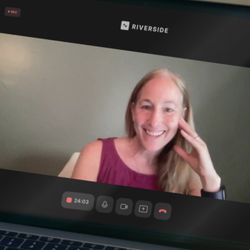
34. ADHD Burnout & Neurodivergent Mental Health: Navigating the Messy Middle with Lisa Richer
47:38||Ep. 34What if burnout wasn’t the end of your story — but the beginning of becoming who you were meant to be?In this episode of The Neurodiversity Voices Podcast, host Paul sits down with Lisa Richer, a neurodivergent success partner, consultant, advocate, and former elite gymnast whose work helps people navigate what she calls “the messy middle.”Lisa shares her personal journey through burnout, late diagnosis, parenting neurodivergent children, workplace challenges, and rediscovering her identity after years of survival mode. Together, they explore the emotional realities of neurodivergence, the pressure always to be “the strong one,” and why growth often happens in uncertainty rather than in clarity.The conversation also dives into Lisa’s framework of clarity, confidence, and courage — and how learning to ask for help can become the first step toward transformation.Whether you’re neurodivergent yourself, supporting someone who is, or navigating your own version of the messy middle, this episode offers an honest and deeply human conversation about identity, resilience, and self-trust.Memorable Quotes“Sometimes the hardest breakdowns in our lives are the beginning of becoming who we were meant to be.”“Growth doesn’t happen in certainty. It happens in the messy middle.”“You don’t have to do it alone — and you don’t have to stay stuck.”“My neurodivergence is my greatest gift.”Book: Confident You - The Raw Conversations: Real Stories of Courage, Healing, and Redefining Confidencehttps://confidentyoubook.com/Event MentionIf you’re in Vancouver, come visit Paul at the Employ to Empower Summer Make Change Market on May 28, 2026, from 1:00–5:00 PM at the Breezeway at Three Bentall Centre, located at 595 Burrard Street, Vancouver, BC.Stop by the booth, say hello, and connect with the community.Subscribe & SupportIf you enjoyed this episode of The Neurodiversity Voices Podcast, be sure to subscribe, leave a review, and share the episode with someone who may need to hear this conversation.Your support helps amplify neurodiverse voices and lived experiences.33. Rethinking Neurodiversity: Inclusive Systems, Autism & ADHD Communication, and the Future of Accessibility
54:22||Ep. 33We’ve been taught there’s a “right” way to think, communicate, and behave.But what if that assumption is the problem?In this episode of The Neurodiversity Voices Podcast, Paul Cruz sits down with Justine Jecker to explore how neurodiversity is reshaping our understanding of communication, systems, and human difference.This conversation goes beyond awareness.It challenges how workplaces operate, how healthcare communicates, and how society defines “normal.”Together, they explore what happens when we move away from fixing individuals—and start redesigning the systems around them.Connect with Justine Jecker on LinkedIn: https://www.linkedin.com/in/justine-v-jecker/Learn more about neurodiversity in healthcare and workplace systemsIf there’s one idea to carry forward from this episode, it’s this:When we stop trying to fix people,We start building systems that actually work for everyone.If this conversation resonated with you, follow The Neurodiversity Voices Podcast for more conversations on neurodiversity, systems, and lived experience.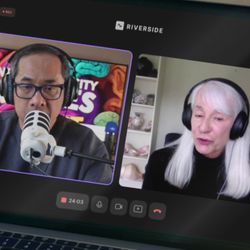
31. Beyond Productivity: Rethinking Human Worth, Neurodiversity & the Future of Work
50:55||Ep. 31What happens when a society decides your value is measured solely by what you produce?In this thought-provoking conversation, Helena St. George explores the chilling premise behind her novel Shattered but Not Silenced—a dystopian world where productivity determines survival. Drawing from her lived experience as a parent of neurodivergent children, Helena unpacks the emotional, political, and human stakes behind systems that prioritize output over humanity.This episode dives deep into autonomy, advocacy, quiet resistance, and what it truly means to be valued as a person—not a function.Powerful Moments“My art is my voice. Maybe one day they’ll listen.”“I didn’t want to make her likable—I wanted to make her relatable.”“The tragedy isn’t her autism. It’s the system.”“If you can lick a stamp, you’re employable… except stamps are self-stick now.”Who This Episode Is ForListeners interested in neurodiversity & advocacyFans of dystopian fiction with real-world parallelsParents navigating education systems and support servicesAnyone questioning how society defines value and successFinal ReflectionThis episode challenges a deeply ingrained belief: that our worth is tied to what we produce.Instead, it offers a more human truth—That value comes from perspective, presence, and individuality.Resources & LinksHelena St. George’s website: helenastgeorge.comShattered but Not Silenced - https://helenastgeorge.com/shattered-not-silencedClosing ThoughtIf a system only values productivity…Then resistance begins the moment you decide your humanity is enough.If this episode resonates, follow the show and share it with someone who needs to hear it.
30. Late-Diagnosed Autism in Women: Motherhood, Identity & Radical Acceptance
51:41||Ep. 30What happens when you spend years advocating for your autistic child…only to discover that you’re autistic too?In this special April episode of The Neurodiversity Voices Podcast, Paul Cruz sits down with Julie Green to explore late autism diagnosis, motherhood, masking, and identity.This episode is also a milestone.It marks the first anniversary of the podcastAnd coincides with World Autism Awareness DayTogether, these moments create space not just for awareness—but for reflection, nuance, and deeper understanding.Julie shares how her understanding of autism evolved—from early stereotypes shaped by media to a deeply personal realization that reframed her entire life.This conversation is about more than diagnosis.It’s about moving from self-blame → self-understanding, and learning to extend that same compassion to the next generation.As we recognize World Autism Awareness Day this April, this conversation invites us to move beyond awareness toward:understandingacceptanceand systems-level changeIt also marks one year of The Neurodiversity Voices Podcast—a year of centering lived experience, nuance, and meaningful conversations.Resources & LinksLearn more about Julie Green: https://juliemgreen.ca/Explore her memoir Motherness: https://juliemgreen.ca/books-1
29. When the System Is the Problem: Why Neurodivergent People Blame Themselves with Zack Yarde
50:40||Ep. 29In this reflective conversation, Paul sits down with Zack Yarde, neurodiversity researcher, systems thinker, and longtime leader in human services.Together they explore a question many neurodivergent people quietly carry:What happens when you realize the problem might not be you — but the system you're trying to exist inside?Zack shares insights from his work on workplace inclusion, leadership, and community spaces, including tabletop gaming environments that intentionally foster psychological safety.Rather than offering quick fixes, this episode invites listeners into a deeper conversation about curiosity, systems thinking, and the ways neurodivergent people are often asked to carry the burden of change alone.If you've ever questioned whether you're "too much," "not enough," or built differently than the systems around you, this episode is for you.Memorable Moments"We might get a good idea that helps one group — but when we apply it to everyone, we can accidentally exclude even more people.""Stop blaming yourself for being your own manifestation of neurodivergence.""True independence actually requires community."About the Guest:Zack Yarde is a neurodiversity researcher, leadership practitioner, and systems thinker focused on building more inclusive workplaces and communities.His work explores how organizational systems, leadership practices, and culture shape accessibility, psychological safety, and employee agency.Alongside his professional work, Zack is also involved in tabletop role-playing communities, where he facilitates collaborative storytelling spaces that support creativity and belonging.Connect With ZackLinkedIn: https://www.linkedin.com/in/zackyarde/You're Not Broken. The System Is: A Neurodiversity Voices Podcast Trailer
01:25|At what point do you stop asking "What's wrong with me?" and start asking "What's wrong with the system?"In this episode, Paul sits down with neurodiversity researcher Zack Yarde to unpack one of the most important mindset shifts for neurodivergent individuals: you are not the problem.Zach shares powerful insights on self-acceptance, the pressure to fit "typical" presentations of neurodivergence, and why organizations often fail at true inclusion. Together, they explore where inclusion efforts break down—systems, leadership, or culture—and why all three must work together to create meaningful change.This conversation is a reminder that authenticity isn't a weakness—it's a strength.The full episode of this conversation goes live on March 25.Make sure you're subscribed to The Neurodiversity Voices Podcast so you don't miss it—and be ready to join the conversation when it drops.28. Executive Functioning in Real Life: ADHD, Accountability & Building Neurodivergent Community with Lisa Shanken
30:08||Ep. 28Guest: Lisa Shanken, Executive Functioning Coach & Founder of Social BloomExecutive functioning isn't just about staying organized — it's about emotional regulation, follow-through, cognitive flexibility, and how we move through the world.In this episode of The Neurodiversity Voices Podcast, Paul Cruz sits down with Lisa Shanken, executive functioning coach and founder of Social Bloom, to explore why implementation is harder than planning, how accountability changes outcomes, and why structured community may be the missing piece for neurodivergent adults navigating loneliness.Lisa shares practical strategies for breaking patterns of dysregulation, explains the gut-brain connection in real-life terms, and discusses how Social Bloom and Love Bloom are creating structured, supportive spaces for authentic in-person connection.This conversation is grounded, hopeful, and deeply practical.Key TakeawayPeople aren't broken. They need systems that work for their brains.Connect with Lisa ShankenWebsite: https://lisashanken.com Schedule a free consultation directly through her site.