Share
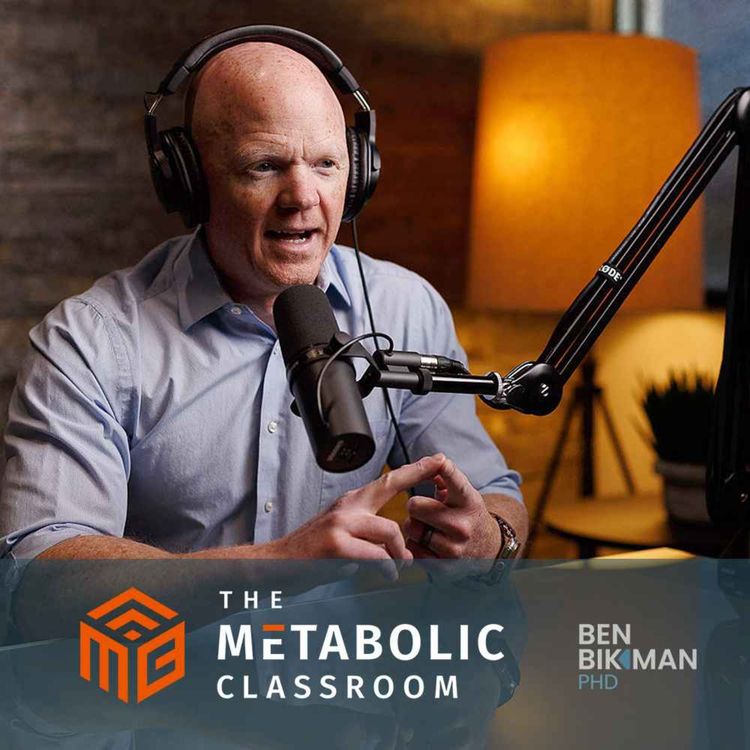
The Metabolic Classroom with Dr. Ben Bikman
Leaky Gut Explained: Dr. Ben Bikman on Gut Health and Inflammation
In this episode of The Metabolic Classroom, Dr. Ben Bikman explores the topic of leaky gut syndrome, explaining how substances enter the body through the intestines and how the gut acts as a controlled gateway.
While nutrients like amino acids, glucose, and fats are transported through the intestinal lining via a process called transcellular transport, problems arise when the tight junctions between the cells weaken. This can lead to harmful substances, including large molecules and microbes, passing into the bloodstream in a process known as paracellular transport.
A key player in leaky gut syndrome is the molecule lipopolysaccharide (LPS), which comes from certain gut bacteria. Under normal conditions, LPS stays in the intestines and is expelled with waste, but when it enters the bloodstream due to leaky gut, it can trigger a chronic inflammatory response. This inflammation is linked to conditions like obesity, heart disease, and fatty liver disease. Bikman emphasized that even low levels of LPS in the blood can promote insulin resistance, further contributing to metabolic disorders.
Several dietary and environmental factors can compromise the integrity of the gut barrier. Ben highlights the negative impact of fructose, which weakens tight junction proteins and promotes oxidative stress. Polyunsaturated fats from refined seed oils and gluten, especially in people with sensitivities, can also increase intestinal permeability. Additionally, chronic stress and alcohol consumption were identified as contributors to leaky gut.
On a positive note, Dr. Bikman discusses strategies to improve gut health, such as consuming short-chain fatty acids (like butyrate), found in dairy and certain fibers. He also mentioned the potential benefits of saturated fats, particularly from dairy, which may promote gut healing. Lastly, Dr. Bikman shares the role of LDL cholesterol as a “scavenger” that helps remove harmful LPS from the blood, suggesting its misunderstood importance in immune health.
00:00 Introduction to Leaky Gut
01:52 How Substances Enter the Body Through the Gut
03:58 Structure and Function of the Gut Lining
07:07 Normal Transport vs. Leaky Gut Transport
09:23 The Role of LPS in Leaky Gut and Inflammation
11:41 How LPS Affects the Body
12:45 Low-Grade Systemic Inflammation
15:23 Cardiometabolic Consequences of Leaky Gut
18:52 Dietary Triggers of Leaky Gut: Fructose and Seed Oils
22:14 The Impact of Gluten and Stress on Gut Health
24:05 Strategies to Improve Gut Health
25:09 Short Chain Fatty Acids and Saturated Fats for Gut Healing
28:08 The Role of LDL Cholesterol in Gut Health
31:16 The Importance of Fiber and Probiotics
33:32 The Rare Sugar Allulose and Gut Integrity
35:23 Conclusion and Practical Takeaways
My favorite meal-replacement shake: https://gethlth.com (discount: BEN10)
My favorite electrolytes (and more): https://redmond.life (discount: BEN15)
My favorite allulose source: https://rxsugar.com (discount: BEN20)
Study references referred to are available upon request. Email: support@insuliniq.com
More episodes
View all episodes
161. Why Your Body Chooses Sugar Over Fat
34:12||Ep. 161Question?📢 Ask Dr. Bikman’s Digital Mind (multilingual):https://benbikman.com/ben-bikmans-digital-ai-mind📢 Dr. Bikman’s Community & Coaching Site: https://insuliniq.comTopic:Insulin is one of the body’s most important signals for determining whether you burn glucose or fat: when insulin rises, fat release and fat burning fall, while lower insulin allows stored fat to become available for fuel. This helps explain why reducing carbohydrates can dramatically increase fat oxidation even without changing the body’s basic ability to burn fat.Summary:In this mini-lecture Ben explains what determines whether the body burns glucose or fat for energy. He begins with the Randle cycle, also called the glucose-fatty acid cycle, which describes how these two fuels compete with one another. But Ben emphasizes that simply having fat available does not mean the body will burn it. Insulin plays a major role in deciding which fuel gets used. When insulin rises after eating carbohydrates, it suppresses the release of stored fat from fat cells and also makes it harder for long-chain fatty acids to enter the mitochondria to be burned. As a result, the body shifts toward burning glucose. When insulin falls, stored fat becomes available again and can more readily enter the mitochondria for energy.Ben reviews human studies showing that carbohydrate restriction can dramatically increase fat oxidation, including research in endurance athletes who became highly efficient fat burners without sacrificing performance or muscle glycogen. He also explains what happens with insulin resistance: insulin can remain high enough to block fat burning in muscle while insulin-resistant fat cells continue releasing fatty acids, creating a metabolic mismatch that promotes fat accumulation in places such as the liver and muscle.The central takeaway is that fuel selection is not simply about calories or which fuel happens to be available. Insulin strongly regulates whether stored fat can be released and burned, which is why lowering carbohydrate intake can dramatically increase the body’s ability to use fat for fuel.References:For complete show notes and references, we invite you to become an Insider subscriber. You’ll enjoy real-time, livestream Metabolic Classroom access which includes live Q&A with Ben after the lecture, unlimited access to Dr. Bikman’s Digital Mind, ad-free podcast episodes, show notes and references, and Ben’s Weekly Research Review Podcast. Learn more: https://www.benbikman.comNOTE: The information presented is not intended to be a substitute for professional medical advice, diagnosis, or treatment. Dr. Bikman is not a clinician—and, he is not your doctor. Always seek the advice of your own qualified health providers with questions you may have regarding medical conditions.
160. The Biggest Myth About Mitochondrial Health
38:35||Ep. 160Question?📢 Ask Dr. Bikman’s Digital Mind (multilingual):https://benbikman.com/ben-bikmans-digital-ai-mind📢 Dr. Bikman’s Community & Coaching Site: https://insuliniq.comTopic:Mitochondria often struggle in insulin resistance not because they are broken, but because there are fewer of them trying to process too much incoming fuel. Exercise and improved metabolic health remain the most effective ways to build healthier mitochondria, while supplements may provide additional—but smaller—benefits.Summary:In this mini-lecture, Ben explains why mitochondria have become one of the most talked-about topics in health while separating scientific evidence from popular hype. He begins by reviewing how mitochondria convert the energy stored in carbohydrates, fats, and ketones into ATP, the usable energy that powers virtually every function in the body. Along the way, he explains concepts such as glycolysis, the Krebs cycle, the electron transport system, coupling versus uncoupling, and the production of reactive oxygen species. Ben then examines what happens in insulin resistance and type 2 diabetes. Rather than concluding that mitochondria are "broken," he explains that the evidence points to a different problem: people with insulin resistance generally have fewer mitochondria, more fragmented mitochondrial networks, and an excessive fuel load. As glucose and fatty acids arrive faster than the mitochondria can process them, byproducts such as lactate and acylcarnitines begin to accumulate, signaling a mismatch between fuel supply and mitochondrial capacity.The lecture also reviews current approaches to measuring mitochondrial health, including fasting lactate, the lactate-to-pyruvate ratio, and newer biomarkers such as GDF15 and FGF21. Dr. Bikman discusses several popular mitochondrial interventions—including methylene blue, urolithin A, CoQ10, red-light therapy, and cold exposure—highlighting where human evidence is promising and where it remains limited.The central message is that no supplement outperforms the fundamentals. Exercise consistently increases mitochondrial number and function while improving insulin sensitivity, and lowering carbohydrate intake reduces the fuel burden placed on mitochondria. Together, these strategies address the root problem more effectively than relying on supplements alone.References:For complete show notes and references, we invite you to become an Insider subscriber. You’ll enjoy real-time, livestream Metabolic Classroom access which includes live Q&A with Ben after the lecture, unlimited access to Dr. Bikman’s Digital Mind, ad-free podcast episodes, show notes and references, and Ben’s Weekly Research Review Podcast. Learn more: https://www.benbikman.comNOTE: The information presented is not intended to be a substitute for professional medical advice, diagnosis, or treatment. Dr. Bikman is not a clinician—and, he is not your doctor. Always seek the advice of your own qualified health providers with questions you may have regarding medical conditions.#Mitochondria #MitochondrialHealth #InsulinResistance #MetabolicHealth #ExerciseScience #ATP #CellBiology #Type2Diabetes #OxidativeStress #Lactate #Ketones #CoQ10 #UrolithinA #RedLightTherapy #ColdExposure #DrBenBikman #MetabolicClassroom #Metabolism #HealthScience #LowCarbScience
159. Why Exercise Alone Won’t Help You Lose Weight
23:33||Ep. 159📢 Ask Dr. Bikman’s Digital Mind (multilingual):https://benbikman.com/ben-bikmans-digital-ai-mind📢 Dr. Bikman’s Community & Coaching Site: https://insuliniq.comBen challenges one of the most common beliefs about exercise—that its primary purpose is to help people lose weight. While exercise certainly burns calories, he explains that the body quickly adapts by reducing energy expenditure elsewhere and, in many people, increasing appetite. As a result, the amount of weight lost is often much less than simple calorie calculations would predict. Dr. Bikman explains that these adaptations do not mean exercise is ineffective. Instead, they reveal that body weight is the wrong outcome to focus on. Exercise dramatically improves insulin sensitivity, allowing contracting muscles to pull glucose out of the bloodstream without requiring insulin. It also increases the number of glucose transporters in muscle, improves mitochondrial function, reduces dangerous visceral fat, and helps preserve or build muscle mass.The lecture concludes by emphasizing that the greatest benefits of exercise have little to do with the number on the scale. Strength, fitness, muscle mass, and insulin sensitivity are all far better predictors of long-term health and longevity. Dr. Bikman’s message is simple: exercise to become stronger and healthier, and eat wisely if your goal is to become leaner.Disclaimer: The information presented is not intended to be a substitute for professional medical advice, diagnosis, or treatment. Dr. Bikman is not a clinician—and, he is not your doctor. Always seek the advice of your own qualified health providers with questions you may have regarding your medical conditions.
158. Why Some People Stay Thin No Matter What They Eat
29:20||Ep. 158📢 Ask Dr. Bikman’s Digital Mind (multilingual):https://benbikman.com/ben-bikmans-digital-ai-mind📢 Dr. Bikman’s Community & Coaching Site: https://insuliniq.comTopic:Some people stay lean because they burn more fat in muscle, move more without realizing it, or naturally expend more energy throughout the day. Others only appear lean because they store fat inside the liver and around the organs, making metabolic health far more important than appearance alone.Summary:Dr. Bikman explores a common question: Why do some people seem to eat whatever they want and never gain weight? He explains that there isn't one simple answer. Instead, several different metabolic processes can produce the same outward appearance of being lean, even though the underlying health may be very different.The first explanation is fuel partitioning. After a meal, dietary fat can either be stored in fat tissue or burned by muscle. Which tissue "claims" that fat is heavily influenced by the enzyme lipoprotein lipase (LPL), whose activity is regulated by insulin. People whose muscles are better at taking up and burning fat tend to store less of it. Exercise training also shifts LPL activity toward muscle, while inactivity shifts it back toward fat storage.A second explanation is that some people unconsciously burn off excess calories through everyday movement. Research shows that fidgeting, standing, pacing, and other non-exercise activity can account for hundreds of calories each day, creating enormous differences in fat gain between people eating similar amounts of food. Genetics also appear to influence these natural tendencies.Finally, Dr. Bikman explains that some lean people are not avoiding fat storage at all—they're simply storing fat where it can't be seen. Instead of accumulating under the skin, fat may build up around the organs or inside the liver, pancreas, and muscle, increasing metabolic risk despite a normal body weight. The takeaway is that appearance alone cannot determine metabolic health. Blood markers such as fasting insulin and the triglyceride-to-HDL ratio provide a much better picture than body weight or BMI alone.References:For complete show notes and references, we invite you to become an Insider subscriber. You’ll enjoy real-time, livestream Metabolic Classroom access which includes live Q&A with Ben after the lecture, unlimited access to Dr. Bikman’s Digital Mind, ad-free podcast episodes, show notes and references, and Ben’s Weekly Research Review Podcast. Learn more: https://www.benbikman.comNOTE: The information presented is not intended to be a substitute for professional medical advice, diagnosis, or treatment. Dr. Bikman is not a clinician—and, he is not your doctor. Always seek the advice of your own qualified health providers with questions you may have regarding medical conditions.#WeightLoss #MetabolicHealth #FatStorage #InsulinResistance #LPL #LipoproteinLipase #VisceralFat #FattyLiver #PersonalFatThreshold #Metabolism #ThinOutsideFatInside #ExerciseScience #BodyFat #LowCarbScience #DrBenBikman #MetabolicClassroom #MetabolismMatters #HealthScience #Insulin #FuelPartitioningBen’s favorite yerba mate and fiber: https://ufeelgreat.com/usa/en/c/1BA884Exogenous ketones: A high-quality option is the NSF-certified goBHB from Clean Form Nutrition, where you can use the code BEN10 for a 10% discount: https://cleanformnutrition.com/products/go-bhbBen’s favorite meal-replacement shake: https://gethlth.com (discount: BEN10)
157. Why You're Always Hungry (Even After Eating)
24:01||Ep. 157📢 Ask Dr. Bikman’s Digital Mind (multilingual):https://benbikman.com/ben-bikmans-digital-ai-mind📢 Dr. Bikman’s Community & Coaching Site: https://insuliniq.comDr. Ben Bikman explains why constant hunger is often driven by hormones rather than a lack of willpower. He begins by showing how meals high in rapidly digested carbohydrates can trigger large insulin spikes, causing fuel to move quickly out of the bloodstream and into storage. Even though the body has plenty of stored energy, the brain senses that available fuel has dropped and responds by making you feel hungry again.Ben then explores three key hormones that regulate fullness: GLP-1, leptin, and insulin. Some people produce less GLP-1 after carbohydrate-rich meals, while others become resistant to leptin and insulin in the brain, weakening the signals that normally reduce appetite and cravings.The takeaway is that persistent hunger is often a signaling problem rather than simply a discipline problem. By lowering chronic insulin levels and improving insulin sensitivity, the body's natural hunger and fullness signals can begin working the way they were designed to.References:For complete show notes and references, we invite you to become an Insider subscriber. You’ll enjoy real-time, livestream Metabolic Classroom access which includes live Q&A with Ben after the lecture, unlimited access to Dr. Bikman’s Digital Mind, ad-free podcast episodes, show notes and references, and Ben’s Weekly Research Review Podcast. Learn more: https://www.benbikman.comNOTE: The information presented is not intended to be a substitute for professional medical advice, diagnosis, or treatment. Dr. Bikman is not a clinician—and, he is not your doctor. Always seek the advice of your own qualified health providers with questions you may have regarding medical conditions.
156. Visceral Fat - The Hidden Fat That Drives Insulin Resistance
24:37||Ep. 156📢 Ask Dr. Bikman’s Digital Mind (multilingual):https://benbikman.com/ben-bikmans-digital-ai-mind📢 Dr. Bikman’s Community & Coaching Site: https://insuliniq.comIn this lecture, Dr. Ben Bikman explains why visceral fat is one of the most metabolically dangerous forms of body fat. Unlike subcutaneous fat, which sits under the skin and can be pinched, visceral fat is stored deep inside the abdomen around the organs. Its location matters because visceral fat drains directly into the liver through the portal vein, meaning the fatty acids and inflammatory signals it releases reach the liver first and at high concentration.Dr. Bikman explains that visceral fat is especially harmful because it tends to grow through hypertrophy, meaning existing fat cells get larger rather than new smaller fat cells being created. As these fat cells enlarge, they become insulin resistant and begin leaking fatty acids even when insulin should be suppressing fat release. Those fatty acids can then accumulate in the liver, pancreas, and muscle, contributing to ectopic fat storage, fatty liver disease, and worsening insulin resistance.The lecture also highlights how enlarged visceral fat cells can become hypoxic, or oxygen-starved, which pushes them to release inflammatory signals and recruit immune cells. This turns visceral fat into an active source of chronic low-grade inflammation. The hopeful takeaway is that visceral fat is also highly responsive to catecholamines, the hormones released during physical activity. Exercise can therefore help reduce visceral fat specifically, even when overall body weight does not change dramatically.References:For complete show notes and references, we invite you to become an Insider subscriber. You’ll enjoy real-time, livestream Metabolic Classroom access which includes live Q&A with Ben after the lecture, unlimited access to Dr. Bikman’s Digital Mind, ad-free podcast episodes, show notes and references, and Ben’s Weekly Research Review Podcast. Learn more: https://www.benbikman.comNOTE: The information presented is not intended to be a substitute for professional medical advice, diagnosis, or treatment. Dr. Bikman is not a clinician—and, he is not your doctor. Always seek the advice of your own qualified health providers with questions you may have regarding medical conditions.#VisceralFat #InsulinResistance #FattyLiver #MetabolicHealth #BellyFat #Inflammation #EctopicFat #PortalVein #ExerciseScience #Catecholamines #SubcutaneousFat #FatCells #Hypoxia #MetabolicDisease #LowCarbScience #DrBenBikman #MetabolicClassroom #MetabolismMatters #HealthScience #FatLoss
155. Why Your Bones Affect Your Metabolism
22:02||Ep. 155📢 Ask Dr. Bikman’s Digital Mind (multilingual):https://benbikman.com/ben-bikmans-digital-ai-mind📢 Dr. Bikman’s Community & Coaching Site: https://insuliniq.comTopic:Bone is a metabolically active organ that responds to insulin and glucose while releasing hormones that influence the pancreas, fat cells, appetite, and energy use. High glucose and insulin resistance can make bones brittle despite normal density, while resistance training, stable glucose, and good nutrition support both skeletal and metabolic health.Summary:Dr. Bikman explains why bone should be understood as a metabolic organ, not just structural scaffolding. Bone is living tissue that is constantly being broken down and rebuilt by opposing teams of cells, and that remodeling process requires energy, nutrients, and hormonal coordination. Far from being inert, bone responds to metabolic signals such as insulin, glucose, and leptin—and it sends signals back to the rest of the body.Ben focuses first on insulin’s role in bone health. Insulin acts as a growth signal for bone-building cells, helping maintain bone density and structure. In type 1 diabetes, where insulin is absent, bone density and architecture suffer. In type 2 diabetes, the problem is different: bone density may look normal on a DEXA scan, but chronically high glucose can glycate collagen, making bone stiffer and more brittle. At the same time, insulin resistance weakens the bone-building signal, creating the “diabetic bone paradox,” where bones appear dense but fracture more easily.The lecture then explores bone-derived hormones, especially osteocalcin and lipocalin-2. Osteocalcin can support insulin secretion under glucose stimulation, increase adiponectin from fat cells, improve insulin sensitivity, reduce inflammation, and promote fat burning. Lipocalin-2 travels from bone to the brain after meals and appears to help suppress appetite while also supporting glucose regulation. The practical takeaway is that metabolic health and bone health are deeply connected: stable glucose, good insulin sensitivity, vitamin K, resistance training, and weight-bearing movement all help protect the skeleton and support whole-body metabolism.References:For complete show notes and references, we invite you to become an Insider subscriber. You’ll enjoy real-time, livestream Metabolic Classroom access which includes live Q&A with Ben after the lecture, unlimited access to Dr. Bikman’s Digital Mind, ad-free podcast episodes, show notes and references, and Ben’s Weekly Research Review Podcast. Learn more: https://www.benbikman.comNOTE: The information presented is not intended to be a substitute for professional medical advice, diagnosis, or treatment. Dr. Bikman is not a clinician—and, he is not your doctor. Always seek the advice of your own qualified health providers with questions you may have regarding medical conditions.
154. Why Some People Burn More Calories Than Others
28:43||Ep. 154📢 Ask Dr. Bikman’s Digital Mind (multilingual):https://benbikman.com/ben-bikmans-digital-ai-mind📢 Dr. Bikman’s Community & Coaching Site: https://insuliniq.comIn this Metabolic Classroom episode, Dr. Bikman explains mitochondrial uncoupling, a process where cells burn fuel without converting all of that energy into usable ATP. Normally, mitochondria are “coupled,” meaning fuel burning is efficiently converted into cellular energy. But when mitochondria become uncoupled, some of that fuel is released as heat instead—like revving a car engine while it’s in park.Ben explains that this process is especially important in fat tissue. White fat is designed for energy storage and tends to be tightly coupled, while brown fat is rich in mitochondria and uncoupling proteins that burn fuel to generate heat. He then connects this physiology to insulin, showing that insulin appears to make fat-cell mitochondria more tightly coupled and efficient, lowering energy expenditure and making storage easier.The opposite happens when insulin is low and ketones rise. Research from Dr. Bikman’s lab shows that ketones, especially beta-hydroxybutyrate, can increase mitochondrial respiration in fat cells without a matching rise in ATP production—clear evidence of uncoupling. In human fat biopsies, elevated ketones were associated with markedly higher mitochondrial respiration, suggesting that ketosis can make fat tissue more wasteful with energy.The larger takeaway is that calories still matter, but hormones influence how efficiently those calories are stored or burned. When insulin is high, the body stores energy efficiently. When insulin is low and ketones are elevated, fat-cell mitochondria may become more uncoupled, allowing more energy to be dissipated as heat rather than stored as fat.References:For complete show notes and references, we invite you to become an Insider subscriber. You’ll enjoy real-time, livestream Metabolic Classroom access which includes live Q&A with Ben after the lecture, unlimited access to Dr. Bikman’s Digital Mind, ad-free podcast episodes, show notes and references, and Ben’s Weekly Research Review Podcast. Learn more: https://www.benbikman.comNOTE: The information presented is not intended to be a substitute for professional medical advice, diagnosis, or treatment. Dr. Bikman is not a clinician—and, he is not your doctor. Always seek the advice of your own qualified health providers with questions you may have regarding medical conditions.
153. Why Amylin May Be the Most Important Weight Loss Hormone You've Never Heard Of
21:03||Ep. 153📢 Ask Dr. Bikman’s Digital Mind (multilingual):https://benbikman.com/ben-bikmans-digital-ai-mind📢 Dr. Bikman’s Community & Coaching Site: https://insuliniq.comTopic:Amylin is an insulin-sparing satiety hormone released with insulin that slows digestion, restrains glucagon, and helps reduce post-meal glucose spikes. New amylin-based therapies, especially when combined with GLP-1 drugs, may offer powerful weight-loss effects by restoring natural fullness signals rather than forcing insulin higher.Summary:In this lecture, Dr. Bikman explains amylin, a hormone released from the pancreatic beta cell alongside insulin. While insulin helps move nutrients into tissues, amylin works mainly through the brain and digestive tract to increase fullness, slow gastric emptying, restrain post-meal glucagon, and reduce blood sugar spikes without forcing insulin higher. This makes amylin an insulin-sparing hormone and a natural complement to GLP-1.Ben explains why amylin was difficult to turn into a drug: human amylin naturally tends to misfold and form amyloid deposits in the pancreas. Protein engineering solved this problem by creating analogs that activate the amylin receptor without clumping. The first amylin-based drug, pramlintide, proved the concept by reducing appetite, slowing digestion, blunting post-meal glucose rises, and producing modest weight loss, though its short duration and nausea limited broader use.The lecture then moves into newer amylin-based therapies, especially cagrilintide and the combination drug CagriSema, which pairs cagrilintide with semaglutide. Because amylin and GLP-1 work through overlapping but distinct brain pathways, the combination produces greater weight loss than either hormone strategy alone. The takeaway is that amylin may become one of the most important next-generation targets in metabolic medicine because it supports satiety and glucose control without driving insulin higher.References:For complete show notes and references, we invite you to become an Insider subscriber. You’ll enjoy real-time, livestream Metabolic Classroom access which includes live Q&A with Ben after the lecture, unlimited access to Dr. Bikman’s Digital Mind, ad-free podcast episodes, show notes and references, and Ben’s Weekly Research Review Podcast. Learn more: https://www.benbikman.comNOTE: The information presented is not intended to be a substitute for professional medical advice, diagnosis, or treatment. Dr. Bikman is not a clinician—and, he is not your doctor. Always seek the advice of your own qualified health providers with questions you may have regarding medical conditions.