Share
The Literature Lounge
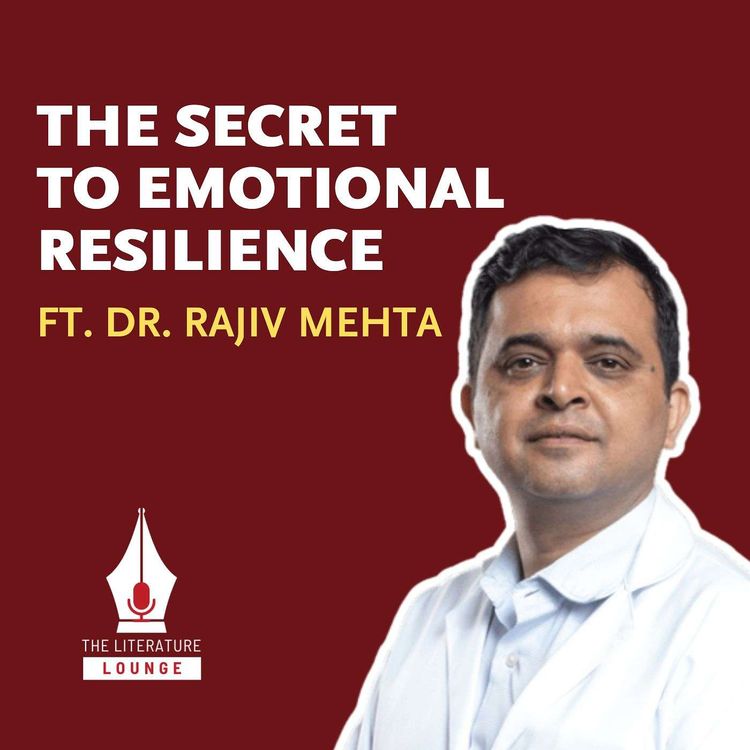
Rewire, Rework, Reclaim: Dr. Rajiv Mehta on Managing Stress
What if stress wasn’t something to just endure, but something you could unlearn, rewire, and rise above? In this insightful episode, Mohua speaks with senior consultant psychiatrist and author Dr. Rajiv Mehta, whose book Rewire, Rework, Reclaim offers practical, compassionate tools for managing stress—from anxiety and burnout to relationship issues and digital overload. Drawing on over two decades of experience, he explains how small mindset shifts can lead to major emotional breakthroughs. He explores common triggers like workplace pressure, communication gaps, marital strain, and empty nest transitions, and shares real cases on caregiving, LGBTQ+ challenges, and why positive events can overwhelm too. This episode offers grounded and empathetic guidance for your mental well-being.
Key Topics Covered:
- Stress isn’t just emotional—it impacts immunity, hormones, and heart health.
- Dr. Rajiv Mehta’s 3R Method—Rewire, Rework, Reclaim—guides you step-by-step toward emotional resilience.
- Common stress triggers today: workplace pressure, digital addiction, poor communication, and relationship breakdowns.
- Even positive changes like marriage or promotions can overwhelm the brain and require adjustment.
- Empty nesters can reclaim purpose and joy after children leave home.
- Rebuild support systems in an isolated, nuclear-family world—and learn to overcome ego barriers.
- Chronic stress links to autoimmune conditions, especially in women—making stress management vital for health.
- Parents can curb kids’ screen addiction—starting with simple device-free dinners.
- LGBTQ+ mental health needs empathy, inclusion, and understanding.
- Unresolved sexual issues often stem from the mind, not the body—and carry a heavy emotional toll.
- Psychiatric breakthroughs happen when families heal together—illustrated by a real-life case study.
- Managing stress means working with it, rewiring your responses, and living with intention—not eliminating it.
Connect with Us
Mohua Chinappa: https://www.linkedin.com/in/mohua-chinappa/
The Literature Lounge: https://www.themohuashow.com/the-literature-lounge/
Follow Us
YouTube: https://www.youtube.com/@TheLiteratureLounge_TLL
Instagram: https://www.instagram.com/litlounge_pod/
For any other queries, email
hello@themohuashow.com
Chapters:
00:00 Highlights
00:56 Introduction to Dr. Rajiv Mehta and His Work
01:57 The Motivation Behind 'Rewire, Rework, Reclaim'
02:57 Understanding the RRR Method
04:03 Identifying Triggers of Anxiety and Depression
06:09 Common Stress Triggers in Modern Life
08:57 Navigating Life Changes: Marriage and Relationships
11:51 Building a Support System in a Nuclear Family
15:29 Coping with Empty Nest Syndrome
18:28 Challenges Faced by the LGBTQ Community
22:03 Sex, Sexuality, and Mental Health
26:21 Digital Dependence and Its Impact
29:53 The Physical Impact of Stress on the Body
34:38 Real-Life Examples of Rewiring and Reclaiming Life
38:32 Final Thoughts and Messages for the Audience
Disclaimer
The views expressed by our guests are their own. We do not endorse and are not responsible for any views expressed by our guests on our podcast and its associated platforms.
More episodes
View all episodes

Children’s Author Bijal Vachharajani on reimagining fairy tales with climate change
22:20|In this heartwarming episode, Bijal Vachharajani, children’s author of planet-friendly books, takes us on a unique journey of all the beloved fairy tales we grew up with, but against a backdrop of climate change. Imagine Snow White without snow, the Little Mermaid without the ocean, the Big Bad Wolf without his enchanted forest. This makes up the plot and theme of her intriguing book, ‘When Fairyland Lost Its Magic.’Bijal shares her love for nature while explaining how children retain the wonder for it with a natural affinity that is lost on adults. And how, it was this realization that gave her the idea for this book. She explores themes of animals and their relationship with nature in her book, and talks about how urban children are growing up with environmental generational amnesia. Most importantly though, she shares her aim of wanting children to form a bond with nature through her books, so that they may grow up to be adults who save it from extinction.She shares advice on writing for children, endearing anecdotes about being in the moment to observe a sparrow or hug a tree, and how she blends an important topic like environmental change with fairy tales. Mohua and Bijal also laugh about how in Bijal’s book princes are waiting to spot a princess that needs rescuing, but there isn’t one around in her modern feminist eco-friendly retelling.Her unique take on all the children’s classics highlights the power of imagination and tests the boundaries of conventional retellings with an aim to bring about positive, climate conscious change. Don’t miss this thought-provoking conversation!#TheMohuaShow #MohuaChinappa #Podcast -----------------------------------------------------------✅ Subscribe To Our Channel: www.youtube.com/c/TheMohuaShow Stay updated!🔔-----------------------------------------------------------*Follow Us On:**Mohua Chinappa*► Facebook: https://www.facebook.com/mohua.chinappa.9► Instagram: https://www.instagram.com/mohua_chinappa/► LinkedIn: https://www.linkedin.com/in/mohua-chinappa/*The Mohua Show*► Facebook: https://www.facebook.com/themohuashow► Instagram: https://www.instagram.com/themohuashow/► LinkedIn: https://www.linkedin.com/company/themohuashow/-----------------------------------------------------------*Connect with the Guest*Bijal Vachharajani: https://www.instagram.com/bijalvv/Book Link:When Fairyland Lost Its Magic: https://www.amazon.in/When-Fairyland-Lost-Its-Magic/dp/9356995435-----------------------------------------------------------► Visit Our Website: https://www.themohuashow.com/► For any queries EMAIL: hello@themohuashow.com-----------------------------------------------------------► 🎧 Tune-In✨ ➡️ Spotify: https://tinyurl.com/57996n9d➡️ Apple: https://tinyurl.com/2vyfzyhv➡️ Amazon Music: https://shorturl.at/zFEn4➡️ Buzzsprout: https://www.buzzsprout.com/1107020/episodes/16566816-----------------------------------------------------------*About💁🏻♀️ Mohua Chinappa:* Mohua is an author, podcaster, voice-over artist and branding specialist. She has over 15+ years in leadership positions as a Public Relations/Corporate Communications specialist.She now hosts an extremely successful podcast called The Mohua Show which is available on multiple platforms. In this space, she interviews artists, entrepreneurs and individuals who are striving to create economic and social change ‘Imandari se’.Her endeavour is to give opportunities to individuals to share their stories to inspire change and create a platform for the unheard voices that need recognition and validation.-----------------------------------------------------------Copyright ©2026 The Mohua Show. All Rights Reserved!-----------------------------------------Disclaimer: The views expressed by our guests are their own. We do not endorse and are not responsible for any views expressed by our guests on our Show and its associated platforms.
Netflix’s Black Warrant Meet the Real Jailer Who Lived It | The Literature Lounge
57:23|In this gut-wrenching episode, meet Sunil Gupta, real life Tihar Jailer and Author of ‘Black Warrant: Confessions of a Tihar Jailer.’ He shares all his experiences about the brutal and gritty world of the infamous Indian prison that inspired a Netflix series. Sunil describes the goings-on at Tihar Jail, and addresses the rumours of sexual assault and things being smuggled in. Witness to high-profile convicts like Afzal Guru, Manu Sharma, Charles Sobhraj, Maqbool Bhat, he gives an insider’s perspective on what these criminals were like. Also witness to all the hangings at Tihar Jail, he reveals surprising facts about these high-profile convicts that highlights their humanity. He talks about reforming the prison system by introducing free legal aid for prisoners which went on to become a fundamental right in India. Sunil recounts how Tihar Jail was the first prison to begin video conferencing between the court and prisoners, among many other commendable reforms. When asked about his take on executions, he says he is against ‘faasi’ as in his opinion, only the poor are hanged. The rich get away with a lot. He recalls how the staff at Tihar Jail handled Anna Hazare and Arvind Kejriwal’s imprisonment, when the entire jail premises were surrounded by protestors. A jailer with a law degree, he asserts that he is not afraid of any backlash because he is only telling the truth. Don’t miss this thought-provoking conversation.-----------------------------------------------------------✅ Subscribe To Our Channel: www.youtube.com/c/TheMohuaShow Stay updated!🔔-----------------------------------------------------------*Follow Us On:**Mohua Chinappa*► Facebook: https://www.facebook.com/mohua.chinappa.9► Instagram: https://www.instagram.com/mohua_chinappa/► LinkedIn: https://www.linkedin.com/in/mohua-chinappa/*The Mohua Show*► Facebook: https://www.facebook.com/themohuashow► Instagram: https://www.instagram.com/themohuashow/► LinkedIn: https://www.linkedin.com/company/themohuashow/-----------------------------------------------------------*Connect with the Guest*Sunil Gupta: https://www.instagram.com/sunillegal/Book Link:Black Warrant: Confessions of a Tihar Jailer: https://www.amazon.in/Black-Warrant-Confessions-Tihar-Jailer/dp/8194206855-----------------------------------------------------------► Visit Our Website: https://www.themohuashow.com/► For any queries EMAIL: hello@themohuashow.com-----------------------------------------------------------Copyright ©2026 The Mohua Show. All Rights Reserved!-----------------------------------------Disclaimer: The views expressed by our guests are their own. We do not endorse and are not responsible for any views expressed by our guests on our Show and its associated platforms.#SunilGupta #TheLiteratureLounge #BlackWarrant #TiharJail #ConfessionsOfATiharJailer #IndianPrisonSystem #CharlesSobhraj #PrisonReform #PrisonLife #IndianJustice #FaasiExecution #TiharJailHistory
Devis & Demons: Author Anuja Chandramouli on Modern Mythological Retellings & their Takeaways
38:38|#AnujaChandramouli #TheLiteratureLounge #IndianMythology In this alluring episode, Anuja Chandramouli, renowned new-age Indian classicist, brings to life Ilango Adigal’s timeless Tamil classic, Silapathikaram. Her modern take on this classic, The Wife and the Dancing Girl, reimagines the boundaries of passionate love and what it means to be a ‘dutiful’ woman. Anuja shares her take on the dance between sacrifice and pleasure that plague every woman’s destiny amidst a background of mytho-fiction and feminism. She explores themes of love and loss, and letting go without giving in to your destructive tendencies. Most of all, her book explores what it means to be a woman in an epic saga bent on branding you as a whore or goddess.The episode concludes with Anuja sharing tips for dealing with writer’s block and takeaways from her book, leaving listeners with the motivation to get back to reading and writing in 2025. Don’t miss this entertaining conversation!#TheMohuaShow #MohuaChinappa #Podcast -----------------------------------------------------------✅ Subscribe To Our Channel: www.youtube.com/c/TheMohuaShow Stay updated!🔔-----------------------------------------------------------*Follow Us On:**Mohua Chinappa*► Facebook: https://www.facebook.com/mohua.chinappa.9► Instagram: https://www.instagram.com/mohua_chinappa/► LinkedIn: https://www.linkedin.com/in/mohua-chinappa/*The Mohua Show*► Facebook: https://www.facebook.com/themohuashow► Instagram: https://www.instagram.com/themohuashow/► LinkedIn: https://www.linkedin.com/company/themohuashow/-----------------------------------------------------------*Connect with the Guest*Anuja Chandramouli: https://www.instagram.com/anujamouli/Book Link:The Wife and the Dancing Girl: https://www.amazon.in/Wife-Dancing-Girl-Anuja-Chandramouli/dp/9361560425-----------------------------------------------------------► Visit Our Website: https://www.themohuashow.com/► For any queries EMAIL: hello@themohuashow.com-----------------------------------------------------------Copyright ©2026 The Mohua Show. All Rights Reserved!-----------------------------------------Disclaimer: The views expressed by our guests are their own. We do not endorse and are not responsible for any views expressed by our guests on our Show and its associated platforms.-----------------------------------------#AnujaChandramouli #TheLiteratureLounge #IndianMythology #Silapathikaram #TheWifeAndTheDancingGirl #TamilLiterature #FeminismInMythology #WomenInEpics #MythologicalFiction #DutifulWoman #FeministStorytelling #IndianAuthors
Rasas in Divine Relationships With Shalini Modi | The Literature Lounge
27:04|#ShaliniModi #TheLiteratureLounge #RasasInDivineRelationships In this enlightening conversation, Mohua and Shalini Modi delve into the themes of Shalini's book, 'Rasas in Divine Relationships', exploring the concept of Rasa, the significance of divine couples in Indian mythology, and the life lessons that can be drawn from their stories. They discuss the nine rasas, the challenges faced by characters like Kunti and Pandu, and the role of humor in relationships. The conversation also touches on the seven immortals of Indian mythology, the influence of patriarchy, and the importance of thorough research in writing. Shalini shares insights into her writing process and hints at a sequel to her book.#TheMohuaShow #MohuaChinappa #Podcast -----------------------------------------------------------✅ Subscribe To Our Channel: www.youtube.com/c/TheMohuaShow Stay updated!🔔-----------------------------------------------------------*Follow Us On:**Mohua Chinappa*► Facebook: https://www.facebook.com/mohua.chinappa.9► Instagram: https://www.instagram.com/mohua_chinappa/► LinkedIn: https://www.linkedin.com/in/mohua-chinappa/*The Mohua Show*► Facebook: https://www.facebook.com/themohuashow► Instagram: https://www.instagram.com/themohuashow/► LinkedIn: https://www.linkedin.com/company/themohuashow/-----------------------------------------------------------*Connect with the Guest*Shalini Modi: https://www.linkedin.com/in/shalini-modi-8b4a0710b/Book Link:Rasas in Divine Relationships : https://amzn.in/d/isW6REJ-----------------------------------------------------------► Visit Our Website: https://www.themohuashow.com/► For any queries EMAIL: hello@themohuashow.com-----------------------------------------------------------Copyright ©2026The Mohua Show. All Rights Reserved!-----------------------------------------Disclaimer: The views expressed by our guests are their own. We do not endorse and are not responsible for any views expressed by our guests on our Show and its associated platforms.-----------------------------------------#ShaliniModi #TheLiteratureLounge #RasasInDivineRelationships #IndianMythology #NineRasas #DivineCouples #LifeLessonsFromMythology #KuntiAndPandu #PatriarchyInMythology #SevenImmortals #AuthorInterview #IndianCulture
From Slumdog Millionaire to Seven Lives: Vikas Swarup on Resilience, Storytelling & Attention
31:10|In this engaging conversation, Vikas Swarup, retired Indian diplomat and acclaimed author of Q & A (adapted into the Oscar-winning Slumdog Millionaire), discusses his latest novel, *The Girl with the Seven Lives*. He delves into the resilience of modern Indian women through the character of Devi, while exploring the complexities of Indian society. Swarup reflects on the impact of social media, the value of attention, and the enduring power of books. He also shares his journey as a writer, the importance of visual storytelling, and offers valuable advice to aspiring writers, alongside insights into his future projects.#TheMohuaShow #MohuaChinappa #Podcast -----------------------------------------------------------✅ Subscribe To Our Channel: www.youtube.com/c/TheMohuaShow Stay updated!🔔-----------------------------------------------------------*Follow Us On:**Mohua Chinappa*► Facebook: https://www.facebook.com/mohua.chinappa.9► Instagram: https://www.instagram.com/mohua_chinappa/► LinkedIn: https://www.linkedin.com/in/mohua-chinappa/*The Mohua Show*► Facebook: https://www.facebook.com/themohuashow► Instagram: https://www.instagram.com/themohuashow/► LinkedIn: https://www.linkedin.com/company/themohuashow/-----------------------------------------------------------*Connect with the Guest*Vikas Swarup: https://www.linkedin.com/in/vikas-swarup-184703213/?originalSubdomain=inBook Link:The Girl with Seven lives: https://amzn.in/d/ej937VR-----------------------------------------------------------► Visit Our Website: https://www.themohuashow.com/► For any queries EMAIL: hello@themohuashow.com-----------------------------------------------------------Copyright ©2026 The Mohua Show. All Rights Reserved!-----------------------------------------Disclaimer: The views expressed by our guests are their own. We do not endorse and are not responsible for any views expressed by our guests on our Show and its associated platforms.-----------------------------------------#VikasSwarup #TheLiteratureLounge #SlumdogMillionaire #TheGirlWithTheSevenLives #IndianAuthors #Storytelling #SocialMediaImpact #VisualStorytelling #BooksAndLiterature #IndianLiterature #StorytellingTips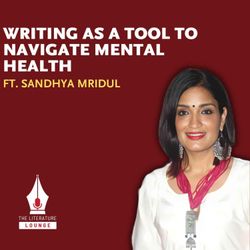
Love, Loss & Healing: The Untamed Spirit of Sandhya Mridul | The Literature Lounge
36:48|In this heartfelt episode, we sit down with the incredible Sandhya Mridul, a celebrated Bollywood actor and now author of the book, Untamed. Sandhya opens up about her deeply personal journey as a writer, sharing the inspiration behind her debut book and the experiences that shaped it.She takes us through the raw and tender themes of healing, grief, and self-discovery, speaking candidly about how personal loss influenced her creativity. She also reflects on how writing helped her process emotions, evolving from private journaling to publishing a book that connects deeply with readers. Further, we explore how her diverse artistic background—her work as an actor, storyteller, and performer—shaped the poetic voice in Untamed. To close the episode, Sandhya reads some of her favorite poems from her latest book, Untamed, offering a glimpse into the soul of her writing and leaving listeners with a sense of comfort and connection.#TheMohuaShow #MohuaChinappa #Podcast -----------------------------------------------------------✅ Subscribe To Our Channel: www.youtube.com/c/TheMohuaShow Stay updated!🔔-----------------------------------------------------------*Follow Us On:**Mohua Chinappa*► Facebook: https://www.facebook.com/mohua.chinappa.9► Instagram: https://www.instagram.com/mohua_chinappa/► LinkedIn: https://www.linkedin.com/in/mohua-chinappa/*The Mohua Show*► Facebook: https://www.facebook.com/themohuashow► Instagram: https://www.instagram.com/themohuashow/► LinkedIn: https://www.linkedin.com/company/themohuashow/-----------------------------------------------------------*Connect with the Guest*Sandhya Mridul: https://www.instagram.com/sandymridul/ Book Link:Untamed: https://amzn.in/d/3YNLFOo -----------------------------------------------------------► Visit Our Website: https://www.themohuashow.com/► For any queries EMAIL: hello@themohuashow.com-----------------------------------------------------------Copyright ©2026 The Mohua Show. All Rights Reserved!-----------------------------------------Disclaimer: The views expressed by our guests are their own. We do not endorse and are not responsible for any views expressed by our guests on our Show and its associated platforms.-----------------------------------------#SandhyaMridul #Untamed #TheLiteratureLounge #HealingThroughWriting #BollywoodActorToAuthor #SelfDiscoveryJourney #SandhyaMridulInterview #Poems #BollywoodActress #AuthorJourney #EmotionalHealing #BollywoodStories
Unveiling India's Obsession with Sons: A Conversation with Dr. Aruna Kalra on “I Want a Boy" | The Literature Lounge
37:25|*Episode Summary*In this thought-provoking episode, Dr. Aruna Kalra, acclaimed author of I Want a Boy, joins us to discuss the complex realities of gender bias. Drawing from her personal experiences, Dr. Kalra delves into the societal and healthcare impacts of gender preferences, exploring how socio-economic factors and safety concerns perpetuate these biases.She opens up about the challenges she faced and the uphill battle of spreading awareness about such a sensitive issue. Dr. Kalra also shares her journey as a passionate advocate for women's rights and gender equality, offering practical insights on how we can work toward a more equitable society.The episode concludes with empowering messages from her book, leaving listeners with hope and motivation to challenge ingrained biases. Don’t miss this insightful conversation!#TheMohuaShow #MohuaChinappa #Podcast -----------------------------------------------------------✅ Subscribe To Our Channel: www.youtube.com/c/TheMohuaShow Stay updated!🔔-----------------------------------------------------------*Follow Us On:**Mohua Chinappa*► Facebook: https://www.facebook.com/mohua.chinappa.9► Instagram: https://www.instagram.com/mohua_chinappa/► LinkedIn: https://www.linkedin.com/in/mohua-chinappa/*The Mohua Show*► Facebook: https://www.facebook.com/themohuashow► Instagram: https://www.instagram.com/themohuashow/► LinkedIn: https://www.linkedin.com/company/themohuashow/-----------------------------------------------------------*Connect with the Guest*Dr. Aruna Kalra: https://www.instagram.com/gynaedrarunakalra/ Book Link:I Want a Boy: https://amzn.in/d/9QFTexX -----------------------------------------------------------► Visit Our Website: https://www.themohuashow.com/► For any queries EMAIL: hello@themohuashow.com-----------------------------------------------------------Copyright ©2026 The Mohua Show. All Rights Reserved!-----------------------------------------Disclaimer: The views expressed by our guests are their own. We do not endorse and are not responsible for any views expressed by our guests on our Show and its associated platforms.-----------------------------------------#DrArunaKalra #TheLiteratureLounge #IWantaBoy #WomensRights #EqualityForAll #FeminismInIndia #SocialAwareness #PodcastConversations #EqualRights #GenderStereotypes #SupportWomensRights #EndGenderBias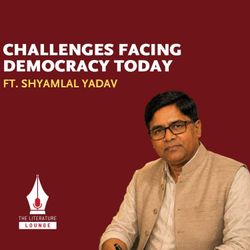
Inside UP Politics: Shyamlal Yadav’s Shocking Revelations | The Literature Lounge
01:04:20|In this episode of The Literature Lounge, we have an enlightening conversation with Shyamlal Yadav, a leading investigative journalist and RTI expert, as he dives into his latest book, At the Heart of Power: The Chief Ministers of Uttar Pradesh. Shyamlal takes us through the political evolution of Uttar Pradesh, detailing its formation, the influence of its chief ministers, and the prominent role of OBC leaders in shaping the state’s politics. With unique revelations from his book, he uncovers surprising facts about these leaders, offering a behind-the-scenes look at how power and politics converge in India's most populous state.Shyamlal also discusses the changing landscape of government communication, the critical role of investigative journalism, and the opportunities and challenges within India's democratic framework. His advice for aspiring journalists underscores the importance of truth-seeking and persistence in holding power accountable. This episode is packed with insights on politics, governance, and the power of journalism—don't miss it!-----------------------------------------------------------✅ Subscribe To Our Channel: www.youtube.com/c/TheMohuaShow Stay updated!🔔-----------------------------------------------------------*Follow Us On:**Mohua Chinappa*► Facebook: https://www.facebook.com/mohua.chinappa.9► Instagram: https://www.instagram.com/mohua_chinappa/► LinkedIn: https://www.linkedin.com/in/mohua-chinappa/*The Mohua Show*► Facebook: https://www.facebook.com/themohuashow► Instagram: https://www.instagram.com/themohuashow/► LinkedIn: https://www.linkedin.com/company/themohuashow/-----------------------------------------------------------*Connect with the Guest*Shyamlal Yadav: https://www.linkedin.com/in/shyamlal-yadav-7295aab0/ Book Link:At the Heart of Power: The Chief Ministers of Uttar Pradesh: https://amzn.in/d/7h3lsbr -----------------------------------------------------------► Visit Our Website: https://www.themohuashow.com/► For any queries EMAIL: hello@themohuashow.com-----------------------------------------------------------► 🎧 Tune-In✨ ➡️ Spotify: ➡️ Apple: ➡️ Amazon Music: ➡️ Acast : -----------------------------------------------------------Copyright ©2026 The Mohua Show. All Rights Reserved!-----------------------------------------Disclaimer: The views expressed by our guests are their own. We do not endorse and are not responsible for any views expressed by our guests on our Show and its associated platforms.-----------------------------------------#ShyamlalYadav #TheLiteratureLounge #AtTheHeartOfPower #UPPolitics #InvestigativeJournalism #RTIExpert #IndianPolitics #ChiefMinisters #Governance #DemocracyInIndia #PoliticalLeadership #BookDiscussion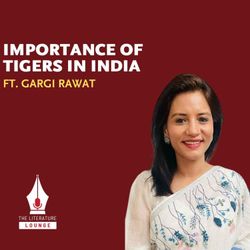
India's Tiger Challenge in conversation with Gargi Rawat | The Literature Lounge
36:40|On this episode of The Literature Lounge, we welcome the renowned NDTV host and wildlife advocate, Gargi Rawat. Gargi takes us on a captivating journey through her experiences, sharing personal stories with tigers and the inspiration behind her book, Tiger Season.She dives deep into the complexities of man-animal conflict and its impact on conservation, emphasizing the vital role of community involvement in protecting wildlife. Gargi also explores how sustainable tourism can empower local economies while preserving nature’s beauty.Don't miss her insights into the future of wildlife conservation and her unwavering passion for protecting these majestic creatures. A must-watch for nature lovers, conservationists, and fans of Tiger Season! #TheMohuaShow #MohuaChinappa #Podcast -----------------------------------------------------------✅ Subscribe To Our Channel: www.youtube.com/c/TheMohuaShow Stay updated!🔔-----------------------------------------------------------*Follow Us On:**Mohua Chinappa*► Facebook: https://www.facebook.com/mohua.chinappa.9► Instagram: https://www.instagram.com/mohua_chinappa/► LinkedIn: https://www.linkedin.com/in/mohua-chinappa/*The Mohua Show*► Facebook: https://www.facebook.com/themohuashow► Instagram: https://www.instagram.com/themohuashow/► LinkedIn: https://www.linkedin.com/company/themohuashow/-----------------------------------------------------------*Connect with the Guest*Gargi Rawat: https://www.instagram.com/gargirawat/ Book Link:Tiger Season: https://amzn.in/d/alCnZsZ -----------------------------------------------------------► Visit Our Website: https://www.themohuashow.com/► For any queries EMAIL: hello@themohuashow.com-----------------------------------------------------------► 🎧 Tune-In✨ ➡️ Spotify: https://tinyurl.com/mry48uxb➡️ Apple: https://tinyurl.com/4ru2parw➡️ Amazon Music: https://tinyurl.com/3368u6a6➡️ Buzzsprout: https://www.buzzsprout.com/1107020/episodes/16177751-----------------------------------------------------------Copyright ©2026 The Mohua Show. All Rights Reserved!-----------------------------------------Disclaimer: The views expressed by our guests are their own. We do not endorse and are not responsible for any views expressed by our guests on our Show and its associated platforms.-----------------------------------------#GargiRawat #TheLiteratureLounge #ManVsWild #Wildlife #WildlifeConservation #TigerSeason #ConservationMatters #SustainableTourism #ManAnimalConflict #NDTV #ProtectWildlife #WildlifeAdvocate