Share
The Laura Dowling Experience
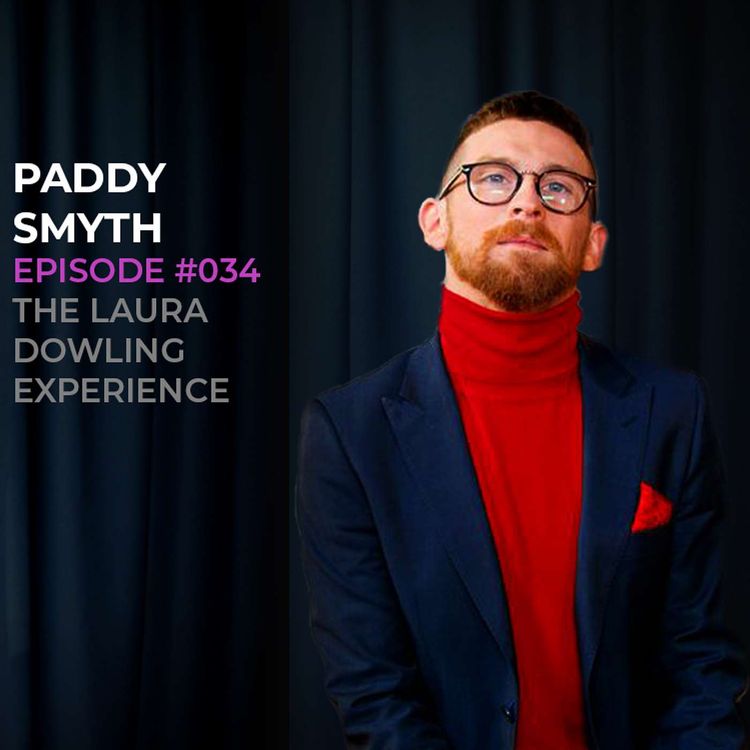
Reality TV star and disability campaigner Paddy Smyth #34
This was a fun and light-hearted chat with reality TV star and disability campaigner Paddy Smyth.
We talked about the challenges growing up in Ireland as a young gay man with disabilities, the evolution of his career, and the dating scene (even Grindr!),
The Laura Dowling experience is brought to you by fabÜ SHROOMS IMMUNE. A unique blend of Cordyceps and Chaga mushrooms with Vitamin C , Vitamin D , copper and zinc to support your immune system, and energy levels. Cordyceps and chaga mushrooms have been used for thousands of years in traditional Chinese medicine for overall health and wellbeing and immune support. Blended with premium grade vitamins and minerals, this is a really special product. Formulated and developed by Laura Dowling, Fabulous Pharmacist. Read the amazing reviews and find out more information on https://fabuwellness.com/ . Available on www.fabuwellness.com and in pharmacies and health food stores nationwide.
Thanks for listening! You can watch the full episode on YouTube here. Don’t forget to follow The Laura Dowling Experience podcast on Instagram @lauradowlingexperience for updates and more information. You can also follow our host, Laura Dowling, @fabulouspharmacist for more insights and tips. If you enjoyed this episode, please subscribe and leave a review—it really helps us out! Stay tuned for more great conversations.
Thanks for listening! You can watch the full episode on YouTube here. Don’t forget to follow The Laura Dowling Experience podcast on Instagram @lauradowlingexperience for updates and more information. You can also follow our host, Laura Dowling, @fabulouspharmacist for more insights and tips. If you enjoyed this episode, please subscribe and leave a review—it really helps us out! Stay tuned for more great conversations.
More episodes
View all episodes
Bitesize Moment: "Laughter in the Darkest Room." — Dympna Little on carrying grief with humour
11:04|In this bitesize moment pulled from the Laura Dowling Experience back catalogue, comedian and content creator Dympna Little shares how humour helped her family carry her mother's terminal illness and final days.She describes laughing together even in the palliative care room, the moment her mother noticed and said "it's lovely," and the voice message her mother recorded that became her legacy. Tender, warm and bittersweet.🔑Key Points• How humour can hold a family together through the hardest time• Why laughter and grief are not opposites• The moment her mother noticed them laughing and said "it's lovely"• The voice message her mother left, and what legacy can look like💛 If you're grieving, be gentle with yourself. There's no right way to do it.🎧 Listen to the full episode here.
184. How Non-Speakers Are Finally Being Heard with Anna Lechleiter #184
56:45||Ep. 184Anna Lechleiter works with people who have never been able to speak, and who have spent their lives being treated as though they had nothing to say. She is a Spelling to Communicate practitioner, and her job is to give non-speakers a way to tell the world what has been going on in their heads all along.She explains why speech is a motor problem rather than a thinking one: the words are there, but the brain cannot reliably drive the body that produces them. That distinction changes how non-speaking people are assessed, educated and spoken to, because almost every standard autism assessment measures motor control and reports the result as intelligence.Anna talks Laura through what happens in a session, from stencil boards to a keyboard, and tells the story that changed her mind completely: a young man called Caoimh, a letter board, and a freezing afternoon when he spelled out that he hoped it would snow. The last stretch belongs to the spellers themselves, as Anna reads the words of Max, Caoimh and Megha in their own language.🔑 Key PointsNon-speaking is a motor problem, not a thinking oneThe words are there. The difficulty is the brain reliably getting the body to produce them, which Anna describes as a brain-body disconnect rather than an absence of understanding.Spelling to Communicate moves communication out of the fine motorSpeech, writing, texting and sign language all depend on fine motor control, so S2C uses the gross motor instead: a pointing motion towards letters on a board.Assessments measure motor control and report it as intelligenceBecause the tests need reliable motor responses, people who cannot produce them are recorded as profoundly intellectually disabled, and that label follows them for life.Most non-speakers can already readText is everywhere, on signs, subtitles and packaging, and spellers have usually absorbed far more than anyone assumed. That is why sessions start with age-appropriate material rather than the basics.Progress is built like any other motor skillNew neural pathways are created and then myelinated through repetition, so lessons change every session and words are never spelled twice, keeping the focus on the motor rather than the answer.The spellers make the argument better than anyoneMax, Caoimh and Megha describe apraxia, sensory overwhelm and their own ambitions. Keith's line, that his mind works perfectly but the messages get mixed up on the way to his body, sums up the conversation.📚 ResourcesPALZ (Play and Language Zone) — Anna's hub in Naas, Co. KildareSpelling to Communicate at PALZ — how the method is taught in IrelandI-ASC — the International Association for Spelling as CommunicationElizabeth Vosseller — the speech-language pathologist who developed S2CAsIAm — Ireland's national autism charity, information and support line⏱️ Timestamps00:00 — Max's message to the world02:18 — The colleague's brother who suddenly had a voice03:05 — What Spelling to Communicate actually is07:24 — How assessments measure motor and report intelligence09:37 — How many non-speakers there are in Ireland10:10 — Inside a first session at the hub17:21 — Neuroplasticity and building a brand-new motor skill24:50 — Stencils, letter boards and moving to a keyboard36:23 — Anna's ABA background, and why she moved away from it44:01 — Keith, the letter board and "I hope it snows"48:55 — Max, Keith and Megha, in their own words53:54 — Art, an exhibition and the meaning of life
Bitesize Moment: "I'd Climbed the Wrong Mountain." — Dr Paddy Barrett on what health really means
07:10|In this bitesize moment pulled from the Laura Dowling Experience back catalogue, preventive cardiologist Dr Paddy Barrett argues that most people chase health without ever defining it — like a blindfolded archer aiming at a target they can't see.He lays out three things actually worth optimising, and tells the story of walking away from the peak of his career when he realised he'd climbed the wrong mountain.🔑Key Points• Why "I want to be healthy" means nothing without a target• The blindfolded archer, and aiming at something you can actually see• Three things worth optimising: how long you live, the quality of those years, and how you spend your time• Why it's never too late to climb back down and start again🎧 Listen to the full episode here.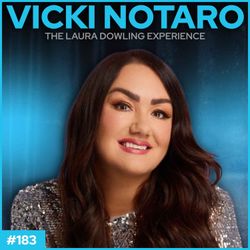
183. Agony Aunt Confessions, PMDD and Life Off the Timeline with Vicki Notaro #183
54:12||Ep. 183Vicki Notaro is back! Her new novel, Anywhere but Here, follows three friends all hovering around 40 and living completely different lives. As Vicki puts it, you can be 40 and you can be a granny, or trying to conceive, or single, or divorced. She and Laura talk about the pressure women feel to have everything sorted by a certain age, and why marriage or a mortgage was never meant to be a finish line.Vicki also gives an honest update on her women's health journey: years of very painful periods, a suspected endometriosis that turned out to be ovarian cysts, a PMDD diagnosis and cyclical depression alongside lifelong anxiety, a coil, surgery, a recurrence, and the oral progesterone that cleared her brain fog within two days.From there the conversation turns to what young people lost when magazines disappeared. Vicki spent four years at Kiss from the age of 22, acting as a "big sis" to teenage readers, and she makes a warm case for edited, expert-checked advice over the "wild wild west of TikTok" — before Laura hands her a pile of anonymous listener confessions to answer.🔑 Key PointsWomen the same age are living completely different lives"You can be 40 and you can be a granny" — Vicki's novel follows three friends around 40 at entirely different stages, something she sees as new in Irish life.Milestones are a beginning, not a finish lineVicki talks about the pressure to have the house, the relationship and possibly a baby sorted by a certain age, and why she has never seen those moments as the end of the story.Writing about being child-free by choice once brought hate mailShe first wrote about not wanting children at 22, when it was still taboo, and was told again and again that she just hadn't met the right man.Years of pain, and a diagnosis that came laterSuspected endometriosis turned out to be ovarian cysts, and a PMDD diagnosis explained the low, cyclical days sitting on top of lifelong anxiety.Hormones can lift brain fog within daysAfter a cyst returned, her consultant added oral progesterone alongside the coil she already had, and Vicki describes her brain fog clearing within two days.Magazines did a job nothing has replaced.At Kiss, Vicki answered readers' questions about periods, spots and first kisses as their "big sis" — advice that was edited, curated and expert-checked.Confessions, answered without judgementLaura hands Vicki anonymous confessions from the Love Your Vulva live show — desire, hygiene, being left out for not having children, Botox and breast reduction — and the answers stay kind throughout.📚 ResourcesAnywhere but HereVicki Notaro's fourth novel, published by PenguinEndometriosisthe condition first suspected behind Vicki's years of period painPeriod problems and PMDDHSE guidance on severe premenstrual symptomsLove Your Vulva LiveLaura's live show, where the anonymous confessions were gathered⏱️ Timestamps00:00 — Vicki takes over as host for the summer06:23 — Anywhere but Here: three women, three different lives at 4009:29 — The pressure to have it all sorted by a certain age10:34 — Writing about being child-free at 2213:30 — Kiss magazine and being everyone's "big sis"21:51 — Writer's block in her mother-in-law's spare room24:50 — Painful periods, suspected endometriosis and ovarian cysts25:50 — A PMDD diagnosis and cyclical depression26:39 — Oral progesterone and brain fog lifting in two days28:27 — Listener confessions, answered honestly35:40 — Botox honesty, and why Laura stopped
Bitesize Moment: "You're Not a Tree." — Brian Keane on getting unstuck and changing your life
09:13|In this bitesize moment pulled from the Laura Dowling Experience back catalogue, fitness coach, author and speaker Brian Keane tells the story of hating his first career as a teacher — and the line from his mum that changed everything.He's honest that reinvention isn't instant (he went broke twice before it worked) and lands on a reframe anyone can use: it's not being stuck that traps you, it's the feeling of being stuck.🔑Key Points• The day Brian knew his first career was the wrong fit• His mum's question: "what would you do for free?"• Why it's the feeling of being stuck, not the situation, that holds you back• How reinvention can take time, including failing along the way🎧 Listen to the full episode here.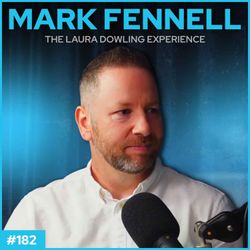
182. How to Get Unstuck in Any Area of Your Life with Mark Fennell #182
01:01:28||Ep. 182What do you do when you feel stuck - in a job you hate, a relationship that has gone flat, or a version of yourself you no longer recognise? Life and business coach Mark Fennell joins Laura for a warm, practical conversation about how people actually get moving again - starting not with a grand plan, but with a single next step.A qualified electrician who began as a youth volunteer worker, Mark shares how coaching became his life's work, and why identity - how you see yourself - sits underneath almost everything. He speaks with real tenderness about the loss he and his wife carried when they were told they couldn't have children, and how they slowly built a genuinely contented life by asking one question: what can we still do that brings us in that direction?From the medical student who became a millionaire painter-decorator to the young carer who believed he would never laugh again, Mark's stories keep returning to the same truths: make the decision, take the action, and be careful what you define yourself as. Along the way, he and Laura take a more realistic look at manifestation, the fluff in the wellness world, and why, in relationships especially, action communicates far more than words.🔑 Key PointsYou don't have to figure out your whole life — just the next stepWhen a young medical student admitted he only knew what he didn't want, Mark's question — when were you last fully content? — led him to painting, and eventually to running a hugely successful painting and decorating business.Identity is the most important vision boardHow you see yourself matters more than any board on the wall — even a Fortune 500 CFO Mark worked with was gripped by imposter syndrome until she saw that her experience, not her credentials, had earned her the role.Contentment can be rebuilt after lossWhen Mark and his wife were told they couldn't have children, they refused to let it ruin their lives — and by taking small steps towards contentment, without putting a time on it, they reached a place with no void.Take manifestation with a pinch of saltWhat you focus on shapes what you notice, but thinking without action is dead — and the most important thing to manifest isn't the bigger house or the best job, it's a content life.Burnout ends where honesty beginsMark collapsed in the gym and was rushed to hospital with a suspected heart attack — what followed was health anxiety, and a recovery built on balance, movement and refusing to say "I am an anxious person".Action communicates far more than wordsA couple Mark worked with rediscovered each other not through big emotional talks but through a date night — a reminder that relationships, like gardens, need tending before you decide they're done.Be careful what you define yourself asMark learned from his granny, who refused to see herself as a cancer victim, that the labels we accept shape how we live — and, as he reminds young people, nobody is confident all of the time.📚 ResourcesBreakthrough — Mark Fennell's book on moving from stuck to unstoppable, published by GillMark's practical guide to getting unstuck.Mark Fennell — coaching, courses and speakingAlso on Instagram and TikTok.⏱️ Timestamps00:00 — Introduction02:36 — From electrician and youth worker to coach05:47 — Identity: the most important vision board07:32 — Fertility loss and choosing contentment10:00 — The med student who became a painter-decorator13:07 — Manifestation with a pinch of salt16:46 — How the book Breakthrough came about19:15 — Is contentment actually realistic?20:35 — The fluff in the wellness world23:29 — The young carer who thought he'd never laugh again30:13 — Burnout, the gym collapse and health anxiety39:27 — The date-night story57:32 — Advice for young people and the meaning of life
Bitesize Moment: "It's a Slow Erosion." — Nikki Dwyer on reclaiming yourself after control
07:23|In this bitesize moment pulled from the Laura Dowling Experience back catalogue, former lawyer turned businesswoman Nikki Dwyer explains why coercive, narcissistic abuse rarely looks the way people expect — it's a slow erosion of confidence through criticism, gaslighting and isolation.She speaks candidly about how losing nearly everything became the moment she could stop drifting and consciously choose who she wanted to be. It's honest, raw and ultimately hopeful.🔑Key Points• Why abusive relationships rarely look the way people expect from the outside• How criticism, gaslighting and isolation slowly wear down confidence• Why being capable or strong doesn't make you immune• Turning the loss of everything into a chance to choose who you want to be💛 If anything here feels close to home, it's not your fault. In Ireland, Women's Aid (womensaid.ie) offers free, confidential support.🎧 Listen to the full episode here.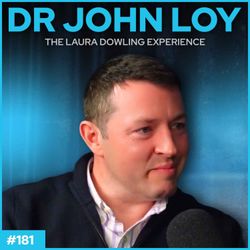
181. A Bariatric Surgeon Explains Weight-Loss Surgery with Dr John Loy #181
38:25||Ep. 181This week Laura sits down with Dr John Loy, one of the busiest weight-loss surgeons working between Ireland and the UK. He grew up behind the bar of a family pub in County Down, which he says was the best training in medicine he ever had, before a chance meeting in New York changed how he thinks about the whole job.It's a warm, funny and genuinely eye-opening conversation about obesity as a disease rather than a choice, and about the person on the other side of the desk. John explains why more than half of his patients cry at their first appointment, why he never asks how much weight they've lost, and why the goals that matter are seeing your own child's First Communion from behind the camera — not the number on the scales.He also gives one of the clearest explanations you'll hear of how weight-loss surgery actually works - the gastric balloon, the sleeve and the bypass - why a bypass is like "a free GLP-1 injection every day for life", and why, despite the rise of the weight-loss injections, demand for surgery is climbing rather than falling.🔑 Key PointsObesity is a disease, not a choiceJohn argues it should be treated in stages, like cancer, and that denying people care on a BMI cut-off is simply wrong.A gastric bypass is like "a free GLP-1 injection for life"The surgery isn't just about a smaller stomach; it changes the gut hormones that tell your brain you're full.The weight-loss injections haven't ended surgery — the oppositeMany patients try the injections first, stall or can't afford them, and find a sleeve pays for itself within a few years.Three procedures, three different jobsThe swallowable balloon, the sleeve and the bypass each suit a different stage — John explains who each one is for.Blood sugar settles before the weight comes offDiabetes can resolve within days of surgery, long before any weight is lost — proof of how closely the gut and brain talk.The best consultation starts with "why are you here?"Rather than judging, John asks patients their story — and finds the roots often reach right back to childhood.Non-scale victories are what matterHe never asks how much weight a patient has lost; he asks whether they can finally take their kids to Disney World.A childhood in the pub was the best training he ever hadLearning to talk to people across a bar counter, he says, taught him more about medicine than any exam.📚 ResourcesAuraliaDr John Loy's clinic in Dublin, offering gastric sleeve, bypass and balloon procedures⏱️ Timestamps00:00 — Introduction00:50 — The cruise-ship patient who thought it was his last trip04:23 — Why half his patients cry at the first appointment05:20 — Obesity: the last acceptable prejudice06:52 — From a County Tyrone pub to the operating theatre09:29 — The gut-brain link: why blood sugar settles first10:20 — Sleeve, bypass and "a free GLP-1 for life"10:48 — Are the injections ending surgery? The opposite13:47 — The balloon, the sleeve and the bypass explained19:42 — New York and the philosophy of surgery22:52 — Non-scale victories and the surgical-cat tattoo34:34 — Ikigai, travel and the meaning of life
Bitesize Moment: "I Thought I Was Just a Bad Friend." — Keith Walsh on a late ADHD diagnosis
08:23|In this bitesize moment pulled from the Laura Dowling Experience back catalogue, broadcaster and mental health advocate Keith Walsh shares what it was like to be diagnosed with ADHD in his late forties — and how going through his son's assessment led to his own.He's honest and funny about what undiagnosed ADHD looked like day to day, the small systems he built to cope, and why a diagnosis can feel like relief rather than a label.🔑Key Points• How going through his son's assessment led to his own diagnosis• The everyday reality of undiagnosed adult ADHD• Why a diagnosis can feel like relief rather than a label• The small systems that helped him cope🎧 Listen to the full episode here.