Share
The Go To Food Podcast
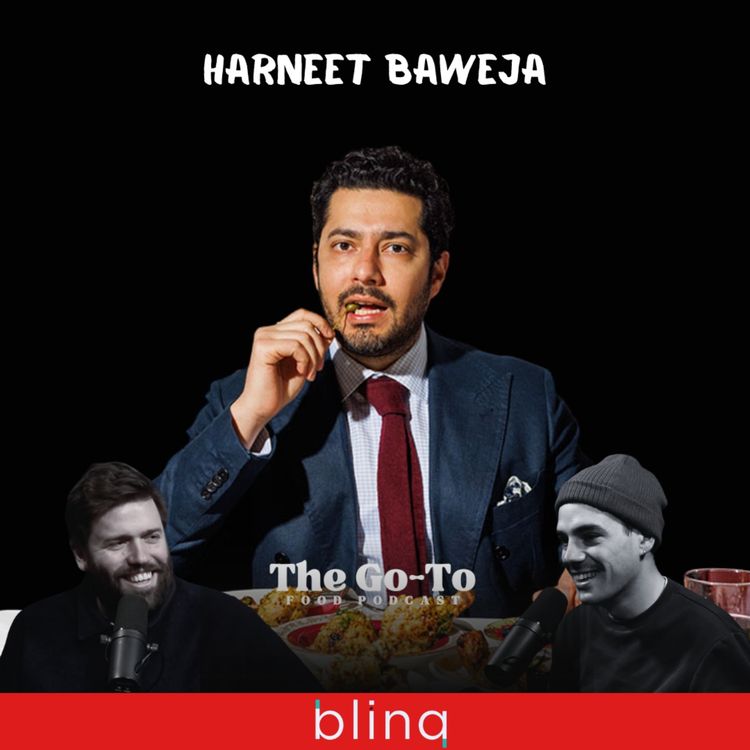
Harneet Baweja - How I Built Five Restaurant Brands Without a Master Plan & Why I Would Never Open In New York!
This week we’re joined by Harneet Baweja: restaurateur, operator, and the man behind some of London’s most-loved restaurants. Over the last decade he’s built an absurdly good line-up: Gunpowder, Empire Empire, Moi et Toi, Fortune Fried Chicken, and the recently opened Master Jackie back in his hometown of Kolkata.
It’s a 10-year anniversary conversation with proper bite. Harneet talks about celebrating Gunpowder’s first decade by doing something borderline outrageous: rolling back the menu to 2015 prices, with some dishes down around 70%. It’s not a stunt. It’s a clear-eyed look at what restaurants are up against right now, and what it takes to pull off something generous without collapsing, from suppliers pitching in to the team simply trying to keep the wheels turning.
You also get the origin story that explains everything: the tiny Spitalfields site, the chaos of opening, doing everything yourself, and the scrappy early days that shaped how he runs a business now. Harneet unpacks what it was like trying to convince London that Indian food could sit outside the old stereotypes, and how a community of regulars, critics, and champions helped put Gunpowder on the map. He’s funny, blunt, and refreshingly unpolished about the luck, the grind, and the moments that could have gone either way.
Harneet also runs through his actual go-to orders and favourite spots, the drinks he really wants (whiskey, barely any water), his love for Old Monk rum, and the ultimate nibbles he’d put out for friends, from the rasam bomb to those famous lamb chops. There’s Kolkata food intel, Chinatown history, late-night favourites, nightmare service stories, and a whole lot of heart underneath the swagger.
You can book a virtual demonstration with Quooker to find the right setup for your kitchen and remember, until the end of August, if you use the code GO TO FOOD, you’ll get free installation and a free Quooker glassware set. Just head to www.Quooker.co.uk now!
Get 2 Months of Blinq For Free - With Code - GOTOBLINQ - https://blinqme.com/
Watch and Subscribe To Our Youtube Videos Here - https://www.youtube.com/@gotofood
More episodes
View all episodes
Jack Coggins - Creating Smash Hits In Goodbye Horses & The Dreamery & Why Food Creators Need to Stop Stealing Recipes
46:41|This week we’re joined by Jack Coggins, the chef behind Good Boy Horses, Stable Wines and The Dreamery, for a brilliant journey through one of the most unconventional careers in London food. Jack started helping out in an East London café at just 12, studied English with dreams of becoming a food writer, then found himself unable to afford the entry-level jobs in publishing and instead earning his living in kitchens.We hear about the moment during lockdown when Jack decided to take cooking seriously, the glorious lawlessness of Hot 4 U, and the extraordinary night out that ended with him having what he describes as “half a fight” with Matthew Scott, only to be offered a job by him the following morning. From there came pop-ups around the country, Papi, and eventually Good Boy Horses, where Jack has built one of London’s most distinctive restaurants alongside the wildly successful ice-cream parlour The Dreamery.Over an outrageous spread of raw beef, tomato tart, cheese toasties, chicken rice and plenty of wine, Jack explains the childhood food memories that still shape his cooking, why hospitality should offer genuine escapism, and why familiar food done brilliantly beats novelty for novelty’s sake. Plus, he has plenty to say about chefs and food creators lifting other people’s recipes without giving them credit. A funny, thoughtful and wonderfully unfiltered conversation with one of the most exciting young cooks in London.
Aktar Islam - Chasing 3 Michelin Stars, How Gordon Ramsay Saved My Career & The Problem With Curry Houses
59:44|Gordon Ramsay told Aktar Islam he needed to break free. What followed changed his life and helped set him on the path to two Michelin stars — and now he wants a third.In this episode of The Go-To Food Podcast, we sit down with Aktar Islam, one of the most influential figures in modern British Indian cooking, for a brilliantly candid conversation about ambition, Michelin stars, Gordon Ramsay, the British curry house and the brutal economics of running restaurants today.Aktar made his name at Lasan, winning both The F Word and Great British Menu, before walking away to build something entirely on his own terms. He went on to open Opheem in Birmingham, the first restaurant in the city to receive two Michelin stars and one of only two Indian restaurants in the country to hold two stars.He reveals the advice Gordon Ramsay gave him at a crucial point in his career, why he believes that intervention helped transform his mindset, and why Gordon remains one of his greatest inspirations.Aktar also explains why Opheem is run almost at cost, claims the government made 90 times more from the restaurant than he did last year, and argues that Britain’s tax system is pushing independent hospitality towards breaking point.We also get into the evolution of British Indian food, why Aktar became frustrated with traditional curry houses, his belief that chefs should be able to cook across cultures regardless of their background, and his extraordinary claim that Indian chefs have been copying his approach for decades.Plus, Aktar opens up about walking away from Lasan, turning down opportunities abroad to remain close to his son, building Birmingham’s food scene, the dish that generated hundreds of complaint emails when he removed it from the menu, and why three Michelin stars remain firmly in his sights.A fascinating conversation about Indian food, ambition, identity, Michelin stars, Gordon Ramsay and what it really takes to build a world-class restaurant.Subscribe to The Go-To Food Podcast for new interviews with the biggest chefs, restaurateurs and personalities in food every week.
Sam & Alicja Bryant: How We Accidentally Created The UK’s Best Burger, Why We Ditched Service Charge & Why Every Restaurant Needs Draught Beer
44:51|After seven years of residencies and pop-ups, Whole Beast have finally found a permanent home on Coldharbour Lane — and Sam and Alicja join us to tell the gloriously chaotic story of how they got there. They reveal how working for other people eventually reached breaking point — from having menus rewritten around them to being asked to start making pastries — until they stood outside one day, said “fuck it”, and decided they were done letting anyone else dictate what they cooked. Now they’ve built one of London’s most exciting restaurants around fire, whole-animal cooking, nostalgia and a Champion of Champions cheeseburger.We get deep into the food: the precise secrets behind that burger, a Sunday roast once described by Pete from the Canton Arms as the greatest he’d ever eaten, cheesy leeks loaded with six or seven cheeses, dripping hash browns with smoked eel and trotter liquor, and why Frazzles, Scampi Fries and Flaming Hot Cheetos have all found their way into serious restaurant cooking. We also hear how Alicja’s upbringing in Poland — cooking with whatever was growing on her grandmother’s allotment, and drinking her nan’s slightly mysterious homemade fruit wine — still shapes the way they think about seasonality and flavour today.But underneath all the fun is a brutally candid conversation about what it actually takes to survive as an independent restaurant. They explain why they refuse to add service charge, why being prompted to tip for a takeaway coffee drives them mad, how the publicity surrounding a new opening can disappear after a few months, and why sometimes “money runs out” and you simply have to pivot — whether that means killing Sunday service, turning Wednesday into one of your busiest nights or ditching a complicated wine list for boxes of St John wine. Funny, opinionated, occasionally filthy and packed with brilliant stories — this is Whole Beast in all its glory.
INSIDE TAVERN - Why Great Restaurants Become Irrelevant, The Problem With Tasting Menus & The Worst Behaved Diners Ever
52:02|This week we’re inside Tavern, one of London’s most talked-about new openings, from the team behind Michelin-starred Restaurant St Barts. After almost a decade of Nest, they explain why they decided two tasting-menu restaurants no longer made sense, why restaurants increasingly seem to need to be either brand new or about to close to get people excited, and how they’ve tried to build something more affordable, energetic and accessible without compromising the cooking. We also hear how a previous Go To Food episode directly led them to a British quail supplier — who then drove from Suffolk to hand-deliver birds and eggs for them to test.Over lunch we get deep into how dishes actually come together: from a pork and cuttlefish idea that was initially so bad it was described as “vile”, before being reinvented as a sausage, to Brendan’s extraordinary days at Silo cooking carrots overnight in compost, salt-baking vegetables in waste coffee grounds and turning leek tops into treacle. There’s also a brilliant conversation about whether British chefs have any business cooking with jerk or tandoori flavours, why modern British food should reflect the multicultural city around it, and whether the great tasting-menu boom is being killed not by price, but by diners simply no longer wanting to give up five hours of their evening.And then come the stories. A customer who spent an entire tasting menu watching other people play computer games on his phone. Another who fell asleep at the table while out with his girlfriend. Diners tutting at chefs across the counter. Someone walking into the restaurant during prep and casually asking for a flat white. A guest arriving with a mushroom allergy so severe she said she’d be hospitalised despite the menu being built around mushrooms. A four-year-old calmly sitting through a three-hour tasting menu without an iPad. And, after all that serious restaurant cooking, we discover what chefs actually want when service ends: pasta, cheap ham, microwaved cheese on toast and the magnificent Welsh creation known simply as “cheese on a plate.”
Marcus Wareing - Part 2 - My 15 Year Feud With Gordon Ramsay, The £1m Lawsuit & Why He Never Won 3 Michelin Stars
54:04|In Part Two of our extraordinary conversation with Marcus Wareing, we pick up his story as his career begins to explode. Marcus takes us inside the chaos of 1998, when he was suddenly fired despite holding a Michelin star, before Gordon Ramsay led a walkout that left the restaurants reportedly losing £15,000 a day and ended in a £1 million lawsuit. He also reveals how a chance walk into a near-empty restaurant led to the creation of Pétrus, and recalls the infamous £44,000 dinner that became one of the most talked-about restaurant bills of its era.Marcus then charts the extraordinary rise that followed, from Pétrus and the Berkeley to taking over the Savoy Grill and helping breathe new life into some of London’s grandest dining rooms. But behind the Michelin stars, the relationship with Gordon was beginning to fracture. Marcus opens up about becoming the “black sheep” of the business, the bitter split that followed and a feud that would ultimately last around 15 years, before an unexpected signed book from Gordon finally began to bring the two old friends back together.Finally, Marcus explains why, despite all the accolades, he has always considered himself a businessman before a chef and why he believes that mindset may have stopped him ever winning three Michelin stars. He reveals why the flame eventually went out at his own restaurant, his frustration with the silence and “fucking tweezers” of modern fine dining, why he never wanted to die at the stove, and why walking away at the top felt like the right way to end one of British cooking’s great restaurant careers.
Marcus Wareing - Part 1: Surviving Britain’s Toughest Kitchens, The Lost Art Of Cooking & Winning His First Michelin Star
01:00:54|In Part One of our exclusive two-part interview with Marcus Wareing, we sit down with one of the most influential chefs of his generation to trace the extraordinary story of how a shy teenager from Southport became one of the defining figures of modern British cooking. Marcus takes us from working in his father’s fruit and veg warehouse as a boy to leaving home at 18 for The Savoy, before literally knocking on the door of Le Gavroche and asking for a job in one of the greatest kitchens in the world.Marcus then takes us inside the brutal, exhilarating kitchens that forged an extraordinary generation of British chefs, and recalls the first time he encountered a young Gordon Ramsay, describing him as a “f***ing machine” who nobody else in the kitchen could come close to. He reveals what it was really like becoming Gordon’s right-hand man at Aubergine, why they gave a young Angela Hartnett just two weeks to survive, and how the relentless intensity eventually pushed Marcus towards burnout.It’s a remarkable insight into a lost era of cooking: kitchens with no recipe books, where everything was done by eye, touch and feel, and where careers were forged through obsession, instinct and sheer endurance. Part One takes us all the way to Marcus winning his first Michelin star alongside Gordon, setting the stage perfectly for Part Two, where Marcus finally opens up about the explosive breakdown of their relationship and the 15-year feud that followed.
Naz Hassan - Opening Restaurants With Theo James, Surviving Toxic Kitchens & The Problem With Chef Ego
41:12|This week we’re joined by Naz Hassan, the chef behind two of London’s most talked-about Italian restaurants, Lupa and Ornella, alongside co-founders Ed Templeton and Theo James. Naz tells us how a drunken conversation at a Christmas party somehow turned into opening restaurants with one of Hollywood’s biggest stars, why Lupa being fully booked for its first three months became both a blessing and a curse, and what it really takes to survive the hype surrounding a major London opening. Born in Bangladesh and raised in Milan, Naz also opens up about rejecting his Bengali identity as a teenager, experiencing racism in Italy and eventually finding his place in London’s restaurant world. We hear about his years in some of the city’s toughest kitchens, the infamous chef’s kitchen where he considered quitting almost every day, and how working with Chet Sharma helped him reconnect with his South Asian heritage. Plus, we get into chef egos, restaurant culture, the Bengali restaurant he still dreams of opening and the greatest dishes he’s ever eaten.
Mursal Saiq - Escaping War-Torn Afghanistan - Fighting Racism in Kitchens & Gordon Ramsay’s “Authenticity” Problem!
01:01:35|This week we sit down with the extraordinary Mursal Saiq for a conversation that goes far beyond food. Mursal takes us from a childhood shaped by war in Afghanistan and arriving in Britain as a refugee, to the devastating separation of her family at the UK border and the years that followed. She recalls the extraordinary places life subsequently took her — from Hackney to India and Italy, living on a fishing trawler in Portsmouth and even spending time with English showman families who couldn’t pronounce Mursal and instead called her “Roger” — before eventually finding her place in food.Her route into restaurants has been just as unconventional. We hear how she immersed herself in American barbecue, eventually took Afghan-Texan BBQ to competitions in the United States and remarkably finished second at the World Food Championships in Texas — beaten by a team of US Air Force veterans. She explains how Cue Point was born, how it survived the pandemic and why combining the food of Afghanistan with the techniques of American barbecue became about much more than creating something delicious: it became a way of preserving recipes, memories and a culture she fears could otherwise disappear.And then things get fiery. Mursal explains why Gordon Ramsay’s use of the word “authentic” infuriates her, and questions why an Afghan chef cooking outside Afghan cuisine can be challenged while celebrated white chefs are free to cook food from anywhere in the world. She reveals why her entire kitchen wears grey in protest at the hierarchy she believes traditional chef whites represent, discusses race and class within Michelin kitchens, the industry figures who told her to stop mixing conversations about race and heritage with food, and why she believes hospitality still excludes far too many of the people it claims to welcome. Funny, furious, moving and completely unfiltered — this is one of our most thought-provoking conversations yet.
Layo & Zoë Paskin - Opening London's Greatest Night Club 'The End' - Breaking Fat Boy Slim & Creating; The Palomar, Barbary & Evelyn's Table!
48:08|This week we’re joined by Layo and Zoe Paskin, the brother-and-sister duo behind Studio Paskin and some of London’s most celebrated restaurants, including The Palomar, The Barbary and Michelin-starred Evelyn’s Table. Before restaurants, they were at the heart of London nightlife, helping build legendary nightclub The End into one of the most influential clubs of its era. They reveal why they chose to walk away at the absolute peak of its success, the huge offer that tempted them to close the doors, and why, looking back, Layo wonders whether they made the right decision.We hear how the lessons they learnt in nightclubs became the blueprint for their restaurants: creating atmosphere, treating people generously and making sure guests leave in a better mood than when they arrived. Zoe recalls being told she wasn’t qualified to run a restaurant because she’d “only” run a nightclub, before the siblings travelled to Jerusalem and began putting together the idea that would become The Palomar. They also open up about its extraordinary launch, the messy split with their original chef partners and why they believe the mid-2010s really were a golden era for eating out in London.All of this unfolds over a feast at The Barbary Notting Hill, as we get stuck into lamb taftoon, Cornish cod, pork and the restaurant’s legendary hash cake. We discuss the rise of counter dining and open kitchens, winning a Michelin star at Evelyn’s Table, why they’d rather keep creating new restaurants than simply roll out 25 identical Barbaries, and what they think has become far too ubiquitous on London menus. Plus, Layo makes the case for Hanoi as one of the world’s great food cities — and may accidentally talk himself into his next restaurant concept.