Share
The Gamekeepers' Welfare Trust Podcast
Linda Mellor talks to Audrey Watson
Season 3, Ep. 10
•
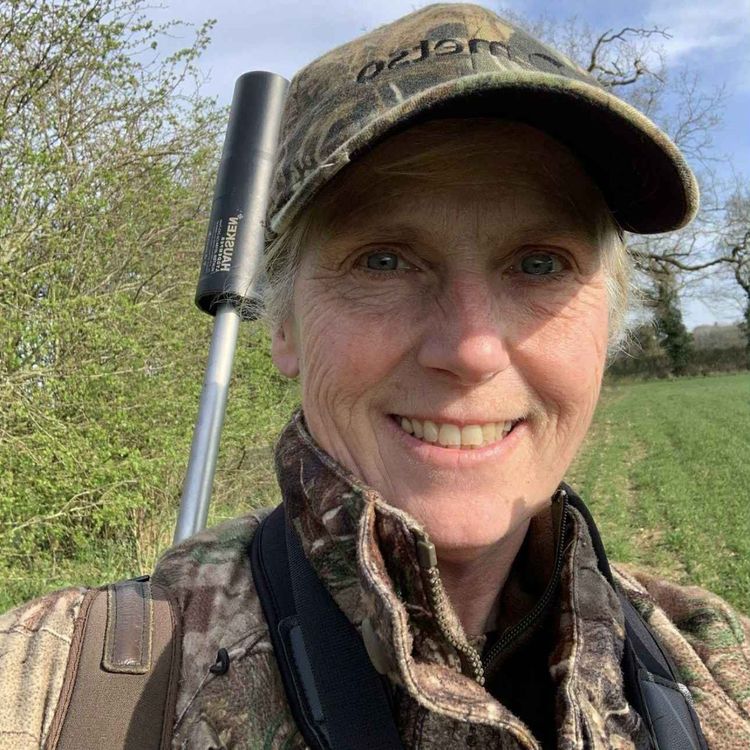
In this episode, Linda Mellor is joined by Audrey Watson, whose career has spanned roles as a Countryside Ranger, Ecological Adviser, Forester, Deer Officer for BASC, and Area Wildlife Manager.
A recent move to the Isle of Mull, Audrey talks about island life, local wildlife on her doorstep, and adapting to open hill stalking and longer-range shooting. The conversation also reflects on loss following the death of her husband, Peter, who introduced her to shooting and deer stalking. Together, they shot and stalked across the UK and hunted worldwide.
Now settled on Mull with her four dogs, Audrey shares thoughts on change, resilience, and embracing a new chapter. 👉 Listen now for a thoughtful conversation about life, landscape, and adaptation.
More episodes
View all episodes
16. Linda in candid conversation with Scott MacKenzie
01:06:28||Season 3, Ep. 16In this candid conversation, Linda Mellor is joined by Skye gamekeeper and deer stalker Scott MacKenzie to discuss the emotional pressures surrounding traditional rural professions including gamekeeping, stalking and ghillie work. Together they explore the realities of isolation, public perception, mental health stigma, firearms concerns, long hours and the struggle to balance a way of life with modern expectations. The conversation also reflects on the importance of storytelling, friendship, support networks and why the sporting sector must modernise to better support the people at its heart. Rural workers, they argue, are very used to being spoken about rather than listened to.
15. Linda talks with Colin Murdoch about working the land and a deer tour business
01:15:23||Season 3, Ep. 15Deer manager Colin Murdoch joins Linda Mellor from Reraig Forest in the Scottish Highlands to talk about a lifetime spent working the land and the unexpected success of his deer tour business.The conversation explores starting work under his father with the Forestry Commission in 1977 and the unexpected success of his deer tour business, where visitors are taken into the hills by Argo to experience red deer at close quarters. What began almost by accident has grown into a popular attraction for tourists, photographers and film crews, especially during the autumn rut. 👉 Listen now for a fascinating insight into Highland life, deer management and a lifetime spent working the land.
14. Linda Mellor talks to Ben Randall
56:17||Season 3, Ep. 14Gundog trainer Ben Randall joins Linda Mellor to trace the spark back to wildfowling days with his dad, a teenage start on a £35-a-week YTS gamekeeping scheme, and the road to building Beggarbush Gundog Kennels. From breeding Cockers, Springers and Labradors to residential training and one-to-one tuition, Ben describes a packed and purposeful life with gundogs at its heart.He also talks about creating a wild bird shoot designed with gundogs in mind, working alongside family, and the enduring pull of days in the field with his father and his own sons. The conversation turns to balance too, carving out time away, planning a proper holiday, and the focus that keeps everything moving forward, including a new book on the horizon.Gundog Trainer of the Year, Double British Cocker Champion, Kennel Club approved, panel judge, and trainer to well-known names, but at heart it’s still about dogs, family, and the countryside.👉 Listen now for a conversation about building a life around gundogs, family roots, and keeping pace with a demanding countryside career.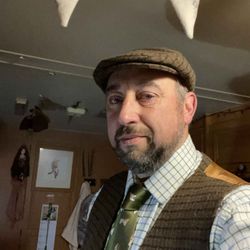
13. Linda Mellor talks to Glenn Kershaw
51:33||Season 3, Ep. 13In this episode, Linda Mellor is joined by Glenn Kershaw from the North Yorkshire coast, whose journey into shooting began with a simple invitation from a friend.Glenn reflects on how a lifelong love of the countryside grew from birdwatching into training and working his own Springer, alongside shooting and fishing. The conversation also touches on the occasional “them and us” divide found on shoots, and the quiet pride and responsibility of turning up as a beater: properly dressed, ready to play your part, and doing the job well.They also explore a different kind of challenge: dating in your 60s. Glenn shares his thoughts on finding someone who understands and shares a countryside way of life, and how modern apps, built on quick swipes and snapshots, have replaced the more human ways people once connected.👉 Listen now for a conversation about benefits of a country living, the importance of eating what you shoot and searching for a genuine countryside connection in the fast-moving digital world of Apps.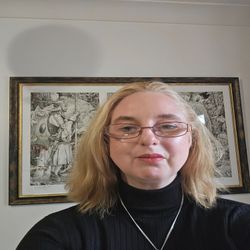
12. Linda talks to Laura McMahon of the British Deer Society
50:35||Season 3, Ep. 12Linda Mellor and Laura McMahon of the British Deer Society discuss the importance of community within deer management, the need to support women and younger people entering the sector, and the growing concern around an ageing workforce and future skills shortages. Laura explains how the British Deer Society is helping to bring people together through collaboration, education, and events.The conversation also celebrates the magic of deer themselves, the powerful connection people feel when spending time watching them in the wild, and the role photography and shared experiences play in bringing people closer to nature. They also explore the BDS Annual Photography competition, and how the society slogan 'Together for Deer' is at the heart of everything they do.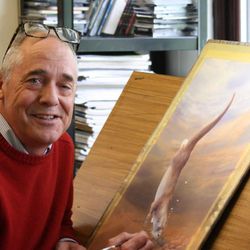
11. Linda Mellor talks to Owen Williams
01:08:25||Season 3, Ep. 11A candid conversation about predation control, protecting livestock, and the deep-rooted tensions surrounding these topics in today's rural landscape.Owen and Linda dig into the tribalism and combative attitudes that often derail constructive debate, exploring why these conversations can become so charged, and why that's getting in the way of real progress. They trace the long history of humans protecting their food supplies, reflecting on just how far removed much of modern society has become from the realities of food production and land management.The discussion turns to policy, and the dangers of broad-brush approaches that fail to account for the nuance of working land. Owen makes a compelling case for the knowledge held by those on the ground: gamekeepers, farmers, rural workers, arguing that site-specific expertise should carry far greater weight in shaping decisions that directly affect their livelihoods and landscapes.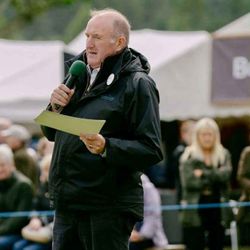
9. Linda Mellor talks to Mark Ewart of the Southern Uplands Moorland Group
59:42||Season 3, Ep. 9In this episode, host Linda Mellor is joined by Mark Ewart to discuss the importance of face-to-face connection and meaningful engagement with the wider public.Mark, Southern Uplands Moorland Group Regional Co-ordinator and National Engagement Manager for Scotland’s Regional Moorland Group, shares how events such as the Royal Highland Show create valuable opportunities to reach a broad audience. The conversation also explores community and school engagement through initiatives like taking the Moorlands into Schools, working alongside gamekeepers, and open moorland days.They also look at shoot days beyond the shooting itself, highlighting the benefits of working dogs, exercise, teamwork, friendship, camaraderie, time in beautiful landscapes, and positive mental wellbeing.
8. Linda talks to Peter Gibbon of podcast The Outdoor Gibbon
58:28||Season 3, Ep. 8In this episode, host Linda Mellor is joined by Peter Gibbon for a candid conversation covering deer stalking, advances in technology, and the constant pressure created by smartphones and the expectation to respond immediately, realities that are not always talked about openly.Peter shares what led him to start his podcast, The Outdoor Gibbon, and the value of the spoken word in recording events and experiences. Linda and Peter also discuss the right to roam, the impact of a busier Scottish countryside on deer management, and the need to bridge the gap in understanding between public access to the hills and the realities of the working environment.The conversation also turns to wild game, exploring why, despite its seasonal abundance, more people are not making better use of wild and freely available food.