Share

The Diabetic Mammy Podcast
High Blood Sugar Symptoms Hiding in Plain Sight: What Hyperglycaemia Actually Feels Like (#48)
In this episode of The Diabetic Mammy, we explore hyperglycaemia (high blood sugar) in type 1 diabetes, not just as a number on a glucose monitor, but as a real physical and emotional experience in the body.
Catherine explains the symptoms of high blood sugar including fatigue, brain fog, thirst, irritability and dehydration, and why people living with diabetes can slowly lose awareness of how unwell high glucose levels make them feel.
This episode gently explains why reducing high blood sugar improves energy, mood and quality of life, and why gradual improvement matters more than perfection.
The Diabetic Mammy is the heartfelt, no-nonsense podcast where type 1 diabetes meets motherhood, community, and daily life.
Hosted by Catherine, a mammy navigating the highs and lows of type 1 diabetes, each episode blends personal insight with practical wisdom, offering support for parents, carers, and anyone living with or loving someone with diabetes.
From tech transitions and hospital diagnoses to school lunches and stolen sleep, this podcast embraces the messy, meaningful moments that make up life with chronic illness. Whether you’re newly diagnosed or a seasoned warrior, The Diabetic Mammy is your space to feel seen, supported, and never alone.
Connect with Catherine on Instagram or Facebook @ TheDiabeticMammy.
More episodes
View all episodes
59. Move a Little: Change a Lot!
14:24||Ep. 59This epsiode of The Diabetic Mammy, we’re talking about something that can so easily begin to feel like “one more thing” on the diabetes to-do list… physical activity. But this episode gently reframes movement, not as pressure or performance, but as support.We explore how movement can help insulin work more effectively, smooth blood sugars, build confidence in the body, support mental health, and gradually help children develop independence and problem-solving skills around their diabetes.This is not an episode about creating athletes or chasing perfection. It’s about helping families find gentle, sustainable ways to move a little more in everyday life, whether that’s dancing in the kitchen, walking to school, kicking a football around, or simply getting outside together.With warmth, honesty, and plenty of “real life” acknowledgement that exercise and blood sugars do not always behave predictably, this episode is a compassionate reminder that movement should make life with diabetes feel lighter, not heavier.
58. Diabetes Technology for Seniors: Are Insulin Pumps Being Overlooked?
18:21||Ep. 58In this episode of The Diabetic Mammy Podcast, I explore a conversation we do not have often enough in diabetes care: insulin pumps are not just for children, athletes, or highly “tech-savvy” adults.Together, we gently rethink who diabetes technology is really for, focusing particularly on older adults living with diabetes, those experiencing frailty, changing memory, arthritis, visual difficulties, or the growing exhaustion that can come with managing insulin over decades.This episode reflects on how insulin pump therapy can sometimes be less about optimisation and perfect numbers, and far more about preserving dignity, reducing burden, supporting caregivers, and helping people remain safely and independently in the homes they love. We discuss the hidden workload of multiple daily injections, the emotional fear families quietly carry, and why healthcare technology should serve humans through every stage of life, including ageing and overwhelm.A warm, compassionate episode about widening the diabetes conversation, reducing judgement around technology use, and remembering that support belongs to people of every age and stage of diabetes life.
57. To Pump or Not to Pump? Choosing What Fits Your Life with Type 1 Diabetes (#57)
12:32||Ep. 57In this episode of The Diabetic Mammy Podcast, we gently unpack one of the biggest myths in diabetes care: that insulin pumps are automatically the “best” option for everyone living with type 1 diabetes. Inspired by an online reaction to a public insulin injection before an interview with the UK Prime Minister, this conversation explores the pressure, assumptions, and quiet judgement that can surround diabetes technology choices.Through lived experience, practical reflection, and a powerful analogy comparing pumps to high-performance cars, this episode reminds listeners that diabetes management is deeply personal. We discuss why some people thrive on pumps, why others prefer injections, and why success in diabetes is not measured by the device you wear, but by building a sustainable life that works for you and your family. A gentle permission slip for anyone feeling pressure to manage diabetes a certain way.
56. The Internet Wants Fear and Anger: I’m Choosing Light in the Digital Storm (#56)
11:56||Ep. 56In this episode of The Diabetic Mammy, I reflect on the kind of diabetes community we are building: both online and in person; and the kind of space I hope my own children will find when navigating life with type 1 diabetes.Because the truth is, the internet rewards fear and anger. Loudness grows quickly. Outrage spreads easily. And yet families living with type 1 diabetes have already carried more than enough fear.So what happens if we choose something different?This episode is a gentle conversation about community, comparison, burnout, kindness, emotional safety, and the responsibility we all carry in shaping diabetes spaces that feel supportive rather than overwhelming. I talk about why I deliberately resist fear-based content, why I believe community should make life with diabetes feel lighter, not heavier; and why the diabetes community I hope my children inherit is one built on steadiness, compassion, curiosity, and connection.If you have ever felt exhausted by online diabetes spaces, overwhelmed by comparison, or quietly wondered whether there might be a softer way to do this…... this episode is for you.
55. Type 1 Diabetes Parenting Podcast: One Year Reflection and What’s Next (#55)
10:58||Ep. 55In this reflective episode of The Diabetic Mammy Podcast, I look back on a year of weekly conversations about parenting and living with type 1 diabetes. From the unseen work behind each episode to the global community quietly listening each week, this is a heartfelt thank you. I also share an important update as the podcast moves away from a weekly schedule. If you are parenting a child with type 1 diabetes or living with it yourself, this episode reflects on support, connection, and what comes next.
54. I Didn’t Answer this Mum Properly… So Here’s What a Low Really Feels Like (#54)
12:51||Ep. 54What does a low blood sugar actually feel like? In this episode, Catherine shares a real, lived description of hypoglycaemia in type 1 diabetes, beyond the clinical definitions. From the early physical signs to the emotional and cognitive impact, she explains why a low can feel “grim” and deeply unsettling. Designed for parents, partners, and anyone supporting someone with T1D, this episode offers insight, reassurance, and understanding of one of the most common, yet often misunderstood, experiences in diabetes care.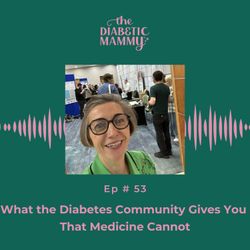
53. What the Diabetes Community Gives You That Medicine Cannot (#53)
11:36||Ep. 53In this reflective episode, Catherine shares the powerful impact of spending time within the diabetes community, after attending her first diabetes community gathering of 2026. From heartfelt conversations with newly diagnosed families to meaningful exchanges with healthcare professionals, she explores how connection, shared experience, and lived understanding can transform life with type 1 diabetes. Whether you attend events or connect quietly online, this episode is a gentle reminder that diabetes is lighter when it is not carried alone.
52. Beyond the Marathon: How to Raise a Child Who Can Live Well With Type 1 Diabetes (#52)
11:59||Ep. 52In Episode 3 of The Diabetic Mammy Podcast we explored the idea that diabetes is a marathon, not a sprint. In this episode, Catherine returns to that idea and takes it one step further.Because raising a child with type 1 diabetes is not only about managing numbers today. It is about shaping how that child will live with diabetes for the rest of their life.This episode explores a powerful parenting philosophy built on three ideas: pacing the journey like a marathon, helping children develop a healthy relationship with diabetes, and gradually handing over responsibility using a “training wheels” approach to independence.Along the way, Catherine reflects on the pressure of perfection, the importance of protecting childhood joy, and a striking insight from a teenager describing her “hate-to-love-you” relationship with diabetes technology.If you are raising a child with type 1 diabetes, this episode offers reassurance, perspective, and a gentle reminder that the goal is not perfection today, but confidence and resilience for decades to come.
51. The Goal of Parenthood Is Redundancy (#51)
10:05||Ep. 51In this reflective episode of The Diabetic Mammy, Catherine looks back across generations of living with type 1 diabetes. Diagnosed as a child decades ago, she reflects on the quiet work her parents carried so she could remain a child. Now raising children with type 1 diabetes herself, she shares what previous generations can teach us about parenting through the daily demands of diabetes. This episode also explores a powerful idea from her father: that the goal of parenthood is ultimately redundancy - raising children who can one day carry their own lives forward.