Share
The Book Club
James Marriott: The Dawn of a Post-Literate Society
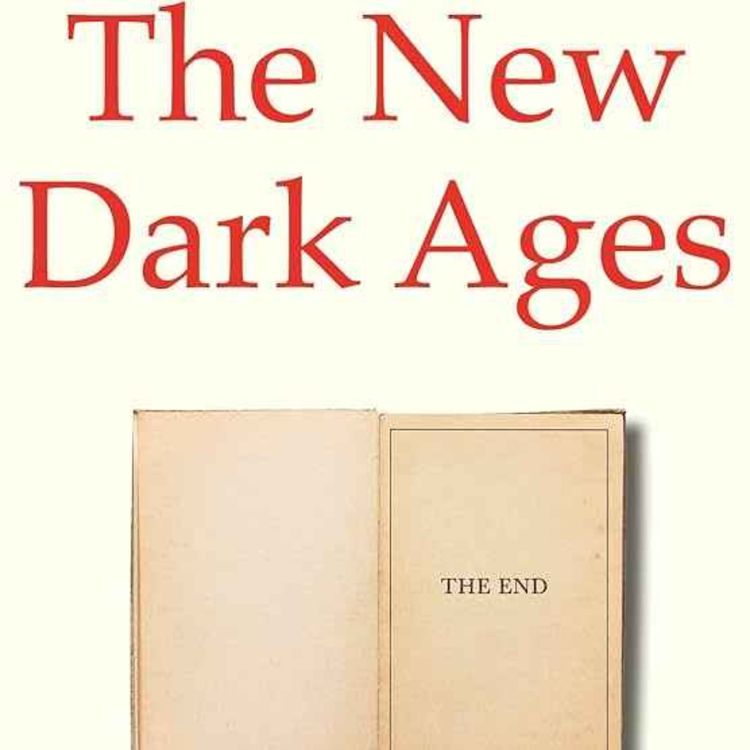
In this week’s Book Club podcast, Sam Leith is joined by The Times columnist James Marriott, whose new book is The New Dark Ages: The End of Reading and the Dawn of a Post-literate Society.
Are we witnessing the end of the reading age? James explains why literacy has shaped not just our culture but the way we think – and why its decline could have profound consequences for politics, democracy and public life. They discuss how television, TikTok and short-form video have transformed our attention spans, whether AI will further erode the status of writing, and why the readers of the future may become a new cognitive elite.
Become a Spectator subscriber today to access this podcast without adverts. Go to spectator.co.uk/adfree to find out more.
For more Spectator podcasts, go to spectator.co.uk/podcasts
Contact us: podcast@spectator.co.uk
More episodes
View all episodes
Lindsey Fitzharris: Sleuth-Hound
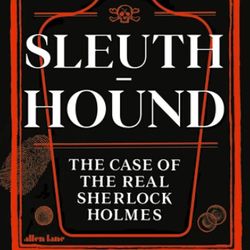
36:39|Who was the real Sherlock Holmes? In this episode Sam Leith is joined by medical historian and author Lindsey Fitzharris to discuss her new book, Sleuth Hound: The Case of the Real Sherlock Holmes.Fitzharris tells the extraordinary story of Joseph Bell, the Edinburgh surgeon whose powers of observation inspired Arthur Conan Doyle’s legendary detective. How did Bell learn to read the human body like a crime scene, and what role did he play in the emergence of modern forensic science? From Victorian murder cases to the Ripper investigations, Bell’s work helped bring medical evidence into the courtroom – while his real-life achievements were often overshadowed by his fictional counterpart.Plus: why did Conan Doyle want to kill off Sherlock Holmes, and how did Bell react to becoming the inspiration for one of literature’s most famous characters?Produced by Abigail Brierley.
Shaun Bythell: Return of the Bookseller Diarist
31:15|For this week’s Book Club, Sam Leith, the Spectator’s literary editor, is joined by Shaun Bythell, proprietor of The Book Shop in Wigtown, Scotland, and author of The Diary of a Bookseller series, to discuss the fourth instalment, The Return of the Bookseller’s Diary.They discuss the strange characters who wander into second-hand bookshops, the customers who haggle over £2 books, and how Bythell’s shop helped turn Wigtown into Scotland’s unlikely book town.They also explore the changing world of bookselling, from the rise of online marketplaces to the 18th-century bookseller James Lackington, whose ‘buy cheap, sell cheap’ philosophy has more than a little in common with Amazon.Plus, Bythell reveals how keeping a diary has changed the way he sees his customers, the unexpected consequences of becoming a published author, and why the Covid-19 pandemic proved surprisingly good for business.Produced by Abigail Brierley.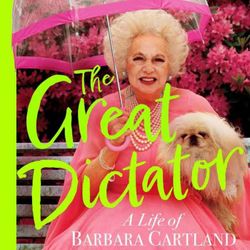
Matthew Sweet: The Great Dictator
44:50|In this week’s Book Club podcast, Sam Leith is joined by author Matthew Sweet to discuss his new biography, The Great Dictator, about the bestselling novelist Barbara Cartland.They explore the extraordinary life behind Barbara Cartland’s instantly recognisable image – from her beginnings in the aftermath of the First World War to her career as one of the bestselling authors of all time. They discuss why Cartland was so often dismissed as a joke by literary critics, and how her novels offered generations of women stories of romance, aspiration and consolation. They delve into the political side of her life, including her opposition to appeasement, her campaigning on behalf of Romani travellers and her close relationship with her brother, MP Ronald Cartland.
Steven Pinker: When Everyone Knows That Everyone Knows...
37:09|In this week’s Book Club podcast, Sam Leith is joined by psychologist and linguist Steven Pinker to discuss his new book, When Everyone Knows That Everyone Knows…Pinker explores the powerful idea of ‘common knowledge’ - not simply what we know, but what we know that other people know, and what we know they know we know. From the story of the Emperor’s New Clothes to revolutions, financial markets and international relations, he argues that our ability to coordinate with one another depends on making certain things publicly understood.Sam and Steven also discuss why language may have evolved partly to help us coordinate, why wars can be driven by honour and status as much as resources, and why blushing, laughter and eye contact can all be understood as ways of generating common knowledge.
John Sellars: Stoicism Is Not What You Think
28:12|In this week’s Book Club podcast, Sam Leith is joined by philosopher John Sellars to discuss his new book, Stoicism Is Not What You Think.Sellars explores the ancient philosophy of Stoicism and challenges some of its most common misconceptions – from the idea that Stoics repress their emotions to the belief that they are cold, indifferent and detached from the world.From its origins in ancient Athens to its modern revival online, Sellars explains what the Stoics actually believed and counter Stoicism’s reputation beyond its ‘stiff upper lip’ image. Sam and John also discuss Marcus Aurelius, the role of women in the history of Stoicism, and the growing body of psychological research asking whether putting Stoic ideas into practice can actually improve our lives.Produced by Abigail Brierley.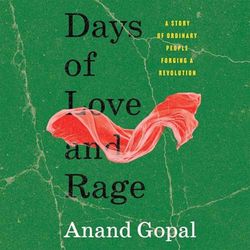
Anand Gopal: Days of Love and Rage
30:46|In this week's Book Club podcast, Sam Leith is joined by The New Yorker writer Anand Gopal, whose new book, long-listed for the Baillie Gifford Prize, is Days of Love and Rage: A Story of Revolution.What does freedom mean once the dictator has gone? Anand explains why he spent eight years reporting on Manbij, a city of 150,000 that pushed out the Assad regime and set about building a democracy from scratch – and how the argument over what came next split the revolution in two. They discuss the bubblegum seller who became a protest leader, the police chief who quietly stopped shooting at the crowds, how six outsiders talked their way into control of the city, and why the manuscript was handed in three days before Assad fell.Produced by Henry Lloyd
Hannah Richell: An Ocean and a Day
33:26|In this week’s Book Club podcast, Sam Leith is joined by bestselling novelist Hannah Richell to discuss her new memoir, An Ocean and a Day.When Hannah’s husband died in a surfing accident, her life in Australia was shattered. Suddenly, she was a single mother to two young children, navigating a grief she could never have imagined. Her memoir traces that journey from the moment of the accident, but, more uniquely, looks beyond those first years of loss – to what grief looks like with the benefit of time, distance and reflection.Sam and Hannah discuss the shame and embarrassment that can accompany grief, the physical effects of loss, how her experience has shaped her fiction, and what makes memoirs so powerful - to both writer and reader.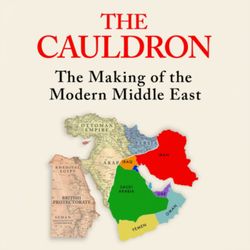
Simon Sebag Montefiore: The Cauldron
39:22|My guest on this week’s Book Club podcast is Simon Sebag Montefiore, the author of a number of fantastic books, including The Cauldron, which released this week. Simon and I talk about the making of the modern middle east, and how we forget some of the most fundamental groups who shaped this part of the world into the region that we know of today.