Share
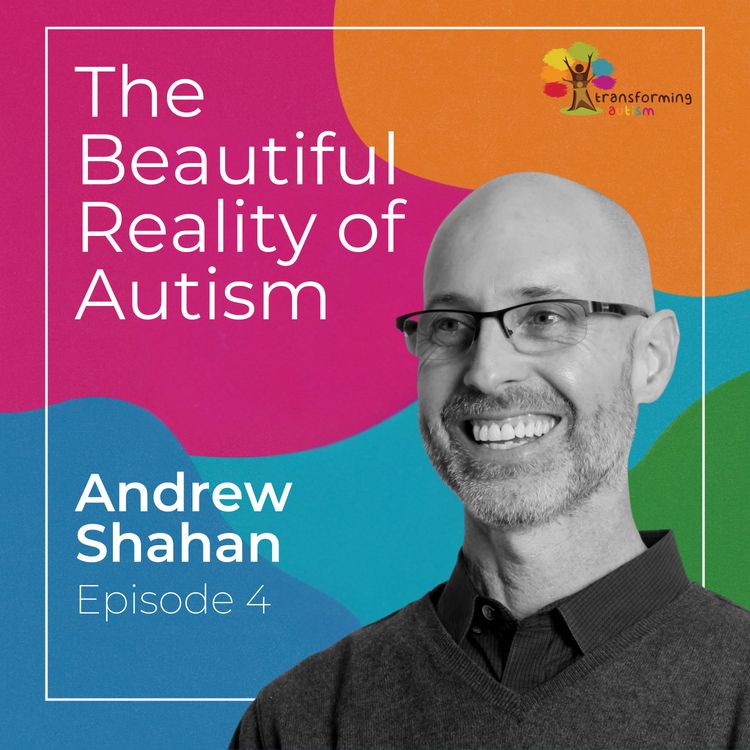
Autism: The Beautiful Reality
Three essentials for empowering autistic children (with Andrew Shahan)
In Episode 4 of The Beautiful Reality of Autism, Guy Shahar is joined by Andrew Shahan, an early childhood special educator with 35 years’ experience working with autistic children and their families.
Andrew reflects on what autistic people have taught him about authenticity, connection, and unconditional love, and why so much distress can be created when adults bring pressure, agendas, or a ‘fixing’ mindset into interactions.
Andrew then shares three practical, grounding principles for parents:
(1) see and value your child unconditionally, making space to notice strengths in a system that often spotlights deficits,
(2) relax and prioritise pressure-free connection over ‘performance’, and
(3) trust your own intuition and relationship with your child, rather than constantly deferring to professional advice that may not fit your child’s nervous system.
Chapters:
• 00:00–01:19 Welcome, what this episode is about, and Andrew’s background
• 01:19–06:58 What Andrew has learned from 35 years: authenticity and ‘relearning humanness’
• 06:58–11:33 Andrew’s childhood lens and why unconditional love mattered so much
• 11:33–15:38 Unconditional love, presence, and the cost of adult dysregulation
• 15:38–26:54 1) See and value your child: strengths, not deficits
• 26:54–36:25 2) Relax: no-pressure connection and dropping the agenda
• 36:25–53:58 3) Trust yourself: intuition, reassurance, and resisting shame
• 53:58–56:09 Closing, thanks, where to find Andrew, and final thoughts
If you have found this episode helpful and would like to support Transforming Autism’s work, you can make a donation here: https://tinyurl.com/tap-donate
Every contribution means we can support even more young Autistic children to fulfil their potential and, with their families, live happy, fulfilling lives.
Transforming Autism: https://transformingautism.org/
Music: My Starwing by Nathaniel Weilein
More episodes
View all episodes
1. Pity the System, Not the Child (with Carrie Grant, MBE)
54:48||Season 2, Ep. 1Autism: The Beautiful Reality | Season 2, Episode 1 | Carrie Grant MBE on Autism, Trauma, PDA & Neurodiversity In our first episode of season 2, Guy is joined by vocal coach, author, and TV presenter Carrie Grant, MBE. As a mother of four neurodivergent children and having received her own autism diagnosis later in life, Carrie offers a fierce, beautifully candid defense of neurodiversity. She shatters the myth that a diagnosis brings grief, pointing out instead that the real trauma is inflicted by a rigid, judgmental educational and healthcare system that gaslights families. Sharing personal breakthroughs, from her daughter flourishing as an actor on the TV show Hollyoaks to learning the profound power of simply sitting in silent presence on a teenager's bed. Carrie provides parents with an empowering toolkit for survival, radical acceptance, and learning how to build a world where neurodivergent individuals can truly thrive. If you have found this episode helpful and would like to support Transforming Autism’s work, you can make a donation here: https://tinyurl.com/tap-donate Every contribution means we can support even more young Autistic children to fulfil their potential and, with their families, live happy, fulfilling lives. Transforming Autism: https://transformingautism.org/ #Autism #AutismAwareness #Neurodiversity #AutisticChildren #AutismParenting #TraumaInformedParenting #PDA #PathologicalDemandAvoidance #AutismAndGirls #AutismMasking #SEND #SpecialEducationalNeeds #AutismAdvocacy #CarrieGrant #TransformingAutism Timestamps • 00:00 - Introduction • 01:25 - The First Signs & School System Shock • 02:22 - Navigating Diagnoses (ADHD & Autism) • 04:30 - Grief is Not the Child, Grief is the System • 08:30 - Systemic Gaslighting & The SEMH Bias • 11:08 - Holding Onto Identity vs. 'Self-Care' • 12:40 - Jumping Ship: Unlearning Traditional Parenting • 16:57 - The Power of Silent Presence (A Breakthrough Connection) • 24:13 - Validating Anxiety & The School Gate Mirror • 27:02 - The 3-Part Triangle: Anxiety, Toleration, & Demand • 35:25 - From Parent to Campaigner: Growing the Village • 39:30 - How Autism Manifests Differently in Girls • 45:00 - Shifting the Paradigm: From Linear Lines to the Wheel • 48:54 - Carrie’s Own Late-Life Diagnosis at 57 • 52:03 - Quickfire Questions & Final Words of Hope
10. The SENbetweeners, masking and finding the right school (with Lisa Lloyd)
48:55||Season 1, Ep. 10In Episode 10 of The Beautiful Reality of Autism, Guy Shahar is joined by Lisa Lloyd, known online as ASD with a G and T and author of Raising the SENbetweeners.Lisa explains what she means by ‘SENbetweeners’: children who do not fit neatly into mainstream education, but are also told they are not ‘complex enough’ for specialist provision. She shares the contrasting experiences of her two children, including her son Finley’s masking in mainstream school and the emotional cost of being seen as ‘fine’ when home life told a very different story.The conversation explores school battles, EHCPs, the impact of finding the right setting, and why the education system often fails children who sit between categories. Lisa also reflects on her own late autism diagnosis, how it helped her understand herself and her parenting, and why self-compassion matters for neurodivergent parents.This is a funny, honest, and deeply relatable conversation about acceptance, not comparing, trusting your instincts, and understanding autism as difference rather than deficit.What you’ll learn• What Lisa means by ‘SENbetweeners’, and why the term resonates with so many families• Why masking is not coping, but often suffering in silence• How the right school environment can bring a child’s personality back• Why EHCPs and specialist settings can be life-changing for some children• How a child’s diagnosis can lead a parent to recognise their own neurodivergence• Why late diagnosis can support self-compassion and better parenting• Why ‘don’t compare’ and ‘throw out the rule books’ are such powerful messages for parents• Why PDA is often misunderstood as behaviour, when anxiety may be driving itThis episode is shared for information and support. It is not medical advice. If you are worried about your child’s well-being, contact your GP or relevant professional support. If you have found this episode helpful and would like to support Transforming Autism’s work, you can make a donation here: https://tinyurl.com/tap-donate Every contribution means we can support even more young Autistic children to fulfil their potential and, with their families, live happy, fulfilling lives.
9. From Crisis to Beauty: Guy Shahar on Founding Transforming Autism
50:40||Season 1, Ep. 9The episode marks Transforming Autism’s Big Give Small Charities Week campaign, where all donations are doubled between 22nd June – 29th June 2026. Donations can be made HERE.In this episode, Pip Leaver (Trustee) interviews Transforming Autism Founder Guy Shahar about the story behind the charity, his family’s journey with autism, and why parent-child relationships are at the heart of lasting change.Guy shares how autism first entered his life: through his own experience as an undiagnosed autistic child, and later through his son, whose early withdrawal and overwhelm led Guy and his wife into a difficult search for understanding and support. He talks openly about grief, confusion, the limits of mainstream services at the time, and the moment that pushed his family to look elsewhere.The conversation explores how one family’s journey became a book, a TED Talk, and eventually a charity dedicated to helping parents build deep, accepting, trust-based relationships with their autistic children. Guy explains why self-acceptance is so vital, why parents are the vehicle for that message, and why the goal is not to “fix” the child but to help them feel safe, valued, and fully themselves.What you’ll learn (bullets)• How autism first became a central part of Guy Shahar’s family life• Why early fear and grief are common for parents, and why they should not be judged for that• How poor professional support can increase trauma for families• Why Transforming Autism focuses on parents and relationships, not “fixing” the child• How self-acceptance becomes a foundation for autistic wellbeing• Why small charities can offer focused, specialist support that larger systems often cannot• How donations to the Big Give campaign help Transforming Autism reach more familiesThis episode is shared for information and support. It is not medical advice. If you are worried about your child’s well-being, contact your GP or relevant professional support. If you have found this episode helpful and would like to support Transforming Autism’s work, you can make a donation here: https://tinyurl.com/tap-donate Every contribution means we can support even more young Autistic children to fulfil their potential and, with their families, live happy, fulfilling lives.
8. Late discovery, bullying, and seeing the whole person (with Paul Isaacs)
44:34||Season 1, Ep. 8In Episode 8 of The Beautiful Reality of Autism, Guy Shahar is joined by Paul Isaacs, autism speaker and advocate. Paul grew up going through mainstream schooling without specialist support, and he describes being non-speaking until around the age of eight, alongside major information-processing challenges. Paul shares his childhood experiences of bullying and explains how community attitudes can shape whether difference is met with curiosity or hostility. He reflects on his parents’ efforts to support him with limited information, and the long-term impact of deficit-focused school meetings that centered on what a child ‘doesn’t do’ rather than what can help. A central message of this conversation is: do not make assumptions. Paul breaks down why communication differences are not the same as intelligence, and why it is vital to ‘presume competence’ and protect a child’s dignity. He also introduces Donna Williams’ ‘fruit salad’ analogy as a way to understand autism in a person-centered, three-dimensional way. This is a powerful episode for parents and educators who want to build understanding, reduce harm, and help autistic children grow up with a stable sense of self. What you’ll learn Why communication differences are not the same as intelligence How bullying can be driven by community attitudes and ‘difference’ stigma The risks of deficit-only framing in schools and professional meetings What ‘presume competence’ looks like in day-to-day parenting and education Why diagnosis and understanding are shaped by the culture around a family Exposure anxiety and why being ‘noticed’ can be overwhelming Donna Williams’ ‘fruit salad’ analogy for a person-centered view of autism This episode is shared for information and support. It is not medical advice. If you are worried about your child’s well-being, contact your GP or relevant professional support. If you have found this episode helpful and would like to support Transforming Autism’s work, you can make a donation here: https://tinyurl.com/tap-donate Every contribution means we can support even more young Autistic children to fulfil their potential and, with their families, live happy, fulfilling lives.
7. From judgement to understanding: helping autistic children regulate (with Dr Janet Rose)
49:33||Season 1, Ep. 7In Episode 7 of The Beautiful Reality of Autism, Guy Shahar is joined by Dr Janet Rose, Principal of Norland College, co-developer of Transforming Autism’s First Steps programme, and a parent of an autistic son. Janet shares her early parenting journey and the challenges that didn’t fit the stereotypes: a child who was an early talker and early reader, but who struggled with sleep, sensory sensitivities, change, and emotional regulation (especially at home). She describes the fear, self-blame and tension that can build when parents judge surface behaviour, rather than understanding what is happening underneath. Janet explains emotion coaching: a strengths-based, relationship-led approach that looks ‘under the iceberg’ of behaviour. It validates the child’s feelings, supports calming and co-regulation first, and then teaches self-regulation skills over time. She shares vivid examples of how this can shift a child’s language and behaviour, and how it also requires adult self-regulation. This episode is a practical reset for parents: compassion without permissiveness, boundaries without shame, and connection as the pathway to growth. What you’ll learn (bullets) Why behaviour is the ‘tip of the iceberg’ and what sits underneath How emotion coaching supports co-regulation and self-regulation Why sensory sensitivities and transitions can trigger stress responses How to validate feelings without accepting harmful behaviour Why adult self-regulation is central to helping a child regulate Why progress takes time, and what realistic change looks like How a strengths-based view changes family life This episode is shared for information and support. It is not medical advice. If you are worried about your child’s well-being, contact your GP or relevant professional support. If you have found this episode helpful and would like to support Transforming Autism’s work, you can make a donation here: https://tinyurl.com/tap-donate Every contribution means we can support even more young Autistic children to fulfil their potential and, with their families, live happy, fulfilling lives.
6. Jessica Whalley on acceptance, self-care, and late diagnosis
48:00||Season 1, Ep. 6In Episode 6 of The Beautiful Reality of Autism, Guy Shahar is joined by Jessica Whalley, a late-diagnosed autistic mum whose son Jude is autistic and non-verbal. Jessica reflects on growing up as an autistic girl who ‘masked’ to fit in, why many autistic women are missed, and how her own diagnosis came after Jude’s. She shares what it was like when autism first entered her life: fear about the future, hyperfocus on speech, and feeling as if parenting had become a job. A pivotal moment came when Jessica realised she didn’t want to lose Jude’s childhood to worry. She describes the shift from chasing outcomes to enjoying her son for who he is, reducing pressure, and building a secure, positive home environment The conversation also covers self-care and respite, routines, empathy, and why acceptance is not ‘giving up’ but the foundation for progress. Jessica also shares her book, The Autistic Mom. What you’ll discover: Masking in autistic girls Why many women are diagnosed later How a child’s diagnosis can lead parents to recognise themselves How to stop ‘worrying away’ your child’s childhood Why dropping pressure around speech can help connection and confidence How autistic traits (routine, hyperfocus) can support parenting Why self-care and respite are requirements, not rewards How to talk about autism as ‘difference’, not tragedy Jessica’s book (The Autistic Mom): https://www.amazon.co.uk/Autistic-Mom-diagnosis-raising-neurodivergent/dp/1916572952 Jessica on Instagram: https://www.instagram.com/_theaalife_/ If you have found this episode helpful and would like to support Transforming Autism’s work, you can make a donation here: https://tinyurl.com/tap-donate Every contribution means we can support even more young Autistic children to fulfil their potential and, with their families, live happy, fulfilling lives. Transforming Autism: https://transformingautism.org/ Music: My Starwing by Nathaniel Weilein
5. What autism is, and how to build a world that works (with Sir Simon Baron-Cohen)
43:14||Season 1, Ep. 5In Episode 5 of The Beautiful Reality of Autism, Guy Shahar is joined by Sir Simon Baron-Cohen (University of Cambridge), one of the world’s leading autism researchers. Simon reflects on how autism has been understood over the decades, from parent-blaming theories to today’s view of autism as neurodevelopmental, with strong genetic contributions. They explore autism through the lens of neurodiversity: differences in social communication and coping with change, alongside strengths such as attention to detail, memory for detail, and pattern recognition. Simon explains why repetitive behaviour can be part of an autistic learning style, not something to extinguish, and why education and workplaces often need reasonable adjustments. A major focus is mental health: high rates of anxiety and depression, and the urgent suicide risk in autistic adults. Simon shares what can reduce risk, including belonging, anti-bullying, supportive relationships at home, peer ‘buddy’ approaches at school, and making time to check in with a child’s wellbeing. The episode closes with a clear vision: autistic people’s human rights must be recognised, protected, and actively supported. What you’ll learn:What autism is, and how the field’s understanding has changed Neurodiversity: strengths and challenges without stigma Why repetitive behaviour can be part of learning (pattern seeking) How to tailor education to a child’s learning style Why mental health risks are so high, and what protects wellbeing Why diagnosis can be a ‘passport’ to support (Equality Act and reasonable adjustments) A human-rights vision for autism inclusion If you have found this episode helpful and would like to support Transforming Autism’s work, you can make a donation here: https://tinyurl.com/tap-donateEvery contribution means we can support even more young Autistic children to fulfil their potential and, with their families, live happy, fulfilling lives. Transforming Autism: https://transformingautism.org/ Music: My Starwing by Nathaniel Weilein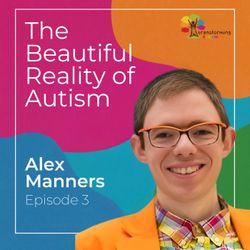
3. On masking, meltdowns, and strength-first parenting (with Alex Manners)
35:05||Season 1, Ep. 3In this episode, Guy is joined by Alex Manners, a 28-year-old autism advocate, speaker, and author. Alex shares what it was like growing up autistic, getting diagnosed at 10 (Asperger’s at the time), and navigating school when support wasn’t always there. We talk about masking, bullying, anxiety, and why meltdowns often happen after school, once the stress has built up all day. Alex also shares the coping strategies that genuinely helped, including using special interests as a calming reset. We also look at what schools and workplaces can do better, and why reasonable adjustments and autism training should be standard, not something families have to fight for. Chapters:00:00-00:49 Welcome + who Alex is00:49-02:50 The Undateables: how Alex got on the show + first date02:50-04:56 Before diagnosis: why the world felt confusing04:56-06:45 Diagnosis + "special powers" framing06:45-13:17 School experience: bullying, teachers, feeling misunderstood13:17-15:29 Masking: "hidden disability" and its cost15:29-22:09 Meltdowns after school: the "final straw" effect22:09-(end) Coping strategies: special interests, regulation tools, what helped mostAlex Manners: www.thealexmanners.comIf you have found this episode helpful and would like to support Transforming Autism’s work, you can make a donation here.Every contribution means we can support even more young Autistic children to fulfil their potential and, with their families, live happy, fulfilling lives. This episode is shared for information and support. It is not medical advice. If you are worried about your child’s wellbeing, contact your GP or relevant professional support.Follow Transforming Autism:Instagram, LinkedIn, Facebook, WebsiteMusic: My Starwing by Nathaniel WeileinPrefer to watch this episode on YouTube? Click hereAbout Transforming Autism:Transforming Autism is a UK charity focused on early autism support for children aged 0–12 and their families, with a strong emphasis on the earliest years (0-4). We help parents reconnect with their autistic child through strong trust-based relationships and create environments where children and the whole family can flourish. To learn more or access support, visit transformingautism.org.