Share
The Autistic Culture Podcast
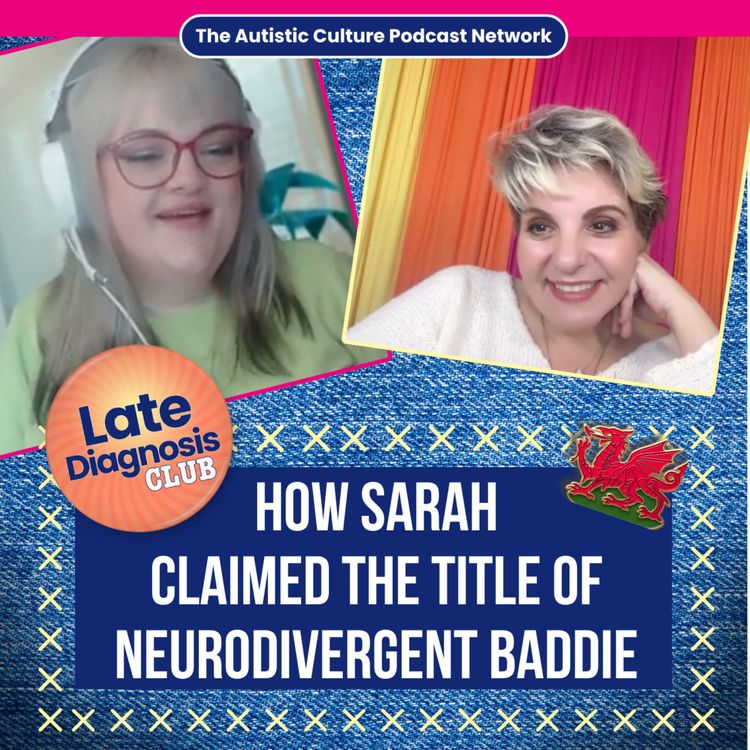
How Sarah Claimed the Title of Neurodivergent Baddie
Welcome to the first official meeting of The Late Diagnosis Club — the podcast for anyone who discovered their neurodivergence later in life.
Hosted by Dr. Angela Kingdon, this episode features artist and activist Sarah Davies, who shares how she went from a dyslexia diagnosis in childhood to discovering her autism at 34.
Together, Angela and Sarah discuss identity, unmasking, self-advocacy, and what it means to call yourself a “neurodivergent baddie.”
🪑 Attendees
Chair: Dr. Angela Kingdon — Author, community-builder, and Autistic advocate
Guest: Sarah Davies — Autistic and Dyslexic artist, campaigner, and community organiser from Wales
You: The Listener!
🗒️ Meeting Agenda
- Opening remarks from the Chair
- Member introduction: Sarah’s late diagnosis story
- Discussion: Life before and after diagnosis
- Key learnings from the meeting
- Club announcements
🧾 Minutes from the Meeting
1️⃣ Opening Remarks
Angela welcomed listeners to The Late Diagnosis Club — a space where Autistic and Neurodivergent adults can find community, connection, and conversation.
“We’re not here to fix ourselves — we’re here to find each other.”2️⃣ Member Introduction: Sarah’s Story
Sarah shared how she first identified as Dyslexic in school, but didn’t receive her autism diagnosis until age 34. She described years of masking, burnout, and finally, the relief of understanding her neurotype.
“It wasn’t that I was too much — I was just trying to fit into the wrong room.”3️⃣ Discussion Highlights
- Dopamine Dressing: Using bright colours and creative expression as self-regulation and joy.
- Hyperfocus for Healing: How her curiosity about GLP-1 science helped her reconnect with her body.
- Activism & Advocacy: From campaigning against the UK “bedroom tax” to founding Wrexham’s local Autistic meetup group.
- Community as Medicine: Why Autistic friendships feel grounding, not draining.
4️⃣ Key Learnings
- Late diagnosis is an act of self-compassion, not correction.
- Autistic joy thrives in community, not conformity.
- Humour and authenticity are radical tools for survival.
- Self-advocacy begins with knowing what you need — and believing you deserve it.
🔗 Links
Wrexham Adults Autism Group: https://www.facebook.com/share/g/1JjoEtEwcg/?mibextid=wwXIfr%0A
📣 Club Announcements
- 🎧 The Late Diagnosis Club is available on Spotify, Apple Podcasts, and all major platforms.
- 💬 Join our online meetups and community at latediagnosis.club.
- 💜 There is a small charge — but no one is turned away for lack of funds.
🎙️ Executive Producers: Amy Burns, Anamaria B Call, Andrew Banner, Anna Goodson, Ashley Apelzin, Audrea Volker, Ben Coulson, Brian Churcek, Cappy Hamper, Carley Biblin, Charlene Deva, Chloe Cross, Clay Duhigg, Clayton Oliver, Danny Dunn, Daria Brown, David Garrido, Emily Burgess, Eric Crane, Erik Stenerud, Fiona Baker, Grace Norman, Helen Shaddock, Jaimie Collins, Jason Killian, Jen Unruh, Jennifer Carpenter, Julia Tretter, Kathie Watson-Gray, Kenneth Knowles, Kira Cotter, Kristine Lang, Kyle Raney, Llew P Williams, Laura Alvarado, Laura De Vito, Laura Provonsha, Lily George, Nelly Darmi, Nigel Rogers, Rachel Miller, Tim Scott, Tyler Kunz, Victoria Steed, Yanina Wood.
🎧 Producers: AJ Knight, Bobby Simon, Da Kovac, Eleanor Collins, Emily Griffiths, Hannah Hughes, Jennifer Kemp, Jonas Fløde, Kate F, Katie N Benitez, Kendra Murphy, Lisa Dennys, Logan Wall, Louise Lomas, Melissa Nance, Nicola Owen, Rebecka Johansson, Sam Morris, Sarah Hannah Morris.
More episodes
View all episodes
Introducing the Autistic Culture Podcast Network
01:54|🎉 Introducing the Autistic Culture Podcast NetworkWhat started as one show — The Autistic Culture Podcast — has grown into something bigger: the Autistic Culture Podcast Network, the first podcast network created by and for autistic people.Across our shows, we celebrate autistic voices, stories, and culture — because being autistic isn’t just a diagnosis, it’s a community, a worldview, and something worth celebrating.🎙️ Current Shows:Autistic Culture (OG)Autistic Advocacy (OG Fridays)Neurodivergent NarrativesAutistic Culture 101Late Diagnosis Club — launching Halloween 🎃And that’s just the beginning. In January 2026, a new edition of The Autistic Culture Podcast premieres — exploring the creativity, history, and heart of autistic culture.💫 Support Autistic-Led MediaJoin Autistic Culture Plus for ad-free listening, early access, and an exclusive archive of ~100 classic episodes.Every membership helps:🎧 Fund neurodivergent creators🌍 Amplify autistic voices💡 Build culture, not pathology🤝 Support accessible, sensory-friendly storytellingFor less than the price of a coffee, you can help sustain a growing network that’s 100% by and for neurodivergent people.🎙️ Pitch Your ShowHave a podcast — or an idea for one — that celebrates autistic or neurodivergent life?We’re now accepting pitches for new and established shows created by autistic and neurodivergent people.Whether you’re an experienced podcaster or just starting out, we’ll help you bring your vision to life with technical support, mentorship, and promotion through the network.📩 Pitch your show: info@autisticculturepodcast.com💜 With GratitudeA huge thank-you to our founding supporters of Autistic Culture Plus, who believed in this network before it even launched.Our Executive Producers make this work possible — funding neurodivergent creators, amplifying autistic voices, and helping build a media ecosystem rooted in pride, creativity, and community.These members form the foundation of the Autistic Culture Podcast Network, and you’ll see their names credited at the end of our shows and on our website.Executive Producers:Amy Burns, Anamaria B Call, Andrew Banner, Anna Goodson, Ashley Apelzin, Audrea Volker, Ben Coulson, Brian Churcek, Cappy Hamper, Carley Biblin, Charlene Deva, Chloe Cross, Clay Duhigg, Clayton Oliver, Danny Dunn, Daria Brown, David Garrido, Emily Burgess, Eric Crane, Erik Stenerud, Fiona Baker, Grace Norman, Helen Shaddock, Jaimie Collins, Jason Killian, Jen Unruh, Jennifer Carpenter, Julia Tretter, Kathie Watson-Gray, Kenneth Knowles, Kira Cotter, Kristine Lang, Kyle Raney, Llew P Williams, Laura Alvarado, Laura De Vito, Laura Provonsha, Lily George, Nelly Darmi, Nigel Rogers, Rachel Miller, Tim Scott, Tyler Kunz, Victoria Steed, Yanina Wood.💫 Join now to be credited as a Producer on our shows — and help fund autistic-led media that celebrates our voices, stories, and culture.
The Late Diagnosis Club - Coming October 31!
01:42|Welcome to The Late Diagnosis Club, a brand new show from the Autistic Culture Podcast Network!The Late Diagnosis Club is a podcast by and for adults who found they were neurodivergent later-in-life. Hosted by Story Steward Dr. Angela Kingdon, this show features honest conversations with neurodivergent guests navigating the identity shock of late diagnosis or self-identification. Each episode explores neurodivergent traits through a cultural lens, debunks stereotypes, and offers solidarity for those processing family dynamics, unmasking, and reclaiming long-buried SPINs. Whether you’re self-identified or medically diagnosed, this club has been saving you a seat and helps you feel at home in your neurodivergent self.Autistic Culture is now the Autistic Culture Podcast Network — five shows live, more on the way — all created by and for neurodivergent people.We’re also launching Autistic Culture Plus on Supercast, where you can listen ad-free, get early access, binge full series, and unlock our exclusive archive of earlier episodes.Founding Listener Offer:Join now for £0.99/month (80% off) and be listed as an Executive Producer on our site and show credits. You’ll keep that price as long as you stay subscribed!On 24 Oct, the price moves to £2.50, and on 31 Oct (Halloween) the standard rate begins: £5/month or £50/year.Included with Autistic Culture Plus:• Ad-free listening (sensory-friendly)• Early access to every episode• Binge-able themed series• Exclusive archive of ~100 classic episodes• Executive Producer credit for founding membersKey Dates:🗓️ Now — Founding offer live (£0.99)🗓️ 24 Oct — Trailer drops, price rises to £2.50🗓️ 31 Oct — Virtual Halloween launch + Late Diagnosis Club premiere🗓️ Jan 2026 — New Autistic Culture series launches (members binge early!)Current Shows:Autistic Culture (OG)Autistic Advocacy (OG Fridays)Neurodivergent NarrativeAutistic Culture 101Late Diagnosis Club - Interview show launching Halloween🎉 Join Autistic Culture Plus: autisticculture.supercast.com🎃 RSVP to the Halloween party: autisticculture.substack.com📧 Pitch us your show: info@autisticculturepodcast.comThanks for supporting independent, neurodivergent-affirming media. We’re saving you a seat. 💜
Introducing the Autistic Culture Podcast Network and Autistic Culture Plus
28:28|We’ve grown into a network! 🎙️Autistic Culture is now the Autistic Culture Podcast Network — five shows live, more on the way — all created by and for neurodivergent people.We’re also launching Autistic Culture Plus on Supercast, where you can listen ad-free, get early access, binge full series, and unlock our exclusive archive of earlier episodes.Founding Listener Offer:Join now for £0.99/month (80% off) and be listed as an Executive Producer on our site and show credits. You’ll keep that price as long as you stay subscribed!On 24 Oct, the price moves to £2.50, and on 31 Oct (Halloween) the standard rate begins: £5/month or £50/year.Included with Autistic Culture Plus:• Ad-free listening (sensory-friendly)• Early access to every episode• Binge-able themed series• Exclusive archive of ~100 classic episodes• Executive Producer credit for founding membersKey Dates:🗓️ Now — Founding offer live (£0.99)🗓️ 24 Oct — Trailer drops, price rises to £2.50🗓️ 31 Oct — Virtual Halloween launch + Late Diagnosis Club premiere🗓️ Jan 2026 — New Autistic Culture series launches (members binge early!)Current Shows:Autistic Culture (OG)Autistic Advocacy (OG Fridays)Neurodivergent NarrativeAutistic Culture 101Late Diagnosis Club - Interview show launching Halloween🎉 Join Autistic Culture Plus: autisticculture.supercast.com🎃 RSVP to the Halloween party: autisticculture.substack.com📧 Pitch us your show: info@autisticculturepodcast.comThanks for supporting independent, neurodivergent-affirming media. We’re saving you a seat. 💜
83. Cults are Autistic With Jude Mills
01:28:59||Ep. 83In this episode of The Autistic Culture Podcast, Dr. Angela Kingdon is joined by Jude Mills—autistic theologian, interfaith minister, and host of Fkd Up by Faith—for a deep exploration into how cults and extremist religious movements intersect with autistic culture. This isn’t just a trauma story. It’s a culture story.Together, we unpack how autistic traits like emotional honesty, deep focus, and commitment to logic can draw us into high-demand religious systems—and what it takes to get out.🎧 What You’ll LearnWhy autistic people are often drawn into cults—and why we might stay longer than othersHow the very traits that make us vulnerable are also reflected in many cult leadersWhat happens when your SPIN (Special Interest) used to be Jesus, prophecy, or RevelationHow to mourn or reframe a spiritual system that once gave your life meaningWhy autistic people may face unique challenges—and strengths—on the journey outHow leaving isn’t failure. It’s freedom. And it’s a return to self-trust.🔊 Featuring guest Jude Mills, interfaith minister, spiritual counsellor, and host of Fkd Up By Faith—a podcast exploring healing for those hurt by religion.🎙️ Listen to Jude's podcast and learn more: fkbupbyfaith.comResources:Richard Turner – UK-based autistic cult recovery counsellorAshlen Hilliard – US-based cult recovery advocateAlexandra Stein and Janja Lalich – researchers and educators on cult dynamicsRelated Episodes:Fighting Internalized AbleismAcademia and Ableism🌟 Connect With Us📱 Follow us on Instagram🎧 Find us on Apple Podcasts and Spotify🛍️Our Autism-affirming merch shop🌐 Learn more at www.autisticculturepodcast.com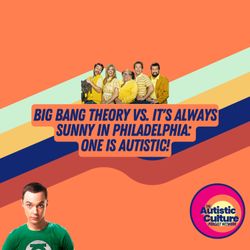
81. Big Bang Theory vs. It's Always Sunny in Philadelphia - One is Autistic!
01:11:13||Ep. 81In this episode of The Autistic Culture Podcast, Dr. Angela Kingdon and Matt Lowry LPP explore the sharp contrast between two wildly different shows—The Big Bang Theory and It’s Always Sunny in Philadelphia—and how each one portrays (or distorts) autistic representation.While one show offers a neurotypical caricature of autistic traits, the other—perhaps unintentionally—captures autistic logic, humor, and integrity with uncanny resonance.🎧 What You’ll Learn:Why The Big Bang Theory fails to reflect lived autistic experienceHow It’s Always Sunny in Philadelphia nails autistic communication, scripting, and literalismWhy rule-breaking humor and social absurdity resonate with autistic brainsHow found family and social misfits mirror real-life neurodivergent community-buildingWhy autistic integrity and emotional honesty are key to feeling seen in mediaThe difference between being written about vs. being written from inside autistic cultureRelated Episodes:Community is Autistic🌟 Connect With Us📱 Follow us on Instagram🎧 Find us on Apple Podcasts and Spotify🛍️Our Autism-affirming merch shop🌐 Learn more at www.autisticculturepodcast.com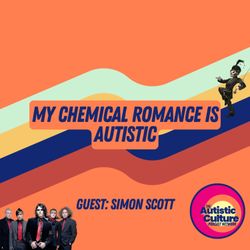
80. My Chemical Romance Is Autistic
01:17:16||Ep. 80In this episode of The Autistic Culture Podcast, Dr. Angela Kingdon and Matt Lowry LPP are joined by show producer Simon Scott — stepping in front of the mic to share his lifelong autistic special interest: My Chemical Romance (MCR).Together, they unpack how the band’s origin story, lyrics, and aesthetic reflect core autistic cultural traits like justice sensitivity, emotional intensity, and creative hyperfocus — and why MCR remains a safe haven for neurodivergent fans decades later.🎧 What You’ll Learn:How MCR’s themes of social rejection, masking, hyper-empathy, and sensory overload resonate deeply with autistic experiencesThe band’s origin story — born from Gerard Way’s intense emotional processing of 9/11 — as an example of autistic trauma response and urgencyHow recording their debut album in a week showcases autistic hyperfocus and creative intensityThe narrative arcs in MCR’s albums, exploring identity, grief, burnout, and transformationWhy “I’m Not Okay (I Promise)” became an anthem for misunderstood neurodivergent teensHow bottom-up processing and the “autistic accent” influence MCR’s lyrical style, delivery, and authenticityThe neurodivergent-coded subculture that grew around MCR as a form of autistic community-building🎤 Featured Guest: Simon ScottSimon Scott is the producer of The Autistic Culture Podcast and co-host of The Neurodivergent Experience Podcast, a passionate advocate for autistic creative expression. His lifelong SPIN (special interest) in Music and My Chemical Romance has informed his work in storytelling, podcasting, and autistic community-building.Resources:My Chemical Romance on Wikipedia - https://en.wikipedia.org/wiki/My_Chemical_RomanceBlack Parade in Musical Order - https://open.spotify.com/playlist/3C9lpecSL1wW8s2X8hRFue?si=467d34e55173494fNeurodivergent Experience - https://open.spotify.com/show/4Ia5o6nDiR5mgGIXJNtyZ7?si=eecb525303994957Related Episodes:Chess is AutisticFreddie Mercury is Autistic🌟 Connect With Us📱 Follow us on Instagram🎧 Find us on Apple Podcasts and Spotify🛍️Our Autism-affirming merch shop🌐 Learn more at www.autisticculturepodcast.com
79. They Might Be Giants is Autistic
01:07:21||Ep. 79In this episode of The Autistic Culture Podcast, Dr. Angela Kingdon and Matt Lowry LPP celebrate the legendary alt-rock band They Might Be Giants—a group whose quirky, clever, and community-driven music has been unintentionally (or very intentionally) autistic-coded since the early 1980s.From masking anthems to special-interest deep dives, TMBG has built a decades-long career on lyrical loops, info-dumping, and unapologetic weirdness—making them a perfect example of Pillar 2: Rhythmic Communicating and Pillar 10: Passionate Superfanning.🎧 What You’ll LearnHow They Might Be Giants began in 1982 with their cult-classic Dial-A-Song hotline and a fiercely independent, fan-supported modelWhy an estimated 90% of their fan base identifies as unapologetically autisticJohn Linnell’s open identification as autistic and the band’s neurodivergent creative processAutistic themes in TMBG lyrics:“Upside Down Frown” → masking and emotional labour“Dr. Worm” → special interest anthemRejection sensitivity, burnout, and pattern recognition woven into storytellingHow songs like Istanbul (Not Constantinople) showcase autistic hyperfocus, educational infodumps, and joyful pattern playWhy their fan club structure fosters authentic autistic community and belongingThe sensory and lyrical precision that makes TMBG an autistic cultural touchstoneResourcesAngela’s “TMBG is Autistic” Companion PlaylistMusical References of TMBGStuff is the WayFavourite TMBG Lyrics – 🔗 Read the discussion on RedditBest They Might Be Giants Songs – 🔗 Check out the list on BuzzFeedBonus Artist: Moon Hooch – Looking for more neurodivergent-friendly music? Check out Moon Hooch🔗 Visit moonhooch.com🌟 Connect With Us📱 Follow us on Instagram🎧 Find us on Apple Podcasts and Spotify🛍️Our Autism-affirming merch shop🌐 Learn more at www.autisticculturepodcast.com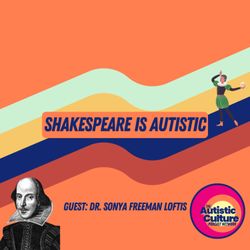
74. Shakespeare is Autistic With Dr. Sonya Freeman Loftis
01:07:13||Ep. 74In this episode of The Autistic Culture Podcast, Matt and Angela are joined by Shakespeare scholar Dr. Sonya Freeman Loftis to explore how Shakespeare’s plays connect with autistic experiences—from emotional intensity to characters whose traits feel deeply neurodivergent.🎧 What You’ll Learn:Autistic-coded heroes – How characters like Hamlet, Coriolanus, Othello, and King Lear embody autistic themes such as moral intensity, social disconnect, and emotional overload.Disability lens on the Bard – Dr. Loftis shares her journey into studying Shakespeare through a disability perspective, and the rise of autism-friendly and relaxed performances at venues like The Globe.Bottom-up processing & inertia – Why lines like “To be or not to be” can feel like expressions of autistic inertia, and how Shakespeare’s language structure invites bottom-up processing that resonates with neurodivergent minds.Otherness & ableism – How portrayals of “the outsider” in Shakespeare’s works reflect societal treatment of autistic people, and where ableist framing still appears.Shakespeare as therapy – From prison programs to elder care, and even modern neurodivergent Shakespeare meetups, his works offer catharsis and connection.Was Shakespeare neurodivergent? – Considering his prolific, atypical perspective on language and emotion as possible indicators of neurodivergence.Featured Guest: Dr. Sonya Freeman LoftisDr. Sonya Freeman Loftis is a Shakespeare scholar, disability studies researcher, and author whose work explores how literature intersects with neurodivergence and lived experience.🔗 Explore Dr. Loftis’s Academic Profile on Academia.edu📖 William Shakespeare Was on the Autism Spectrum (Asperger’s Syndrome) – Read on ResearchGateRelated Episodes:Questlove is AutisticEminem is Autistic🌟 Connect With Us📱 Follow us on Instagram🎧 Find us on Apple Podcasts and Spotify🛍️Our Autism-affirming merch shop🌐 Learn more at www.autisticculturepodcast.com