Share
The Arms Control Poseur
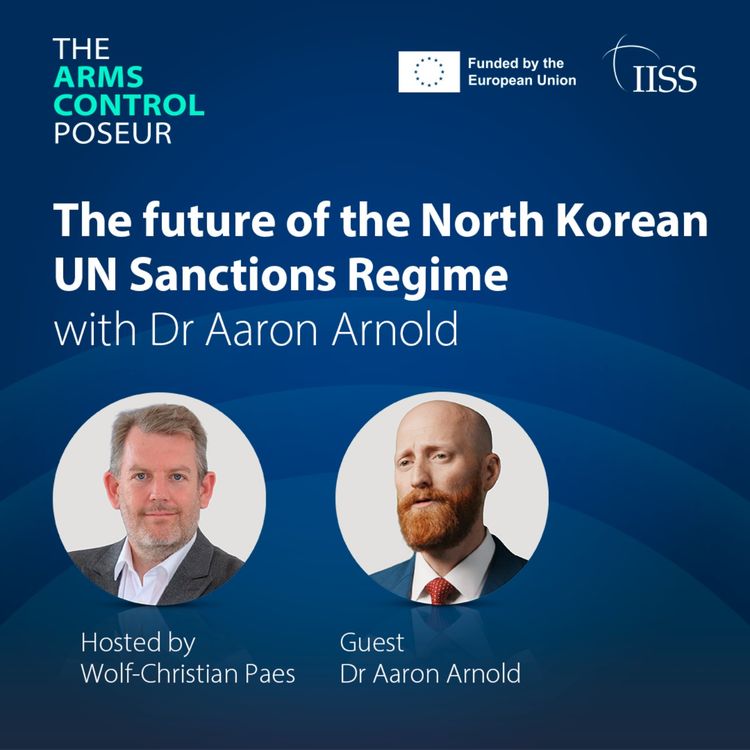
The future of the North Korean UN Sanctions Regime with Dr Aaron Arnold
In the first episode of season 3, podcast host Wolf-Christian Paes is joined by Dr Aaron Arnold to discuss the future of the North Korean UN Sanctions Regime.
As the regime continues its nuclear ambitions and tests the patience of the international community, we examine how effective the current sanctions are, what changes could be on the horizon, and how global powers like the U.S., China and Russia are influencing the future of these measures. This episode provides a nuanced analysis of the diplomatic and strategic challenges shaping the North Korean sanctions regime and its impact on global security.
This episode's guest: Dr Aaron Arnold is a Senior Associate Fellow with the Centre for Financial Crime and Security Studies at The Royal United Services Institute for Defence and Security Studies (RUSI), where his work focuses on sanctions and proliferation financing.
This episode's host: Wolf-Christian Paes is a Senior Fellow for Armed Conflict at the International Institute for Strategic Studies. Wolf-Christian is part of the Conflict, Security and Development Programme, where he leads a project on the effectiveness of non-military conflict resolution and stabilization tools, in particular with regard to non-state armed groups.
‘The Arms Control Poseur’ is a podcast series produced by the IISS Strategy, Technology and Arms Control Programme on behalf of the EU Non-Proliferation and Disarmament Consortium.
We hope you enjoy the episode and please follow, rate, and subscribe to The Arms Control Poseur on the podcast platform of your choice.
Date of Recording: 22 July 2024
The Arms Control Poseur is recorded and produced at the IISS in Berlin.
‘The Arms Control Primer’ is a podcast series produced by the IISS Strategy, Technology and Arms Control Programme on behalf of the EU Non-Proliferation and Disarmament Consortium
More episodes
View all episodes
10. Better know a non-nuke: South Korea
43:06||Season 5, Ep. 10From hosting US nuclear weapons during the Cold War to pursuing and abandoning its own nuclear ambitions, South Korea offers a revealing case study in deterrence, alliance politics and nuclear hedging on the Korean Peninsula.📩 Join the conversation—follow us on X (@IISS_org), LinkedIn or Instagram (iissorg) or visit the webpage of our Strategy, Technology and Arms Control research programme: Strategy, Technology and Arms Control | IISS Research programme
9. Better know a non-nuke: Belarus
36:53||Season 5, Ep. 9In this episode of The Arms Control Primer, Dr Alexander Bollfrass, Elena Sokova and Dr Alexander Sorg examine Belarus’s journey from hosting Soviet nuclear weapons to relinquishing them after independence and joining the NPT as a non-nuclear-weapon state.They explore the disarmament process of the 1990s and assess the implications of Russia’s renewed deployment of nuclear-capable systems on Belarusian territory for arms control and regional security today.📩 Join the conversation—follow us on X (@IISS_org), LinkedIn or Instagram (iissorg) or visit the webpage of our Strategy, Technology and Arms Control research programme: Strategy, Technology and Arms Control | IISS Research programme
8. Better know a non-nuke: Kazakhstan
34:16||Season 5, Ep. 8In this week’s episode of The Arms Control Primer, Dr Alexander Bollfrass speaks with Dr Togzhan Kassenova about Kazakhstan’s legacy as the Soviet Union’s primary nuclear testing site, the human and environmental toll at Semipalatinsk, and the political decision to relinquish the world’s fourth-largest nuclear arsenal. They explore Kazakhstan’s path from inheriting over 1,000 warheads to joining the NPT, shaping the Budapest Memorandum, and championing the TPNW and what its experience means for today’s nuclear risk debates. 📩 Join the conversation—follow us on X (@IISS_org), LinkedIn or Instagram (iissorg) or visit the webpage of our Strategy, Technology and Arms Control research programme: Strategy, Technology and Arms Control | IISS Research programme
7. Better know a non-nuke: Ukraine
47:03||Season 5, Ep. 7In this episode of The Arms Control Primer, host Dr Alexander Bollfrass speaks with Dr Polina Sinovets and Darya Dolzikova about Ukraine’s nuclear history, from its role in the Soviet nuclear weapons programme to relinquishing nuclear arms in the 1990s, examining the Budapest Memorandum, nuclear coercion during Russia’s war against Ukraine, and the lessons this case holds for deterrence, non-proliferation, and security guarantees today.📩 Join the conversation—follow us on X (@IISS_org), LinkedIn or Instagram (iissorg) or visit the webpage of our Strategy, Technology and Arms Control research programme: Strategy, Technology and Arms Control | IISS Research programme
6. Better know a non-nuke: Libya
33:14||Season 5, Ep. 6In this episode of The Arms Control Primer, host Dr Alexander Bollfrass speaks with Dr Hassan Elbahtimy and Robert Kelley about Libya’s nuclear ambitions from 1969 to 2003, from foreign assistance and links to the A.Q. Khan network to the inspections that followed Muammar Gaddafi’s decision to abandon the programme and the lessons it holds for arms control and verification.📩 Join the conversation—follow us on X (@IISS_org), LinkedIn or Instagram (iissorg) or visit the webpage of our Strategy, Technology and Arms Control research programme: Strategy, Technology and Arms Control | IISS Research programme
5. Better know a non-nuke: Germany
45:43||Season 5, Ep. 5In this episode of The Arms Control Primer, host Dr Alexander Bollfrass speaks with Prof Marina Henke and Dr Andreas Lutsch about Germany’s post-war nuclear trajectory, from early ambitions and NATO’s nuclear-sharing role to the NPT and renewed debates over deterrence amid Russia’s war in Ukraine.📩 Join the conversation—follow us on X (@IISS_org), LinkedIn or Instagram (iissorg) or visit the webpage of our Strategy, Technology and Arms Control research programme: Strategy, Technology and Arms Control | IISS Research programme
4. Better know a non-nuke: South Africa
35:45||Season 5, Ep. 4In this episode of The Arms Control Primer, host Dr Alexander Bollfrass is joined by Prof Anna-Mart van Wyk and Dr Robin E. Möser to explore how apartheid-era South Africa built a nuclear arsenal and how, after the end of apartheid, it became the first state to dismantle its weapons entirely. 📩 Join the conversation—follow us on X (@IISS_org), LinkedIn or Instagram (iissorg) or visit the webpage of our Strategy, Technology and Arms Control research programme: Strategy, Technology and Arms Control | IISS Research programme
3. Better know a non-nuke: Sweden
36:44||Season 5, Ep. 3In this episode of The Arms Control Primer, host Dr Alexander Bollfrass is joined by Dr Emma Rosengren and Dr Thomas Jonter to examine Sweden’s nuclear ambitions during the Cold War, from its dual-use programme and domestic debate to its renunciation of the bomb and emergence as a leader in global disarmament.📩 Join the conversation—follow us on X (@IISS_org), LinkedIn or Instagram (iissorg) or visit the website of our Strategy, Technology and Arms Control research programme: Strategy, Technology and Arms Control | IISS Research programme
2. Better know a non-nuke: Iraq
39:14||Season 5, Ep. 2In this episode of The Arms Control Primer, host Alex Bollfrass is joined by Dr Hans Blix and Dr Stephen Herzog to examine Iraq’s nuclear ambitions under Saddam Hussein: from its early civilian programme to clandestine enrichment efforts and the post-Gulf War inspections that reshaped international safeguards and the future of arms control.📩 Join the conversation—follow us on X (@IISS_org), LinkedIn or Instagram (iissorg) or visit the website of our Strategy, Technology and Arms Control research programme: Strategy, Technology and Arms Control | IISS Research programme