Share
TESOL Pop
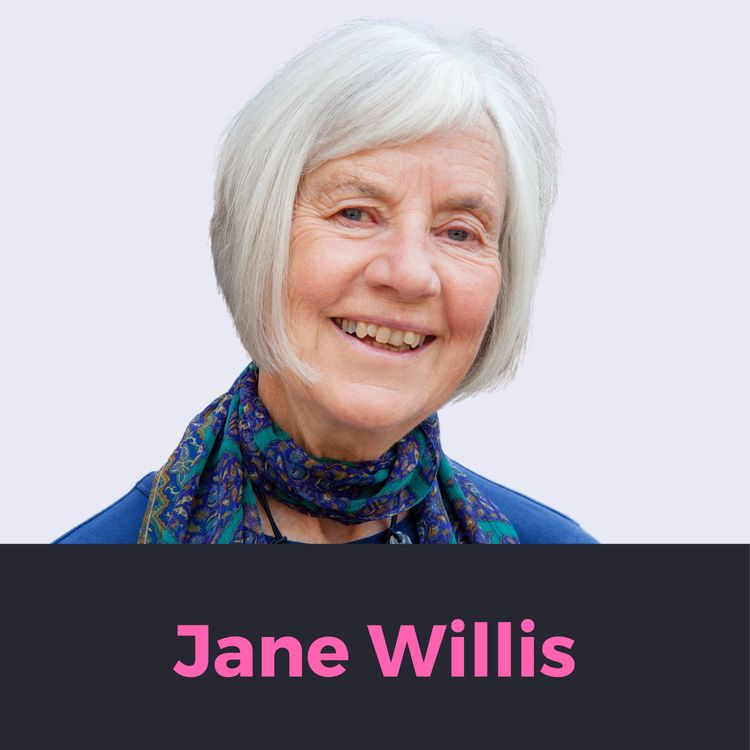
What is Task-Based Learning? with Jane Willis (Recorded at IATEFL 2024)
Author Jane Willis answers your questions about task-based learning (TBL). In this episode, Jane provides examples of TBL in practice, explores the difference between task-based and task-supported learning, and closes with suggestions on how the latest technology can fit into a TBL framework.
Click here to watch this episode with closed captions.
Defining Task-Based Learning
Jane simplifies TBL with practical examples, such as "describe and draw" tasks and planning school rules. She emphasises the following features of TBL: clear purpose, focus on meaning, and freedom to utilise their language.
Common Misinterpretations
Jane clarifies the difference between task-supported learning, which integrates tasks within traditional methods, and task-based learning, which starts with and focuses on tasks. She explains the three-part task cycle— planning, task, and reporting—and highlights the importance of planning to boost learner confidence and extend language use.
Integrating Technology with TBL
Jane discusses using technology, such as Zoom, to record and review lessons and transcription software to analyse language use. She also talks about using AI tools like ChatGPT to enhance tasks, such as refining story prompts and generating dialogues.
Future of Education
Jane talks about the possibilities AI and technology bring to TBL while also stressing the importance of cautious and informed use of new technologies.
Jane worked extensively overseas (Ghana, Cyprus, Iran, Singapore) as an English teacher and trainer. In the 1980s, she and her late husband, Dave, met Prabhu and began experimenting with Task-based Language Teaching, writing several prize-winning books. She also taught for 12 years on the TESOL Masters programs at Aston University in UK. Jane now lives in the English Lake District and enjoys fell-walking. She teaches tai chi and is still quite active on the TBLT scene. In 2022, she received the inaugural Distinguished Practitioner Award from the International Association of Task-based Language Teaching. Visit Jane's website here to learn more.
REFERENCES
- Willis - ELT. Task-Based Lesson Plans are available here.
- Willis, D. and Willis, J. (2007) Doing Task-based Teaching. OUP
- Willis, D. (2003). Rules, Patterns and Words: Grammar and Lexis in English Language Teaching. Cambridge University Press (illustrates how to teach grammar through TBL)
- Willis, J. (1996). A framework for task-based learning. Ebook edition 2012 Intrinsic publications available on Google Play and Rakuten Koko.
Say thanks with coffee
CREDITS
Producer Laura Wilkes
Editor Haven Tsang
Thanks to our kind guest, Jane Willis.
Get inspired to record real content that connects.
Subscribe to The Producer’s Edit — for educators building brands with purpose.
More episodes
View all episodes

12. Litter Picking, Learning & Lasting Change — with Patrick Jackson
15:51||Season 11, Ep. 12From one class pack to a million hours of environmental education. ELT author and creator of Picker Pals, Patrick Jackson, shares how a single idea grew into a movement that’s transformed classrooms and communities. From storytelling and sustainability to litter-picking with families, Patrick explains how Picker Pals empowers children to take action, while learning along the way.Watch with closed captions.TALKING POINTSHow Patrick’s early ELT materials inspired Picker PalsWhat a classroom teddy has to do with environmental actionWhy creative projects lead to bigger career breakthroughsThe joy and power of collaboration — even with competitorsHow to bring real-world issues into the classroomABOUTPatrick Jackson is an ELT author known for publications such as Everybody Up and Shine On. From 1996 to 2008, he lived and taught in Japan, and has since travelled widely as a speaker, sharing practical, common-sense approaches to language education. Patrick is especially interested in how classrooms can connect meaningfully with the wider world — and believes they’re at their best when they become places of purpose.Since 2018, he has been the Creative Director of Picker Pals, an award-winning programme that motivates and equips primary school children to lead their families on litter-picking adventures and build a positive environmental mindset. Picker Pals has now been adopted by 72% of Irish primary schools and is expanding internationally.RESOURCES & REFERENCES🔗 Picker Pals World🔗 Follow on LinkedInSUPPORT US💻 Sponsor us☕ Buy us a coffee⭐ Leave a review wherever you listenTHE PRODUCER'S EDITGet inspired to record more. Weekly stories, insights, and content tips for standout educators delivered to your inbox.👉 Subscribe hereCREDITSProducer: Laura WilkesEditor: Haven TsangSpecial thanks to our guest, Patrick JacksonProduction by Communicating for Impact
11. Business English, Reimagined – with Megan Nicholls
15:05||Season 11, Ep. 11Business English gets a bad reputation — stiff, overly formal, and filled with irrelevant vocabulary lists. But what if it didn’t have to be that way? In this episode, Megan Nicholls, multilingual educator and founder of Mega Language Coach, invites us to reimagine how Business English can be taught. From high-stakes presentations to hallway small talk, Meg shares how she co-creates flexible, relevant lessons that reflect her students' real communication needs.Watch with closed captions.TALKING POINTSWhy “two experts in the room” is Megan’s go-to teaching philosophyHow she tailors sessions on the fly (including maternity leave vocabulary)Why spontaneous conversations can be more valuable than structured grammar drillsHer best tip for helping learners see their progress, even when they can’tWhat Business English teachers can learn from language learners themselvesABOUTMeg is from Manchester, UK. Her 10 years of teaching experience inspired her to start Mega Language Coach, offering individual classes online. Her speciality is Business English for professionals, interview preparation and improving spoken fluency, thanks to her background in marketing. She has plenty of experience living abroad and working in multilingual international environments. Meg speaks German and French and is currently learning Spanish, whilst travelling in Mexico. She aims to bring joy to the learning process, focusing on active speaking in the classroom.RESOURCES & REFERENCES🔗 Mega Language Teaching🔗 Follow on LinkedInSUPPORT US💻 Sponsor us☕ Buy us a coffee⭐ Leave a review wherever you listenTHE PRODUCER'S EDITGet inspired to record more. Weekly stories, insights, and content tips for standout educators delivered to your inbox.👉 Subscribe hereCREDITSProducer: Laura WilkesEditor: Haven TsangSpecial thanks to our guest, Megan NichollsProduction by Communicating for Impact
10. The Power of Emergent Language — with Lewis Jaquest
15:01||Season 11, Ep. 10Lewis Jaquest joins Laura to explore how emergent language and learner agency can transform the language classroom. In this episode, Lewis shares how he developed the Student Emergent Language Framework (SELF), reflects on his transition to bottom-up teaching, and unpacks what truly makes language learning meaningful.Watch with closed captions.TALKING POINTSWhat is Emergent Language? How Lewis discovered the power of emergent language through real-world teaching—and how it aligned with Dogme ELT and "Teaching Unplugged".Letting Go of Control: Why embracing messiness and letting go of rigid lesson plans can lead to more meaningful learning.The Student Emergent Language Framework (SELF): How SELF helps learners track, reflect on, and own their learning—plus how it can reverse-engineer an entire syllabus.Reflection as a Teaching Tool: Lewis shares how reflection (for both teachers and students) underpins his framework—and why it’s often overlooked.From Framework to Podcast: How Lewis’s learners used the SELF framework to create their own language podcast, showcasing language they truly needed.ABOUTLewis Jaquest is a passionate English language and communication trainer and materials writer from Swansea, South Wales. He has worked in ELT for nearly 20 years. He began teaching English in Hamburg, Germany in 2007 and went on to do a Diploma in Teaching in Barcelona in 2019. Lewis founded his language and communication business, Wordsmithery, in the same year and transitioned to online teaching in 2020. He’s particularly interested in helping Business English learners communicate authentically and creates tailor-made materials for his online lessons which focus on exploiting emergent learner language to make learning experiences that are interactive, engaging and fun. He writes the regular newsletters “Gimme 5 “ for learners and “Bright Sparks - the Creative Business English Teacher” for educators. RESOURCES & REFERENCES🔗 The SELFI framework for emergent language🔗 Wordsmithery.ELTSUPPORT US💻 Sponsor us☕ Buy us a coffee⭐ Leave a review wherever you listenTHE PRODUCER'S EDITGet inspired to record more. Weekly stories, insights, and content tips for standout educators delivered to your inbox.👉 Subscribe hereCREDITSProducer: Laura WilkesEditor: Haven TsangSpecial thanks to our guest, Lewis JaquestProduction by Communicating for Impact
9. Teaching Debate to PhD STEM Students — with Anila Ruth Scott-Monkhouse
15:05||Season 11, Ep. 9University lecturer Anila Ruth Scott-Monkhouse joins Laura to share how she’s using academic debate to help STEM PhD students become more confident communicators. In this episode, Anila shares how debate boosts her students’ teamwork, critical thinking, and language skills. You’ll also hear how she integrates controversial topics, intercultural collaboration, and real-world research into her EAP classes.Watch with closed captions.TALKING POINTSWhy Debate? The benefits of debate for science students — from thinking on your feet to tackling tough questions at conferences.Debating the Unexpected: How students explore both sides of controversial issues, often arguing a side they don’t personally agree with.Not Just Language Practice: Why students are judged on the quality of their arguments and not their grammar.Teamwork & Mediation: What happens when physicists, chemists, and engineers work together across cultures.Winning Isn’t Everything: How structured competition builds confidence, curiosity, and deeper engagement in class.ABOUTAnila Ruth Scott-Monkhouse teaches general and academic English to undergraduate and PhD STEM students at the University of Parma, Italy. With qualifications including a degree in foreign languages, the Cambridge DELTA, and the CertPT, she brings a strong background in language education, assessment, and teacher training.Anila’s work explores teaching and assessing ESP/EAP, task-based learning, and the role of emotions in the classroom. She’s a regular conference presenter and has published widely on learner needs, teacher development, and academic communication. Above all, she’s passionate about helping learners and educators thrive through reflective practice and meaningful challenge.RESOURCES & REFERENCES🔗 LinkedIn🔗 Academia.edu🔗 ResearchGateSUPPORT US💻 Sponsor us☕ Buy us a coffee⭐ Leave a review wherever you listenTHE PRODUCER'S EDITGet inspired to record more. Weekly stories, insights, and content tips for standout educators delivered to your inbox.👉 Subscribe hereCREDITSProducer: Laura WilkesEditor: Haven TsangSpecial thanks to our guest, Anila Ruth Scott-MonkhouseProduction by Communicating for Impact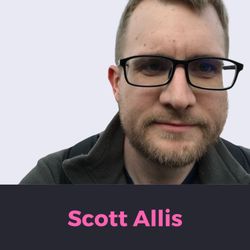
8. Contracts, Red Flags, and Career Choices – with Scott Allis
13:29||Season 11, Ep. 8Scott Allis, experienced ESL teacher and travel creator, joins Laura to share hard-won lessons from a global teaching career that spans China, Iraq, Thailand and beyond. In this candid conversation, Scott unpacks five key things to check before signing a contract—and what to do when the job doesn’t match what was promised. Whether you're teaching abroad, considering your next move, or advising others on job offers, this episode is packed with practical advice and relatable stories to help you make informed career decisions.Watch with closed captions.TALKING POINTSWhat Looks Good on Paper Isn’t Always the Right Fit: Scott reflects on contracts that promised the world, but delivered far less—and how to read between the lines.What Scott Checks Before Signing: From checking the exit clause to aligning work expectations with your lifestyle.Knowing Your Priorities: Why your dealbreakers matter more than rankings or salaries.Tips for Confident Negotiation: How to ask for what you need—without feeling like you’re being difficult.ABOUTScottie is an experienced ESL teacher with over ten years of teaching in places like Wuhan and Baghdad, currently based in Bangkok, Thailand. Today, he shares five essential lessons on finding the right contract as an ESL teacher—focusing on what works for your lifestyle, not just what looks best on paper. Alongside his teaching, Scottie creates mindful adventure travel content on Instagram and will soon launch YouTube content. Follow Scott on Instagram: @scottallisRELATED EPISODESS4E9: The problem with native-speakerism - with Meri MaroutianS8E3: Three ways to grow your money - with Nicola PrentisSUPPORT US💻 Sponsor us☕ Buy us a coffee⭐ Leave a reviewTHE PRODUCER'S EDITGet inspired to record more. Weekly stories, insights, and content tips for standout educators delivered to your inbox.👉 Subscribe hereCREDITSProducer: Laura WilkesEditor: Haven TsangSpecial thanks to our guest, Scott AllisProduction by Communicating for Impact
7. Facing the Fear: How You Can Grow by Doing It Anyway – with Steven Schmidt
13:31||Season 11, Ep. 7Steven Schmidt, professional development consultant and long-time adult educator, joins Laura to share his journey from enduring uninspiring training sessions to leading transformative ones. In this episode, Steve reflects on what makes professional development meaningful, how he overcame self-doubt, and why fear never fully disappears — but can be used as fuel for growth.Watch with closed captions.TALKING POINTSWhy “Bad PD” Sparked a New Mission. How sitting in the back of dull sessions inspired Steve to raise the bar on professional learning.The Baby Steps to Becoming a PD Leader. From Saturday workshops to national keynotes — how Steve gradually built his confidence.Facing the Fear (and Doing It Anyway). Insights from Dr Susan Jeffers’ “Five Truths of Fear” and how they apply to every educator.Redefining Failure as Learning. Why Steve sees setbacks as “O Flags” — opportunities for learning and growth — and how you can too.Practising What We Preach. A reminder that educators deserve the same self-compassion and encouragement we give our learners.ABOUTSteven Schmidt is a professional development consultant with decades of experience in adult education. After years working as a classroom teacher and programme administrator, Steve shifted into full-time PD, delivering training across the U.S. and sharing practical insights on confidence, connection, and lifelong learning. He currently supports educators through keynote talks, workshops, and one-on-one coaching. Connect on LinkedIn or send Steve an email here.ReferencesFeel the Fear and Do It Anyway by Dr Susan JeffersSUPPORT US💻 Sponsor us☕ Buy us a coffee⭐ Leave a reviewTHE PRODUCER'S EDITGet inspired to record more. Weekly stories, insights, and content tips for standout educators delivered to your inbox.👉 Subscribe hereCREDITSProducer: Laura WilkesEditor: Haven TsangSpecial thanks to our guest, Steven SchmidtProduction by Communicating for Impact
6. IBC 2025 for Educators: AI Captioning, Smarter Archives, and Story-First Production – with Haven Tsang
15:28||Season 11, Ep. 6Creators of TESOL Pop, Laura Wilkes and Technical Director Haven Tsang, report from IBC 2025 in Amsterdam with practical takeaways for educators using media. From live multilingual captioning and voice overdubs to richer, human-centred metadata and the storytelling craft behind Becoming Led Zeppelin, this episode unpacks the media tech shaping how we teach, learn, and share ideas.Watch with closed captions.TALKING POINTSLive Multilingual Captioning & Dubbing: Why real-time captions plus AI voice overdubs can open up lectures, events, and training to a truly global audience.Search That Thinks Like You: How richer semantic metadata makes archives more findable (think “green car in a courtroom” vs keyword guesswork).Story First, Always: Lessons from Becoming Led Zeppelin on research, restraint, and choosing a focused narrative over “everything we have in the archive.”Post Is Solved in Pre: Haven’s rule of thumb — plan the storyboards and coverage up front to save time (and headaches) in the edit.What Educators Can Do Now: Concrete ways to start using captions, smarter tagging, and tighter planning in your next course video or podcast.ABOUTHaven Tsang has 20+ years of experience in broadcast and post-production. He leads on workflow design, editing, colour and sound for client projects, and supports educators in bringing professional production standards to their videos and podcasts.REFERENCESIBC (International Broadcasting Convention)Becoming Led Zeppelin — special screening & Q&A insightsEverything TechIE Podcast with Justin DawsonThe Producer’s Edit newsletter — weekly insights for standout educatorsSUPPORT US💻 Sponsor us☕ Buy us a coffee⭐ Review this episodeTHE PRODUCER'S EDITGet inspired to record more. Weekly stories, insights, and content tips for standout educators delivered to your inbox.👉 Subscribe hereCREDITSProducer: Laura WilkesEditor and Guest: Haven TsangProduction by Communicating for ImpactSpecial thanks to IBC for the opportunity to be official content creators this year and for the incredible experience.
5. From Students to Stakeholders: Creating a Shared Classroom – with Dr Joel Floyd
14:41||Season 11, Ep. 5Dr. Joel Floyd, educator and founder of Ignite Career Foundation, joins Laura to share how his team creates an inclusive, learner-centred environment for adult English language learners in the US. In this episode, Joel shares student success stories, explores how community and compassion are embedded into their programmes, and reminds us of the power of reflective teaching.Watch with closed captions.TALKING POINTSA Student's Journey: From qualified pilot in Venezuela to English learner and future Delta Airlines pilot—with a little help from an inclusive learning environment.Meeting Students Where They Are: Why Ignite Career Foundation leads with empathy, compassion and student voice in all aspects of its work.Creating a Sense of Belonging: From first-day classroom observations to student mentors and coffee chats, small touches that help students feel ownership and pride in their learning space.Learning as a Two-Way Street: The importance of building reciprocal relationships in the classroom—and listening as much as teaching.A Call for Reflective Practice: Joel’s advice for teachers on staying curious, seeking feedback, and journaling to keep growing as educators.ABOUTJoel Floyd, PhD, is the founder and current Executive Director of the Ignite Career Foundation, formerly known as English for a Lifetime Language Institute, located in Norcross, Georgia, USA. He has held this role since 2012. Dr. Floyd also serves as a State Advocate Fellow for the Coalition on Adult and Basic Education (COABE), representing Georgia in a one-year appointment. In this capacity, he is deeply involved in advocacy efforts for adult education at the local, state, and federal levels. Dr. Floyd's research interests include teacher professional development in adult ELL (English Language Learners) classrooms, critical andragogy among adult ELLs and adult learners in general, and educational leadership in postsecondary non-traditional school settings.REFERENCESIgnite Career FoundationJoel Floyd on LinkedInSUPPORT US💻 Sponsor us☕ Buy us a coffee⭐ Leave a reviewTHE PRODUCER'S EDITGet inspired to record more. Weekly stories, insights, and content tips for standout educators delivered to your inbox.👉 Subscribe hereCREDITSProducer: Laura WilkesEditor: Jess Li ThorkildsenSpecial thanks to our guest, Dr Joel FloydProduction by Communicating for Impact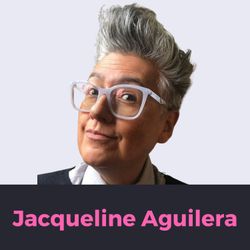
4. What Does Digital Literacy Really Mean for Educators? with Jacqueline Aguilera
15:56||Season 11, Ep. 4Jacqueline Aguilera, adult educator and digital equity advocate, joins Laura to explore how teachers can embed digital literacy into their lessons without needing separate “computer classes.” In this episode, Jacqueline shares practical tips for building digital skills with limited tech, discusses the impact of the digital divide in Texas, and encourages teachers to focus on what learners already use in their daily lives.Watch with closed captions.TALKING POINTSSilo Busting in Education: Moving beyond subject-specific instruction to integrate real-world digital skills into all areas of teaching.Digital Equity in Texas: Infrastructure, device quality, and access vary widely—even within cities—impacting learners’ experiences.Teaching with What Learners Have: From smartphones to QR codes, using everyday tech to develop essential digital skills.Creating a Learner-Driven Curriculum: Encouraging students to bring in examples from their environment and build personal connections to digital literacy.Empowering Educators: Why teachers don’t need to know everything about tech—and how curiosity can be a superpower in the classroom.ABOUTJacqueline Aguilera is an experienced educator and instructional leader based in Austin, Texas. She specialises in adult education and digital literacy, with a focus on serving refugee communities, second language learners, and students returning to education later in life. With a passion for equity and access, Jacqueline trains instructors across the US to creatively integrate technology into their classrooms and meet learners where they are.REFERENCESThe Mayor's Office for Adult Literacy, HoustonJacqueline Aguilera on LinkedInSUPPORT US💻 Sponsor us☕ Buy us a coffee⭐ Leave a reviewTHE PRODUCER'S EDITGet inspired to record more. Weekly stories, insights, and content tips for standout educators delivered to your inbox.👉 Subscribe hereCREDITSProducer: Laura WilkesEditor: Jess Li ThorkildsenSpecial thanks to our guest, Jacqueline AguileraProduction by Communicating for Impact