Latest episode
38. On Rereading
19:22||Ep. 38Despite outward appearances, Tim and Andy are not perfect. You read that right. They make mistakes, they miss nuance. But isn't that part of the point of poetry - that it contains multitudes? Good poems aren't crosswords; they're compositions that repay rereading.
More episodes
View all episodes
37. Christina Rossetti, "LEL"
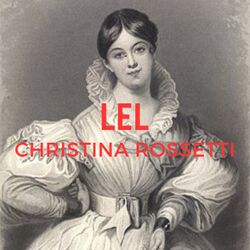
21:19||Ep. 37Tim and Andrew take a look at a poem by one of the great Victorian poets Christina Rossetti, who is paying tribute not only to LEL but also to Elizabeth Barrett Browning in a sad but possibly hopeful (??) description of a heartbroken woman.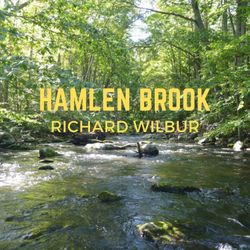
36. Richard Wilbur, "Hamlen Brook"
16:42||Ep. 36There's nothing Andrew likes more than a good nature poem, so Tim indulges him with "Hamlen Brook" by former American Poet Laureate Richard Wilbur. A lovely little celebration of the natural world with debts to Wordsworth, Clare, the metaphysical poets and possibly a touch of Henry Thoreau as well.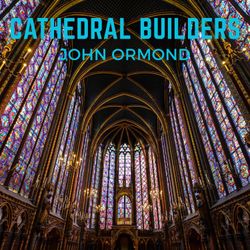
35. John Ormond, "Cathedral Builders"
17:25||Ep. 35Tim and Andrew discuss what it takes to build a cathedral; who does the building; where our humanity comes from; and why a cathedral is not like AI.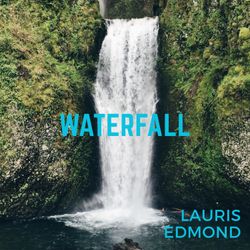
34. Lauris Edmond, "Waterfall"
13:47||Ep. 34Tim and Andrew consider the way love changes over the years, from youthful passion to aged tolerance and kindness, and how the special moments of one's life are like drops of water backlit by sunlight.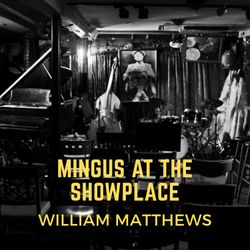
33. William Matthews, "Mingus at the Showplace"
15:40||Ep. 33An episode for all miserable seventeen-year-olds and aspiring poets. You don't have to be a genius to have a go at poetry - or jazz - but beware if you are a professional and don't live up to Charles Mingus's standards.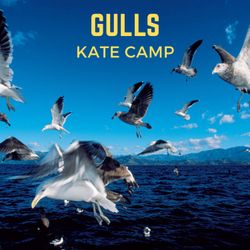
32. Kate Camp, "Gulls"
13:21||Ep. 32In Homer, the gods took the place of consciousness. For contemporary New Zealand poet Kate Camp, it's gulls. What's the connection? And why does the speaker of this poem like derelict piers gently mouldering away in the sea? Tim and Andrew offer their take on "Gulls".