Shalom From Tel Aviv with Paul Maleary & Nigel Lithman KC
All Episodes
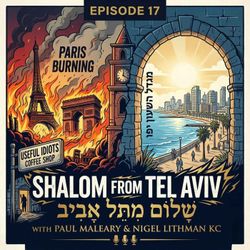
17. Lessons from History, Modern Commemorations, and Global Controversies
01:08:25||Ep. 17Episode 17: Lessons from History, Modern Commemorations, and Global ControversiesReflecting on Holocaust Memorials, Brexit Inconveniences, and the Fine Line in Political ComedyExecutive Summary & Episode PrecisIn this broad-ranging discussion, the hosts navigate personal travel stories, political commentary, stand-up comedy, and deeply sensitive international issues. Travel, Culture, and Food Dynamics: The conversation opens with light-hearted travel reflections, including visiting a Sikh temple, traveling to Israel, and recounting culinary experiences across Hong Kong, London, and Italy. The hosts contrast their favourite global foods—highlighting Sichuan hotpots, authentic Chinese dining, and traditional curry—while discussing how various cultures preserve legacy and heritage. Travel Realities Post-Brexit: The discussion moves to the practical frustrations of European travel, explicitly noting the extra queueing and bureaucratic delays faced by British passport holders post-Brexit. The Significance of Remembrance & Symbolism: The hosts dive into a serious reflection on history, Holocaust memory, and the significance of Remembrance Day. They talk about Rome's historical Jewish ghetto, the significance of brass cobblestone memorials (Stolpersteine), and the broader meaning of wearing poppies to honor those who fought against tyranny in World Wars I and II. They caution against co-opting historical symbols (such as the poppy) for political gaslighting, emphasizing the importance of respecting national history and military sacrifice. Free Speech, Satire, and Public Response: Moving into stand-up comedy and social commentary, the hosts discuss the mechanics of live performance, crowd interaction, and navigating sensitive topics like J.K. Rowling and transgender debates without crossing lines into cruelty. They debate political humor, describing the balance between being opinionated and keeping an audience engaged. Domestic Politics & The Global Middle East Crisis: Turning to domestic UK politics, they analyse shifting political landscapes, the rise of fringe/reform movements, and shifting voter dynamics between Conservatives, Labour, and the Greens. Finally, the episode tackles the ongoing Middle East conflict, addressing the events of October 7th, the rise of anti-Semitism, civilian casualties in Gaza, hostaging, and the complex, emotional realities of advocating for peace while ensuring national survival. Key Hashtags#PodcastEpisode17 #RemembranceDay #PoppySymbolism #MiddleEastConflict #BrexitTravel #UKPolitics #HolocaustMemory #StandUpComedy #FreeSpeech #GlobalHistory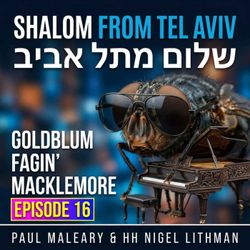
16. Politics, Perceptions, and the West Bank
01:08:15||Ep. 16Shalom from Tel Aviv: Politics, Perceptions, and the West BankEpisode SummaryIn this 16th episode of the podcast, hosts Paul Maleary (in England) and Nigel Lithman KC (in Tel Aviv) reconnect after a busy few weeks. The conversation opens with a warm exploration of the Hebrew word "Shalom" and its versatile meanings—hello, goodbye, double hello/how are you, and peace. Paul shares a brief update from London, including a celebrity encounter with actor Jeff Goldblum, before the hosts pivot into a detailed discussion on international politics, anti-Semitism, and cultural caricatures. A central focus of the episode addresses listener feedback regarding the geopolitical complexities of the West Bank. Nigel breaks down the historical context of the region, from the 1947 UN Partition Plan through the various wars, explaining the geographic divisions into Zones A, B, and C (specifically highlighting Zone E1). The hosts express strong reactions to recent UK political developments, particularly questioning the Labour government's stance, foreign aid allocations to the Palestinian Authority, and proposed trade sanctions. Throughout the discussion, they emphasize distinguishing between individual criminal acts by settlers—which they argue should be handled as police matters—and broader regional policy, while cautioning against rhetoric that they feel misuses terms like "genocide" and "ethnic cleansing". Key Discussion PointsThe Versatility of Shalom: Nigel explains that Shalom carries four distinct uses: hello, goodbye, double emphasis ("Shalom, Shalom"), and its core meaning, peace. Humor, Jewish Jokes, and Stereotypes: The hosts distinguish between Jewish humor created within the community—illustrated by the desert island "two synagogues" joke—and anti-Semitic caricatures. They also touch upon cultural representations like Fagin in Oliver!. Understanding the West Bank & Zone E1: A historical overview of the 1947 mandate, the geography of the River Jordan, and the distinction between Zones A, B, and C in the West Bank. UK Politics and Foreign Relations: Strong critiques of UK Labour leadership decisions, specifically regarding the £88 million aid package to the Palestinian Authority, trade embargoes, and statements made at political conferences. Addressing Anti-Semitism & Global Reactions: The hosts address rising global anti-Semitism, pointing to reports concerning Jewish communities in Canada and the UK, while highlighting aid efforts such as the delivery of 2 million polio vaccinations to Gaza. #Podcast #ShalomFromTelAviv #MiddleEastPolitics #WestBank #UKPolitics #ForeignPolicy #Geopolitics #CurrentEvents #JewishCulture #PodcastSummary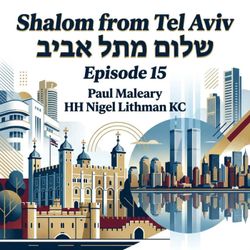
15. Historical Echoes, Modern Geopolitics, and Life Beyond the Headlines
01:07:05||Ep. 15In this episode of Shalom from Tel Aviv, hosts Paul Maleary and Nigel Lithman deliver an engaging, wide-ranging conversation bridging historical memory, contemporary political tensions, and daily life in Israel and the UK. The hosts kick off the discussion with lighthearted personal anecdotes—ranging from personal training and Jon Bon Jovi’s international tours to family connections with classic comedy acts like Bernie Winters. The conversation quickly transitions to more poignant historical reflections as they mark the anniversary of the 1972 Munich Olympics tragedy. Nigel and Paul recount the infiltration of the Olympic Village by the Black September militant group, detailing the tragic deaths of eleven Israeli team members and a German police officer. They discuss the aftermath, including the short-lived suspension of the Games, subsequent aircraft hijackings, and the covert retaliatory missions undertaken by Mossad under the authorization of Prime Minister Golda Meir. Shifting to contemporary politics, the hosts critique recent UK policy shifts, specifically targeting Ed Miliband and discussing proposed trade sanctions regarding West Bank settlements. They analyse the potential economic fallout of such measures on Palestinian workers employed in agriculture and highlight the UK's dependency on Israeli pharmaceuticals. The hosts contrast these policies with U.S. state-level anti-BDS legislation. Moving across the Atlantic, the discussion touches on public safety in major cities, contrasting street crime and subway security in New York City—where Paul references Mayor Mandami—with daily life in Tel Aviv. They note the unique paradox of living in Israel, where 81% of residents report feeling safe from everyday street crime despite ongoing regional military conflicts, external terror threats, and memories of major attacks like 9/11 and October 7. The episode concludes with thoughtful commentary on media reporting and societal differences. They compare how violent crime is portrayed on television in Israel versus sanitized coverage in the UK, attributing the difference partly to Israel’s lack of a jury trial system. Finally, Paul shares a heart-warming encounter at the Tower Of London where he offered to take a photograph for a visiting Hasidic family from New York, leading into a discussion on the debate surrounding military draft exemptions for ultra-Orthodox Torah students in Israel. Hashtags:#ShalomFromTelAviv #Podcast #NigelLithman #PaulMaleary #Munich1972 #BlackSeptember #GoldaMeir #Mossad #JerusalemPost #UKPolitics #EdMiliband #WestBank #BDS #Mandami #NewYorkCity #911Memorial #TelAviv #CrimeStatistics #HasidicJewry #HighHolyDays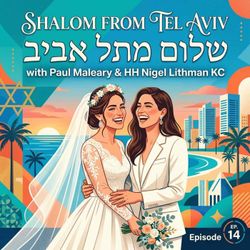
14. The Passing of Dolly to the Wedding of Emily & Danielle
53:40||Ep. 14Congratulations to Emily DamariWe extend our warmest collective congratulations to former hostage Emily Damari on her marriage to Danielle Amit. After enduring unspeakable trauma for over a year following the October 7th attacks, her wedding stands as a powerful symbol of hope and resilience. Highgate Synagogue had previously kept a dedicated seat reserved in her honour until her return.Episode SummaryCoffee Shop Routine & Grandparent Life: Nigel shares an update on his morning routine, swapping his regular coffee shop for a French cafe after spilling egg mayonnaise. The hosts discuss buying gifts for their grandchildren, with Paul describing his tradition of purchasing dated Harrods bears for his eldest granddaughter, and Nigel describing buying toy diggers and considering a Slinky for his granddaughter Myer.The Legacy of Dolly Parton & Winston Churchill: The hosts discuss the passing of Dolly Parton and draw comparisons to the historical response after Sir Winston Churchill’s death in 1965. Paul shares a personal family connection to Churchill’s funeral procession, while Nigel recalls watching the cranes bowing at half-mast over the docks.Churchill, Israel, and Modern Politics: Nigel highlights Churchill’s historical stance as a staunch Zionist and supporter of a Jewish homeland, contrasting his era with current political figures.Dolly Parton’s Jewish Connections & Online Vandalism: The hosts address Dolly Parton's connection to the Jewish community through her Imagination Library literacy program, which sends books to children in Israel. Paul reads a report confirming that following her passing, her Wikipedia page was defaced with swastikas and antisemitic slurs.Pop Culture & Jewish Identity: Nigel references the film The Big Lebowski, specifically John Goodman’s character Walter Sobchak and his strict observance of keeping Shabbos, as an example of strong Jewish cultural representation in media.Social Media & Polarization: Paul and Nigel reflect on the current state of online discourse, criticizing double standards, one-dimensional narratives, and public figures who attack Israel.Remembering October 7th: Nigel explains why he continues to wear his yellow ribbon pin, emphasizing that the events of October 7th will live in infamy and must never be forgotten.#ShalomFromTelAviv #Podcast #PaulMaleary #NigelLithmanKC #EmilyDamari #MazelTov #HopeAndResilience #DollyParton #ImaginationLibrary #WinstonChurchill #History #TrueCrime #PodcastLife #JewishCommunity #StandWithIsrael #NeverForget #October7 #TheBigLebowski #Grandparenting #CurrentEvents
13. High-Speed Chases, FBI Memories, and Misunderstood Myths
01:06:00||Ep. 13Subtitle: Paul Maleary and Nigel Lithman KC discuss global travel, police procedures, the legal reality of genocide claims, and the quirks of life between London and Tel Aviv. In this episode of Shalom from Tel Aviv, hosts Paul Maleary and Nigel Lithman KC reunite after Nigel's return to Israel. The duo dives into a wide-ranging conversation covering personal anecdotes, high-profile legal cases, policing challenges, and modern political discourses. Key Topics CoveredTravel & Security: Nigel reflects on returning to Israel from London Heathrow via El Al, noting the unique, observational security questions asked by Israeli security personnel. He also recounts the humorously stressful experience of dealing with a broken-down car and a leaking pool upon his return. High-Profile Legal & FBI Cases: Paul shares memories of visiting the FBI training center in Quantico with a colleague during a fiber-transfer case investigation. They reminisce about historic artifacts held at Quantico, including weapons from John Dillinger and Bonnie and Clyde, alongside the frustrations of past courtroom verdicts. Police Deterrence & Modern Protocols: The hosts examine recent deadly dangerous-driving incidents involving police pursuits. They discuss the lack of a visible police presence today, the shift toward taking witness statements over the phone, and the importance of supporting law enforcement. Religious Observances & Cultural Protocols: Nigel explains the upcoming High Holy Days (Rosh Hashanah and Yom Kippur), the differences between Sephardic and Ashkenazic penitential traditions, and how post-mortem procedures are adapted in the UK to accommodate Jewish and Muslim traditions requiring prompt burial. Media Narratives & Geopolitics: The conversation turns to public discourse surrounding Israel and Gaza. They detail a recent interview with former ICJ President Joan Donoghue clarifying the legal definition of "plausible risk" versus an official finding of genocide. They also touch upon media double standards, football fans' reactions to Israeli players like Manor Solomon, and historical ties such as Chaim Weizmann's role in the Balfour Declaration. #ShalomFromTelAviv #PodcastSummary #NigelLithmanKC #PaulMaleary #LegalInsights #FBIMemories #PolicingInTheUK #RoshHashanah #Geopolitics
12. Memory, Duty, Brotherhood, and Standing Against Hatred
49:52||Ep. 12Overview & Executive SummaryIn Episode 12 of Shalom From Tel Aviv, co-hosts Paul Maleary (former veteran police detective) and His Honour Nigel Lithman KC (retired judge and King's Counsel) deliver a poignant and insightful conversation. Moving between raw personal tragedy, legal commentary, and geopolitical analysis, this episode explores the unbreakable bonds of lifelong friendship, the solemn obligation of remembrance, the sacrifices of frontline police officers, and the alarming rise of contemporary antisemitism in Ireland.Key Headlines & Narrative Themes1. Remembering PC Andrew Harper: Law Enforcement, Sacrifice, and JusticeThe episode opens with a solemn reflection on the line-of-duty tragedy of PC Andrew Harper, the brave Thames Valley Police officer killed in August 2019. As a veteran former officer, Paul Maleary speaks with profound empathy regarding the devastating impact of PC Harper's loss on the British policing family. Nigel Lithman KC brings his perspective from the judicial bench, examining sentence lengths, legal principles surrounding manslaughter charges, and the societal duty to protect frontline officers. The discussion underscores how law enforcement officers put their lives on the line daily and why their sacrifices must never be forgotten or diminished.2. Dominic Maleary’s Journey: An Unbreakable Bond from Australia to the UKIn one of the most emotional segments of the broadcast, the hosts recount the story of Dominic Maleary, who undertook an emergency journey across the globe from Australia back to the United Kingdom. Dominic returned to pay his final respects and attend the funeral of his closest, dearest friend—a brotherly bond that had endured since they were four years old. The narrative highlights the profound depth of childhood friendships, the weight of grief, and the extraordinary lengths loved ones go to honor a lifelong commitment. Dominic's flight from the Southern Hemisphere serves as a powerful testament to loyalty and human connection.3. The Two Candlesticks: Symbolism, Tradition, and Cultural SolidarityA centerpiece of Episode 12 is the personal exchange between Nigel Lithman KC and Paul Maleary involving two Jewish Shabbat candlesticks presented by Nigel to Paul. Nigel explains the rich spiritual meaning behind these objects. In Jewish tradition, lighting Shabbat candles on Friday evening represents welcoming peace (shalom), warmth, and spiritual illumination into the home while preserving generational memory. For Paul, receiving these two candlesticks from a respected Jewish judge symbolizes far more than a gift—it embodies mutual respect, cultural bridging, solidarity, and a commitment to shine light in dark times.4. Confronting Rising Antisemitism Displayed in IrelandTurning to European politics, Paul and Nigel engage in a fearless critique of the escalating antisemitism displayed in Ireland. The hosts examine how anti-Israel sentiment in Irish political discourse, municipal motions, and public demonstrations has crossed the line into explicit hostility toward Jewish identity. Nigel Lithman KC brings legal rigor to the distinction between political debate and the dangerous resurgence of classic antisemitic tropes disguised as activism. The discussion highlights Ireland's distinct stance within the EU, warning against the normalization of prejudice and real-world safety risks facing Jewish communities.Conclusion & Final ReflectionsEpisode 12 stands as a powerful masterclass in moral clarity, vulnerability, and intellectual honesty. Whether discussing the loss of a fallen police officer, a forty-year friendship, the sacred warmth of Shabbat candlesticks, or combating rising hatred in Ireland, Paul Maleary and HH Nigel Lithman KC provide a podcast experience that resonates far beyond the microphone.#ShalomFromTelAviv #AndrewHarper #DominicMaleary #ThinBlueLine #PoliceSacrifice #ShabbatCandlesticks #JewishTradition #LifelongFriendship #AntisemitismInIreland #BritishPolicing #Shalom
11. Boy George & Playing A Round at High Beech
59:58||Ep. 11Here is a summary of the podcast episode based on the transcript provided:Episode 11: Boy George, Kinder Transport & The 19th HoleA Journey from Canary Wharf to the Holy LandEpisode SummaryIn this episode, hosts Paul Maleary and Nigel Lithman KC take listeners through a rich blend of lighthearted personal updates, historical reflection, and thoughtful discussion: Personal Updates & Local Life: The hosts check in on their weekly activities, discussing everything from dynamic hot-air ballooning weather and playing golf in Finchley, to weekend trips to Canary Wharf and St. Mary’s. Historical & Cultural Reflections: Nigel shares details about delivering a deeply moving talk on the Kindertransport. The conversation also touches on post-WWII history, educational initiatives, and historical political trips, including Jeremy Corbyn's past visits to Palestine and Israel. Current Affairs & Optimism: Looking ahead to upcoming travel, the hosts examine complex world issues with a balanced lens—leaving room for hope and optimism while recognizing heavy real-world topics. Celebrity & Culture Highlights: The episode wraps up with playful pop-culture references, mentioning Boy George, classic 1970s shows like The Goodies, and an upcoming lineup of events. Episode Hashtags#BoyGeorge #NigelLithmanKC #PaulMaleary #PodcastEpisode #Kindertransport #UKHistory #PodcastLife #CanaryWharf #Finchley #GolfLife #LondonPodcasts #CurrentEvents #PostWarHistory #JeremyCorbyn #HistoricalReflections #TheGoodies #70sNostalgia #Optimism #WorldEvents #Storytelling
10. Divided Loyalties, Culture, and the Tebbit Test
01:10:49||Ep. 10Executive SummaryThis episode of Shalom from Tel Aviv features a candid discussion between hosts Paul Maleary and HH Nigel Lithman KC. Returning to London from Israel, Lithman reflects on his dual British-Israeli identity, the evolving geopolitical atmosphere, cultural humor, international law, and personal anecdotes spanning from the courtroom to opera outings. Key Discussion Themes1. Dual Identity and PatriotismHome vs. Origin: Having spent significant time in Israel, Lithman now considers Israel his primary home, viewing visits to the UK as temporary breaks. A Split Personality: Lithman humorously describes his long-standing split personality, referencing his career at the Bar managing dual cases, and previously splitting his residence between rural Thaxted, Essex, and Hackney Road. Eroded English Pride: Proudly identifying as English rather than just British, Lithman admits his quintessential sense of English establishment pride was severely shaken following the events of October 2023. 2. Cultural Humor and Global PerceptionsIsraeli vs. British Humor: Lithman notes that while his Israeli neighbors are warm and welcoming, Israelis generally struggle with traditional English humor. International Humor Dynamics: The hosts compare global comedy sensibilities, agreeing that Australians understand British wit far better than Americans. Israeli Talent: Discussing famous Israeli figures, the hosts note that many Israeli artists and comedians often export their talents abroad—such as KISS frontman Gene Simmons—to achieve international commercial success. 3. Football, Geopolitics, and International LawThe World Cup & Anti-Semitism: Lithman supported England and later Argentina over Spain due to Spain's strong anti-Israel BDS stance, despite acknowledging Argentina's aggressive historical play against England. The Legal Legacy of Adolf Eichmann: Drawing on his background in international law, Lithman highlights how Adolf Eichmann's trial in Jerusalem set critical global legal precedents: Universal Jurisdiction: Establishing the legal right to try non-nationals for war crimes committed on foreign soil before the state itself existed. Fair Trial Standard: Ensuring a legal trial for historical atrocities, concluded by cremating and scattering Eichmann's ashes in international waters. 4. British Politics and Foreign RelationsPolitical Figures: The hosts discuss figures in British politics including Andy Burnham and Ed Miliband, expressing concern over potential left-wing shifts in foreign policy toward Israel. Historical Antisemitism: Lithman discusses deep-rooted societal antisemitism, pointing to literary tropes ranging from Shakespeare’s Merchant of Venice (Shylock) to Dickens’s Oliver Twist (Fagin). 5. Lighthearted Moments & The "Tebbit Test"A Night at Glyndebourne: Lithman recounts a trip to Glyndebourne to see a Richard Strauss opera, which ended prematurely when his party jointly decided to leave early right after their formal picnic. The Tebbit Test: Reflecting on national allegiance, the hosts recall former British MP Norman Tebbit's famous "test" regarding sports loyalty, concluding that dual patriotism remains complex yet manageable.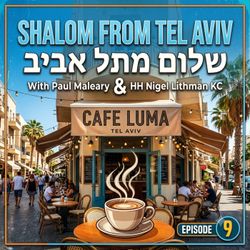
9. Deep Reflections, Global Politics, and Local Warmth
46:59||Ep. 9In this episode of Shalom from Tel Aviv, hosts Paul Maleary (former veteran detective) and HH Nigel Lithman KC (retired judge and King’s Counsel) dive into a deeply personal and political conversation. Moving fluidly between the heavy weight of history and the lighthearted quirks of local life, they deliver a striking contrast of modern UK and Israeli society. Key Takeaways & Discussion Points🕯️ Bearing Witness and Historical EchoesThe Nova Exhibition: Paul prepares to visit the Nova Music Festival exhibition in London, expressing that his visit is driven by a moral duty to bear witness rather than a morbid curiosity. Leaving Auschwitz-Birkenau: Nigel shares a haunting memory of visiting Auschwitz-Birkenau. He recalls the deep guilt and physical cold he felt when leaving the camp at dusk, feeling as though he was abandoning the souls of the victims left behind. Famous Kidnappings: The hosts reflect on famous historical Mossad operations, discussing the dramatic 1986 abduction of nuclear technician Mordechai Vanunu via Stansted Airport, and the 1960 capture of Adolf Eichmann to bring him to justice. 🏛️ Politics, Society, and Public FiguresThe Murder of Ann Widdecombe: The hosts react to the recent, tragic murder of former MP Ann Widdecombe. They strongly condemn the public figures and citizens who rejoiced in her death, pointing out that despite her staunch views, she was a kind person who championed free speech. UK Politics and Identity: Nigel criticizes the Green Party’s Zack Polanski for calling to prosecute those who serve with the IDF, labeling it a form of self-hate. They also call out London Mayor Sadiq Khan's description of his Nova exhibition visit for conspicuously omitting the words "Israel" or "Jews". Clowns in the System: The duo mock the modern political circus in the UK, comparing actual politicians to satirical candidates like Count Binface and Lord Buckethead, joking that "you can't tell who the clowns are" anymore. Mental Health and Homelessness: Discussing London's visible homelessness, the hosts trace some of the issue back to the historic closure of secure mental health units in favor of "care in the community". By contrast, Nigel notes the collective compassion and community support that prevents similar widespread abandonment in his local Israeli town. ⚽ Football, Commentary, and Local CultureEuro Anticipation: The hosts preview the highly anticipated matches, praising young stars like Declan Rice, whom they describe as an absolute gentleman and superstar. Classy Commentary: Nigel explains a quirk in Hebrew sports broadcasting: commentators will only refer to a player by their full name (e.g., "Jude Bellingham" or "Harry Kane") if they consider them to be of sufficient class. ☕ Special Shoutout: Cafe LumaThe heartwarming highlight of the episode belongs to Nigel’s absolute favorite local coffee spot: Cafe Luma! Nigel gives a massive, loving shoutout to Tamir and Dorota, the wonderful husband-and-wife team who run the cafe. Unlike Nigel's other friends who had to be "led to the trough and made to drink," Tamir and Dorota actively tracked down, listened to, and supported the podcast entirely on their own initiative. For top-tier coffee and even better company, Cafe Luma remains their premier local recommendation! 🏷️ Episode Hashtags#ShalomFromTel Aviv #PaulMaleary #NigelLithman #CafeLuma #NovaExhibition #AnnWiddecombe #BritishPolitics #IDF #SarEl #CountBinface #DeclanRice #AuschwitzBirkenau #RememberingHistory #UKPolitics #ZackPolanski #SadiqKhan #Euros2026 #PodcastSummary #CompassionInCommunity #NothingButTheTruth
loading...