Share
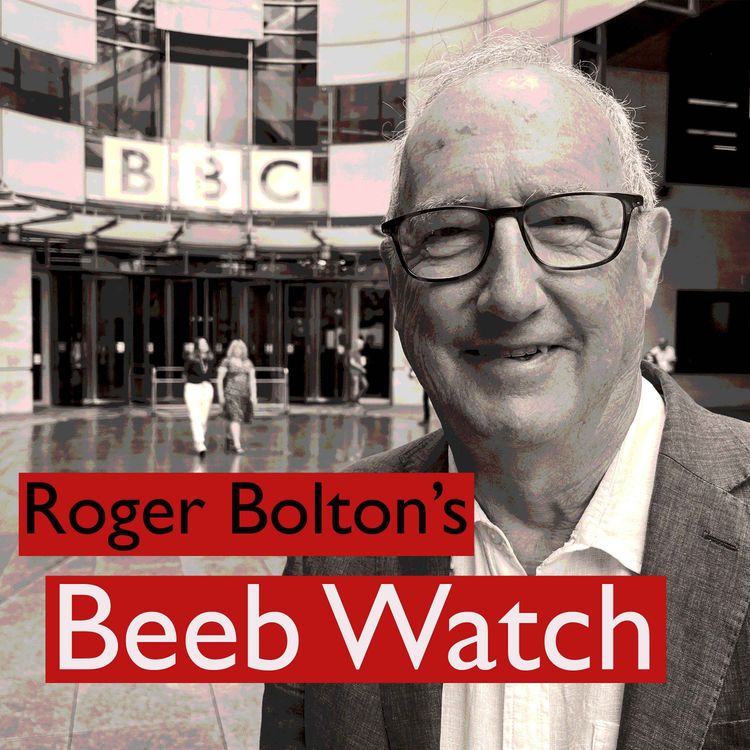
Roger Bolton's Beeb Watch
Rob Burley on the BBC’s Culture Wars: Trans Coverage and Due Impartiality
Rob Burley, writer and former BBC live political programming editor and Newsnight deputy editor, has recently published a long-form UnHerd article, “Inside the Capture of the BBC: How Transgenderism Killed Impartiality.” We discuss why he chose to examine the BBC’s handling of coverage related to sex and gender, how a 2013 change to the BBC style guide and subsequent diversity and inclusion policies shaped editorial decisions, and why he believes internal culture and restructuring affected the corporation’s approach to controversial issues.
We explore key moments, including Theresa May’s proposal on self-ID, the Cass Review, and early attempts to cover trans-related debates on programmes like Newsnight. We also look at the wider impact of budget cuts on the BBC’s capacity to interpret and apply due impartiality.
To support our journalism and receive a weekly blog sign up now for £1.99 per month www.patreon.com/BeebWatch/membership
@beebwatch.bsky.social
@BeebRoger
Instagram: rogerboltonsbeebwatch
LinkedIn: Roger Bolton's Beeb Watch
email: roger@rogerboltonsbeebwatch.com
More episodes
View all episodes

2. Sir John Whittingdale: The BBC Charter and the Dangers of Long Grass Politics
31:43||Season 13, Ep. 2Sir John Whittingdale is one of the most experienced UK parliamentarians on BBC governance, having negotiated the current BBC Charter as Culture Secretary and later steered the Media Act 2024 as Minister of State. In this episode, he explains how the current BBC Charter renewal process differs from the last one, the growing financial pressures on the corporation, and why he believes the BBC should be smaller and more focused.We also delve into alternative funding models, the implications of proposals to label “trusted news providers” in an era of streaming and algorithmic distribution, the rise of GB News and other partisan outlets, the power of billionaire media owners, and how far governments can – and should – influence the BBC through appointments, funding decisions, and the Charter itself.To support our journalism and receive a weekly blog sign up now for £1.99 per month www.patreon.com/BeebWatch/membership @beebwatch.bsky.social@BeebRogerInstagram: rogerboltonsbeebwatchLinkedIn: Roger Bolton's Beeb Watch1. Matt Deegan’s Radical Plan: “Blow Up the BBC”
30:42||Season 13, Ep. 1Matt Deegan is a media entrepreneur, radio executive and podcast maker who’s recently written a provocative piece for Broadcast arguing that the only way to save the BBC might be to “blow it up” – by breaking it into five interdependent parts and radically rethinking how we fund public service content.We discuss why he believes the BBC faces an existential crisis, why serious public debate has been so lacking in the crucial months before the government’s white paper, and explore his proposals to separate out news, nations and local, culture and kids, entertainment and the World Service – and whether a mix of endowments, levies and subscription could secure the future of public service media in a world of Netflix, Disney and YouTube.To support our journalism and receive a weekly blog sign up now for £1.99 per month www.patreon.com/BeebWatch/membership @beebwatch.bsky.social@BeebRogerInstagram: rogerboltonsbeebwatchLinkedIn: Roger Bolton's Beeb Watch14. Iain Dale: Life, the BBC and Ann Widdecombe
36:15||Season 12, Ep. 14Iain Dale is one of Britain’s most familiar political voices – LBC presenter, publisher, columnist, and lifelong conservative – and now the author of a strikingly candid memoir, Have I Said Too Much? We discuss his journey from an Essex farm to the heart of Westminster media, his complicated relationship with the Conservative Party, and why he believes the BBC has lost its way without losing its importance.We explore how talk radio has reshaped his politics, the tension between intelligent debate and 'rows for clicks', his unlikely friendship with Ann Widdecombe, and the personal cost of being so open on air and in print. It's a conversation about ambition, loyalty and influence.To support our journalism and receive a weekly blog sign up now for £1.99 per month www.patreon.com/BeebWatch/membership @beebwatch.bsky.social@BeebRogerInstagram: rogerboltonsbeebwatchLinkedIn: Roger Bolton's Beeb Watchemail: roger@rogerboltonsbeebwatch.com13. Michael Grade on GB News, the Future of Channel 4 and the BBC
31:07||Season 12, Ep. 13Lord Michael Grade – former controller of BBC One, chief executive of Channel 4, chairman of both the BBC and ITV, and most recently chair of Ofcom – reflects on what’s happening to Britain’s public service broadcasters as audiences splinter and the licence fee comes under strain. What funding model does he favour, what is the key question the BBC now faces, and can a channel like Channel 4 still justify its place in a market dominated by global streaming giants? And does foreign ownership of ITV’s broadcast arm really threaten the character of British television, or could it secure its future?We explore Ofcom’s contested role as referee of “due impartiality” in an era of GB News, partisan presenters and politicians fronting current affairs shows- are standards really being applied evenly? And Michael Grade also revisits some of his most debated calls – from cancelling Doctor Who to reshaping Blackadder – and gives his top viewing recommendation.To support our journalism and receive a weekly blog sign up now for £1.99 per month www.patreon.com/BeebWatch/membership @beebwatch.bsky.social@BeebRogerInstagram: rogerboltonsbeebwatchLinkedIn: Roger Bolton's Beeb Watchemail: roger@rogerboltonsbeebwatch.com12. Prof Cathy Johnson on Who Wins and Loses from the ITV-Sky Deal and the New Media Green Paper
31:26||Season 12, Ep. 12Prof Cathy Johnson, a leading expert on public service media who has advised Ofcom and contributed to numerous parliamentary select committees and government investigations, discusses the implications of the ITV–Sky deal for ITV, Channel 4, ITN and Sky News, and what it means for the shrinking group of purely British public service broadcasters. We unpack the government’s green paper, “Watch This Space: A New Strategic Direction for UK Media,” and what it suggests – and fails to decide – about the long‑term future of public service broadcasting, including the BBC’s charter and funding.We also explore why concepts like prominence, discoverability and amplification now sit at the heart of media policy: who gets seen first on smart TVs, streaming platforms and social media; what counts as a “trustworthy” news provider; and whether voluntary deals with tech platforms can ever be enough. We look at Ofcom’s role, the Online Safety Act’s definition of news publishers, the pressure on Channel 4 and local news, and how citizens can still influence media policy.To support our journalism and receive a weekly blog sign up now for £1.99 per monthwww.patreon.com/BeebWatch/membership @beebwatch.bsky.social@BeebRogerInstagram: rogerboltonsbeebwatchLinkedIn: Roger Bolton's Beeb Watchemail: roger@rogerboltonsbeebwatch.com11. Jonathan Heawood: The Mill and the Fight to Save Local Journalism
31:13||Season 12, Ep. 11Jonathan Heawood, executive director of the Public Interest News Foundation and founder of Impress, discusses the rise of Manchester’s independent newsletter The Mill - widely praised for its coverage of Andy Burnham - and what it reveals about rebuilding local journalism: from new business models for independents and partnerships with the BBC, to press regulation and why strong local media is essential for a healthy democracy.To support our journalism and receive a weekly blog sign up now for £1.99 per monthwww.patreon.com/BeebWatch/membership @beebwatch.bsky.social@BeebRogerInstagram: rogerboltonsbeebwatchLinkedIn: Roger Bolton's Beeb Watchemail: roger@rogerboltonsbeebwatch.com10. Mark Damazer on BBC Cuts, Digital-First, and the Fight for Public Service Broadcasting
35:14||Season 12, Ep. 10Former BBC Radio 4 Controller, Deputy Director of News and BBC Trustee Mark Damazer reflects on the BBC cuts announced last week and how such decisions are really made. He examines whether the reductions are justified, the trade‑off between chasing new audiences and providing high‑quality journalism, and how far the BBC’s digital‑first strategy should apply to radio as well as television — and at what pace. We also discuss what the BBC, new Director-General Matt Brittin, and supporters of public service broadcasting need to do next if the Corporation is to safeguard its future.To support our journalism and receive a weekly blog sign up now for £1.99 per monthwww.patreon.com/BeebWatch/membership @beebwatch.bsky.social@BeebRogerInstagram: rogerboltonsbeebwatchLinkedIn: Roger Bolton's Beeb Watchemail: roger@rogerboltonsbeebwatch.com9. Tom Loxley on Radio Times’ Message to the BBC
24:38||Season 12, Ep. 9Tom Loxley, brand and editorial director of Radio Times, discusses what hundreds of readers’ letters reveal about the BBC at a time of deep budget cuts, job losses and declining trust in news. We talk about Radio Times’ historic ties to the BBC, why its readers still feel like stakeholders in public service broadcasting, how they really view issues like trust, impartiality and the licence fee, and what this all means for the BBC’s future funding, its struggle to keep talent, and its battle to stay relevant to younger audiences in an age dominated by algorithms and social media. To support our journalism and receive a weekly blog sign up now for £1.99 per monthwww.patreon.com/BeebWatch/membership @beebwatch.bsky.social@BeebRogerInstagram: rogerboltonsbeebwatchLinkedIn: Roger Bolton's Beeb Watchemail: roger@rogerboltonsbeebwatch.com🎧 Listen to all our episodes: https://podfollow.com/beebwatch8. Caroline Dinenage on the BBC's Royal Charter Review
27:39||Season 12, Ep. 8Caroline Dinenage, Chair of the Culture, Media and Sport Select Committee, is chairing an inquiry into the BBC’s Royal Charter Review. We discuss the renewal timetable, possible reforms to BBC governance, alternative funding models and countering the global tech and streaming giants.We also discuss pressures on the new Director-General, cuts in BBC funding, impartiality and Ofcom’s handling of GB News and the Married at First Sight controversy.And there's the mystery of a ConservativeHome article.To support our journalism and receive a weekly blog sign up now for £1.99 per month www.patreon.com/BeebWatch/membership@beebwatch.bsky.social@BeebRogerInstagram: rogerboltonsbeebwatchLinkedIn: Roger Bolton's Beeb Watchemail: roger@rogerboltonsbeebwatch.com