Latest episode
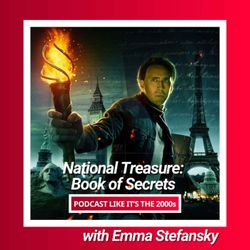
112: National Treasure: Book of Secrets with Emma Stefansky
01:56:02|Phil and Emily are joined by writer Emma Stefansky for Jon Turteltaub's National Treasure: Book of Secrets (2007). Nicolas Cage's Ben Gates kidnaps the President (Bruce Greenwood) and chases a hidden city of gold to clear his great-great-grandfather's name in the Lincoln assassination. Diane Kruger, Justin Bartha, Jon Voight, Ed Harris, and a scene-stealing Helen Mirren carry her Queen Best Actress Oscar straight into big, dumb, wonderful blockbuster hokum.The three dig into the Nic Cage escalation from the first film, the franchise's cheerfully unhinged relationship with American history, and why this brand of mid-budget, all-ages adventure has basically vanished from theaters. There's a real case here for reading Book of Secrets as the last gasp of the pre-Marvel four-quadrant treasure hunt. Silly, sturdy, and weirdly comforting same as the movie.Follow the show & guest:Podcast Like It's... - https://www.instagram.com/podcastlikeitsPhil Iscove - https://www.instagram.com/pmiscoveEmily St. James - https://www.instagram.com/emilystjamsEmma Stefansky - https://www.instagram.com/stefabsky💜 Patreon (bonus episodes & video): http://patreon.com/Podcastlikeits
More episodes
View all episodes

111: Penelope with Teri Gamble
01:18:13|Phil and Emily are joined by writer, actor, and Horror Movie Survival Guide host Teri Gamble for Mark Palansky's Penelope (2006). Christina Ricci is an heiress born with a pig's nose thanks to a family curse, kept out of sight while her mother (Catherine O'Hara) hunts for a blue blood willing to marry her, which is how a broke gambler played by James McAvoy ends up being paid to get close. Reese Witherspoon produced it and takes a supporting role, making this the strangest imaginable follow up to the Oscar she had just won for Walk the Line.The three get into why the film sat on a shelf for two years between its late 2006 festival premiere and its actual release, how badly the movie undersells its own premise (nobody is buying Christina Ricci as the most hideous woman alive, no matter how many people scream and leap out of windows), and Reese Witherspoon's long run as the defining uptight blonde of the era. There's a real case here for Penelope as the point where the post-Oscar passion project stopped reading as a prestige move and started reading as a fairy tale nobody had asked for. Teri also arrives with fresh FernGully intelligence, as Teri always does.Follow the show & guests:Podcast Like It's... - https://www.instagram.com/podcastlikeitsPhil Iscove - https://www.instagram.com/pmiscoveEmily St. James - https://www.instagram.com/emilystjamsTeri Gamble - https://www.instagram.com/theterigamble💜 Patreon (bonus episodes & video): http://patreon.com/Podcastlikeits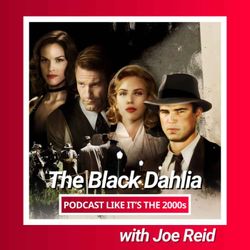
110: The Black Dahlia with Joe Reid
01:42:58|The Black Dahlia (2006) is one of Hollywood's most infamous true crime stories brought to screen a labyrinthine noir that refuses easy answers. Directed by Brian De Palma, the film weaves the 1947 unsolved murder of Elizabeth Short through the lives of two LAPD detectives, tangling glamour with corruption, obsession with justice, and the cold machinery of Los Angeles ambition. Starring Josh Hartnett, Aaron Eckhart, and Scarlett Johansson, it's a film that asks: How many layers of deception can you peel back before you lose the truth?Host Phil Iscove and guests Emily St. James and Joe Reid dig into whether this adaptation of James Ellroy's novel holds up and whether its byzantine plot and moral fog land as intended or collapse under the weight of their own complexity. They explore how De Palma's stylistic flourishes, the ensemble's commitment to the murk, and the film's refusal to absolve anyone of blame read in 2026.Follow the show & guest:Podcast Like It's... - https://www.instagram.com/podcastlikeitsPhil Iscove - https://www.instagram.com/pmiscoveEmily St. James - https://www.instagram.com/emilystjamsJoe Reid - https://www.instagram.com/joereid21💜 Patreon (bonus episodes & video): http://patreon.com/Podcastlikeits
109: Aeon Flux with Kristen Lopez
01:27:20|Phil and Emily are joined by film critic and historian Kristen Lopez to break down Karyn Kusama's Æon Flux (2005). Charlize Theron plays the title assassin, sent by the rebel Monicans to kill the ruling Chairman of the last walled city on Earth (Marton Csokas), only to find a conspiracy about cloning and memory that goes back generations (Frances McDormand, Sophie Okonedo, Jonny Lee Miller). What starts as a straightforward hit spirals into questions about who's actually still human under all that latex.The three dig into adapting a cult MTV animated series for a studio tentpole, the mid-2000s dystopian sci-fi boom, and how much style a blockbuster can get away with before critics turn on it. There's a real case here for reading Æon Flux as a genuinely strange studio experiment that got buried by its own rushed release. Sleek, weird, and a little sad, same as the movie.Follow the show & guest:Podcast Like It's... - https://www.instagram.com/podcastlikeitsPhil Iscove - https://www.instagram.com/pmiscoveEmily St. James - https://www.instagram.com/emilystjamsKristen Lopez - https://www.instagram.com/kristenlopez88💜 Patreon (bonus episodes & video): http://patreon.com/Podcastlikeits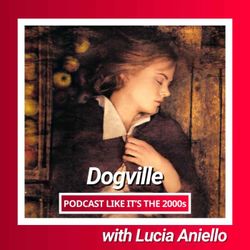
108: Dogville with Lucia Aniello
01:26:55|Phil and Emily are joined by Emmy-winning Hacks creator Lucia Aniello for Lars von Trier's Dogville (2003). Nicole Kidman's fugitive Grace hides out in a Depression-era Rocky Mountain town staged entirely with chalk outlines on a bare soundstage, and the townsfolk's charity slowly curdles into something monstrous. Paul Bettany, Lauren Bacall, Chloë Sevigny, Patricia Clarkson, and James Caan fill out von Trier's three-hour moral experiment, narrated with dry glee by John Hurt.The three dig into the chalk-outline staging as both radical theater and pure provocation, Kidman spending her post-Hours Oscar heat on the least commercial project imaginable, and where the film's brutal final turn lands two decades on. There's a real case here for reading Dogville as the most savage thing ever built to look like a filmed stage play. Cruel, funny, and unlike anything else same as the movie.Follow the show & guest:Podcast Like It's... - https://www.instagram.com/podcastlikeitsPhil Iscove - https://www.instagram.com/pmiscoveEmily St. James - https://www.instagram.com/emilystjamsLucia Aniello - https://www.instagram.com/luciaaniellosetfits💜 Patreon (bonus episodes & video): http://patreon.com/Podcastlikeits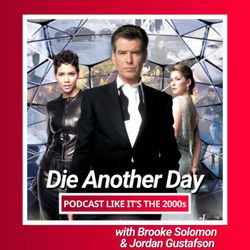
107: Die Another Day with Brooke Solomon and Jordan Gustafson
01:58:36|Phil and Emily are joined by Brooke Solomon and Jordan Gustafson, hosts of The Queer Quadrant, for Lee Tamahori's Die Another Day (2002). Pierce Brosnan's last outing as James Bond runs from a North Korean prison to an Icelandic ice palace, with Halle Berry surfacing as NSA agent Giacinta "Jinx" Johnson in the follow-up to her Monster's Ball Best Actress win. Rosamund Pike (in her screen debut), Toby Stephens, a Madonna theme song, and a famously invisible Aston Martin fill out the most gadget-drunk Bond of the early CGI era.The four dig into Jinx as the almost-spinoff that never happened, how a 40th-anniversary Bond tips all the way into digital excess, and why this particular entry burned itself so vividly into their childhood memories. There's a real case here for reading Die Another Day as the exact moment the Brosnan era buckles under its own kitesurfing, para-sailing weight. Gaudy, campy, and gloriously overblown same as the movie.Follow the show & guests:Podcast Like It's... - https://www.instagram.com/podcastlikeitsPhil Iscove - https://www.instagram.com/pmiscoveEmily St. James - https://www.instagram.com/emilystjamsBrooke Solomon - https://www.instagram.com/brookebsolomonJordan Gustafson - https://www.instagram.com/jordan_gustafsonThe Queer Quadrant - https://www.instagram.com/queerquadrant💜 Patreon (bonus episodes & video): http://patreon.com/Podcastlikeits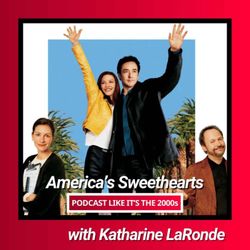
106: America's Sweethearts with Katharine LaRonde
01:44:37|Phil and Emily are joined by writer and podcaster Katharine LaRonde to dig into Joe Roth's America's Sweethearts (2001). Julia Roberts plays the overlooked assistant stuck managing the press junket for her superstar sister (Catherine Zeta-Jones) and her sister's washed-up, soon-to-be-ex-husband (John Cusack), whose divorce turns out to be the only story the reporters actually want. It spirals into a movie that can't decide if it's mocking the junket circus or just running one.The three dig into the film's Hollywood-satire instincts that never quite land a punch, John Cusack playing a guy who's spent a year and a half hiding from his own life at Alan Arkin's wellness retreat, and Roger Ebert's read on the movie as a watered-down Singin' in the Rain. There's a real case here for reading America's Sweethearts as the movie that wanted to skewer Hollywood but fell in love with it instead. Promising, self-conscious, and never quite committed, same as the movie.Follow the show & guest:Podcast Like It's... - https://www.instagram.com/podcastlikeitsPhil Iscove - https://www.instagram.com/pmiscoveEmily St. James - https://www.instagram.com/emilystjamsKatharine LaRonde - https://www.instagram.com/katlaronde/💜 Patreon (bonus episodes & video): http://patreon.com/Podcastlikeits