Share
Nordic Tales & American Trails
Episode 74: Travis Bader | Hunting Culture, Community & Conservation (Part One)
In this epiosde Erik Rhodin and Darren Petty sit down with Travis Bader — Canadian outdoorsman and host of the Silvercore Podcast — for a wide-ranging conversation that bridges hunting cultures across the Atlantic.
Travis shares his experiences hunting in Sweden, his time at the Norma Academy, and his perspective on how hunting traditions, regulations, and community differ between North America and Scandinavia.
We talk about the role of hunters in wildlife management, the importance of community, and why understanding different hunting cultures matters more than ever.
Highlights include:
🦌 Hunting in Sweden vs. North America
🎓 Experiences at the Norma Academy
🌍 Cultural differences in hunting traditions
🤝 Community and collaboration in hunting
🐕 The role of dogs in hunting
🌱 Hunters and conservation responsibility
A grounded and thoughtful conversation about hunting, culture, and the shared values that connect hunters worldwide.
More episodes
View all episodes
83. Episode 83: Chris Sundström - BearbayersKennel part 2
50:47||Season 1, Ep. 83In part two with Chris Sundström, we shift focus toward how environment, culture, and hunting systems shape the way dogs are bred, trained, and used.We talk about what happens when dogs bred in one system are introduced into another, and the challenges that come with adapting to different terrain, game, and hunting conditions. From Scandinavian forests to North American landscapes, environment plays a major role in how a dog performs.The discussion also explores the balance between preserving breed identity and allowing for regional adaptation, and the risks of losing original working traits over time.We also touch on cultural differences in hunting traditions, and how future breeding decisions will shape the next generation of working dogs.Highlights include:🌍 Terrain and its influence on dog performance 🐕 Adapting dogs across continents 🧬 Breed preservation vs. regional adaptation ⚠️ Maintaining original traits 🌲 Cultural differences in huntingA thoughtful continuation focused on the long-term future of working dogs.
82. Episode 82: Chris Sundström - BearbayersKennel part 1
01:03:38||Season 1, Ep. 82In this episode, Erik and Darren sits down with Chris Sundström to explore the origins, breeding, and working style of plot hounds in both the United States and Sweden.We begin with the background of the breed and how plot hounds have developed across different regions, shaped by terrain, game, and hunting traditions. Chris shares his experience working with both Scandinavian and North American dogs, and why lineage, pedigree, and proven ability still matter when building reliable hunting dogs.The conversation also dives into the differences between track hunting and free casting, and how regulations, land structure, and hunting pressure influence how dogs are used in Sweden today.We also touch on the growing role of plot hounds in Swedish bear hunting, and the challenges of importing dogs across continents while trying to maintain their original traits.Highlights include:🐾 The origins and development of plot hounds 🧬 The role of lineage and working ability 🐻 Plot hounds in Swedish bear hunting 🌲 Track hunting vs. free casting ⚖️ Regulations shaping dog work ✈️ Importing and adapting dogsA grounded conversation about breeding, dog work, and the systems that shape them.
81. Episode 81 – Dr. Daniel Ligné: Hunting Dogs, Predators & the Future of Wildlife Management
01:09:50||Season 1, Ep. 81In part two of our conversation, we continues speaking with Daniel Ligné from the Swedish Association for Hunting and Wildlife Management, shifting the discussion toward modern challenges in wildlife management and hunting culture.We begin by exploring hunting with dogs — including cultural differences in dog hunting traditions, pack versus solo hunting strategies, and the ethical considerations around dog welfare and hunting conditions.From there, the conversation turns toward predator management and the realities of living alongside species like the gray wolf, Eurasian lynx, and wolverine. Daniel explains how science, politics, and public perception all influence wildlife policy in Sweden.We also discuss human–wildlife conflict, wolves and hunting dogs, and how modern technology and monitoring systems are shaping wildlife research and management.Finally, the discussion looks ahead — examining how hunters contribute to ecosystem health, how public perception of hunting is evolving, and what challenges and opportunities lie ahead for the next generation.Highlights include:🐕 Hunting with dogs and cultural differences in hunting styles🐺 Predator management in Sweden⚖️ Ethics, dog welfare, and hunting conditions📊 Wildlife monitoring and conservation science🌍 The future of hunting and wildlife managementA grounded conversation about predators, ethics, and the evolving role of hunters in wildlife conservation.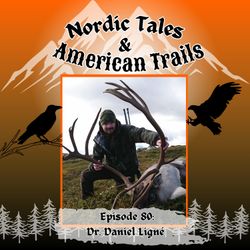
80. Episode 80 – Dr. Daniel Ligné: 200 Years of Swedish Wildlife Management
01:05:08||Season 1, Ep. 80In this episode, Erik sits down with Daniel Ligné from the Swedish Association for Hunting and Wildlife Management to explore the history and foundations of wildlife management in Sweden.We begin by looking back at how hunting rights and wildlife conservation evolved over the past two centuries, including the societal changes that followed the French Revolution, which reshaped land ownership and hunting rights across Europe.Daniel explains how Sweden rebuilt wildlife populations that were once nearly gone — including the Eurasian beaver, wild boar, and the now world-famous moose population. Today Sweden holds one of the densest moose populations in the world, largely thanks to a system built on hunter participation, research, and long-term stewardship.The conversation also explores the structure behind Swedish hunting — from wildlife monitoring and research to the organization of moose hunting teams, land ownership traditions, and how hunters collect data that supports wildlife management.We also discuss public acceptance of hunting, the cultural importance of moose hunting in Swedish society, and how hunters balance ethics, conservation, and responsibility in the modern landscape.Highlights include:🦌 The origins of Swedish wildlife management 📊 Hunters and wildlife data collection 🌲 The recovery of species like beaver and wild boar 🫎 The structure and culture of moose hunting in Sweden 🤝 Public trust and the hunter’s role in conservationA thoughtful conversation about history, stewardship, and the system that helped build one of the world’s most recognized wildlife management models.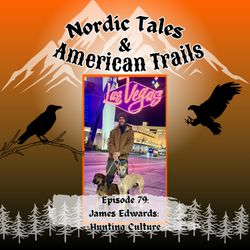
79. Episode 79 – James Edwards: Hunting Culture
01:39:06||Season 1, Ep. 79In this episode, Erik sits down once again with James Edwards to discuss hunting culture, modern legislation, and the future of working dogs across Europe and the UK.We explore new EU animal welfare rules — including microchipping and kennel standards — and how changing laws are shaping rural life and long-standing hunting traditions. From the legacy of the UK Hunting Act to hunting experiences in UK and the United States, the conversation connects policy, culture, and real life in the field.But beyond policy, this episode centers on something deeper — the bond between hunters and their dogs, the ethics that guide responsible hunting, and the responsibility that comes with preserving tradition in a changing world. From entering young dogs and developing them the right way to long-term stewardship of land and wildlife, we reflect on how hunting adapts without losing its foundation.Highlights include:🐕 EU dog regulations & hunting culture🌍 International hunting experiences⚖️ Ethics and modern wildlife management🐾 Entering and developing young working dogs🤝 Advocacy and protecting rural traditionsA focused and honest conversation about dogs, culture, and responsibility in a changing landscape.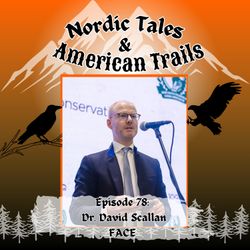
78. Episode 78: Dr David Scallan, from FACE
01:27:53||Season 1, Ep. 78In this episode, we sit down with David Scallan, Secretary General of FACE — Europe’s largest hunting federation, representing over 7 million hunters across 37 countries.David explains how EU legislation, conservation policy, and public perception are actively reshaping the future of hunting in Europe, and why hunter engagement has never been more important.We talk about real, current issues affecting European hunters today: lead ammunition, wolf and large carnivore management, dog welfare, bird conservation, invasive species, and the ongoing battle against misinformation and anti-hunting narratives. David also shares how FACE works directly with EU policymakers, conservation partners, and national hunting organizations to protect hunting rights while promoting science-based, sustainable wildlife management.With examples from Ireland, Sweden, and across the EU, this conversation highlights how organized hunting communities play a crucial role in biodiversity, land stewardship, and long-term conservation success.Highlights include: 🏛️ How FACE works inside the EU political system 🌍 Hunting, conservation, and policy across Europe 🦌 Wildlife management, large carnivores, and biodiversity ⚖️ Social acceptance, communication, and misinformation 🤝 Why unity among hunters matters more than everA timely and important episode for anyone who hunts — or cares about the future of hunting — in Europe. Understanding the policy landscape is no longer optional; it’s part of protecting our traditions for generations to come.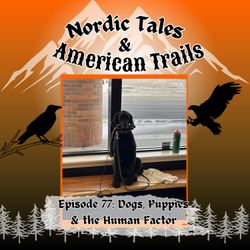
77. Episode 77: Dogs, Puppies & the Human Factor
59:04||Season 1, Ep. 77In this episode, Erik and Darren sit down for an open conversation about dogs, training, and the thinking behind building functional hunting dogs over time.We talk about choosing puppies, attitude testing, breeding and generational traits, and the differences between male and female dogs. The discussion also touches on neutering and behavior, retrieving work, and how a handler’s mindset, confidence, and patience play a major role in training outcomes.This episode isn’t about presenting one “right” way. Everything discussed comes from our own experiences, and as we say in the episode, there are many different paths to the same goal. We share what has worked for us and invite others to reflect, compare, and learn from it.Highlights include: 🐕 Puppy selection and attitude testing 🧬 Breeding, genetics, and generational traits ⚖️ Male vs female dogs and behavior differences 🎯 Retrieving work and training challenges 🧠 Human mindset and confidence in dog training 🤝 Sharing knowledge within the hunting communityA grounded, experience-based conversation about dogs, learning through doing, and why open discussion matters in developing good hunting dogs.
76. Episode 76: Snowy Mountain Bear Dogs
01:41:02||Season 1, Ep. 76In this episode Erik Rhodin sits down with Josh and Dallin from Snowy Mountain Bear Dogs for a deep dive into hunting culture, Karelian Bear Dogs, and what it really takes to build functional, hard-working hunting dogs in today’s world.This conversation moves from personal hunting journeys to the realities of breeding, training, and selecting dogs for real-world predator work. We explore the unique characteristics of the Karelian Bear Dog, the versatility of Spitz-type breeds, and how breeding philosophies differ between North America and Scandinavia.Josh and Dallin share insights on decoying coyotes, bear hunting in harsh mountain terrain, managing heat and injuries in the field, and the importance of self-preservation instincts in a true working dog. We also discuss wildlife management strategies, including hazing bears to reduce human–wildlife conflict, and how climate and environment shape both predator behavior and hunting opportunity.This episode blends culture, conservation, and practical dog work🐻 The role of Karelian Bear Dogs in bear hunting and wildlife management 🐕 Breeding standards and selecting for grit vs. self-preservation 🌲 Cultural differences between Scandinavian and North American hunting traditions 🧬 The future of Karelian breeding practices 🐺 Decoying coyotes and predator control strategies 🔥 Managing heat, injuries, and survival in rough country ⚖️ Hunting regulations and how they shape dog work 🌎 Climate impact on wildlife populations and hunting seasons
75. Episode 75: Travis Bader | Ethics, Wildlife Management & the Future of Hunting
58:24||Season 1, Ep. 75In this episode Erik Rhodin and Darren Petty continue the conversation with Travis Bader, diving deeper into ethics, conservation, and the realities of modern wildlife management.We discuss public land access, predator–prey dynamics, hunting regulations, and the challenges hunters face in maintaining ethical standards in a rapidly changing world. The conversation also covers hunting with dogs, the bond between hunter and dog, and how technology is shaping the future of hunting.Travis shares thoughtful insight into why education, collaboration, and responsibility are key to keeping hunting traditions strong for future generations.Highlights include:⚖️ Ethics and responsibility in modern hunting🌲 Public land access and hunting regulations🐻 Predator management and human–wildlife interaction🐕 Hunting with dogs and training methods📚 Education and collaboration among hunters🔮 The future of hunting and conservationAn honest, experience-driven conversation about where hunting stands today — and where it’s heading.