Share
Nordic Tales & American Trails
Outdoor and hunting podcast focusing on tales and trails from northern Europe and the USA
Latest episode
108. Episode 108 – Bjorn to Be Wild (6): Introduction to Hunting
01:03:15||Season 1, Ep. 108In this episode, Erik catches up with Wayne Dixon for another chapter of Bjorn to Be Wild, following Bjorn as he takes his first steps from puppyhood toward becoming a hunting dog.Wayne shares what he has learned from watching Scotty raise her puppies naturally and how early exposure to the outdoors, other dogs, wildlife, and different environments can influence confidence, independence, and hunting instincts. Erik and Wayne discuss the importance of those first eight weeks and how early experiences can help shape a dog's future.The conversation also follows Bjorn's introduction to hunting and his early experiences around bears and other game. They discuss the balance between giving a young dog opportunities to learn while knowing when the risk of a bad encounter outweighs the potential reward.Along the way, Erik and Wayne talk about bonding, independence, learning from experienced dogs, modern training tools, and why developing a hunting dog is about much more than simply creating hunt drive.Highlights include:🐕 Bjorn's first steps toward becoming a hunting dog🐻 Early exposure to bears and other game🐾 Learning naturally from Scotty and experienced dogs🌲 Raising puppies with early exposure to the outdoors🧠 Why the first eight weeks can have a lasting impact🤝 Building a strong bond between hunter and dog⚖️ Balancing experience, confidence, and risk with young dogs📡 Modern tools and training young hunting dogsAnother chapter in Bjorn to Be Wild, following the experiences, instincts, and lessons that shape a young dog on his journey toward becoming a hunting dog.
More episodes
View all episodes
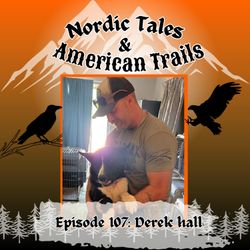
107. Episode 107 — Derek Hall | Hunting Dogs, Culture & Protecting the Future
01:47:44||Season 1, Ep. 107Originally released as a two-part conversation, we’re bringing both parts together as one full episode.This week, Erik Rhodin sits down with Derek Hall for the complete conversation exploring hunting with dogs — from the deserts of Arizona to the forests of Scandinavia.Erik and Derek dive into what makes a good hunting dog, how breeds and hunting styles adapt to different environments, and the cultural differences between hunting with dogs in the United States and Scandinavia.The conversation also moves into some of the bigger challenges facing dog hunters today — regulations, public perception, education, and why hunters need to support and understand hunting traditions beyond their own state, country, or preferred breed.In this episode:🐕 Hunting dogs, breeds, and what makes a good working dog🌎 American vs. Scandinavian hunting traditions🎯 Training philosophies and adapting dogs to different game and terrain🌵 Hunting with dogs in Arizona📜 Regulations and the future of dog hunting🐾 Responsible and ethical dog work🎓 Education, outreach, and public perception🤝 Building stronger connections between hunters around the world🌵 The Arizona Working Dog Alliance and its missionAnd if you enjoy this episode, stay tuned — Derek might have some fun and exciting things coming here shortly.We always love supporting those who support us and the hunting-with-dogs community.Following the Trails. Telling the Tales.Nordic Tales & American Trails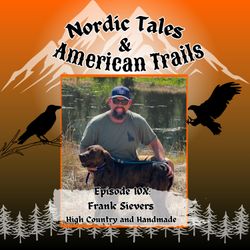
106. Episode 106: Frank Sievers from High Country and Handmade
02:10:17||Season 1, Ep. 106In this crossover episode, Erik is joined by Frank Sievers from High Country and Handmade for a wide-ranging conversation about hunting dogs, different breeds, and hunting traditions in Sweden and North Idaho.Erik and Frank compare the dogs they hunt with and how different game, landscapes, regulations, and hunting seasons influence the breeds hunters choose. From Blueticks, Plotts, and other hounds to West Siberian and Russo-European Laikas, they discuss breed traits, training young dogs, hunting them solo, and the importance of finding dogs that fit the way you actually hunt.The conversation moves through bear, wild boar, lynx, bobcat, and moose hunting while comparing how dogs work different game and terrain on opposite sides of the Atlantic. They also dive into breeding, bloodlines, genetic diversity, European breeding systems, and the transparency of hunting-dog records in Scandinavia.Along the way, Erik and Frank discuss what hunters can learn from different breeds and hunting cultures, and why staying open-minded is one of the most valuable things a dog hunter can do.Highlights include:🐕 Blueticks, Plotts, Laikas, and different hunting-dog breeds🐻 Bear hunting in North Idaho and Scandinavia🐗 Wild boar hunting and choosing dogs for different game🐈 Lynx vs. bobcat hunting and tracking challenges🫎 Swedish moose hunting and the role of loose dogs🧬 Bloodlines, breeding, genetic diversity, and inbreeding🌍 Swedish vs. American hunting traditions and regulations🌲 Training young dogs to hunt independently🐾 Learning from different breeds and hunting stylesA conversation about dogs, hunting, breeding, and what hunters on opposite sides of the Atlantic can learn from each other.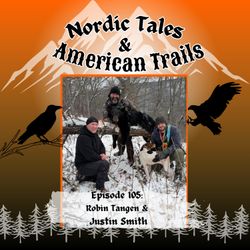
105. Episode 105: Robin Tangen & Justin Smith | Treeing Walkers from Virginia to Norway
01:35:14||Season 1, Ep. 105In this episode, Erik sits down with Robin Tangen from Norway and Justin Smith from Virginia for a conversation about Treeing Walker Coonhounds, bear hunting, breeding, and the connections hunting dogs create across the Atlantic.Robin and Justin share the story of how their friendship developed through hounds, including Robin traveling to the United States to hunt and eventually bringing a Treeing Walker back home to Norway. They discuss the challenges of transporting dogs internationally, choosing the right bloodlines, and what they look for when breeding and developing hunting dogs.The conversation takes us from the mountains of Norway to the hunting bears in Virginia, comparing terrain, weather, hunting seasons, regulations, and how those differences influence the way dogs are hunted and trained. We also dive into bear hunting, fox hunting, male versus female hounds, and memorable days following dogs in the mountains.Highlights include:🐕 Treeing Walker Coonhounds in Virginia and Norway🐻 Bear hunting with hounds in the United States🇳🇴 Hunting dogs and hound culture in Norway🇺🇸 Hunting the mountains of Virginia✈️ Bringing an American hunting dog across the Atlantic🧬 Bloodlines, breeding, and selecting for performance⛰️ Norwegian mountains vs. Virginia hunting terrain🐾 Training and developing young hunting dogs🌦️ Weather, seasons, and adapting dogs to different environments🌍 Comparing American and Scandinavian hunting traditionsA conversation about Treeing Walkers, bear hunting, breeding, and a friendship built around hunting dogs on opposite sides of the Atlantic.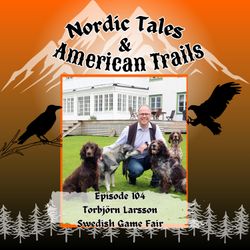
104. Episode 104: Torbjörn Larsson: Swedish Game Fair, FACE & the Future of Hunting
01:18:43||Season 1, Ep. 104In this episode, Erik sits down with Swedish hunter and longtime hunting advocate Torbjörn Larsson for a wide-ranging conversation about hunting, game management, conservation, and hunting culture across Europe.Torbjörn shares his journey from growing up as a hunter in Sweden to becoming chairman of the Swedish Hunters Association and later president of FACE – the European Federation for Hunting and Conservation, representing around seven million hunters across Europe.The conversation looks at how Swedish hunting and wildlife populations have changed over the past 50 years, from moose management and the rapid expansion of wild boar to African swine fever and the long-running debate around wolves and predator management. Torbjörn also shares his experience working at the European level and why cooperation between hunters, landowners, farmers, and hunting organizations is so important.Along the way, we explore hunting culture across Scandinavia, Europe, North America, and beyond, including hunting with dogs, different approaches to game management, and why understanding and respecting different hunting traditions matters for the future of hunting.Highlights include:🦌 Changes in Swedish hunting and game populations🐗 Wild boar management and African swine fever🐺 Wolves and predator management in Sweden🇪🇺 FACE and representing Europe's hunters🏛️ EU policy, hunting, and conservation🤝 Cooperation in modern game management🐕 Hunting with dogs across Europe🌍 Comparing hunting cultures around the world🔮 The future of hunting and conservationA wide-ranging conversation about hunting, wildlife management, and the traditions that continue to connect hunters across borders.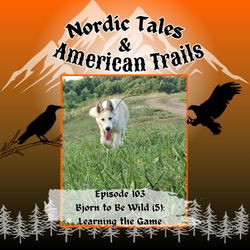
103. Episode 103 – Bjorn to Be Wild (5): Learning the Game
01:20:26||Season 1, Ep. 103In this episode, Erik catches up with Wayne Dixon for another chapter of Bjorn to Be Wild, following the development of his young West Siberian Laika, Bjorn.At just under six months old, Bjorn's hunting drive and personality are starting to show more and more. Wayne shares updates from recent bear encounters, time in the woods, and how Bjorn is learning from the older dogs around him while beginning to figure out when to push forward and when to use some self-preservation.The conversation also covers pack dynamics, obedience, livestock encounters, and the challenges that come with developing a young hunting dog. Erik and Wayne also dive into West Siberian Laikas on both sides of the Atlantic, breed preservation, crossbreeding, and why understanding the history and purpose of a breed matters when planning for its future.As always, the conversation reaches beyond the dogs into hunting culture and conservation, including the importance of supporting organizations working to protect wildlife, habitat, and the future of hunting.Highlights include:🐕 Bjorn's development at nearly six months old🐻 Early bear encounters and learning around experienced dogs🌲 Hunt drive, self-preservation, and developing a young hunting dog🐄 Correcting unwanted behavior around livestock🐾 Pack dynamics and learning from older dogs🧬 West Siberian Laika breeding and preserving breed integrity🌍 European and American approaches to hunting dogs and breeding🌲 Hunting, conservation, and supporting wildlife organizationsAnother chapter in Bjorn to Be Wild, following a young West Siberian Laika from puppyhood toward becoming a hunting dog.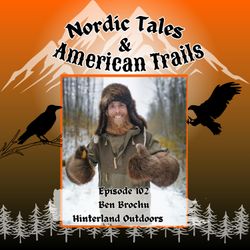
102. Episode 102: Ben Brochu of Hinterland Outdoors
01:22:57||Season 1, Ep. 102In this episode, Erik sits down with Ben Brochu of Hinterland Outdoors for a wide-ranging conversation about hunting, trapping, wildlife management, and adventure in the Canadian wilderness.Ben shares his journey from growing up around trapping and the outdoors in Alberta to building Hinterland Outdoors and guiding hunters across remote country. The conversation covers everything from moose, bears, wolves, whitetail, and mule deer to the realities of trapping species like marten, fisher, wolverine, coyotes, and foxes.Ben also tells the story of taking his family on a five-month sailing adventure in Mexico, embracing a simple philosophy of asking, "Why not?" instead of waiting for the perfect moment.We dive into wildlife management, predator control, conservation, public land, and the challenges of balancing healthy wildlife populations with the needs of the people who live and work on the land. Erik and Ben also compare hunting cultures in Canada and Sweden, discussing everything from regulations and predator management to the different ways hunters experience the outdoors on each side of the Atlantic.Highlights include:🪤 Trapping marten, fisher, wolverine, coyotes, and foxes🫎 Moose, bear, whitetail, and mule deer hunting in Alberta🐺 Predator management and wildlife populations🌲 Conservation and responsible land use🏕️ Building Hinterland Outdoors and guiding hunters⛵ Sailing from Canada to Mexico with family🌍 Comparing Canadian and Scandinavian hunting culture⚖️ Hunting regulations and wildlife management🎯 What makes a true wilderness hunt different🔥 Problem wildlife control and working with landownersA great conversation about hunting, trapping, adventure, conservation, and the people who choose to live close to the land.