Share
No Malas Redzams
#12 The Promises, the Pressure, and the Price of Politics
Latvia is facing some uncomfortable questions. Are political promises translating into meaningful action, and can the country's institutions maintain public confidence?
In Episode 12 of No Malas Redzams, Māris examines Latvia's latest political developments from an Australian Latvian perspective, exploring the distance between political ambition and reality.
We begin with a letter from the World Federation of Free Latvians (PBLA) and the American Latvian Association to US President Donald Trump, challenging aspects of American policy towards Russia and calling for stronger support for Ukraine.
Back in Latvia, the government faces legal and economic obstacles to restricting Russian grain transit, while a reported incident on the Belarusian border raises fresh security concerns.
Inside the Saeima, allegations involving Legal Affairs Committee chairman Andrejs Judins have sparked political controversy. We examine the employee's complaint, allegations raised by Linda Liepiņa, Judins' categorical denial, and the promised administrative review.
We also explore the challenges of forming Latvia's next government, questions surrounding public administration and state forestry decisions, the future of LMT and Tet, and the debate over funding Latvian cinema.
Beyond politics, we consider the difficulties of accessing mental healthcare and the experiences of elderly Latvians determined to remain independent.
Finally, we celebrate Latvian language and culture and introduce our regular Latvian Dates to Remember segment, highlighting national commemorations, cultural traditions, and diaspora celebrations worldwide.
From Riga to Washington, and from Latvia to its communities overseas, this episode asks what happens when political promises meet the realities of governing.
Do you have a story from Latvia or the Latvian diaspora that deserves attention?
Have you come across information we should investigate, an issue that needs discussing, or a perspective that isn't being heard?
We welcome news tips, information submissions, story suggestions, constructive criticism, and general comments from listeners worldwide.
Email: tellmaris@nomalasredzams.com
Your voice matters, wherever you live.
No Malas Redzams. Latvia, seen from the outside.
Presented by Māris
Editorial note: Allegations discussed in this episode are attributed to their sources and should not be understood as established findings of wrongdoing.
More episodes
View all episodes
13. #13 The Price of Trust
43:16||Season 1, Ep. 13Is Latvia's democracy delivering the transparency and accountability its people deserve?In Episode 13 of No Malas Redzams, Māris examines a turbulent week in Latvian politics, national security, and public life. From controversial trade with Russia and Belarus to an extraordinary reversal of parliamentary citizenship, this episode asks difficult questions about political power, public trust, and Latvia's future.This week's major stories include:Russian Trade and Latvian Businesses: Why are Latvian companies still trading with Russia and Belarus during Russia's war against Ukraine? We examine newly published trade data, Russian grain transit through Latvia, sanctions, and businesses' ethical responsibilities.Latvia's New Government: Following the 2026 Saeima election, Andris Kulbergs and the United List hold 41 parliamentary seats. We examine coalition negotiations, political influence, healthcare priorities, and the challenges facing Latvia's next government.The Citizenship Controversy: How did Latvia's parliament approve exceptional citizenship for Indian-born scientist Divya Kannan Vishwanath, only to reverse its decision seven days later? We explore President Edgars Rinkēvičs's intervention, parliamentary accountability, and public concerns about Latvian citizenship requirements.Political Accountability and Public Money: The Latvian Farmers' Union leadership resigns following electoral defeat, while parliamentary allowances and funeral-sector procurement findings raise further questions about transparency and oversight.Latvian Public Media and Cybersecurity: Parliament intervenes in the structure of Latvian Television and Latvian Radio, while cybersecurity vulnerabilities disrupt public digital services.A Provocation in Borrowed Colours: Military motorcycle clubs PERKŪNAS MMC and PATRIOTI MMC publicly reject attempts to associate their names and insignia with a gathering near Riga's Islamic Cultural Centre on 24 October 2026. Drawing on his own experience in Australia's motorcycle-club community, Māris examines misinformation, anti-immigration agitation, and the dangers of exploiting patriotic organisations to divide society. The identity and motives of those responsible remain unverified.Latvia: Did You Know? Discover how Latvian efforts to help famine-stricken Estonians contributed to the establishment of the Riga Latvian Society in 1868, an institution central to Latvia's national awakening and the development of the Latvian Song Festival tradition.Latvian Dates to Remember: Upcoming commemorations include Lāčplēša diena on 11 November and Latvian Independence Day on 18 November.Latvian Sporting Success: Celebrating Latvia's young karate athletes following their medal-winning performances at the 2026 World Karate Federation youth championships in Poland.A Latvian perspective from AustraliaNo Malas Redzams, meaning Seen from the Outside, explores Latvian news, politics, history, culture, and national identity through the eyes of an Australian-LatvianMāris brings an independent diaspora perspective to the issues shaping modern Latvia, connecting developments in Riga with the wider European and international political landscape.Whether you live in Latvia, belong to the Latvian diaspora, have Baltic heritage, or simply want to understand what's happening in northeastern Europe, this podcast offers context, commentary, and questions worth asking.Have a story or something to say?We welcome news tips, corrections, community announcements, Latvian diaspora events, historical information, and listener opinions.Email: tellmaris@nomalasredzams.comWebsite: https://nomalasredzams.comListen, follow, and share No Malas Redzams on Acast and your favourite podcast platform.No Malas Redzams. Latvia, seen from the outside.Search keywordsLatvia news, Latvian politics, Latvia 2026, Saeima election 2026, Andris Kulbergs, United List Latvia, Latvian government, Latvia Russia trade
#11 Latvia Has Voted. Now What?
31:27|Latvia has voted, the ballots have been counted, and the political landscape has changed dramatically. But winning an election is one thing. Governing a country is another.In this episode of No Malas Redzams, Māris examines the extraordinary results of Latvia's 15th Saeima election, drawing on the 9 October 2026 weekly news briefing from Latvijas Sabiedriskais medijs (LSM).Apvienotais saraksts (United List) has emerged with 41 seats and 35.3% of the vote, while Latvia First and Sovereign Power/Alliance of New Latvians have secured significant parliamentary representation. New Unity has suffered a substantial setback, and the Union of Greens and Farmers has failed to cross the parliamentary threshold.With voter turnout at just 51.81%, the election raises important questions about political representation, public confidence, and Latvia's future direction.But the election is only the beginning.As Prime Minister Andris Kulbergs prepares to form a new government, Māris examines the coalition mathematics, possible political partnerships, and the challenge of turning campaign promises into effective government.And beyond the political manoeuvring, Latvia's everyday problems haven't disappeared.In this episode:The Election Winners: The results, parliamentary seats, voter turnout, and the parties left outside the Saeima.The Next Government: Coalition possibilities, presidential responsibilities, and the battle to secure a parliamentary majority.Political Accountability: Alvis Hermanis steps down, while New Unity prepares to reassess its leadership.Education and Family Values: Concerns about ideology, scientific evidence, and proposed changes to school curricula.airBaltic Restructuring: A smaller fleet and the possibility of 500–700 job losses.The Netflix Tax: Should international streaming services help finance Latvian film and television production?Government Spending and Accountability: The SKENIS vote-counting software dispute and questions surrounding public IT procurement.Inflation and Employment: Rising fuel costs, unemployment, and criticism of Latvia's employment services.Latvia's Ageing Population: Why Latgale's demographic decline and the shortage of elderly care services demand urgent attention.Security and International Affairs: The arrest of two Latvian citizens following an alleged intrusion at a British military intelligence installation.Culture, Science, and Society: The Riga International Film Festival, literary life, scientific inequality, mental health, and environmental stories.From Australia, Māris offers an independent Latvian diaspora perspective on the political decisions, social pressures, and cultural questions shaping Latvia's future.Because elections don't fix countries. What governments do after elections determines whether anything actually changes.Latvia has spoken. Now it's time to see who's listening.No Malas Redzams means Seen from the Outside. A Latvian perspective from Australia, examining Latvia's politics, identity, culture, and place in the wider world.Presented by Māris Website: https://nomalasredzams.comBibliography and References1. Latvijas Sabiedriskais medijs (LSM). (2026, 9 October). https://www.lsm.lv/2. Latvijas Sabiedriskais medijs (LSM). (2026). 15. Saeimas vēlēšanas: Rezultāti [15th Saeima election results].https://www.lsm.lv/velesanas-2026/rezultati/3. Centrālā vēlēšanu komisija (CVK). https://www.cvk.lv/4. Latvijas Republikas Saeima. https://www.saeima.lv/en/about-saeima/the-parliament-of-latvia/elections-of-the-saeima/5. Latvijas Republikas Saeima. Thttps://www.saeima.lv/en/about-saeima/work-of-the-saeima/constitution/6. Latvijas Republika. https://likumi.lv/ta/en/en/id/35261-law-on-the-election-of-the-saeimai7. Latvijas Sabiedriskais medijs (LSM). https://www.lsm.lv/#NoMalasRedzams #Latvia #Latvija #Saeima #LatvianElections #LatvianPolitics #LatvianDiaspora #ApvienotaisSaraksts #BalticPolitics #MārisCaune
10. #10 LATVIA VOTES in English
30:35||Season 1, Ep. 10Tomorrow, Latvia votes.On the eve of the 15th Saeima election, Māris looks beyond the campaign slogans and asks what Latvian voters are actually choosing when they cast their ballots.For listeners in Australia and across the diaspora, Māris first explains how Latvia’s political system differs from the Australian, British, and American models: the 100-seat, single-chamber Saeima, Latvia’s five electoral districts, proportional representation, the 5% threshold, the multi-party system, coalition governments, and how a Latvian voter can not only choose a party list, but also put a plus beside a preferred candidate or cross out a candidate they don’t want representing them. - Then the episode turns to something considerably more confronting.An investigation by Latvijas Televīzija’s De facto, published by LSM on 27 September 2026, reported that candidates facing criminal cases or proceedings appeared on nine of the fourteen political lists contesting the election.Some have been charged. Some are before the courts. Some deny wrongdoing. Some cases remain under appeal. In some instances discussed in the investigation, first-instance courts have already returned guilty verdicts.Those legal distinctions matter. So does the presumption of innocence.But on the eve of an election, there’s another question worth asking:Is being legally entitled to stand for Parliament the same thing as being entitled to the public’s trust?This episode examines the candidates and cases identified by De facto, the explanations offered by their parties, and the five electoral lists that weren’t identified in that particular investigation as having candidates involved in the criminal proceedings it examined.No endorsement. No instruction about which party to choose.Instead, one final reminder before Latvia votes:Read the programmes. Check the promises. Look at the numbers. Look at the names. And remember that Latvia’s electoral system lets you have a say not only in which party enters the Saeima, but which candidates from that party may get there.Tomorrow, the politicians stop asking.Latvia answers.email Māris - mansakams@nomalasredzams.comSOURCES AND FURTHER READINGLatvijas Sabiedriskais medijs / LTV De factoIvo Leitāns, 27 September 2026No apsūdzēto sola uz Saeimas krēslu: vismaz deviņu partiju sarakstos iekļauti kandidāti ar krimināllietāmhttps://www.lsm.lv/raksts/zinas/latvija/27.09.2026-no-apsudzeto-sola-uz-saeimas-kreslu-vismaz-devinu-partiju-sarakstos-ieklauti-kandidati-ar-kriminallietam.a664967/Latvijas Republikas SaeimaOfficial information on elections to the Saeima and Latvia’s parliamentary systemhttps://www.saeima.lv/en/about-saeima/the-parliament-of-latvia/elections-of-the-saeima/Latvijas Republikas Saeima — Constitution of LatviaOfficial information on the Saeima, President, Cabinet, and formation of governmenthttps://www.saeima.lv/en/about-saeima/work-of-the-saeima/constitution/Saeimas vēlēšanu likums — Saeima Election LawOfficial Latvian legislation governing candidate eligibility and Saeima electionshttps://likumi.lv/ta/en/en/id/35261-law-on-the-election-of-the-saeimaiCentrālā vēlēšanu komisija — CVKOfficial election information, candidate lists, voting procedures, and election resultshttps://www.cvk.lv/#NoMalasRedzams #LatviaVotes #LatviaElection2026 #Vēlēšanas2026 #15Saeima #Saeima #Latvija #LatvianPolitics #LatvianDiaspora #Diaspora #Latvia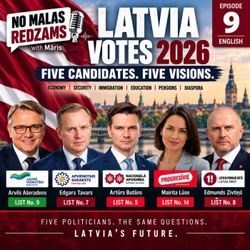
9. #9 Latvia Votes 2026 in English
44:37||Season 1, Ep. 9With Latvia’s 15th Saeima election on 3 October 2026, this episode of No Malas Redzams examines what five political candidates actually said when speaking directly with Latvians in Australia and New Zealand.Māris compares the answers from:Arvils Ašeradens — Jaunā Vienotība (New Unity), List No. 9 - https://en.wikipedia.org/wiki/New_UnityEdgars Tavars — Apvienotais saraksts (United List), List No. 7 - https://en.wikipedia.org/wiki/United_ListMairita Lūse — Progresīvie (The Progressives), List No. 14 - https://en.wikipedia.org/wiki/The_Progressives_(Latvia)Artūrs Butāns — Nacionālā apvienība (National Alliance), List No. 5 - https://en.wikipedia.org/wiki/Arturs_ButansEdmunds Zivtiņš — Latvija pirmajā vietā (Latvia First), List No. 8 - https://lv.wikipedia.org/wiki/Edmunds_ZivtinsThe questions go to the heart of Latvia’s future: a shrinking and ageing population, labour shortages, immigration, national and internal security, education, healthcare, pensions, economic growth, and Latvia’s relationship with its worldwide diaspora.What separates the parties? Where are their answers specific? Where do the numbers become less clear? And, perhaps most importantly, what didn’t they say?No one declares a winner, and no one recommends how to vote. Instead, this episode puts their answers side by side so listeners can hear the differences, examine the promises, and decide for themselves.Five politicians. The same questions. Five different approaches to Latvia’s future.Read the programmes. Check the promises. Look at the numbers. Then make your choice.Something to say? - email Māris - mansakams@nomalasredzams.com#NoMalasRedzams #LatviaElection2026 #Vēlēšanas2026 #15Saeima #LatvianPolitics #Latvija #LatvianDiaspora #JaunāVienotība #ApvienotaisSaraksts #Progresīvie #NacionālāApvienība #LatvijaPirmajāVietā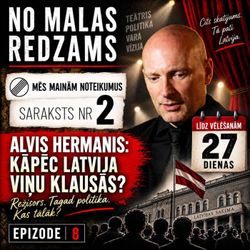
8. #8 KĀPĒC ALVI HERMANI LATVIJA KLAUSA?
20:16||Season 1, Ep. 8ALVIS HERMANIS: KĀPĒC LATVIJA VIŅU KLAUSĀS?Līdz 15. Saeimas vēlēšanām palikušas 27 dienas.Alvis Hermanis gadiem ir bijis viens no pazīstamākajiem Latvijas teātra režisoriem. Tagad režisors ir pārkāpis robežu starp skatuvi un politiku. Viņš vada ‘Mēs mainām noteikumus’, vēlēšanās startē ar 2. sarakstu un piedāvā mainīt ne tikai valdību, bet arī pašus Latvijas politikas noteikumus.Šajā epizodē Māris uz Hermani skatās no mazliet cita punkta. Arī pats nācis no teātra un filmas pasaules, viņš analizē ne tikai to, ko Hermanis saka, bet arī to, kā režisors veido savu politisko stāstu un vada auditorijas uzmanību.Ko īsti nozīmētu Hermaņa solītā ‘lielākā ģenerāltīrīšanas talka valsts pārvaldes vēsturē’? Un cik jauna patiesībā ir partija, kas sola mainīt veco sistēmu?Jo labs teikums vēl nav labs likums.Epizodes beigās Māris nonāk pie skaidra vērtējuma: Alvis Hermanis šobrīd ir labs Latvijas politiskajai konkurencei, bet viņš vēl nav pierādījis, ka būtu labs Latvijas vadīšanai.Un tad nonākam pie jautājuma, imigrācija. Hermanis un ‘Mēs mainām noteikumus’ piedāvā ļoti stingru trešo valstu imigrācijas ierobežošanu. Bet cik daudz imigrācijas Latvijai patiesībā vajag, un cik daudz tā var uzņemt, nezaudējot pati sevi?27 dienas līdz vēlēšanām. 2. saraksts. Viens no Latvijas pazīstamākajiem režisoriem tagad grib mainīt noteikumus.Kautkas sakams? - Raksti Mārim - mansakams@nomalasredzams.comALVIS HERMANIS: WHY IS LATVIA LISTENING TO HIM?Latvia’s 15th Saeima election is 27 days away.For years, Alvis Hermanis has been one of Latvia’s best-known theatre directors. Now the director has crossed the line between the stage and politics. He leads Mēs mainām noteikumus — ‘We Change the Rules’ — List No. 2, and is proposing not merely a change of government, but changes to the rules by which Latvian politics itself operates.Māris examines not only what Hermanis is saying, but how an experienced director constructs a political story and directs his audience's attention.What would Hermanis’s promised ‘biggest spring clean in the history of Latvia’s public administration’ actually mean? And how new is a political party promising to overthrow the habits of the old system?Because a good line is not necessarily a good law.27 days until the election. List No. 2. One of Latvia’s best-known directors now wants to change the rules.Alvis Hermanis, Mēs mainām noteikumus, 15. Saeimas vēlēšanas 2026, Saraksts Nr. 2 un Latvijas politika. No Malas Redzams 8. epizodē Māris analizē Alvja Hermaņa pāreju no teātra režijas uz politiku, viņa vēlēšanu reformas idejas, valsts pārvaldes reformu, politisko komunikāciju un imigrācijas politiku.Alvis Hermanis, Mēs mainām noteikumus, MMN, Saraksts Nr. 2, 15. Saeimas vēlēšanas, Saeimas vēlēšanas 2026, Latvijas vēlēšanas 2026, Latvijas politika, Latvijas politiskās partijas, vēlēšanu sistēma, vēlēšanu reforma, valsts pārvalde, birokrātija, Jaunais Rīgas teātris, JRT, Latvijas teātris, režisors politikā, Māris Caune, No Malas Redzams, Latvija, latvieši, latviešu valoda, Latvijas nākotne, imigrācija Latvijā, trešo valstu imigrācija, demogrāfija, diaspora, Latvian politics, Latvia election 2026, Alvis Hermanis politics#NoMalasRedzams #AlvisHermanis #MēsMaināmNoteikumus #MMN #Saraksts2 #Saeima #15Saeima #Vēlēšanas2026 #Latvija #LatvijasPolitika #Latvieši #JRT #ImigrācijaAlvis Hermanis, Mēs mainām noteikumus, MMN, List No. 2, Latvia election 2026, Latvian election, 15th Saeima, Saeima election 2026, Latvian politics, Latvia politics, Latvian political parties, electoral reform Latvia, Latvian electoral system, public administration Latvia, Latvian bureaucracy, New Riga Theatre, Jaunais Rīgas teātris, JRT, Latvian theatre, theatre director politics, Māris Caune, No Malas Redzams, Latvia, Latvians, Latvian language, future of Latvia, immigration Latvia, third-country immigration, Latvian demographics, Latvian diaspora, European politics
7. #7 Vai Latvijas politika kļūst par ģimenes biznesu?
21:38||Season 1, Ep. 7No Austrālijas Latvijas politika dažreiz izskatās citādi. Attālums ne vienmēr ļauj redzēt vairāk, bet reizēm tas ļauj pamanīt modeļus, pie kuriem Latvijā jau esam pieraduši.Šajā No Malas Redzams epizodē Māris uzdod neērtu jautājumu: vai Latvijas politikā sāk veidoties politiskās ģimenes, kurās pazīstams uzvārds, kontakti, partijas ietekme un gadiem uzkrāta atpazīstamība kļūst par mantojamu politisko kapitālu?Šleseri. Krištopani. Bartaševiči. Rubiki. Bojāri. Šķesteri. Klementjevi. Radniecība pati par sevi nav korupcija, un politiķa bērnam ir tādas pašas tiesības kandidēt kā jebkuram citam Latvijas pilsonim. Bet jautājums paliek: vai viņš tiešām sāk no tās pašas starta līnijas?Epizodē Māris aplūko arī partiju kontroli pār kandidātu sarakstiem, politisko uzvārdu vērtību, publiski finansētas mediju redzamības priekšrocības un Daugavpils piemēru. Un viņš uzdod jautājumu pašiem jauno politisko dinastiju pārstāvjiem: ja jums patiešām ir izglītība, spējas, enerģija un kontakti, kāpēc nesākt uzņēmumus, neradīt darbavietas un nepalielināt Latvijas bagātību, pirms doties pārvaldīt un pārdalīt valsts naudu?Noslēgumā skats kļūst vēl neērtāks: no padomju nomenklatūras un tās privilēģiju pārmantošanas līdz mūsdienu Krievijas elites bērniem, kuri ieņem ietekmīgus amatus Putina sistēmā.Latvija nav Padomju Savienība. Latvija nav Krievija. Un tieši tāpēc mums vajadzētu būt īpaši uzmanīgiem pret politisku kultūru, kurā pareizais tēvs, pareizais uzvārds un pareizie kontakti kļūst par tramplīnu uz varu.Viens jautājums vēlētājam varbūt pasaka visu: ja šim kandidātam būtu pavisam cits uzvārds, vai jūs joprojām par viņu balsotu?ENGLISHIs Latvian Politics Becoming a Family Business?When a surname becomes political capital, is everyone still starting from the same line?From Australia, Latvian politics can sometimes look different. Distance does not necessarily mean you see more, but sometimes it allows you to notice patterns that those living among them have simply grown accustomed to.In this episode of No Malas Redzams, Māris asks an uncomfortable question: is Latvia developing political families in which a famous surname, connections, party influence and decades of accumulated recognition become inherited political capital?The Šlesers family. The Krištopans family. The Bartaševičs family. The Rubiks family. The Bojārs family. The Šķesters family. The Klementjevs family. Family connections are not themselves evidence of corruption, and the child of a politician has exactly the same democratic right to stand for election as any other Latvian citizen. But the question remains: are they really starting from the same line?The episode examines party control over candidate lists, the value of political surnames, the electoral advantage potentially created by publicly funded media visibility, and the Daugavpils example. Māris also challenges the younger members of political families: if you really have the education, ability, energy, and connections attributed to you, why not build businesses, create jobs, and generate wealth for Latvia before entering politics to administer and redistribute public money?.Latvia is not the Soviet Union. Latvia is not Russia. And precisely because it isn't, Latvians should be especially wary of any political culture in which the right father, the right surname and the right connections become a springboard to power.Perhaps one question tells voters everything they need to know: if this candidate had a completely different surname, would you still vote for them?No Malas Redzams — Latvia as seen by a Latvian from the other side of the world.Latvijas politika, Saeima, Latvijas vēlēšanas, politiskās ģimenes Latvijā, politiskās dinastijas, Šlesers, Krištopans, Latvijas diaspora, Daugavpils politika, Latvian politics, Latvia political families, Latvian political dynasties, Latvia elections, Latvian diaspora, Soviet nomenklatura, political nepotism, Putin Russia.
6. #6 Kas Ir Nacionālisms?
32:07||Season 1, Ep. 6Vai valsts var kļūt vājāka pirms tiek zaudēta teritorija?Šajā epizodē Māris runā par vienu no svarīgākajiem, bet visretākiem jautājumiem pa Latvijas nākotni – nacionālo pašapziņu.Kāda ir atšķirība starp kritisku domāšanu un cinismu? Kā propaganda cenšas panākt lai mēs ticētu meliem, un arī lai mēs pārstātu ticēt paši sevI? Un kāpēc tieši latviešu diaspora bieži vien atgādina Latvijai tās pašas vērtību?No sarunām ar diasporas latviešiem līdz Latvijas vēstures piemēriem – šī ir epizode par cerību, atbildību un pārliecību, ka tautas nākotni nosaka ne tikai valdības vai armijas, bet arī cilvēku izvēles ikdienā.Jo valsti var nosargāt ne tikai ar ieročiem.To var nosargāt arī ar ticību.Kautkas sakams? - Raksti Mārim - mansakams@nomalasredzams.comAtslēgvārdiLatvija, latvieši, latviešu tauta, nacionālā identitāte, pašapziņa, patriotisms, diaspora, latvieši pasaulē, propaganda, Krievija, dezinformācija, demokrātija, pilsoniskā līdzdalība, Baltija, Baltijas valstis, kultūra, latviešu valoda, vēsture, No Malas Redzams, Māris🇬🇧 ENGLISHWhat Happens When a Nation Loses Faith in Itself?Why national confidence may be as important as defending a country's borders.Can a nation begin to weaken long before it loses any territory?In this episode of No Malas Redzams, Māris explores one of the least-discussed yet most important questions facing Latvia today: national confidence.What is the difference between healthy criticism and destructive cynicism? Why is modern propaganda often less interested in making people believe lies than in convincing them that nothing is worth believing? And why do Latvians living abroad so often remind Latvia of its own value?Drawing on conversations with members of the Latvian diaspora, historical reflections, and contemporary events, this episode examines how language, culture, civic participation, and belief in the future shape a nation's strength.Because a country isn't defended only by its military.Sometimes it is defended by the confidence of its own people.Got something to say? Email Māris - mansakams@nomalasredzams.comKeywordsLatvia, Latvians, Latvian identity, national confidence, patriotism, diaspora, Latvian diaspora, civic participation, democracy, propaganda, Russia, Baltic States, Estonia, Lithuania, culture, Latvian language, history, geopolitics, national resilience, No Malas Redzams, Maris.
5. #5 Patiesības Karš
27:57||Season 1, Ep. 5Vai propaganda tiešām cenšas panākt, lai mēs noticētu meliem?Varbūt nē.Varbūt tās īstais mērķis ir daudz bīstamāks, panākt, lai mēs vairs neticētu nekam.Šajā No Malas Redzams epizodē Māris pārunā vienu no mūsu laikmeta svarīgākajiem ieročiem, informāciju.Mūsdienu propaganda vairs neizskatās pēc padomju plakātiem vai skaļiem politiskiem saukļiem.Tā ienāk mūsu telefonos, sociālajos tīklos, video platformās un pat ikdienas sarunās.Kā darbojas dezinformācija?Kāpēc nogurums ir viens no efektīvākajiem ieročiem informācijas karā?Kādēļ Latvija atrodas ne tikai NATO austrumu robežā, bet arī patiesības frontes līnijā?Un ko katrs no mums var darīt, lai neļautu citiem domāt mūsu vietā?Šī nav epizode par Krieviju.Šī nav epizode par bailēm.Tā ir epizode par kritisko domāšanu.Par atbildību.Un par mūsu spēju saglabāt veselo saprātu tādos laikos, kad patiesība kļūst arvien grūtāk atrast.Jo propagandas lielākā uzvara nav tad, kad tu notici meliem.Tā ir tad, kad tu pārstāj meklēt patiesību.Šajā epizodē• Kāpēc mūsdienu propaganda vairs neizskatās pēc propagandas.• Kā informācijas karš izmanto emocijas, nogurumu un sociālos tīklus.• Kāpēc propagandas mērķis nav pārliecināt, bet radīt šaubas.• Latvija kā viena no patiesības frontes līnijām Eiropā.• Kā pasargāt sevi no dezinformācijas un manipulācijas.• Kāpēc kritiskā domāšana ir viena no svarīgākajām brīvības formām.Kautkas sakams? - Raksti Mārim - mansakams@nomalasredzams.comAtslēgvārdiNo Malas Redzams, Patiesības karš, propaganda, dezinformācija, informācijas karš, Krievijas propaganda, Latvija, latvieši, kritiskā domāšana, sociālie tīkli, mākslīgais intelekts, dziļviltojumi, demokrātija, Baltijas valstis, NATO, Eiropa, Latvijas drošība, nacionālā drošība, informatīvā telpa, medijpratība, mediji, patiesība, pilsoniskā līdzdalība, latviešu podkāsts, Māris.--------------------------------------------------------------------------------No Malas Redzams – Episode 5The War for TruthWhy propaganda isn't designed to make you believe lies.What if the real purpose of propaganda isn't to make you believe a lie?What if its real objective is something far more dangerous—to make you stop believing in anything at all?In this episode of No Malas Redzams, Māris explores one of the defining battlegrounds of the twenty-first century: information itself.Modern propaganda no longer looks like Soviet posters or loud political slogans. It arrives through social media, algorithms, influencers, memes, AI-generated content and endless streams of online information.Why is information overload becoming a weapon?How does propaganda exploit fatigue, anger and uncertainty?Why is Latvia not only on NATO's eastern frontier, but also on the front line of the battle for truth?And what can ordinary citizens do to protect themselves—and their country—from manipulation?This is not an episode about Russia alone.It is an episode about responsibility.Critical thinking.Media literacy.And the importance of refusing to let anyone else think on your behalf.Because propaganda wins not when you believe a lie.It wins when you stop searching for the truth.Got something to say? Write to Māris - mansakams@nomalasredzams.comKeywordsLatvia, Latvian podcast, No Malas Redzams, propaganda, information warfare, disinformation, misinformation, Russian propaganda, hybrid warfare, media literacy, critical thinking, democracy, NATO, Baltic States, Latvia security, social media manipulation, artificial intelligence, deepfakes, algorithms, truth, freedom of speech, civic responsibility, Latvian identity, geopolitics, Māris.