Share

News Sidequest Megafeed
News Sidequest - The 1960 doomsday prediction / Floodlighting on first dates / An 8-minute radio signal
•
It’s Friday the 13th, and a famous 1960 science paper says the world ends today. We explain the math, why it was wrong, and what happened to population growth. Then we look at “floodlighting,” the dating habit of sharing too much, too soon. And astronomers say they’ve figured out the source of a radio signal that pulses every eight minutes, and it wasn’t aliens. Plus a drop in home sales to a 16-year low, children’s fingerprints on 13,000-year-old clay figurines, a pair of Pacific atolls that may be some of the last wild ocean ecosystems, and the raccoon that got drunk and raised $290,000.
More episodes
View all episodes
News Sidequest - Rewiring traumatic memories / A salt swap that could save lives / We’re eating less turkey
10:18|Scientists are learning to rewire the brain, and some hope it could one day ease traumatic memories, so we separate the research from the sci-fi. A new study estimates that swapping regular salt for a potassium-enriched version could prevent nearly three million deaths a year worldwide, and we explain who should be careful. And with Thanksgiving nine days away, Americans are eating a lot less turkey than they used to. Plus a tattoo you can erase with a flashlight, an impulse buy that won $250,000, delivery drones and veterans with PTSD, and an injured owl rescued on a Florida campus.
Sidequests - The Mayflower Compact: An Agreement That Started America
11:12|The Pilgrims didn’t plan to land where they landed.After two months at sea, they arrived somewhere their original authorization didn’t quite cover — which created a problem nobody had anticipated. Without a clear legal framework, some passengers were already arguing that nobody had any authority over them.So before anyone set foot on shore, they did something that would echo through American history for the next four centuries.This episode of Sidequests tells the story of the Mayflower Compact — what it actually said, what it actually meant, and why the popular version of the story is both true and significantly oversimplified.
News Sidequest - Renting a mom for college / Brain implants that speak and sing / A six-month job hunt
10:46|New research shows brain implants helping people with ALS speak again, and one woman, a trained singer, was able to sing a musical scale. Parents are paying up to $2,500 to “rent a mom” for their college kids, and we look at what that gets them. And the average job hunt has reached about six months, with a look at what that means for your emergency fund. Plus the U.S. losing its measles elimination status, how many workers may skip work for the new Grand Theft Auto, a lost draft of “I Have a Dream,” and a town in North Macedonia facing 1,000 roaming cows.
Sidequests - Nellie Bly’s Race Around the World
10:09|In the late 19th century, there were things a woman simply wasn’t supposed to do.Travel alone. Chase dangerous stories. Push back against the people in charge.Nellie Bly did all of them. And then she did something that made the entire world stop and pay attention.The new episode of Sidequests tells her story — from the assignment that first made her famous to the race that made her legendary.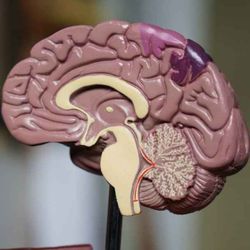
News Sidequest - Brain stacking vs. doomscrolling / Gratitude and health / Sleep paralysis, explained
09:45|A new TikTok trend called “brain stacking” swaps doomscrolling for books, puzzles, and other screen-free hobbies, and we look at what it can and can’t do. A study of more than 148,000 people finds gratitude goes with better health, and the reason may be feeling supported. And we explain sleep paralysis, why it happens, and what helps. Plus the young Americans driving the prenup boom, a new look at a 3-million-year-old child’s fossil, why mosquitoes pick favorites, and what coffee may do to your gut bacteria.
News Sidequest - Morning dread, bedtime worry / Did cavemen keep souvenirs? / When kindness is expected
10:36|New research ties dreading the workday to worrying about work at bedtime, and what may break the cycle. Archaeologists argue that early humans may have saved pebbles and old tools as souvenirs hundreds of thousands of years ago. And a study finds that kindness earns far less credit when people expect it. Plus a lost O’Keeffe found behind fur coats in a Manhattan closet, the first “disappearing planet,” a physicist’s argument that time is real, and science’s finding that your cat meows to get you to fix things.
Sidequests - How World War I Finally Ended
11:07|On the morning of November 11, 1918, the most destructive war the world had ever seen came to an end.Except it didn’t. Not exactly.There’s something about those final hours that the standard historical narrative tends to gloss over — something that, once you know it, makes the whole story feel different. More complicated. More human. More tragic.This episode of Sidequests tells the story of how World War I actually ended. Not the way we remember it. The way it actually happened.
News Sidequest - A $35 Roman bust at Goodwill / Money secrets we keep / Does revenge feel good?
10:06|A Texas antiques dealer spots a marble head on the floor of an Austin Goodwill, pays $34.99, and learns it’s about 2,000 years old and missing from a German palace. A new survey finds 59% of Americans are keeping a financial secret from someone close to them, from bad credit to hidden gambling. And we look at what the research says about small acts of revenge. Plus a cruise ship pianist who spent about nine hours in the Pacific before fishermen found him, a vanity plate that came with $40,000 in tickets, a cannabis discovery in a 2,800-year-old tomb, and a cow that wouldn’t be caught.