Share
The Neurodiversity Voices Podcast
From the Archives: Different by Design — Autism, Neurodivergent Identity & Self-Discovery with Tamsyn Hawken
What happens when you stop trying to fit in and begin embracing who you truly are?
In this archived episode of The Neurodiversity Voices Podcast, host Paul Cruz and former volunteer co-host Letara Couto sit down with Tamsyn Hawken, a mental health mentor supporting university students across the UK.
Together, they explore autism, ADHD, identity, belonging, unmasking, representation, and the often complicated journey toward understanding yourself.
Drawing from her lived experience as a queer neurodivergent woman, Tamsyn shares how growing up in a rural village shaped her understanding of herself and how limited representation contributed to a delayed recognition of her own neurodivergence.
She reflects on receiving autism and ADHD diagnoses, learning to unmask, developing self-advocacy, and finding spaces where people can safely explore and embrace their identities.
At the heart of the conversation is Tamsyn’s powerful metaphor of being a zebra among horses—an image that captures what it can feel like to move through a world built around expectations that don’t quite fit.
But understanding that you are a zebra can change the story.
What once felt like failure to fit in can become an opportunity for self-understanding, connection, empowerment, and belonging.
In this conversation:
• Autism, ADHD, and later self-discovery
• Neurodivergent identity and unmasking
• Queer Neurodivergent experiences
• Representation and belonging
• Self-advocacy and personal growth
• Supporting Neurodivergent students in higher education
• Systemic barriers within academia
• Building inclusive and affirming communities
• Self-kindness and self-acceptance
Why We’re Replaying This Conversation
Many Neurodivergent people spend years feeling different without having the language or representation to understand why.
Tamsyn’s story is a reminder of the importance of community, representation, self-understanding, and spaces where people can explore their identities without judgment.
It is also a conversation about moving away from the pressure to become someone else—and toward understanding the person who was there all along.
This replay also recognizes the contribution of Letara Couto, who joined Paul as a volunteer co-host for the original conversation.
About Tamsyn Hawken
Tamsyn Hawken is a mental health mentor supporting university students throughout the UK. Through mentoring, advocacy, and educational programs focused on self-advocacy and empowerment, she helps Neurodivergent individuals build confidence, navigate challenges, and celebrate their authentic selves.
Key Takeaway
You may experience and move through the world differently from the people around you.
Understanding those differences—and meeting yourself with greater kindness—can create space for advocacy, connection, belonging, and authentic living.
If this conversation resonates with you, subscribe to The Neurodiversity Voices Podcast, leave a review, and share the episode with someone navigating their own journey of Neurodivergent self-discovery.
Featuring: Tamsyn Hawken
Host: Paul Cruz
Volunteer Co-Host: Letara Couto
Topics: Autism, ADHD, Neurodiversity, Neurodivergent identity, unmasking, self-discovery, belonging, queer Neurodivergent experiences, higher education, self-advocacy, Tamsyn Hawken, Neurodiversity Voices
Please like, rate, subscribe, or share our episodes with someone you care about. And follow us so you never miss an episode.
Support Us: https://www.neurodiversityvoices.com/_paylink/5LATf9TZS8ZR
Now on Apple TV 4K!
Watch our video podcast episodes on Apple Podcasts on supported Apple TV 4K devices across Canada and internationally.
You can also watch our video episodes through the Apple Podcasts app on your iPhone, iPad, and Mac or directly through the Apple Podcasts web player.
Coming soon, our video episodes in Apple Podcasts will be available on the Apple TV app, without an Apple TV subscription.
Watch now. Listen. Connect. Join the conversation!
Hosted by Paul Cruz.
Main Website: www.neurodiversityvoices.com
More episodes
View all episodes
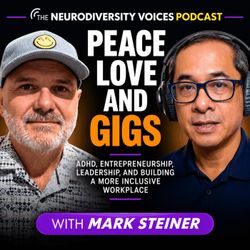
20. Peace, Love, and Gigs: A Founder's Journey to Self-Acceptance
01:08:28||Season 2, Ep. 20What happens when a successful entrepreneur discovers, at 57, that he's been living with ADHD his entire life?In this episode of The Neurodiversity Voices Podcast, Paul Cruz sits down with Mark Steiner, founder of GigSalad, to explore an extraordinary journey through entrepreneurship, late-diagnosed ADHD, leadership, and personal transformation.From working on the set of When Harry Met Sally to building an event marketplace serving performers and event organizers across North America, Mark's professional journey has been anything but conventional.But behind the business success is a deeply personal story.Mark shares how his ADHD diagnosis helped him better understand decades of experiences, how emotional intelligence shaped his approach to leadership, and why creating a workplace where people feel valued has always mattered to him.The conversation also explores his experience as an adoptee, his evolving relationship with self-worth, and the meaning behind his personal philosophy: Peace, Love, and Gigs.Together, Paul and Mark consider what it means to lead with empathy, embrace different ways of thinking, and discover a more authentic sense of self.In this conversation:Discovering ADHD later in lifeCreativity, entrepreneurship, and unconventional career pathsEmotional intelligence and human-centred leadershipBuilding workplaces that value NeurodiversityAdoption, identity, and belongingSelf-acceptance, purpose, and personal growthConnect with Mark:www.thinkupon.comwww.gigsalad.comBecause understanding Neurodiversity isn't just about recognizing differences. It's also about creating the conditions in which people can understand themselves, contribute meaningfully, and thrive.Join Us at Make Change Market — November 20, 2026!The Neurodiversity Voices Podcast is excited to return to Make Change Market, hosted by Employ to Empower!Join us for an evening of community connection, creativity, entrepreneurship, and meaningful conversations.Friday, November 20, 20265:00 PM – 9:00 PM (Pacific Time)Heritage Hall, 3102 Main Street, Vancouver, BCFree AdmissionThis year's theme, Together We Build, celebrates the power of community, inclusion, and supporting entrepreneurs who face systemic barriers.Stop by The Neurodiversity Voices Podcast booth, say hello, and share your perspective on what Neurodiversity means to you.We're looking forward to connecting with listeners, meeting new people, and continuing important conversations about lived experiences, accessibility, and inclusion.Let's build empowered communities — together!Event details and free RSVP: https://www.eventbrite.ca/e/make-change-market-tickets-2003380960382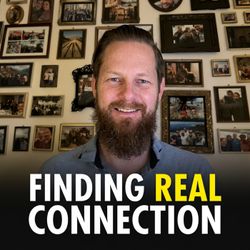
19. Finding Genuine Connection in Modern Life with Pieter Niemann
39:26||Season 2, Ep. 19What does it mean to be genuinely known by another person?In this episode of The Neurodiversity Voices Podcast, Paul Cruz sits down with author Pieter Niemann for a thoughtful conversation about identity, autism, dating, loneliness, authenticity, and meaningful human connection.Pieter is the author of Swiping for Something Real, a book about dating, connection, and the deeper questions people ask while looking for love. His writing grew out of recurring conversations with friends and others who kept returning to similar questions about relationships, identity, and belonging.The conversation begins with Pieter’s belief that questions can sometimes be more powerful than answers. Rather than telling people how to live, he is interested in helping them examine their own thinking and arrive at answers that fit their own lives.Pieter also reflects on receiving an autism diagnosis later in life. He explains how the diagnosis gave him language for earlier experiences involving communication, relationships, and belonging, while reinforcing his view that autism is an important part of who he is without defining his entire identity.A central theme of the episode is the difference between being wanted and being known.Pieter explores why attention, attraction, and validation can feel powerful without necessarily creating a genuine connection. Being known, he suggests, is slower and deeper. It involves curiosity, presence, shared experience, and a willingness to understand another person beyond the surface.Paul and Pieter also discuss why people sometimes pursue relationship titles instead of relationships themselves, how loneliness can shape dating choices, and what genuine curiosity about another person looks like in practice.The conversation then turns to authenticity. Pieter reflects on the difference between putting your best foot forward and performing a version of yourself to be liked. His example of pretending to enjoy hiking becomes a larger discussion about self-editing, acceptance, and the fear that our real selves may not be enough.The episode also explores the difference between loneliness and solitude, why being single should not be treated as a waiting room, and what Neurodivergent perspectives can teach the wider world about clearer communication, self-acceptance, and relationships.In this episodeQuestions as a tool for self-explorationIdentity beyond labelsReceiving an autism diagnosis later in lifeSelf-compassion and understanding past experiencesBeing wanted versus being knownAttention, validation, and genuine connectionWhy do people sometimes chase relationship titlesCuriosity as the foundation of connectionAuthenticity, performance, and self-editingLoneliness versus solitudeBeing single as a season rather than a waiting roomNeurodivergent communication and directnessSelf-acceptance and relationshipsAbout Swiping for Something RealPieter Niemann’s Swiping for Something Real explores dating, identity, connection, and the questions we ask ourselves while searching for love.The book launches Thursday, October 22, at 18:00 Zurich time / 12:00 New York time.This episode releases on October 21, one day before the launch.Connect with PieterWebsite: pieterniemann.comBook: Swiping for Something RealInstagram: https://www.instagram.com/pieter_niemann_authorLinkedIn: https://www.linkedin.com/in/pieter-niemann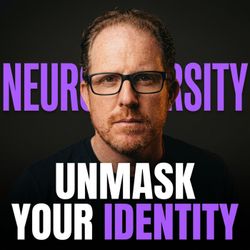
18. ADHD, Masking, Creativity, and Finding Your People with Daniel Curtis
01:19:14||Season 2, Ep. 18In Recognition of ADHD Awareness MonthWhat if an ADHD diagnosis didn't change who you are—but finally helped you understand who you've always been?In this powerful episode of The Neurodiversity Voices Podcast, host Paul Cruz welcomes Daniel Curtis—author, educator, composer, speaker, and advocate—for an honest conversation about adult ADHD, autism, identity, and the lifelong journey of self-discovery.Diagnosed with ADHD as an adult after his son was diagnosed with ADHD and autism, Daniel reflects on growing up feeling different, navigating bullying, masking, anxiety, and low self-worth, and how receiving a diagnosis brought validation, self-compassion, and a deeper understanding of himself.Together, Paul and Daniel explore how labels shape identity, why so many neurodivergent people feel pressured to hide who they are, and what it truly means to live authentically. Daniel also shares how music became his safe place, why community is essential for healing, and how schools can better support neurodivergent students by listening to student voices and recognizing individual strengths.Whether you're neurodivergent, a parent, educator, mental health professional, or someone searching for greater self-understanding, this conversation offers hope, encouragement, and practical insights for embracing your authentic self.In This EpisodeReceiving an adult ADHD diagnosisUnderstanding masking and neurodivergent identityADHD, autism, and self-discoveryOvercoming bullying and rebuilding self-worthThe lasting impact of labels and criticismWhy community is essential for neurodivergent well-beingSupporting neurodivergent children in educationStudent voice and inclusive classroomsCreativity, confidence, and finding purposeParenting an autistic and ADHD childLiving authentically and embracing neurodiversityFeatured GuestDaniel Curtis is an author, educator, composer, speaker, and advocate whose work explores authenticity, neurodiversity, resilience, and personal growth. His upcoming memoir, Who Were You Before the World Told You Who to Be?, encourages readers to reconnect with their true identity beyond labels, expectations, and self-doubt.Website: www.danielcurtishq.comBook: Who Were You Before the World Told You Who to Be? (Available for pre-order) https://www.danielcurtishq.com/bookAdult ADHD • ADHD diagnosis • Adult autism • Neurodiversity • Neurodivergent • ADHD awareness • Autism awareness • ADHD in adults • Late diagnosis • Masking • Authenticity • Identity • Self-discovery • Self-acceptance • Mental health • Anxiety • Bullying • Self-worth • Emotional resilience • Parenting ADHD • Parenting autism • Neurodivergent parenting • Inclusive education • Student voice • Special education • Occupational therapy • Creativity • Personal growth • Community • Belonging • Daniel Curtis • Paul Cruz • The Neurodiversity Voices Podcast
17. From the Archives: What Happens When Healing Begins With Finally Being Yourself?
45:57||Season 2, Ep. 17What happens when healing begins not with changing who you are, but with finally understanding and accepting yourself?In this episode of The Neurodiversity Voices Podcast, host Paul Cruz sits down with Dr. Craig Wells, D.O., for a conversation about Neurodivergent identity, unmasking, trauma recovery, relationships, parenting, burnout, and the lifelong process of self-discovery.Drawing from both lived experience and professional practice, Dr. Wells explores what can happen when Neurodivergent people spend years trying to adapt to systems, expectations, and relationships that do not always make room for the way they naturally think, communicate, feel, and connect.Together, Paul and Craig discuss the emotional cost of masking, the impact of burnout, the importance of communication and relationship repair, and what it can mean to reconnect with parts of ourselves that may have been hidden for years.At the heart of the conversation is a powerful idea:Healing is not necessarily about becoming someone new. Sometimes it begins with allowing yourself to become more fully who you already are.In This EpisodeAutism, ADHD, and Neurodivergent IdentityThe emotional impact of maskingUnmasking and authentic livingTrauma recovery and emotional healingNeurodivergent burnout and recoveryCommunication and relationship repairParenting Neurodivergent ChildrenBuilding meaningful and supportive relationshipsSpirituality, self-discovery, and personal growthChallenging common assumptions about NeurodivergenceReconnecting with identity after years of adapting to othersConnection CraftDr. Wells discusses Connection Craft, his relationship-centred approach to helping individuals and couples build stronger, healthier, and more supportive connections through Neurodiversity-affirming practices.The conversation explores how relationships can change when people move away from rigid expectations and toward greater curiosity, communication, understanding, and authenticity.Why This Conversation MattersMany Neurodivergent people spend years learning how to appear acceptable, capable, or “normal” while hiding the amount of effort it takes to do so.Over time, that can affect identity, relationships, emotional well-being, and the ability to recognize one's own needs.This episode asks what becomes possible when we begin moving away from masking and toward self-understanding, self-acceptance, and authentic connection.Featured TopicsInner Essence Activation and approaches to healingHypnosis and energetic alignment in conversations about Neurodivergent burnoutCommunication and repair in queer and Neurodivergent relationshipsSomatic approaches to changeThe intersection of spirituality, energetics, and modern medicineConnect with Dr. Craig WellsWebsite:connectioncraft.orgFree 15-Minute Discovery Call:connectioncraft.orgInstagram:@drcraigconnectioncraftTikTok:@drcraigconnectioncraftYouTube:@drcraigconnectioncraftFacebook:drcraigconnectioncraftKey TakeawayHealing can begin with self-discovery.For many Neurodivergent people, unmasking may be part of learning to recognize their needs, reclaim their identity, and build relationships in which they do not have to constantly perform to belong.If you enjoyed this episode, subscribe to The Neurodiversity Voices Podcast, leave a review, and share the conversation with someone navigating Neurodivergent identity, relationships, burnout, or self-discovery.Topics: Autism, ADHD, Neurodiversity, Neurodivergent identity, unmasking, burnout recovery, trauma healing, relationships, mental health, authenticity, self-discovery, Dr. Craig Wells, Connection Craft, The Neurodiversity Voices Podcast
12. From the Archives: People Aren’t Broken — They Need Systems That Work for Their Brains
30:08||Season 2, Ep. 12What if executive-functioning struggles are not signs of laziness, failure, or lack of discipline—but signals that the systems around us are not working?In this episode of The Neurodiversity Voices Podcast, host Paul Cruz sits down with executive-functioning coach and Social Bloom founder Lisa Shanken for a practical conversation about ADHD, emotional regulation, follow-through, accountability, connection, and building systems that support the way a person’s brain actually works.Lisa explains that executive functioning reaches far beyond organization.It can affect how we start tasks, follow through, regulate emotions, shift between priorities, make decisions, adapt to change, and maintain relationships.Together, Paul and Lisa explore why knowing what to do is not always the same as being able to do it, why implementation can be harder than planning, and how accountability can help bridge the gap between intention and action.They also discuss loneliness and isolation among Neurodivergent adults and why a structured, supportive community can be an important part of wellbeing.At the heart of the conversation is a simple idea:People are not broken. Sometimes the system needs to change.About Lisa ShankenLisa Shanken is an executive-functioning coach and founder of Social Bloom.Through her coaching and community work, she helps individuals develop practical strategies for executive functioning while also creating opportunities for authentic connection, social confidence, and belonging.Her approach focuses on helping people understand their patterns and build systems that are realistic, supportive, and sustainable.Connect with Lisa ShankenWebsite:lisashanken.comA free consultation can also be scheduled through her website.Topics: ADHD, executive functioning, Neurodiversity, Neurodivergent adults, emotional regulation, accountability, cognitive flexibility, community, loneliness, belonging, Social Bloom, Lisa Shanken, The Neurodiversity Voices Podcast
10. From the Archives: What Becomes Possible When Students Are Truly Seen, Valued, and Supported?
26:31||Season 2, Ep. 10What changes when education begins with connection instead of compliance?In this episode of The Neurodiversity Voices Podcast, host Paul Cruz is joined by educator, advocate, speaker, and self-described “Neurodiva” Dr. Shani Challenor for a deeply personal conversation about Neurodivergence, education, faith, belonging, identity, and the power of human connection.Dr. Shani reflects on her journey as a trained dancer, special and general education teacher, adjunct professor, mother, and advocate.She also shares how receiving diagnoses of ADHD, anxiety, and depression while completing her doctorate changed the way she understood both herself and the students she serves.Together, Paul and Dr. Shani explore why meaningful education cannot be built on compliance alone.They discuss the role of movement, creativity, and relationship in learning, the emotional realities families often face when navigating school systems, and what educators can do when students are overwhelmed, misunderstood, or repeatedly viewed through a deficit-based lens.At the heart of the conversation is a simple but powerful idea:Students are more likely to thrive when they feel seen, valued, understood, and connected.Connection Before ComplianceOne of the central themes of the conversation is the idea that behavior cannot always be understood without first understanding the person.Dr. Shani discusses why connection, trust, and relationship can be more meaningful starting points than simply asking a student to comply.That does not mean removing expectations.It means creating the conditions in which students are more able to engage, communicate, regulate, learn, and grow.Movement, Creativity, and LearningDrawing on her background in dance and education, Dr. Shani explores the role movement and creativity can play in helping students access learning.For some learners, sitting still, listening quietly, and processing information in one prescribed way may not be the most effective path.This conversation encourages a broader view of what participation and learning can look like.Intersectionality, Identity, and AdvocacyDr. Shani also reflects on navigating Neurodivergence as a Black woman and the importance of recognizing that identity is never experienced in isolation.Her story highlights the ways race, gender, Neurodivergence, education, family, and faith can intersect and shape how people are perceived and supported.Faith remains an important part of her advocacy and sense of purpose, influencing how she approaches resilience, leadership, and service.Why This Conversation MattersToo many Neurodivergent students spend years being described primarily by what they struggle with.They may be labeled difficult, inattentive, disruptive, unmotivated, or noncompliant without enough attention being paid to what they are communicating through those behaviors.This episode asks what might change if educators and systems became more curious.Instead of asking:“How do we make this student comply?”We might begin asking:“What does this student need to feel safe, connected, and able to learn?”That shift can change not only academic outcomes, but also confidence, belonging, and identity.About Dr. Shani ChallenorDr. Shani Challenor is an educator, advocate, speaker, and founder of The Challenor Challenge.Her work focuses on shifting spaces, mindsets, and systems so that Neurodivergent individuals and all learners can be more genuinely included, valued, and supported.Her approach brings together education, storytelling, creativity, lived experience, and advocacy.Connect with Dr. ShaniInstagram:@DRSHANICHALLENORTopics: Neurodiversity, ADHD, Neurodivergent students, inclusive education, special education, accessibility, belonging, movement, creativity, intersectionality, advocacy, faith, Dr. Shani Challenor, The Challenor Challenge, The Neurodiversity Voices Podcast
9. From the Archives: What If the Problem Isn’t a Student’s Ability to Learn, but the Tools They’re Given?
22:00||Season 2, Ep. 9What changes when we stop assuming a struggling student lacks ability and start asking whether they have the right strategies, systems, and support?In this episode of The Neurodiversity Voices Podcast, host Paul Cruz sits down with Dr. Emily Levy, founder of EBL Coaching, for a practical conversation about executive functioning, ADHD, dyslexia, learning strategies, and building greater confidence and independence in Neurodivergent learners.Drawing on years of experience supporting students with ADHD, dyslexia, and executive-functioning challenges, Dr. Levy shares concrete approaches that parents, educators, and students can use to make learning more manageable and effective.The conversation moves beyond broad advice and into specific tools for organization, time management, reading, writing, planning, and self-awareness.At the heart of the episode is an important idea:Neurodivergent learners do not need lower expectations. They need better access to the tools that help them succeed.Why This Conversation MattersMany Neurodivergent students spend years being told to try harder when the real issue may be that the strategies they have been given do not match the way they learn.That mismatch can affect more than grades.It can affect confidence.It can shape identity.And it can lead students to believe they are less capable than they actually are.This episode asks what can change when support becomes more specific, practical, and individualized.Instead of asking:“Why can’t this student do it?”We can begin asking:“What tool, strategy, or support would make this task more accessible?”Who This Episode Is ForThis conversation may be especially useful for:Parents of Neurodivergent learnersEducators and classroom teachersLearning specialists and tutorsStudents with ADHD or dyslexiaSchool support staffProfessionals interested in executive functioning and learning differencesLearn More About Dr. Emily Levy & EBL CoachingWebsite:EBLCoaching.comThere you can find:Articles and educational resourcesProgram informationAdditional interviews and podcastsExecutive-functioning and learning support resourcesFollow EBL CoachingInstagram:@ebl_coachingFacebook:facebook.com/EBLCoachingLinkedIn:linkedin.com/in/emilylevyKey TakeawayA struggling learner is not necessarily an incapable learner.When students are given strategies that match how they process information, they can build stronger skills, greater independence, and more confidence in their ability to learn.The goal is not to reduce expectations.It is to remove unnecessary barriers between the learner and what they are capable of doing.If you enjoyed this episode, subscribe to The Neurodiversity Voices Podcast, leave a review, and share the conversation with a parent, educator, student, learning specialist, or advocate.Topics: ADHD, dyslexia, executive functioning, Neurodiversity, Neurodivergent learning, education, learning strategies, Orton-Gillingham, organization, time management, parenting, teaching, Dr. Emily Levy, EBL Coaching, The Neurodiversity Voices Podcast6. From the Archives: What Happens When You Finally Understand Yourself After Years of Feeling Misunderstood?
11:25||Season 2, Ep. 6What changes when experiences that once felt confusing, isolating, or deeply personal finally have a name?Gabe, a producer based in Vancouver who grew up in France, reflects on receiving an ADHD diagnosis at 29 and how it helped him reinterpret experiences he had carried for years.Instead of continuing to see those experiences only through the lens of personal shortcomings, the diagnosis gave him another way to understand how his brain works—and an opportunity to approach himself with greater compassion.Stacey, who was diagnosed autistic at 35, shares a deeply personal reflection addressed to her younger self.Her words explore masking, sensory overwhelm, belonging, and what it means to look back at earlier versions of ourselves with the understanding we have today.Together, Gabe and Stacey’s stories show that a later-life diagnosis does not rewrite the past.But it can change the way we understand it.At the heart of this conversation is a powerful idea:Sometimes the person we most need to understand and forgive is the person we used to be before we had the language to understand ourselves.Two Different Stories, A Shared ExperienceGabe and Stacey arrive at self-understanding through different experiences, but both describe what can happen when a diagnosis provides context for parts of life that previously felt difficult to explain.For Gabe, an ADHD diagnosis helped him reconsider years of frustration and misunderstanding.For Stacey, an autism diagnosis offered a new perspective on masking, sensory experiences, and the ways she had tried to adapt to belong.Their stories remind us that diagnosis can be more than a clinical label.For some people, it can provide language.It can provide validation.And it can create an opportunity to revisit the past with greater compassion.Why This Conversation MattersMany adults reach adulthood without recognizing themselves in traditional descriptions of ADHD or autism.They may instead grow up believing they are too sensitive, too distracted, too difficult, not trying hard enough, or simply different without understanding why.Receiving a diagnosis later in life cannot undo those experiences.But understanding can change the story we tell ourselves about them.Instead of asking:“What was wrong with me?”A different question becomes possible:“What did I need that I didn't yet understand?”Memorable ReflectionsGabe reflects on wishing he could tell his younger self not to feel ashamed of the way his brain works.Stacey’s message to her younger self carries a similar sense of recognition and compassion:“I see you now. I’m holding you. I understand you now.”Together, those reflections capture one of the central themes of the episode: the importance of extending understanding backward as well as forward.Key TakeawayUnderstanding yourself can change the way you understand your entire life.A late diagnosis may bring grief for what might have been different, but it can also bring language, validation, connection, and greater compassion for the person you have always been.Every voice matters—especially voices that have spent years feeling unheard or misunderstood.If this episode resonates with you, subscribe to The Neurodiversity Voices Podcast, leave a review, and share the conversation with someone navigating late diagnosis, Neurodivergent identity, masking, belonging, or self-discovery.Topics: Autism, ADHD, late diagnosis, Neurodiversity, Neurodivergent identity, masking, sensory overwhelm, self-acceptance, self-compassion, belonging, Gabe Galand, Stacey Smith, The Neurodiversity Voices Podcast8. From the Archives: What Does True Access Look Like When Disabled People Help Design It?
46:12||Season 2, Ep. 8What changes when accessibility is treated not as an afterthought, but as something built into the way we design classrooms, events, communities, and movements?In this episode of The Neurodiversity Voices Podcast, host Paul Cruz sits down with Andrew Letchuk—an autistic, disabled, and Neurodivergent advocate, writer, and podcaster—for a conversation about disability justice, representation, access, identity, and the importance of listening to disabled expertise.Andrew shares his journey through special education, diagnosis, and post-secondary accommodations, and reflects on how those experiences shaped the way he understands disability and advocacy.Together, Paul and Andrew explore the difference between disability rights and disability justice, the limits of representation that relies on stereotypes, and what it means to create access from the beginning rather than adding it later.The conversation also looks at how disability justice can move beyond policy and become part of everyday choices, relationships, creative work, education, and community-building.At the heart of the episode is a simple but important idea:Access works best when disabled people are not just included in the conversation, but help shape it from the start.Disability Rights and Disability JusticeAndrew discusses the distinction between disability rights and disability justice.While disability rights often focus on legal protections, accommodations, and formal access, disability justice asks broader questions about power, inclusion, community, intersectionality, and whose needs are considered from the beginning.The conversation explores why access cannot be reduced to a checklist.It also requires listening.It requires trust.And it requires recognizing disabled people as experts in their own experiences.Why This Conversation MattersAccessibility is often treated as something to add after a space, event, classroom, or system has already been designed.But when access is considered too late, disabled people are often the ones expected to adapt.This conversation asks what might change if accessibility were built into the process from the beginning.It also challenges the idea that inclusion is simply about being present.True inclusion asks whether people can participate meaningfully, communicate in ways that work for them, and influence the spaces they are part of.Representation and MediaAndrew also reflects on how autism and disability are portrayed in the media.Stereotypes can narrow public understanding and make it harder for people whose experiences do not fit familiar narratives to feel recognized.More authentic representation begins by making room for complexity, contradiction, and lived experience rather than relying on a single version of what disability or autism is supposed to look like.Connect with Andrew LetchukOur Voices Podcast:Our Voices: Conversations of DisabilityDisability on the Street Blog:andywrites27.wordpress.comFUTURES Program:The AccessStudio — FUTURESTangled Art + Disability:tangledarts.orgThe Disability Collective:thedisabilitycollective.comKey TakeawayDisability justice is not only about access to spaces.It is about who gets listened to, who gets believed, who gets included in decisions, and who gets to shape the systems that affect their lives.When we treat disabled people as experts rather than afterthoughts, accessibility becomes more meaningful, more practical, and more human.If you enjoyed this episode, subscribe to The Neurodiversity Voices Podcast, leave a review, and share the conversation with someone interested in disability justice, Neurodiversity, accessibility, representation, or inclusive design.Topics: Disability justice, disability rights, Neurodiversity, autism, accessibility, inclusion, lived experience, representation, special education, accommodations, disability advocacy, Andrew Letchuk, The Neurodiversity Voices Podcast