Share
Nature Podcast
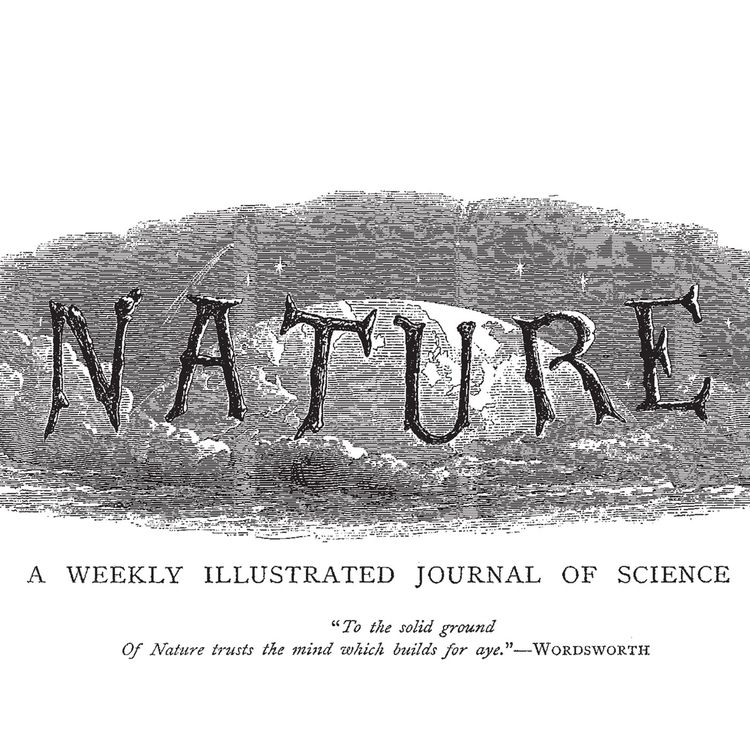
Nature PastCast, July 1942: Secret science in World War 2
This episode was first broadcast in July 2013.
This year, Nature celebrates its 150th birthday. To mark this anniversary we’re rebroadcasting episodes from our PastCast series, highlighting key moments in the history of science.
During the Second World War, scientists worked on secret projects such as the development of radar. Their efforts were hinted at in the pages of Nature but the details, of course, couldn't be published. In this episode, historian Jon Agar explains how war work gave physicists a new outlook and led to new branches of science. We also hear from the late John Westcott, whose wartime job was to design radar systems.
From the archive
Nature Volume 150 Issue 3794, 18 July 1942
Sound effects courtesy of daveincamas, piet.candeel@pandora.be, guitarguy1985 and acclivity at freesound.org
More episodes
View all episodes
Briefing Chat: An invisible tattoo that appears under UV light – and then disappears
09:33|In this episode:00:15 An appearing, disappearing tattoo inkNature: Watch this invisible tattoo appear under UV light04:13 How the epigenome could help explain why big dogs age fasterNature: Big dogs age faster than little ones — rogue ‘jumping genes’ might be to blameSubscribe to Nature Briefing, an unmissable daily round-up of science news, opinion and analysis free in your inbox every weekday.
The world is closer to a major conservation target than scientists thought
21:37|Analysis suggests number of protected areas is hugely underestimated but biodiversity is still in peril — plus, a huge study looking at the health effects of brown fat.00:45 The world may have more conservation areas than previously thoughtResearch Article: O’Neill et al.08:38 Research HighlightsNature: The Solar System could die one billion times earlier than thoughtNature: Chimp and gorilla brains resist weight loss with age — unlike human brains11:19 Giant study expands list of brown fat’s health benefitsResearch Article: Gómez-Banoy et al.Nature: Overlooked 'brown' body fat linked to wide range of health benefitsSubscribe to Nature Briefing, an unmissable daily round-up of science news, opinion and analysis free in your inbox every weekday.
Briefing Chat: Top researchers are being misled by sham academic societies
12:50|In this episode we discuss a recent Nature exclusive investigating an international constellation of sham academies and societies that have successfully misled some of the world’s leading scientists and universities.Nature: Exclusive: Sham scientific societies are misleading star researchersSubscribe to Nature Briefing, an unmissable daily round-up of science news, opinion and analysis free in your inbox every weekday.Nobel Prizes 2026: ‘ghost’ particles, mirror molecules and light switches in the brain
23:31|In this episode:00:45 The Nobel Prizes 2026Nature: Medicine Nobel awarded for brain ‘switch’ that controls neurons with lightNature: ‘What took them so long?’ This year’s medicine Nobel winner is overdueNature: Nobel physics prize awarded for detection of cosmic neutrinosNature: Astronomy’s ‘adrenaline junkies’: Nobel prize captures the thrill of neutrino physicsNature: Chemistry Nobel for solving mystery of how ‘handed’ organic molecules can emerge11:53 Research HighlightsNature: Youthful fans of YouTube sports videos stick to the sofaNature: A black hole’s jets have a halo effect14:11 The ancient human gut microbiomeResearch Article: Carter et al.News and Views: Gut microbes that trace ancient human journeysSubscribe to Nature Briefing, an unmissable daily round-up of science news, opinion and analysis free in your inbox every weekday.
‘Learning about physics changed my life’: author Hernan Diaz on his new novel Ply
32:19|In this episode, we speak with Hernan Diaz whose most recent novel Ply blends a vision of a dystopian future with questions about selfhood and asks whether advanced physics could be used to unravel the fabric of spacetime itself.Ply Hernan Diaz Picador (2026)Music supplied by SPD/Triple Scoop Music/Getty ImagesNever miss an episode. Subscribe to the Nature Podcast on Apple Podcasts, Spotify, YouTube Music or your favourite podcast app. An RSS feed for the Nature Podcast is available too.These optical illusions are why butterflies are so hard to catch
18:01|High-speed footage of takeoffs reveal that the butterfly markings mislead the eye, making them harder to catch.00:45 Butterflies in flight create confusing motion cues that baffle birdsResearch Article: Hancock et al.14:09 Research HighlightsResearch Article: Menezes and PodosResearch Highlight: Huge hoard of metal bars hints at vast Iron Age tradeSubscribe to Nature Briefing, an unmissable daily round-up of science news, opinion and analysis free in your inbox every weekday.
Briefing Chat: Why scientists made papyrus scrolls, then burnt them
11:32|In this episode00:23 How detecting lead could help researchers read damaged Roman scrollsNature: Watch scientists decipher burned scrolls without unrolling them06:42 A biodegradeable, paper-inspired batteryNature: Edible batteries power medical devices in the bodySubscribe to Nature Briefing, an unmissable daily round-up of science news, opinion and analysis free in your inbox every weekday.Never miss an episode. Subscribe to the Nature Podcast on Apple Podcasts, Spotify, YouTube Music or your favourite podcast app. An RSS feed for the Nature Podcast is available too.Bank accounts reveal the fingerprints of abusive financial control
24:12|00:45 Investigating the day-to-day impacts of Financial AbuseNature: Trendl et al.Support organizationsUK: Surviving Economic AbuseUS: National Domestic Violence Helpline12:14 Research HighlightsNature: Mercury is shrinking with age — faster than thoughtNature: Cognitive resilience helps to predict Alzheimer’s dementia14:55 How opposing forces in the Earth's core alter how the planet spinsNature: Gravitational tug-of-war inside Earth is changing the length of our daysSubscribe to Nature Briefing, an unmissable daily round-up of science news, opinion and analysis free in your inbox every weekday.Never miss an episode. Subscribe to the Nature Podcast on Apple Podcasts, Spotify, YouTube Music or your favourite podcast app. An RSS feed for the Nature Podcast is available too.- 12:34|In this episode:00:22 Could secret rooms lie beyond Tutankhamun's tomb?Nature: Exclusive: New evidence for hidden chambers beyond Tutankhamun’s tomb05:55 A multifunctional brain–computer interfaceNature: ‘Multifunctional’ brain implant translates speech and gestures in real timeSubscribe to Nature Briefing, an unmissable daily round-up of science news, opinion and analysis free in your inbox every weekday.