Latest episode
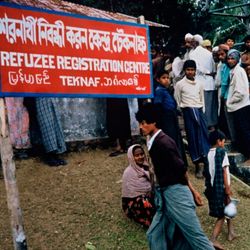
1. MSF and the Rohingya 1992 - 2014 - Episode 1: Bangladesh in the 1990s
41:28||Season 4, Ep. 1Episode 1: Bangladesh in the 1990s In 1991–1992, Myanmar’s military repression forces over 250,000 Rohingya to flee to Bangladesh, where they settle in refugee camps. In the camps near Cox’s Bazar, MSF observes dire living conditions and violence, while Bangladeshi authorities limit aid and force repatriations. MSF engages in “silent advocacy,” raising concerns only with political stakeholders in order to maintain activities in the camps. This episode highlights enduring dilemmas in MSF’s humanitarian approach with the Rohingya: publicly speaking out versus staying silent to preserve access.***This podcast series is adapted from the MSF Speaking Out Case Study “MSF and the Rohingya 1992 – 2014”.It brings to light two decades of MSF advocacy activities as part of its humanitarian assistance to the Rohingya people in Bangladesh and Myanmar.It examines the challenges that MSF teams in the field and headquarters encountered when deciding whether and how MSF could publicly speak out about the plight of the Rohingya facing persecutions and violence in Myanmar and Bangladesh. During the 1992-2014 period, MSF worked mostly through diplomatic channels “behind closed doors” to advocate about the Rohingya’s plight with foreign diplomats and United Nations agencies. This “silent advocacy” was challenged within MSF by those who felt that the lack of public speaking out meant MSF was abandoning a persecuted population. To maintain an operational presence without speaking out publicly was not seen as an ethically justifiable option for an independent and impartial humanitarian organisation like MSF.Over 7 episodes, the podcast explores the challenges, dilemmas and internal disagreements underlying MSF’s humanitarian response to assist the Rohingya under the Myanmar authoritarian regime.***This podcast series is written, produced and mixed by Andrea Rangecroft. Editorial direction is from Nancy Barrett and Laurence Binet. The narrator is Claire Lubert. Extracts are read by Clive Hayward and Lucy Scott The voiceovers are by Kevin Halliwell, Charles Nove and Alex Vincent. The music is by Lost Harmonies and Peter Sandberg. Photo crédits: Generic MSFA special thanks to Rian Landman
More episodes
View all episodes
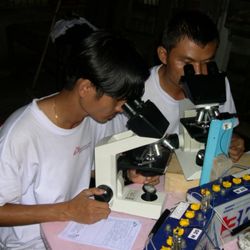
2. MSF and the Rohingya 1992 - 2014 - Episode 2: Years of growth and silence
32:25||Season 4, Ep. 2Episode 2: Years of growth and silence In Myanmar an increasingly authoritarian regime is taking shape, inhibiting the return of refugees and making the lives of the Rohingya who’ve remained in Rakhine State increasingly difficult. MSF documents systematic persecution but is divided over how to approach the dilemma of access versus speaking out. While from 1994, MSF Holland opts for “silent diplomacy” in order to expand its malaria and HIV/AIDs programmes in Myanmar, MSF France decides to withdraw in 2006, denouncing the authorities lack of transparency. ***This podcast series is adapted from the MSF Speaking Out Case Study “MSF and the Rohingya 1992 – 2014”. It brings to light two decades of MSF advocacy activities as part of its humanitarian assistance to the Rohingya people in Bangladesh and Myanmar. It examines the challenges that MSF teams in the field and headquarters encountered when deciding whether and how MSF could publicly speak out about the plight of the Rohingya facing persecutions and violence in Myanmar and Bangladesh. During the 1992-2014 period, MSF worked mostly through diplomatic channels “behind closed doors” to advocate about the Rohingya’s plight with foreign diplomats and United Nations agencies. This “silent advocacy” was challenged within MSF by those who felt that the lack of public speaking out meant MSF was abandoning a persecuted population. To maintain an operational presence without speaking out publicly was not seen as an ethically justifiable option for an independent and impartial humanitarian organisation like MSF. Over 7 episodes, the podcast explores the challenges, dilemmas and internal disagreements underlying MSF’s humanitarian response to assist the Rohingya under the Myanmar authoritarian regime. ***This podcast series is written, produced and mixed by Andrea Rangecroft. Editorial direction is from Nancy Barrett and Laurence Binet. The narrator is Claire Lubert. Extracts are read by Clive Hayward and Lucy Scott The voiceovers are by Kevin Halliwell, Charles Nove and Alex Vincent. The music is by Lost Harmonies and Peter Sandberg. Photo crédits: Carlos QuarenghiA special thanks to Rian Landman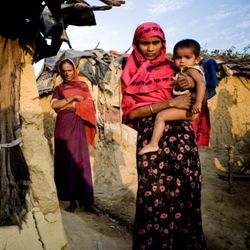
3. MSF and the Rohingya 1992 - 2014 - Episode 3: A slow opening at MSF
19:36||Season 4, Ep. 3Episode 3: A slow opening at MSF In 2006, following MSF’s internal reorganisation, MSF Operational Centre Amsterdam (OCA) refocuses advocacy on the Rohingya marking a shift in its approach to testimony. To bypass Myanmar’s restrictions, strengthened through violent crackdowns on protesters after 2007’s Saffron Revolution, most of the speaking out concerns the fate of unregistered refugees in Bangladesh. Nonetheless, in Myanmar, MSF OCA speaks out on the humanitarian consequences of state-sponsored discrimination, repression, and lack of access to healthcare for both the Rohingya and people living with AIDS. ***This podcast series is adapted from the MSF Speaking Out Case Study “MSF and the Rohingya 1992 – 2014”. It brings to light two decades of MSF advocacy activities as part of its humanitarian assistance to the Rohingya people in Bangladesh and Myanmar. It examines the challenges that MSF teams in the field and headquarters encountered when deciding whether and how MSF could publicly speak out about the plight of the Rohingya facing persecutions and violence in Myanmar and Bangladesh. During the 1992-2014 period, MSF worked mostly through diplomatic channels “behind closed doors” to advocate about the Rohingya’s plight with foreign diplomats and United Nations agencies. This “silent advocacy” was challenged within MSF by those who felt that the lack of public speaking out meant MSF was abandoning a persecuted population. To maintain an operational presence without speaking out publicly was not seen as an ethically justifiable option for an independent and impartial humanitarian organisation like MSF. Over 7 episodes, the podcast explores the challenges, dilemmas and internal disagreements underlying MSF’s humanitarian response to assist the Rohingya under the Myanmar authoritarian regime. ***This podcast series is written, produced and mixed by Andrea Rangecroft. Editorial direction is from Nancy Barrett and Laurence Binet. The narrator is Claire Lubert. Extracts are read by Clive Hayward and Lucy Scott The voiceovers are by Kevin Halliwell, Charles Nove and Alex Vincent. The music is by Lost Harmonies and Peter Sandberg. Photo crédits: Giulio Di SturcoA special thanks to Rian Landman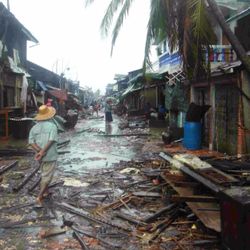
4. MSF and the Rohingya 1992 - 2014 - Episode 4: Myanmar opens up
38:45||Season 4, Ep. 4Episode 4: Myanmar opens up In 2008, Cyclone Nargis devastates Myanmar’s Irrawaddy Delta, killing over 130,000 people. The crisis opens a humanitarian space. From 2009 onwards, MSF intensifies its public advocacy on the Rohingya including the “Fatal Policy: How the Rohingya Suffer the Consequences of Statelessness” report that highlights the health consequences of restrictive policies in Myanmar. Though never publicly published, it becomes a key tool in diplomatic exchanges. Throughout, MSF balances the need for advocacy with operational access, gradually developing a comprehensive regional strategy that highlights the Rohingya crisis as a major humanitarian and political issue.***This podcast series is adapted from the MSF Speaking Out Case Study “MSF and the Rohingya 1992 – 2014”. It brings to light two decades of MSF advocacy activities as part of its humanitarian assistance to the Rohingya people in Bangladesh and Myanmar. It examines the challenges that MSF teams in the field and headquarters encountered when deciding whether and how MSF could publicly speak out about the plight of the Rohingya facing persecutions and violence in Myanmar and Bangladesh. During the 1992-2014 period, MSF worked mostly through diplomatic channels “behind closed doors” to advocate about the Rohingya’s plight with foreign diplomats and United Nations agencies. This “silent advocacy” was challenged within MSF by those who felt that the lack of public speaking out meant MSF was abandoning a persecuted population. To maintain an operational presence without speaking out publicly was not seen as an ethically justifiable option for an independent and impartial humanitarian organisation like MSF. Over 7 episodes, the podcast explores the challenges, dilemmas and internal disagreements underlying MSF’s humanitarian response to assist the Rohingya under the Myanmar authoritarian regime. ***This podcast series is written, produced and mixed by Andrea Rangecroft. Editorial direction is from Nancy Barrett and Laurence Binet. The narrator is Claire Lubert. Extracts are read by Clive Hayward and Lucy Scott The voiceovers are by Kevin Halliwell, Charles Nove and Alex Vincent. The music is by Lost Harmonies and Peter Sendberg. Photo credits: Generic MSFA special thanks to Rian Landman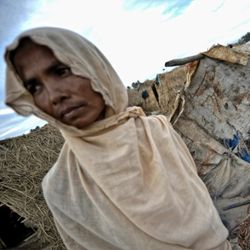
5. MSF and the Rohingya 1992 - 2014 - Episode 5: Renewed violence and loss of access to Myanmar
41:14||Season 4, Ep. 5Episode 5: Renewed violence and loss of access to Myanmar In 2012, violence breaks out in Myanmar’s Rakhine State between Buddhists and Rohingya after a Buddhist woman is allegedly killed by Rohingya men. Retaliatory attacks displace tens of thousands and create widespread insecurity. MSF struggles to provide healthcare amid harassment, access restrictions, and arrests of Rohingya staff, forcing a suspension of operations. MSF faces ethical challenges in maintaining neutrality and impartiality while being seen by other communities in Rakhine as biased toward Muslims. With the regime detaining two MSF staff members, the organisation finds itself once again in a difficult position when it comes to speaking out. ***This podcast series is adapted from the MSF Speaking Out Case Study “MSF and the Rohingya 1992 – 2014”. It brings to light two decades of MSF advocacy activities as part of its humanitarian assistance to the Rohingya people in Bangladesh and Myanmar. It examines the challenges that MSF teams in the field and headquarters encountered when deciding whether and how MSF could publicly speak out about the plight of the Rohingya facing persecutions and violence in Myanmar and Bangladesh. During the 1992-2014 period, MSF worked mostly through diplomatic channels “behind closed doors” to advocate about the Rohingya’s plight with foreign diplomats and United Nations agencies. This “silent advocacy” was challenged within MSF by those who felt that the lack of public speaking out meant MSF was abandoning a persecuted population. To maintain an operational presence without speaking out publicly was not seen as an ethically justifiable option for an independent and impartial humanitarian organisation like MSF. Over 7 episodes, the podcast explores the challenges, dilemmas and internal disagreements underlying MSF’s humanitarian response to assist the Rohingya under the Myanmar authoritarian regime. ***This podcast series is written, produced and mixed by Andrea Rangecroft. Editorial direction is from Nancy Barrett and Laurence Binet. The narrator is Claire Lubert. Extracts are read by Clive Hayward and Lucy Scott The voiceovers are by Kevin Halliwell, Charles Nove and Alex Vincent. The music is by Lost Harmonies and Peter Sendberg. Photo credits: Kaung HtetA special thanks to Rian Landman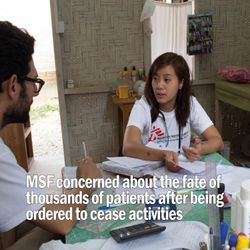
6. MSF and the Rohingya 1992 - 2014 - Episode 6: Under pressure in Myanmar
25:38||Season 4, Ep. 6Episode 6: Under pressure in Myanmar In January 2014, in Du Chee Yar Tan, Rakhine State, MSF OCA treats wounded Rohingya after a violent attack and issues a public statement. The Myanmar government denies the violence, pressures MSF for patient details, and accuses it of exaggeration. Over the following weeks, MSF issues cautious public statements emphasising neutrality and commitment to medical needs. Teams face harassment, protests, and accusations of misinformation from the Myanmar government. Negotiations over the renewal of MSF’s Memorandum of Understanding in the country collapse. On 27 February 2014, MSF OCA is ordered to close all programs in Myanmar.***This podcast series is adapted from the MSF Speaking Out Case Study “MSF and the Rohingya 1992 – 2014”. It brings to light two decades of MSF advocacy activities as part of its humanitarian assistance to the Rohingya people in Bangladesh and Myanmar. It examines the challenges that MSF teams in the field and headquarters encountered when deciding whether and how MSF could publicly speak out about the plight of the Rohingya facing persecutions and violence in Myanmar and Bangladesh. During the 1992-2014 period, MSF worked mostly through diplomatic channels “behind closed doors” to advocate about the Rohingya’s plight with foreign diplomats and United Nations agencies. This “silent advocacy” was challenged within MSF by those who felt that the lack of public speaking out meant MSF was abandoning a persecuted population. To maintain an operational presence without speaking out publicly was not seen as an ethically justifiable option for an independent and impartial humanitarian organisation like MSF. Over 7 episodes, the podcast explores the challenges, dilemmas and internal disagreements underlying MSF’s humanitarian response to assist the Rohingya under the Myanmar authoritarian regime. ***This podcast series is written, produced and mixed by Andrea Rangecroft. Editorial direction is from Nancy Barrett and Laurence Binet. The narrator is Claire Lubert. Extracts are read by Clive Hayward and Lucy Scott The voiceovers are by Kevin Halliwell, Charles Nove and Alex Vincent. The music is by Lost Harmonies and Peter Sendberg. Photo credits: Chris HubyA special thanks to Rian Landman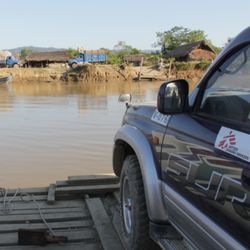
7. MSF and the Rohingya 1992 - 2014 - Episode 7: Introspection at MSF
29:54||Season 4, Ep. 7Episode 7: Introspection at MSF Eventually, the Myanmar Government backs down and limits the ban to MSF activities in Rakhine. This still leaves the organisation with a dilemma: speaking out on Rohingya persecution versus preserving life-saving programmes in other states. After tense debates, MSF OCA leadership decides to withdraw from Rakhine to retain access elsewhere. Many argue that this compromises principles for access. In 2017, mass violence drives Rohingya into Bangladesh with thousands killed, which MSF documents and publicly denounces. International legal cases accuse Myanmar of genocide, while abuses persist. MSF continues to question its 2014 choices and the balance between speaking out and access.***This podcast series is adapted from the MSF Speaking Out Case Study “MSF and the Rohingya 1992 – 2014”. It brings to light two decades of MSF advocacy activities as part of its humanitarian assistance to the Rohingya people in Bangladesh and Myanmar. It examines the challenges that MSF teams in the field and headquarters encountered when deciding whether and how MSF could publicly speak out about the plight of the Rohingya facing persecutions and violence in Myanmar and Bangladesh. During the 1992-2014 period, MSF worked mostly through diplomatic channels “behind closed doors” to advocate about the Rohingya’s plight with foreign diplomats and United Nations agencies. This “silent advocacy” was challenged within MSF by those who felt that the lack of public speaking out meant MSF was abandoning a persecuted population. To maintain an operational presence without speaking out publicly was not seen as an ethically justifiable option for an independent and impartial humanitarian organisation like MSF. Over 7 episodes, the podcast explores the challenges, dilemmas and internal disagreements underlying MSF’s humanitarian response to assist the Rohingya under the Myanmar authoritarian regime. ***This podcast series is written, produced and mixed by Andrea Rangecroft. Editorial direction is from Nancy Barrett and Laurence Binet. The narrator is Claire Lubert. Extracts are read by Clive Hayward and Lucy Scott The voiceovers are by Kevin Halliwell, Charles Nove and Alex Vincent. The music is by Lost Harmonies and Peter Sendberg. Photo credits: Eddy McCallA special thanks to Rian Landman