Share
The 1% Better Runner with DLake
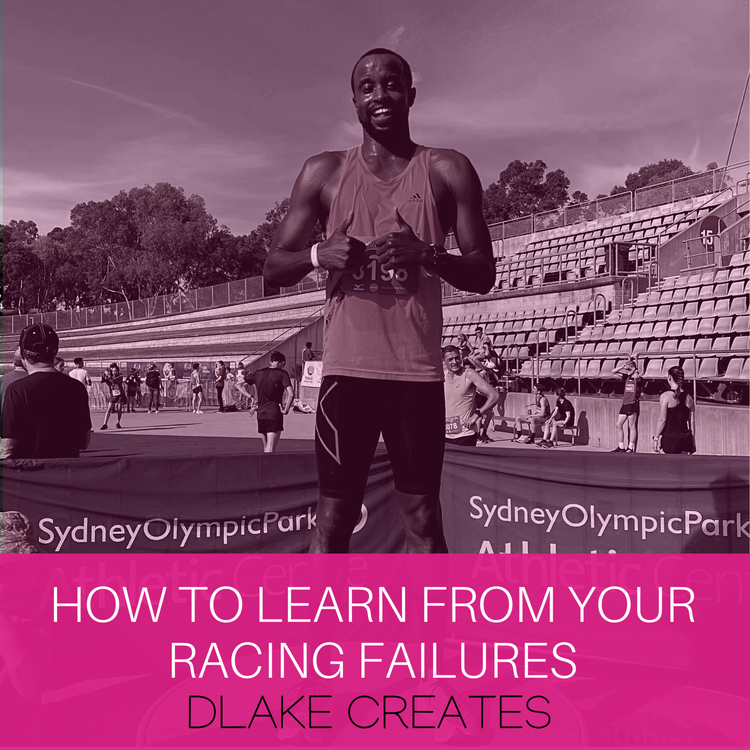
How To Learn From Your Racing Failures
If you want to reframe racing failures as lessons learned then you should listen to this episode.
Some endurance athletes say “failure is not an option”. If you’ve ever attempted to do a race or event that was slightly ambitious, I would argue that a failure is an option. In my head, I’ve redefined failure to mean all of the ways to not do something. Or in other words “lessons learned”.
Every mistake, misstep and failing moment is a stride towards triumph.
In this episode, I’ll show you a few race lessons I learned that will help you crush your next running or endurance event.
I'm bringing in a previous guest and endurance sports enthusiast - J mike Remy or as he calls himself now "Remy B Reel". He will help me highlight some really interesting findings around my last few races. We did a live video event on his series "Adjust Adapt Achieve" a short time ago and I thought it would be cool to chop up the audio and re-hash it in a dynamic way that helps tell this story better.
The 5 key takeaways from my convo with Remy were;
Takeaway 1 - Reframing running my fastest 5k time to my best 5k
Here I talk about the spectrum of what you have to work with. This spectrum is similar to the cards you're dealt or the crayon box colors you got. You just gotta work with what you have. Here's more on that.
Takeaway 2 - The Twenty 1% changes
Here I go deep on the nitty-gritty of the 1% changes and upgrades that I did months, weeks, and days before my race. Nutrition, sauna, dynamic warmup/drils/plyos, etc.
Takeaway 3 - Addition and subtraction
I know that sounds like word salad but stay with me on this.
When you take things away you strip things down to it's core. I call this essentialism.
My maximal brain tries to live a minimal life, so this was my take on it but through the lens of racing
Takeaway 4 - Use Data - Then ignore it and trust the process
Using data, trusting it, but at the end of the day listening to your body because sometimes the data you give the algorithms is wrong. That's why coaches are important.
The human touch is necessary with all machines, algorithms, data and formulas.
Without the human, it's just data. with the human and the data/tech you become superhuman.
Takeaway 5 - Running Virtuous Cycle
This is my fun take on creating a model, frame and lens that can help us see things better in our training and specifically running.
Links
- Adjust Adapt Achieve with Remy B Reel (Youtube Live Video) - https://youtu.be/77K504FGRnA
- War Juice- https://dlakecreates.com/drink-war-juice-race-faster/
- Sauna - https://runnersconnect.net/sauna-running-performance/
- Don't Cut Caffeine The Week Of a Race - https://www.caffeinebullet.com/post/should-you-cut-out-caffeine-before-a-race
- DLake Creates - https://DLakecreates.com
Quotables
- "Using data, trusting it But at the end of the day, listening to your own body."
- "If you're injury-free you can run more. If you run more you get faster."
More episodes
View all episodes

Zone 2 Training Is Useless Without This One Test | MAF Test
13:22|Zone two isn’t about pace or feel; it’s about heart rate, and testing it every four to six weeks is the only way to know if you’re actually getting faster.If you’ve been grinding out zone two runs hoping to get faster but have no idea if it’s actually working, you’re not alone. Most runners skip the one step that separates guessing from knowing: a simple, repeatable test you can do every four to six weeks to track real aerobic progress. In this episode, I break down how to test and improve your zone two fitness so you can run farther, faster, and more efficiently without burning out. You’ll learn why most runners get this wrong, how to set a proper baseline, and how to track real progress over weeks and months. I also walk through a simple, repeatable test and a training approach that helps you see consistent gains, all while keeping things manageable and injury-free.Key TakeawaysZone two training works best when measured by heart rate, not just pace or effort.Testing regularly every 4–6 weeks gives a clear picture of improvement and prevents wasted effort.Consistency over months is key—small, gradual progress leads to big gains without burnout.Timestamps[00:18] What You'll Learn[01:36] Mistake of Zone 2/MAF Pacing[04:05] Use This Training Plan to Improve Your Zone 2[05:01] Variation of MAF - IMAT[05:47] How to MAF Test Part 2[07:07] Where to Do MAF Test[08:18] Traps to Avoid[09:10] How Slow I Was When I First Did This Test[11:03] Don't Stop in the Middle of the Test[11:54] Other Benefits of MAF Testing[12:40] Watch This to Understand Base BetterLinks & Learnings📈 Get Your Free Zone 2 Training Plan Here: https://dlakecreates.com/zone2free🎧 Listen, Read and Learn More Here https://dlakecreates.com/mafRun Farther… Without That ‘Why Am I Dying?’ Feeling: https://dlakecreates.com/base2Instagram – https://instagram.com/dlakecreatesStrava – https://www.strava.com/athletes/120507
I'm a Running Coach — Here's Why You Don't Need One
15:11|Most runners follow training plans like line cooks following a recipe; they have no idea why any of it works, and when something breaks, they panic and start over.If you’ve ever followed a training plan and still felt stuck, tired, or constantly on the edge of injury, this episode will shift how you see running completely. I break down how to stop blindly following plans and start building your own with intention, using simple principles that actually match your fitness level, your goals, and your life. You’ll learn how to structure your training without overwhelm, why doing less can sometimes give you more results, and how to make small adjustments that add up to real progress over time.Key TakeawaysFocus on training based on where you actually are, not where you wish you were. Your experience level determines what your body can handle and what kind of training will truly work.Don’t try to improve everything at once. Choose one or two key areas, build them over time, and maintain the rest so you don’t burn out or plateau.Keep most of your runs easy and controlled. This helps you stay consistent, avoid injury, and build the foundation you need to actually get faster.Timestamps[00:10] What You'll Learn[01:03] The 3 Ingredients Every Self-Coached Runner Needs[02:17] Ingredient 1: Know What Level Your At[04:46] Use This To Become an Expert Self-Coached Runner[05:18] The Novice Levels Of Run Experience[06:03] The Intermediate Level Of Run Experience[06:40] The Advanced Level Of Run Experience[08:13] Ingredient 2: Progressive Overload: Build, Maintain, Connect[11:21] Ingredient 3: The Ratio That Keeps You Running[14:46] Use This to Self-Coach and Get Closer to 80:20 RatioLinks & Learnings📈 Get Your Free Self-Coached Running Training Plan Here: https://dlakecreates.com/emailcourseLearn More About No Coach Run Training Here and Sign Up: https://opb.kit.com/selfcoachsignup🎧 Listen, Read and Learn More Here: https://dlakecreates.com/selfcoachThis Free Tool Will Change How You Train VO2 Max Forever: https://dlakecreates.com/vdotThe Injury That Ends Running Careers: https://dlakecreates.com/injuryquitInstagram – https://instagram.com/dlakecreatesStrava – https://www.strava.com/athletes/120507
I Quit Marathon Training and Got Faster
07:02|What if skipping the traditional long run is actually the key to unlocking your true speed potential?After three decades of running, I'm shaking things up completely. This episode is a raw, real-time look at what happens when you stop training like a marathoner and start chasing raw speed again. I'm breaking down exactly why I've ditched the traditional long run approach, how I'm structuring my weeks around quality over quantity, and why feeling slightly undertrained might actually be the secret to staying consistent. If you've ever wondered whether you really need those long, slogging weekend runs or if there's a better way to get faster without burning out, this one's for you.Key TakeawaysCutting out long runs in the off-season barely touched my fitness levels, which means most runners are doing far more volume than they actually need to stay in shape between training blocks.Finishing every session feeling like you could have done a little more isn't a sign you're slacking. It's the exact signal that your body is absorbing training and building toward something real.Injury prevention isn't one big decision you make. It's a hundred small ones, and prioritising full rest days and easy effort on soft surfaces adds up to more consistency than any extra session ever could.Timestamps[00:19] What You'll Learn[00:48] What I'm Doing Different[01:47] How the long run changes[02:28] How I'm Feeling[03:04] A Sample of My Training Week[03:55] Why I suck at the marathon[04:39] Picking The Right Surface / My Achilles[04:39] Minimizing Injury Risk / The challenge of adding in more running[05:12] Don't Forget The Hills[05:57] Get This Free Thing To Avoid InjuryLinks & Learnings📈 Get Your Free Email Course Here: https://dlakecreates.com/emailcourse🎧 Listen, Read and Learn More Here: https://dlakecreates.com/rwmfeb2026I Quit Long Runs For 4 Months. Here's What Happened: dlakecreates.com/NolongrunInstagram – https://instagram.com/dlakecreatesStrava – https://www.strava.com/athletes/120507
I Ran More and Got Fat (How I Fixed It)
16:00|What if the reason you’re gaining fat isn’t because you’re doing less but because you’re doing more?You’re putting in the miles, showing up consistently, doing everything you’ve been told should work… so why does your body look like it’s going in the opposite direction? In this episode, I break down the uncomfortable truth behind why running more can actually lead to gaining fat, not losing it. I walk through the mistakes I made, what I misunderstood about fueling, and how I finally found a balance that lets me run fast without sacrificing how I feel or look. If you’ve ever felt confused, frustrated, or stuck despite doing “all the right things,” this will help you rethink your approach and give you a smarter way forward.Key TakeawaysMore running doesn’t guarantee fat loss: Increasing mileage can spike hunger and lead to overeating. If calories go up more than your output, you gain fat even while getting fitter.You can’t outrun poor fueling decisions: Eating more because you train more isn’t a free pass. If you mix high fat and high carb without intention, it works against your body composition.Your nutrition should change with your training season: What works in the off-season won’t work during high mileage. Adjusting carbs, calories, and timing based on training load makes everything click.Timestamps00:37] What You'll Learn[01:15] How I Gained Fat While Running[02:06] What Is Calorie Deficit[03:36] What Does Eating Too Much Look Like?[05:57] How to Fuel and Hydrate Properly for Running[06:25] What Fat Burning Really Is[07:28] How I Fixed the Run Too Much Problem[09:06] What a Pro Run Coach Thinks Can Fix It[10:46] What Is a Calorie?[11:45] Why We Can't Just Rely on Calories for Running[13:29] How to Not Overeat When I Run[15:03] Use This to Understand Running Nutrition BetterLinks & Learnings📈 Get Your Free Running Nutrition Plan Here: https://dlakecreates.com/nutritionfree🎧 Listen, Read and Learn More Here: https://dlakecreates.com/rungetfatWhat to Eat Before and After a Run: https://dlakecreates.com/nutritionprepostInstagram – https://instagram.com/dlakecreatesStrava – https://www.strava.com/athletes/120507
You're 4 Minutes Away From Sub-2 Hour Half (Here's What's Missing)
15:15|Breaking two hours in the half marathon isn’t about grinding harder on race day. It’s about finally training for the race the half marathon actually is.If you've ever hit mile 10, watched your sub two hour half marathon slip away, and told yourself you just didn't go hard enough, this episode is for you. Here's the truth nobody tells you: you're not failing because you lack toughness. You're failing because you've been training for a marathon disguised as a half marathon plan. I break down why the sub two hour half is fundamentally an aerobic race, why most training approaches get it backwards, and exactly how to structure your weeks so mile 16 doesn't destroy you anymore.Key TakeawaysRunning a sub two hour half marathon is mostly aerobic—training harder isn’t the answer, training smarter is.The three workouts that matter: easy aerobic runs, a quality threshold or VO₂ max session, and a structured long run.A pacing strategy and taper are just as critical as the workouts; patience early lets you finish strong.Timestamps[00:23] What You'll Learn[01:35] The Sub-2 Reality Check[02:28] The Complete Training System[03:40] Use This Training Plan To Run Sub 2 Hours[14:49] Use This To Run Far And Fast EasierLinks & Learnings📈 Get Your Free Sub-2-Hour Half Marathon Training Plan Here: dlakecreates.com/halfsub2free🎧 Listen, Read and Learn More Here: https://dlakecreates.com/halfsub2Run Farther… Without That ‘Why Am I Dying?’ Feeling: https://dlakecreates.com/base2Instagram – https://instagram.com/dlakecreatesStrava – https://www.strava.com/athletes/120507
The Injury That Ends Running Careers (It's Not What You Think)
14:38|Most runners don’t quit because they hate running—they quit because they never saw the injury coming.In this episode, I break down the invisible gap between your cardiovascular fitness and your connective tissue strength that leads to preventable overuse injuries, and I share a practical framework to catch warning signs early so you can adjust your training before a minor niggle turns into a season-ending crisis. You'll learn how to distinguish between normal tightness and actual damage, implement immediate strength strategies to stay on your feet, and shift your mindset from fearing pain to managing it like a pro, ensuring you keep running for decades rather than becoming someone who "used to run."Key TakeawaysYour heart and lungs get fit much faster than your tendons and bones, creating a dangerous window where you feel ready to run more but your body isn't structurally prepared to handle the load.Most runners ignore early warning signs until the pain lasts through the entire run, so you must reduce your volume immediately at the first hint of discomfort to avoid long-term damage.Quitting running usually happens because of an identity crisis after an injury, not the injury itself, so building a history of overcoming small setbacks is the key to staying a runner for life.Timestamps[00:34] What You'll Learn[01:22] How and Why Runners Get and Stay Injured[02:43] The Injury/Recovery Trap[04:22] Get This Free Course To Avoid Injury[05:31] The 4 Stages Of Injury[09:03] How I Figured This Injury Thing Out[11:45] Use This To Run Faster Farther Easier[12:27] The Dark Part People Don't Talk About[13:42] Use These 10 Gym Workouts To Stop InjuriesLinks & Learnings📈 Get Your Free Run Faster Farther Training Plan Here: https://dlakecreates.com/basefree🎧 Listen, Read and Learn More Here: https://dlakecreates.com/injuryquitGet Free Course to Avoid Injury: https://opb.kit.com/emailcourseWhy Most Runners Lift Wong: https://dlakecreates.com/runner-strength-training-guide/Instagram – https://instagram.com/dlakecreatesStrava – https://www.strava.com/athletes/120507
Stop Buying Running Shoes Until You See This
09:24|Why do comfortable shoes in the store often lead to chronic pain years later? It all comes down to what you don't feel when you try them on.If you care about running not just this season but 10, 20, even 30 years from now, this episode will change how you look at your shoes. I break down the simple system I use to choose the right shoe based on heel drop, injury history, and long term foot health, not hype or what feels good in the store. I explain why cushioning is misunderstood, how super shoes can both help and hurt you, and why your Achilles becomes more vulnerable as you age. You’ll learn how to think about low versus high heel drop, when to rotate them, and how to build a three shoe system that supports performance without sacrificing durability.Key TakeawaysHeel drop changes how stress moves through your body. Higher drops can ease strain on your Achilles, while lower drops can shift more load to your calves and feet.Super shoes can improve speed, but they wear out quickly and may switch off key muscles if used every day. Use them with intention, not as your default trainer.Fat pads, tendons, and small stabilizing muscles do not last forever. If you want to keep improving 1% at a time, you have to protect and strengthen your foundation now.Timestamps[00:54] How Much Should You Wear Super Shoes?[02:42] How Does Heel Drop Help Runners?[05:55] Use This to Find the Right Shoe Rotation[06:59] Should Runners Wear Orthotics?[08:31] Use This to Know the Right Shoe ChoiceLinks & Learnings📈 Get Your Free 3-Shoe Rotation Guide & Training Plan Here: https://dlakecreates.com/shoerotationfree🎧 Listen, Read and Learn More Here: https://dlakecreates.com/feetshoesThe Super Shoe Trap (With Science Fix): https://dlakecreates.com/shoecushionInstagram – https://instagram.com/dlakecreatesStrava – https://www.strava.com/athletes/120507
Why the Same Pace Feels Easy 1 Day and Death the Next
13:10|Running harder isn’t the secret to getting faster, and if you keep pushing every workout, you might be training the wrong fuel tank entirely.If you’ve ever felt unstoppable on one run and completely drained on the next at the exact same pace, this episode will explain why. I break down the three energy systems that power your running, how they work together, and why most runners spend too much time training the wrong one. You’ll learn why running harder isn’t always the answer, what actually builds long-term speed and endurance, and how to adjust your training this week so you stop burning out and start progressing with purpose.Key TakeawaysYou have three energy systems, not one: Your body uses short bursts (ATP-PC), hard efforts (anaerobic), and steady endurance (aerobic) to fuel your runs. Most distance runners rely too much on the hard-effort system and ignore the one that really drives performance.Your aerobic system powers almost everything: Even your 5K is mostly aerobic, not all-out anaerobic like it feels. If you want to run faster and longer, you need to build your aerobic base first.Training smarter beats training harder: Living in high-intensity workouts leads to plateaus and burnout. When you train each system the right way and at the right time, you improve without constantly feeling exhausted.Timestamps[01:14] Why Runners Train Wrong[03:52] When ATP Fires[05:46] Use This To Run Farther Faster With Less Effort[06:46] System 2: Glycolytic/Anaerobic (The Sugar Burner)[08:54] System 3: Aerobic (The Diesel Engine)Links & Learnings📈 Get Your Free Run Farther Faster Training Plan Here: https://dlakecreates.com/basefree🎧 Listen, Read and Learn More Here: https://dlakecreates.com/energysystemsHow to Run Strides, Wind-ups, & Skips: https://dlakecreates.com/stridesFind Your Running Threshold Pace: https://dlakecreates.com/lactateRunning Longer Was Impossible… Until I Stopped Doing This: https://dlakecreates.com/baseRun Farther… Without That ‘Why Am I Dying?’ Feeling: https://dlakecreates.com/Base2Instagram – https://instagram.com/dlakecreatesStrava – https://www.strava.com/athletes/120507
I Got Fitter Than Ever—Then One Race Humbled Me
07:45|Most runners are wasting their hard-earned fitness because they treat racing like a solo time trial instead of a tactical, emotional, unpredictable skill that demands reps just like any other.What if everything you think you know about racing is just a story you've been telling yourself? In this episode, I’m diving into the reality of what happens when your physical fitness meets the brutal mental skill of racing. You’ll discover why your best training sessions don't always translate to the finish line and how a single pacing mistake can turn a goal race into a battle for survival. This episode breaks down the technical and psychological shifts needed to move from just "running fast" to actually "racing," providing a blueprint for analyzing your own data without letting emotions cloud your progress.Key TakeawaysRacing is a skill separate from fitness that requires practice under pressure. You cannot learn to handle pain and panic solely through solo time trials.Going out too fast early in a race often leads to slowing down too much later. Finding a smooth rhythm matters more than trying to force a perfect pace from the start.Your form breaks down when you get tired, so you need tools to maintain cadence. Using music or cues can help keep your steps quick even when your legs feel heavy.Timestamps[00:34] How to Get Good at the Skill of Racing[01:12] The 3k Race Breakdown[03:23] Use This to Improve Your VO2 Max[04:12] How to Review Your Data Post Race[07:05] Learn More About VO2 MaxLinks & Learnings📈 Get Your Free Increase VO2 Max/VDot Score Training Plan Here: https://dlakecreates.com/vo2maxfree🎧 Listen, Read and Learn More Here https://dlakecreates.com/3kWhy Most Runners Get VO₂ Max Wrong: https://dlakecreates.com/how-to-train-vo2-max/Instagram – https://instagram.com/dlakecreatesStrava – https://www.strava.com/athletes/120507