Share
Legacy Radio Theater - Old Time Radio Classics
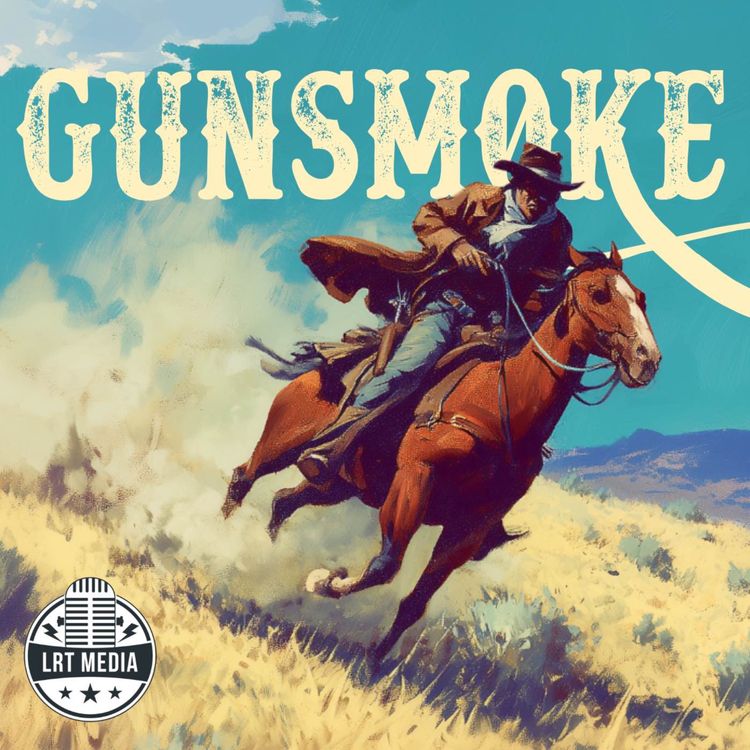
Gunsmoke - Gentleman's Disagreement - 1952
Gunsmoke stands as perhaps the greatest achievement in radio Western drama and one of the finest examples of mature storytelling in broadcasting history, running on CBS Radio from April 26, 1952, to June 18, 1961, before transitioning to an equally successful television run. Created by producer Norman MacDonnell and writer John Meston as a response to CBS chairman William S. Paley's request for a "Philip Marlowe of the Old West," the series revolutionized the Western genre by abandoning the sanitized heroics of earlier shows in favor of realistic, morally complex stories set in Dodge City, Kansas, during the 1870s. William Conrad's portrayal of U.S. Marshal Matt Dillon established a new archetype for the Western lawman—tough but compassionate, principled but pragmatic, capable of violence but preferring reason when possible. Unlike the singing cowboys and noble Rangers of other Western series, Dillon was a flawed, fully human character who made mistakes, showed vulnerability, and sometimes allowed emotions to override his professional judgment. The supporting cast created an ensemble that became radio's most believable Western community: Parley Baer as Chester Proudfoot (later changed to Chester Goode on television), Dillon's loyal but sometimes bumbling deputy; Georgia Ellis as Kitty Russell, the saloon owner whose complex relationship with Matt provided emotional depth; and Howard McNear as Doc Adams, the town physician whose character evolved from a somewhat mercenary figure to a warm, compassionate healer.
The series distinguished itself through John Meston's sophisticated writing, which tackled adult themes including alcoholism, racism, domestic violence, and moral ambiguity with unprecedented honesty for the Western genre. Episodes like "Never Pester Chester" showcased the deep bonds between characters, while stories such as "Drop Dead" demonstrated the series' ability to combine character development with compelling mystery plots. MacDonnell's production created an authentic sonic landscape of the frontier, with Rex Koury's musical scoring, elaborate sound effects, and careful attention to period detail that made Dodge City feel real and lived-in. The show's opening narration—describing the era "when the West was young and the land was new"—set the tone for stories that explored the collision between civilization and wilderness, law and chaos, individual desires and community needs. Gunsmoke's influence extended far beyond radio, establishing narrative and character templates that influenced Western fiction, films, and television for decades. The radio series' combination of mature storytelling, complex characterizations, and authentic atmosphere created a Western that appealed to adult audiences seeking sophisticated entertainment, proving that the genre could be both popular and artistically ambitious. With its emphasis on character over action and moral complexity over simple heroics, Gunsmoke set the standard for quality Western drama and remains a testament to radio's unique ability to create rich, immersive worlds through sound, performance, and imagination.
More episodes
View all episodes
Broadway Is My Beat: The Val Dane Murder Case (August 25, 1949)
29:30|Detective Danny Clover investigates a baffling locked-room mystery when a novelist is found dead beside a table full of food. Larry Thor stars in this atmospheric Broadway Is My Beat case.
Suspense: The Screaming Woman (November 25, 1948)
29:35|On Thanksgiving, a young girl hears a woman crying for help from beneath the ground. Margaret O’Brien stars in this chilling Suspense adaptation of a Ray Bradbury story.Let George Do It: Cause for Thanksgiving (November 20, 1950)
30:22|A frightened young boy is found wandering alone, unable to speak. George Valentine sets out to discover who he is and what happened to him in this Thanksgiving mystery starring Bob Bailey.
The Great Gildersleeve: Servicemen for Thanksgiving (November 16, 1941)
29:27|Gildersleeve hopes to make Thanksgiving a little brighter by inviting servicemen to share his family’s holiday dinner. Join the Great Gildersleeve and the folks of Summerfield for a warm-hearted holiday comedy.Originally broadcast November 16, 1941. Starring Harold Peary.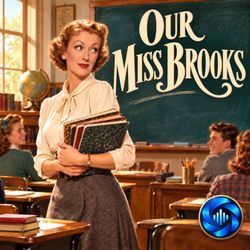
Our Miss Brooks: Thanksgiving Weekend (November 27, 1949)
29:04|Thanksgiving dinner at Miss Brooks’s house promises to be memorable when a tiny bird must feed a growing crowd of hungry guests, including Principal Conklin. Join Connie and her friends for a holiday comedy of misunderstandings and unexpected company.Originally broadcast November 27, 1949. Starring Eve Arden.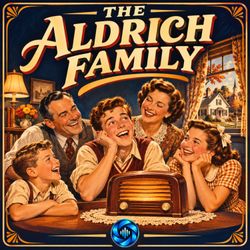
The Aldrich Family: The Last Turkey (November 23, 1952)
29:12|Thanksgiving preparations go hilariously awry when Henry Aldrich and his friend Homer get caught up in a scramble for the last turkey in town. As the two families compete for their holiday dinner, they rediscover the spirit of Thanksgiving.Originally broadcast November 23, 1952.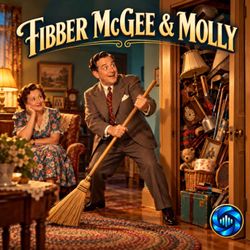
Fibber McGee and Molly: The Tax Bill Thanksgiving (November 22, 1949)
30:06|Thanksgiving arrives in Wistful Vista, but Fibber McGee is too worked up over his tax bill to enjoy the holiday. Molly tries to calm him down, and an encounter over dinner gives Fibber a new perspective on gratitude.Originally broadcast November 22, 1949. Starring Jim and Marian Jordan.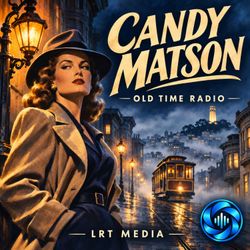
Candy Matson: The Cable Car Case (July 7, 1949)
29:48|San Francisco private investigator Candy Matson finds a dead man sitting beside her on a cable car. With suspicion swirling, she follows the clues from Telegraph Hill to the waterfront and a wealthy shipping family.Starring Natalie Masters. Originally broadcast July 7, 1949. Recording provided by the Old Time Radio Researchers Group via Internet Archive.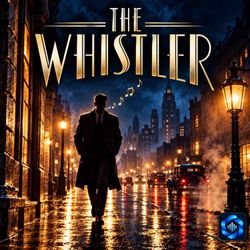
The Whistler: Girl Next Door (August 20, 1947)
29:30|A former film star hopes for a new life with her wealthy neighbor, but his protective sister begins investigating a secret from her past. The Whistler follows a trail of ambition, fear, and murder.Originally broadcast August 20, 1947. Recording provided by the Old Time Radio Researchers Group via Internet Archive.