Share

La Brega
2. “El Gran Varón” — Who Was Simón?
Gabby Rivera was 7 or 8 years old when Willie Colón released “El Gran Varón” in 1989. She remembers her father playing it while she sat in the backseat of their white minivan in the Bronx. The cinematic arc of the song would stick with her: the lyrics describe how a character referred to as Simón, depicted as a queer person who appears dressed as a woman, is shunned by their father, Don Andres, and dies alone of a disease assumed to be AIDS.
“El Gran Varón” was initially banned by some radio stations but became a hit anyway — it’s considered by many to be one of the most well-known salsas of all time. Songwriter Omar Alfanno explains that the song was actually inspired by a rumor about a real-life friend. Only years later did he realize that his lyrics contained an eerie prophecy.
The song’s chorus also includes an old saying: “Palo que nace doblao’, jamás su tronco endereza” / “Nature cannot be corrected, a tree that grows up crooked cannot ever be straightened.” Today, that phrasing is heard as outdated and even hateful — and indeed, the song has been rejected by some LGBTQ+ listeners. Still, the song resonated with Gabby — she remembers taking solace in the lyrics and in her father’s tender explanation of their meaning. When Gabby came out as a teenager, her father Charlie embraced her, and she credits that song: “Simón died alone so I didn’t have to.”
Learn more about the voices in this episode:
• Omar Alfanno, songwriter and musician
• Ophelia Pastrana, Youtuber based in Mexico City
• José Massó, host of WBUR’s Con Salsa
• Read Gabby Rivera’s essay about what “El Gran Varón” means to her
Our cover of “El Gran Varón” is by the artist Ana Macho (out this April).
Listen to our Spotify playlist, featuring music from this episode – and this season. We’ll keep adding to it each week as new episodes come out.
Special thanks this week to Khalila Chaar-Perez, Ophelia Pastrana, Carmen Alfanno, and Natalia Algarin. Fact checking this season is by Istra Pacheco and María Soledad Dávila Calero.
This season of La Brega is made possible by the Mellon Foundation.
Want to support our independent journalism? Join Futuro+ for exclusive episodes, sneak peaks and behind-the-scenes chisme on La Brega and all our podcasts: futuro.supportingcast.fm/la-brega-plus
More episodes
View all episodes

Presentamos - Alias Cóndor: Soldados Latinos en la Guerra de Ucrania
35:41|Este podcast se adentra en la vida de los soldados latinoamericanos que han viajado a Ucrania para combatir en una guerra muy lejos de casa. A través de sus historias, la corresponsal Carolina Chimoy explora qué los llevó al frente de batalla, cómo han vivido la guerra y qué han encontrado allí: violencia, miedo, pérdida, pero también pertenencia, propósito e incluso el amor. A través de la historia de Cóndor y otros soldados, este podcast plantea una pregunta central: ¿qué busca alguien cuando decide arriesgar su vida por un país que no es el suyo? Esto es Alias Cóndor, Soldados latinos en la guerra de Ucrania, una producción de DW, LA Times Studios y Futuro Studios.Sigue Alias Cóndor: Soldados Latinos en la Guerra de Ucrania para escuchar más episodios.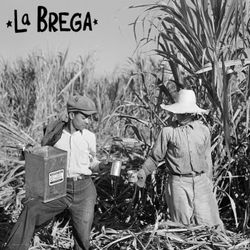
4. Who Was Puerto Rico's Water System Really Built For?
29:23||Season 4, Ep. 4In early August, Puerto Rico implemented an alternating water-rationing system in response to severe drought, affecting over 180 thousand households in the San Juan area. But the crisis goes back way before that, and many across the archipelago have been living without water for years. In this episode, we dive into the history of Puerto Rico’s water system and how colonialism in the Caribbean region has shaped it. From the sugar cane industry to booming factories, we look at how the water infrastructure has evolved, and who it has left behind.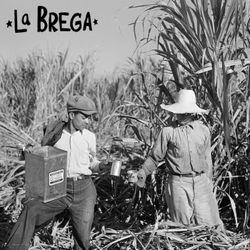
5. ¿Para quién es el agua en Puerto Rico?
27:44||Season 4, Ep. 5En agosto pasado, el gobierno de Puerto Rico implementó un racionamiento de agua, en medio de una sequía severa, que afectó a 180 mil hogares en el área metropolitana de San Juan. Pero la crisis del agua precede a la sequía y afecta a muchas más familias en todo el archipiélago. En este episodio, nos zambullimos en la historia del sistema de acueductos de Puerto Rico y en cómo sus características están relacionadas con la historia colonial de la región caribeña. Desde la industria del azúcar al boom de la manufactura, miramos cómo la infraestructura del agua ha evolucionado y a quiénes ha dejado a secas.
3. Una conversación con Angelo Colina
31:00||Season 4, Ep. 3En este episodio de La Brega, una conversación con el comediante venezolano Angelo Colina. Desde que Angelo decidió hace unos años dedicarse a la comedia en español, Puerto Rico se ha convertido en una de sus plazas más importantes. Tanto, que recientemente filmó su especial de “stand-up” en el Teatro Tapia de San Juan. Y cada vez son más los seguidores que celebran su capacidad de sacarle punta a lo cotidiano y de tender puentes culturales con chistes y ocurrencias. Así que, hoy, hablamos con Angelo sobre por qué el Caribe es un lugar repleto de historias, cómo difiere la nostalgia puertorriqueña de la venezolana y cómo el humor une a los boricuas con el resto de Latinoamérica y también con los latinos en Estados Unidos.
1. The Sounds We Could Lose With Esencia
30:42||Season 4, Ep. 1In August, the Puerto Rican government issued preliminary approvals for Esencia, a controversial $2.7 billion project in Cabo Rojo.This proposed luxury complex includes a private beach club, golf courses, and upscale residences and hotels. But experts, from scientists to government agencies and environmental groups, have all warned that the development would displace locals and threaten wildlife in the area, an ecologically sensitive part of Puerto Rico. In this episode, the La Brega team takes us through this landscape as we hear the natural and wildlife sounds that could be lost if Esencia is built. To see a photo of the guabairo and other images from this story, check out La Brega's Instagram account @labregapodcast.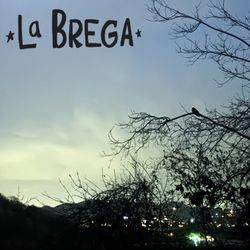
2. Los sonidos que podríamos perder con Esencia
32:08||Season 4, Ep. 2En agosto, el gobierno de Puerto Rico aprobó permisos preliminares para un controversial proyecto multimillonario en Cabo Rojo conocido como Esencia. El complejo exclusivo incluiría un club de playa privado, campos de golf, hoteles y residencias de lujo. Pero expertos —desde científicos a grupos ambientalistas y agencias gubernamentales— han advertido que el proyecto desplazaría a los locales y amenaza la flora y fauna de un área de alto valor ecológico. En este episodio, el equipo de La Brega nos lleva en un paseo sonoro por ese entorno para escuchar lo que podríamos perder si Esencia se construye.Para ver una foto de un guabairo y más imágenes del episodio, síguenos en Instagram: @labregapodcast
La Brega Is Back!
02:29||Season 4La Brega is back, and we’re here to stay! After three seasons, the show has established itself as a town square where people come to hear stories, laugh, and dream together. We’ll continue bringing you fascinating stories about our history and identity, important reports about the latest issues in Puerto Rico and across the Caribbean, and exciting interviews with some of the most creative artists and thinkers of today. New episodes drop on Tuesdays, starting October 20th.
¡La Brega está de vuelta!
02:19||Season 4¡La Brega está de vuelta y estamos aquí para quedarnos! Durante tres temporadas nos convertimos en una plaza pública donde nos juntamos a escuchar historias, reír y soñar juntos. Y ahora volvemos para seguir compartiendo historias fascinantes sobre la puertorriqueñidad, reportajes sobre los retos en Puerto Rico y el Caribe y conversaciones urgentes con artistas y pensadores. A partir del 20 octubre busca episodios nuevos los martes.
19. BONUS: Boricuas on the Ice
06:06||Season 3, Ep. 19You’ve seen the Instagram posts and the headlines of Puerto Rican campeones in all kinds of arenas. For this special bonus episode we talk to Camila Lamerre Estevez, an athlete who competed on the Puerto Rican women’s ice hockey team. We share Camila’s story, how she turned into a young hockey star, and what she learned about Puerto Ricanness on the ice.The Futuro Plus Team includes associate producer Liliana Ruiz, production managers Victoria Estrada and Jessica Ellis, marketing manager Luis Luna, and development manager Danetsy Len. Mixing by Multitude Productions.