Share
Israel Story
122: Wartime Diaries - Datya Itzhaki
In the summer of 2005, the government of Israel unilaterally withdrew from Gaza. The roughly 8,000 residents of the 21 Jewish settlements within the Gaza Strip were forced to leave their homes and their communities, which – for decades – they had actually been encouraged and incentivized to inhabit.
The move brought the country to the brink of a civil war. This was especially palpable in the tense relations between the residents of Gush Katif (as the main block of Gaza settlements was known) and their neighbors from the other side of the fence — the largely left-leaning residents of the kibbutzim of Otef Azza, all the same kibbutzim that — eighteen years later — suffered most in the Hamas attack of October 7th.
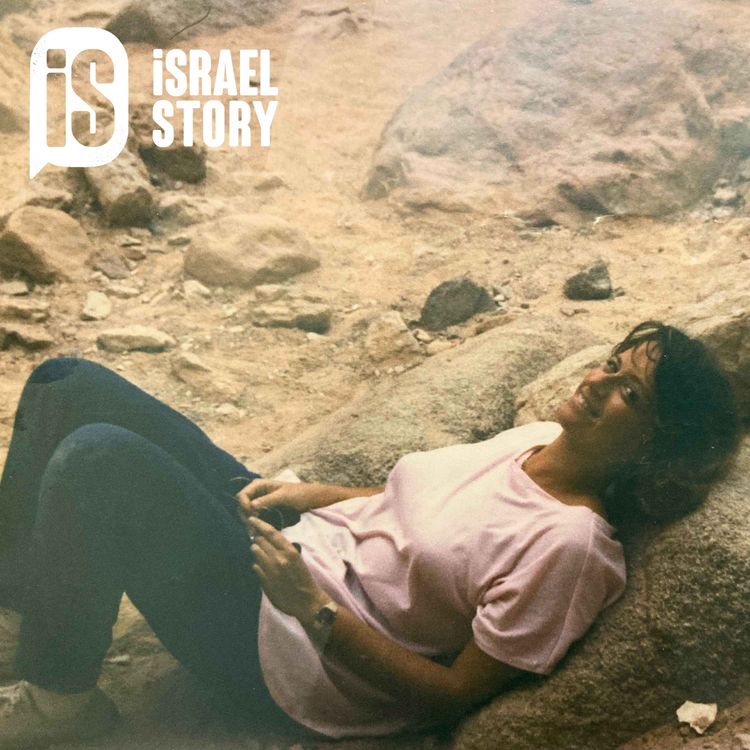
Now, many of the former residents of the Gaza settlements who never stopped dreaming of returning to the sand dunes of the Strip feel at least partially vindicated. Had their communities not been dismantled back in 2005, they claim, the army would have still been in Gaza, and none of this calamity would have occurred. One such voice is that of 63-year-old Datya Itzhaki, who used to live in the Gush Katif settlement of Kfar Yam.
The end song is Imma Im Hayiti ("Mom, If I Could") by Hanan Ben Ari.
Stay connected with us on Facebook, Instagram, and by signing up for our newsletter at israelstory.org/newsletter/. For more, head to our site or The Times of Israel.
More episodes
View all episodes
99. 174: Tea with Rachel
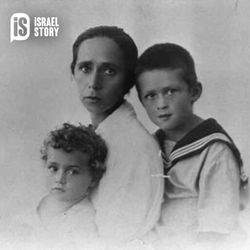
11:14||Season 7, Ep. 99Touching history while sipping tea with someone who reminds you of your grandma - an afternoon with Rachel Rabin Yaakov, Yitzhak Rabin's little sister, who just died at 101.Our end song is BaGalil ("In the Galilee") by Arik Einstein.The episode image is courtesy of the Israel National Photo Collection.
98. 173: Confessions of a Reluctant Dish Heiress
18:57||Season 7, Ep. 98This Rosh HaShana, as we pour tea from our great-grandma’s precious pot into our grandma’s delicate china and do our very best not to drip any honey on our mother’s favorite tablecloth, we’ll be aware - somewhere in the back of our minds - of the passage of time.Our end song is Ima ("Mom") by Elai Botner and Yaldei Hachutz.
97. 172: It's a Date!
01:00:57||Season 7, Ep. 97Just in time for Tu Be'Av, the Jewish Valentine's Day, we bring you stories of dates that could only happen in this crazy corner of the globe. Our end song is Chof Mivtachim ("Safe Shore") by Yogev Glusman, with Ninet Tayeb.
96. 171: 68 and Counting - Part II
46:09||Season 7, Ep. 96Here's the second half of our double episode from 2016, where each story is separated by a decade, and takes place on Israeli Independence Day.
95. 170: 68 and Counting - Part I
48:16||Season 7, Ep. 95On the tenth anniversary of our 2016 Yom Ha'Atzmaut (or Independence Day) project, we want to revisit the stories we shared from Yom Ha'Atzmaut over the years.
94. 169: Oath of Blood
46:20||Season 7, Ep. 94Today is Yom HaZikaron, Memorial - or Remembrance - Day, here in Israel. And as such, we wanted to share our 2017 episode, Oath of Blood.
93. 168: A Tale of Two Sisters
28:12||Season 7, Ep. 93Two sisters, straddling the ninth decade of their lives, suddenly find themselves as unexpected roommates during a war.Our end song is Shalom Achot ("Hey Sister") by Aya Korem.
92. 167: Flower Power
27:05||Season 1, Ep. 92Black markets, propaganda, and ... wildflowers - the story of the most successful marketing campaign in Israel's history.Our end song is Waltz Lehaganat HaTzome'ach ("Waltz for the Protection of the Flora") by Jane Bordeux and Aya Zahavi Feiglin.
91. 166: Frankly, My Deer
53:10||Season 7, Ep. 91Fine caviar, Persian carpets, the malignant presence of a possibly former-Nazi zookeeper, a cameo from a sensuous Mossad agent and cold-blooded murder. This is the improbable, totally true story of a flying Dutchman and some of the last "olim" to leave Iran before the Revolution. Our end song is Gan Eden Shel Ha'Adam ("Man's Paradise") by Gilad Segev.Image licensed from Dragan Ilic at Dreamstime.com