Share
Invisible Not Broken - Chronic Illness Podcast Network
Gas Lighting: Searching For Chronic Illness Diagnosis in American Healthcare System (Its' funnier than it sounds and just as frustrating)
Did I get lucky! I got to make a new friend. I hope you enjoy listening to Jen. She is an amazing poet and at the end of the interview you can hear two very powerful poems. She is hilarious and strong. She has been dealing with being sick and frail even though she has made massive changes (loosing 100lbs) and has just started in on her 40's. We talk about parenting with a chronic illness, the American healthcare system (buckle up its' about to get political), the importance of art when you can't get out of bed, and how important friendships are especially when you are dealing with chronic invisible illness.
Ms. T's Answers {More Bad Ass Than Mr. T}
Jen Toal
Age 40
Conditions
PTSD, Chronic Pain, Extensive nerve injury nerve injuries in both arms, Not Quite Fibromyalgia (is that a thing?), planters fasciitis, Anxiety/Depression
(...Hang on, maybe Ehlers-Danlos?? Amazing the things you can learn doing podcast interviews...) After watching Jen through the interview I was impressed at all of the crazy shapes she was making while stretching. She also has the swan deformity and so many other symptoms of the disorder I have.
I can remember school officials started stepping in around middle school to try to help Mom and I address my symptoms. They couldn't find much obviously wrong with me, except for some scoliosis. In high school, I was given special locker accommodations each year to try to help reduce the load on my body and as an eighteen-year-old, our family doctor explained to me that I was experiencing the same daily pain as most eighty-year-olds. This was before the injuries of my twenties and thirties.
I didn't get far working with that doc because growing up means losing access to health care in our country.
In my early twenties, I was working in tech support and saving for further college when all the nerves on both my arms were blown out by repetitive stress from typing. I spent the next several years in surgery and disabled. I got LOTS of doctor attention, but only on the subject of my work injuries. They were there to repair me from what they had done, not heal me overall.
The worst part of those years was being unable to draw.
In my thirties I found reasons to stop giving up on my life, most notably my husband, John, and our sweet child. John and I changed so many of our daily habits that together we lost three hundred pounds.
https://www.facebook.com/shapeshifterconfessions/
Losing 45% of my pre pregnancy body weight has done amazing things for my health, but it's not the miracle cure it *looks* like from the outside. For one thing, jumping up out of my sick bed to chase my snuggly little kettle bell around gave me a wicked case of Plantar Fasciitis. It's a remarkably painful addition to my dappling of symptoms but was acceptable collateral damage to me.
1. Who were you before your illness became debilitating?
A child.
2. Is there anything you would do if you were not sick?
There are so many things. I would have so much more of a career. I would travel. I would go out in the evenings and be around people. I would make so much more art.
3. What should other people know about our daily life?
That it's super easy for them to forget, but it's always there, reminding me. That it's exhausting to manage pain.
4. What would make living and moving in the world easier for you?
Single Payer Healthcare and Universal Basic Income.
In my twenties I spent a lot of time with people who liked to play, "What if we won the lottery??" My answers always began with access to doctors and therapists.
5. Life hacks?
Tennis balls are my latest favorite backpack staple. I sit and lean on them for point massage. They are especially magical for car trips, which have always been rugged for me.
My backpack itself is my favorite tool, but like many medications that come with side effects, the magic bag does sometimes get ridiculously heavy.
6. Support from family or friends?
I married really well. My husband is marvelously supportive and encouraging. My mother would help more if she were closer.
Friend community cares from afar, but we are all spread so perilously thin...
I saw this art show with a display that said, "We are living in an era that is testing the limits of everyone's compassion." I worry about all of us. Times are tough, and getting tougher, and I don't feel like my communities have the space to hold me up. Not because they don't care, but because they're fighting so hard to keep themselves going.
7. Do you find that people do not believe you are sick because of your appearance? How has this affected you positive or negative?
Yes. All the time. It's horrible. I spend a bunch of time disappointing the humans around me because I look so healthy, especially after my weight loss, but I am still frustratingly limited.
8. How has this affected your relationships?
It torpedoes them sometimes. On the other hand, it can allow for deep bonding when we understand each other.
9. What are you afraid to tell even the people closest to you?
How bad the pain is. How pervasive it is. How scared I am of the future.
10. Does the fact that your disease is invisible change how healthcare professionals treat you?
Yes. They often disbelieve me. I've been accused of being drug seeking. Which is pretty funny, given how much time John spends trying to convince me to take something.
11. Best coping mechanism?
Diffuse awareness. Forgetting. Drawing.
12. Favorite swear word?
John says if hell counts, it's hell. Lol
I have a hard time picking. Shit, fuuuuuuuuuuuuuck, godsdammit.
13. What are you the most fearful of and what are you the most hopeful for in the future?
I'm terrified that I'll be unable to support my family in the ways they need me. I'm hopeful about the ways I have learned over the years that people make their livings with skills I totally retain access to, even as my spacesuit gets quietly wonkier...
Cardboard Decades
when i say ricky was my best friend, what i mean is
he was my first consensual sexual partner
i turned 5 while mom and i lived in his mother's house
he was 6
i once pulled his little brother, fallen-comrade-style,
across train tracks in the very nick
wouldn't know for decades how scared i should've been
they taught me prank calling and ladybug sailing
how to be kind to the kind doberman
and keep my dolls far away from the angry one
ricky and i were softness and exploration
in an already cruel and confusing world
i remember being 8 or so
sun-drenched in the back of my grandmother's very nice car
i wouldn’t know for decades about love languages
but i knew in california i was given things, but few hugs
and in texas, hugs, but few things
i preferred hugs
but it was well known that "daddy warbucks"
and family had more money than made any sense
and they didn't get as much time to be affectionate
so it made sense
that they'd want me to have touchstones of affection
when i went back to my mother's wars
how could they know?
mom would send them letters,
as she says, "full of things we never did.
places we were never going to be."
it wasn't just that we couldn't get above the poverty line
i wouldn’t know for decades the term “human trafficking”
my poor mother.
i also hadn't learned the different ways a car can sit
that day i was walking home
with ricky
mom pulled over
countenance confusing
told me only i could get in
drove away
before telling me we'd never go back
i would never say goodbye
i wouldn’t know for decades
that the reason no one understands
what i mean when i say
we “moved a lot” when i was a kid
is because i don't understand
what i should be saying
is we were homeless
for more of my childhood
than i had realized.
only way to explain
we have to move whenever someone gets mad
or
my doll protects me from the mean girl
i share a bed with
or
we take my most evil stepdad back
eleven times
he's charming
and when he's around churches don't have to bring us things
or
the motels. national parks. so many places
i stop calling where i sleep anything other than "the house"
know if i learn the path from house to grocery, it’s probably time to go
try out different versions of my name in different schools
sometimes compassion is a shovel to the gut
often my mother wakes up screaming
i’ll never know how many trains she pulled us from the teeth of.
only reluctantly came to see the damage of
rootlessness on a childhood
perpetual motion was our only way of survival.
i ran into ricky a couple years later
awkward amongst other kids
eons away from the life we had shared
i’ve been trying to shift my relationship with cardboard
dismantling all my boxes
learning to build some belief
i might just get to stay
advice i am giving myself
upon meeting new soul mates
stand solidly
if you are able
hold your form fluid
brace for beauty
and the way it always
knocks you over
notice press of globe
up through soles
marvel at the moments experience
and universal
shake hands
trade knees
compare the roads you have run
the trees you jumped out of
the places your jeans have worn through
skip right past groins and sex
this isn't that poem
and connection
can be better
for being less obvious
instead
press your belly buttons together
a meeting of absences
shared space to frame things
frame things
redo this if it
feels more truthful
consider the strengths of your mat
let the space placed around
your best work
have its own things to say
say things
out loud
experience is meant to be shared
and no one needs your
perspective
more than a soul mate
trade scars stories
(tattoos totally count)
tell each other tales of the ways
the world hasn't ended
even if it left a mark
breathe
feel belly press belly
laugh
you've been sucking down discord
all day
like too little sleep
too much wireless
and a fundamental disconnect
from how our species evolved
to thrive
agree to thrive anyway
slice out space for each other
in the places you
forget to feel shame
allow yourself
and each other
forgiveness
for everything you’ve ever believed was wrong with you.
there’s never been anything wrong with you.
except not knowing there was nothing wrong with you.
forgive yourself
for lying to yourself
in order to stay small
it’s okay to not be everything
we are all of us everything together
and we forget we don’t have to
do it alone
give up the notion
you may somehow
be on the same page
you’ve only just collided
from across the cosmos
the particular constellation
of harmonic convergences
your empty spaces
express
as you pass through each other
are not the same
as being the same
we are stronger for our differences
befuddling though they be
decide this is the game
and that you are always winning.
because you are.
Don't Miss A Thing
Sign up with your email address to receive news and updates.
Email Address Sign UpWe respect your privacy.
Thank you!More episodes
View all episodes
Faye: Patient Advocacy, Disability Magazine, Safe Spaces, and Art Vs Generative AI
36:55|Faye: Patient Advocacy, Disability Magazine, Safe Spaces, and Art Vs Generative AIPatient Power & Joy: Affordable Advocacy, Safe Spaces & Why Community Beats AI Art | FayeYouTube Description (Long-Form SEO & Social Media Ready)Are you tired of navigating the broken healthcare system alone? 💔In this uplifting and essential episode, we reconnect with the incredible Faye to dive deep into Independent Patient Advocacy. This conversation is your guide to feeling heard and supported in your health journey, combining practical advocacy tips with empowering discussions on community and creativity.What We Cover & Why You Need to Listen:02:49 - Patient Power: Understanding the crucial Role of Independent Patient Advocacy and how it can literally change your health outcomes.05:57 - Healthcare Hacks: Practical strategies for Navigating the Healthcare System and avoiding medical gaslighting.11:46 - Affordable Support: Learn about The Butterfly Guild and how they are providing vital, affordable advocacy services for chronic illness patients.14:34 - Positive Vibes: Discover The Good News Gazette—a source of light and hope in the often-dark world of chronic illness. ✨22:26 - Art vs. AI: A fascinating discussion on the Importance of Real Art Over AI and the unique value of human creativity in the disability space. 🎨27:42 - Find Your Tribe: The undeniable Value of Community in the chronic illness journey and how we can build Supportive Community for All.This episode is a must-listen for chronic illness patients, caregivers, advocates, and anyone interested in healthcare reform and the powerful impact of human connection.LISTEN NOW! 👇independent patient advocacy, affordable advocacy services, butterfly guild, navigating the healthcare system, patient safe spaces, medical gaslighting, chronic illness community, chronic illness support, disability advocacy, healthcare reform, joy and community, art vs ai, human creativity, aging and authenticity, universal income for artists, chronic illness podcast, patient empowerment, good news gazette, Faye, health advocacy tips, systemic healthcare issues.#PatientAdvocacy #ChronicIllnessWarrior #SpoonieLife #AffordableAdvocacy #HealthcareHacks #MedicalGaslighting #CommunitySupport #ArtVsAI #DisabilityCommunity #HealthPodcast #FindYourTribe #SupportSmallBusiness #ChronicLife #JoyThroughArt #HealthTech #ButterflyGuild #PatientPower 💪🦋🧠💻
Uncovering the Radical Legacy of Disability Activist Ed Roberts with Biographer Scot Danforth
50:59|Uncovering the Radical Legacy of Disability Activist Ed Roberts with Biographer Scott DanforthKeywordsEd Roberts, disability rights, activism, biography, independence, community, technology, publishing, women in activism, accessibilityTakeawaysEd Roberts was a pivotal figure in the disability rights movement.His activism began at UC Berkeley with the Rolling Quads.The fight for disability rights is ongoing and requires constant vigilance.Family dynamics play a crucial role in fostering independence for disabled individuals.Community building is essential for effective activism.Technology can greatly enhance accessibility for disabled individuals.The Center for Independent Living was a groundbreaking initiative for disability rights.Women played a significant but often overlooked role in the disability rights movement.Writing a biography involves difficult choices about what to include or exclude.The publishing process can be challenging, especially for underrepresented stories.SummaryThis conversation explores the life and legacy of Ed Roberts, a pivotal figure in the disability rights movement. Scott Danforth, the author of a biography on Roberts, discusses the challenges and triumphs of advocating for disability rights, the importance of community and independence, and the role of technology in enhancing accessibility. The conversation also touches on the often-overlooked contributions of women in the movement and the complexities of writing a biography. Danforth shares insights from his research and the publishing process, emphasizing the need for continued advocacy and the importance of storytelling in the fight for disability rights.TitlesUnveiling Ed Roberts: A Disability Rights PioneerThe Legacy of Ed Roberts and Disability ActivismSound bites"This is not a very well-known man.""He had polio as a teenager.""He loved the technology."Chapters00:00 Introduction to Ed Roberts and His Legacy02:13 The Fight for Disability Rights09:07 Independence and Family Dynamics14:53 Building Community and Activism21:28 Technological Advancements and Accessibility26:57 Revitalizing the Center for Independent Living27:24 The Legacy of Ed Roberts and Disability Activism28:23 Unveiling the Myths of Disability Leadership30:49 The Unsung Heroes of the Disability Rights Movement31:54 Chronic Illness and the Overlooked Voices33:30 The Joys and Challenges of Writing a Biography35:21 The Process of Research and Writing36:17 Editing and Storytelling in Biography38:44 Navigating the Publishing Landscape41:25 The Journey into Disability Studies43:58 Dreams vs. Reality in Disability Advocacy46:46 The Importance of Community and Creativity48:23 Joy as Resistance in Activism
Relationship Goals, Chronic Illness Edition: Dating, Love, and Literally Writing the Book with Therapist Lisa Gray
43:45|Keywordschronic illness, relationships, conflict resolution, empathy, writing process, power imbalance, emotional management, self-help, therapy, communicationSummaryIn this conversation, Lisa Gray, a marriage and family therapist, discusses the complexities of relationships when chronic illness is involved. She shares insights on conflict resolution, the importance of empathy, and how to navigate power imbalances in relationships. Lisa also delves into her writing process, the significance of finding meaning in chronic illness, and practical tools for writing and publishing. The discussion emphasizes the need for understanding, communication, and the ability to adapt in relationships affected by chronic illness.TakeawaysConflict increases intimacy if done right.Healthy conflict means knowing your partner better.Stop fighting when you're already mad.Impulse control is key in managing conflict.Power imbalances can affect relationships with chronic illness.Empathy must go both ways in relationships.Finding meaning is crucial in the grieving process.Values can guide actions despite chronic illness.Writing can be a therapeutic process.Use tools that work for your energy levels.TitlesNavigating Relationships with Chronic IllnessThe Art of Healthy ConflictSound bites"Empathy needs to go both ways.""Intimacy is very broad.""Weighted blankets are so comforting."Chapters00:00 Introduction to Chronic Illness and Relationships02:55 Navigating Conflict in Relationships06:02 Impulse Control and Managing Emotions09:07 Power Imbalances in Relationships11:54 Empathy in Chronic Illness Relationships14:57 Core Skills for Managing Chronic Illness17:42 Finding Meaning and Values in Relationships20:55 Personal Discoveries Through Writing23:55 Building Empathy Through Curiosity24:15 Exploring Virtual Reality and Empathy25:39 Relationships and Support in Chronic Illness28:05 Intimacy and Chronic Illness30:30 The Writing Process and Tools for Writers38:58 Publishing Insights and ResourcesTranscript
Navigating the Patient Journey with Author Brenda Snow
41:00|SummaryIn this conversation, Brenda Snow shares her personal journey as a patient diagnosed with multiple sclerosis and discusses her book, 'Diagnosed: The Essential Guide to Navigating the Patient Journey.' She emphasizes the universal experience of navigating chronic illness, the importance of grief and acceptance, and the need for strong doctor-patient relationships. Brenda also highlights the significance of maintaining one's identity while caregiving and the power of storytelling in healing. The discussion concludes with advice for aspiring writers and the importance of sharing personal narratives.Chapters00:00 Introduction to Brenda Snow and Her Journey02:49 The Universal Patient Experience06:48 Navigating Grief and Acceptance12:41 The Doctor-Patient Relationship20:42 Identity and Caregiving26:12 Finding Growth in Adversity31:56 The Power of Storytelling35:40 Advice for Aspiring Writers
The Untold Risks of TMS: Jordan Hanson's Journey
01:00:05|KeywordsTMS, transcranial magnetic stimulation, brain injury, mental health, medical gaslighting, patient advocacy, chronic illness, technology in healthcare, self-care, mindfulnessSummaryIn this conversation, Jordan Hanson shares her personal journey with transcranial magnetic stimulation (TMS), a procedure intended to treat mental health issues. She discusses the initial excitement about the treatment, the subsequent negative effects she experienced, and the challenges of navigating the medical system. The conversation highlights the importance of patient advocacy, community support, and the role of technology in managing health. Jordan emphasizes the need for awareness and understanding of the risks associated with TMS and the importance of self-care and mindfulness in coping with chronic illness.TakeawaysTMS is a procedure that uses magnetic fields to stimulate brain activity.Jordan experienced significant negative effects from TMS, including brain injury symptoms.Medical gaslighting is a common issue faced by patients seeking help.Community support is crucial for those dealing with chronic illness.Technology, including AI, can assist in managing health and communication.Self-care and mindfulness are essential for coping with chronic illness.Advocacy is important to raise awareness about the risks of TMS.Family planning can be complicated by health issues and uncertainties.Understanding the impact of chronic illness on daily life is vital.The journey of healing is ongoing and requires patience and support.TitlesThe Hidden Risks of TMS: A Personal JourneyNavigating the Medical Maze: Jordan's TMS ExperienceSound bites"I was called headache girl for a year.""I want to share my story to help others.""I have to protect myself and my energy."Chapters00:00 Introduction to TMS and Jordan's Journey01:13 Understanding the Impact of TMS on Life01:28 Introduction and Background on TMS04:20 Understanding Trans-Cranial Magnetic Stimulation (TMS)07:23 The Experience of TMS Treatment10:20 The Impact of TMS on Daily Life13:09 Medical Gaslighting and Patient Advocacy16:13 The Journey to Recovery and Diagnosis19:14 Community Support and Sharing Stories22:18 The Decision to Create a Documentary25:13 Advocacy and Future Goals36:11 The Need for Scientific Understanding in TMS40:42 Coping with Chronic Illness and Disability44:52 Navigating Family Planning Amidst Uncertainty52:54 Leveraging Technology for Brain Injury Support59:42 Personal Growth Through Adversity
Epilepsy, UK Health System VS US, and How We Can Do Better: Conversation With Célestine Laurin
01:20:40|Epilepsy, UK Health System VS US, and How We Can Do Better: Conversation With Célestine LaurinSummaryIn this conversation, the speakers delve into the complexities of living with epilepsy and chronic illness, particularly focusing on the experiences of children and young adults. They discuss the challenges of diagnosis, the importance of support from family and friends, and the role of therapy in managing mental health. The conversation also touches on the stigma surrounding chronic illness, the impact of bullying, and practical advice for managing seizures and advocating for oneself in educational and social settings. Additionally, they explore how epilepsy is represented in the media and the need for better understanding and communication around the condition. This conversation delves into the complexities of living with epilepsy, particularly focusing on the challenges faced by women regarding medication and pregnancy. The speakers share personal experiences with the impact of epilepsy on their lives, careers, and the healthcare system. They discuss the stigma surrounding chronic illness, the importance of open communication with clients in business, and the differences in healthcare systems across countries. The conversation highlights the need for greater awareness and understanding of disability and chronic illness. In this conversation, the speakers discuss the challenges faced by individuals with disabilities, the impact of overprotection on children, and the need for inclusive spaces and universal design. They explore the healthcare systems in different countries, highlighting the disparities in access and affordability. The conversation emphasizes the importance of disability advocacy in health policy and the need for a more inclusive approach to legislation that considers the needs of all individuals, particularly those with chronic illnesses.Keywordsepilepsy, chronic illness, mental health, therapy, support, bullying, childhood illness, accommodations, media representation, epilepsy, medication, women’s health, chronic illness, disability, healthcare, personal stories, photography, career choices, mental health, disability, healthcare, universal design, overprotection, advocacy, inclusivity, chronic illness, education, mental health, accessibility
Raven: Paranormal Romance Writer, Sirens, Disability in the Media, and Training Service Dogs
52:33|Chapters00:00 Introduction to Romance Writing and Disability05:49 Life Changes During the Pandemic11:53 Writing Romance with Chronic Illness17:55 Representation of Disability in Romance24:35 The Viral Success of a Romance Novel31:07 Writing as a Form of Self-Discovery36:06 Navigating Writing with Disabilities49:59 The Journey of Training a Service DogSummaryIn this conversation, the speakers delve into the intersection of romance writing and disability representation, particularly focusing on the experiences of chronically ill individuals. They discuss the impact of the pandemic on their lives, the process of writing romance novels that feature disabled characters, and the importance of authentic representation in literature. The conversation also touches on the viral success of one speaker's romance novel, the emotional journey of writing, and the practical challenges of writing with disabilities. Additionally, they explore the journey of training a service dog and how it has positively influenced their lives.TakeawaysThe pandemic led to significant life changes and new diagnoses.Writing romance novels became a creative outlet during difficult times.There is a need for authentic representation of disabled characters in romance.Readers appreciate seeing themselves reflected in literature.The success of a romance novel can be validating for writers.Writing can be a form of self-discovery and healing.Navigating the writing process with disabilities requires adaptation and support.Service dogs can provide emotional and physical support for their owners.Community and connection are vital for those with chronic illnesses.The journey of self-publishing can be empowering despite challenges.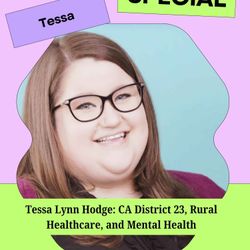
Tessa Lynn Hodge: CA District 23, Rural Healthcare, and Mental Health
53:55|SummaryIn this conversation, Tessa Lynn Hodge discusses her journey from being a licensed clinical social worker to running for office in District 23. She emphasizes the importance of community engagement, healthcare reform, and the need for authenticity in politics. Tessa shares her experiences and insights on the challenges faced by her community, particularly in rural areas, and highlights the significance of mental health accessibility and telehealth. Her campaign focuses on putting people over party and advocating for grassroots funding to ensure real change.Keywordsdisability, politics, healthcare, community, mental health, grassroots, Tessa Lynn Hodge, election, advocacy, social work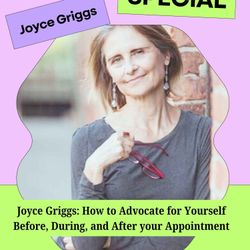
Joyce Griggs: How to Advocate for Yourself Before, During, and After your Appointment
50:25|Keywordshealth advocacy, patient empowerment, healthcare system, self-advocacy, doctor visits, healthcare resources, United States of Healthcare, patient stories, healthcare challenges, AI in healthcareSummaryIn this conversation, Joyce Griggs shares her journey into health advocacy, highlighting the challenges faced by patients in navigating the healthcare system. She discusses the importance of self-advocacy, preparing for doctor visits, and managing the dynamics between patients and healthcare providers. Joyce emphasizes the need for personalized care and the role of technology, including AI, in shaping the future of healthcare. The discussion also touches on the systemic issues within the healthcare system and the importance of community support and resources for patients.TakeawaysAdvocacy is crucial for navigating the healthcare system.Patients often face significant challenges in getting proper care.Self-advocacy is an essential skill for all patients.Preparing for doctor visits can improve outcomes.Emotional management is key before healthcare appointments.Bias exists in healthcare, affecting patient treatment.Community support can empower patients in their advocacy efforts.AI has potential benefits and risks in healthcare decision-making.Personalized care is necessary for effective treatment.Understanding insurance processes can help patients advocate for themselves.TitlesNavigating the Healthcare Maze: A Journey of AdvocacyEmpowering Patients: The Role of Self-AdvocacySound bites"We need to be our own advocates.""We are the experts of ourselves.""Personalized care is essential."Chapters00:00 Introduction to Health Advocacy02:54 Personal Journey into Healthcare Advocacy05:53 Navigating the Healthcare System08:25 Building the United States of Healthcare11:34 Resources for Health Advocacy14:23 Preparing for Doctor Visits17:07 Managing Emotions in Healthcare19:48 Interviewing Healthcare Providers22:49 Addressing Systemic Issues in Healthcare28:02 Navigating Healthcare Access Challenges30:38 Addressing Power Imbalances in Healthcare34:26 The Impact of Bias in Medical Treatment35:22 Evolving Perspectives in Medicine37:23 Utilizing Technology for Patient Advocacy42:04 Building Community and Support46:51 Envisioning a Better Healthcare System50:20 end cap.mp4