Share

Invisible Not Broken - Chronic Illness Podcast Network
Secret Spoonie Our Newest Blogger About Life In The Chronic Illness Closet {Chronic Illness Podcast}
Hidden in Plain Sight
The Life of a Secret Spoonie: Part One: Introduction
Hello everyone and welcome to Hidden in Plain Sight. This will be a monthly column about the trials and tribulations of living life with invisible illnesses that (most) people don’t know about. I am not entirely closeted, as some of my friends and family know about my medical conditions, but for the most part I live my life in a state of semi-secret. I have the utmost respect for those who live in the spotlight; who bravely wear their illness on their sleeves. There are times when I wish I could step into the light with them. But that’s just not me, not right now; maybe not ever. I hope that what I write here will resonate with some of you who might be in a similar position.
Let me introduce myself. I’m a secret spoonie: a (somewhat) closeted chronically ill person. I’ve been struggling with various invisible illnesses for the past thirty-five years, but only some people in my life know about what I’ve been though; what I still go through. I have been hiding in plain sight, for better or for worse, through sickness and in health, for more than three decades. Mostly: sickness. If anyone outright asks, in person, I will tell them the truth about my medical conditions, but I only discuss it in any depth with close friends and family. I will also (very occasionally) post something (very vague) on social media, but that is a rare, and often cryptic occurrence.
My story begins when I was a teenager. At the onset of puberty, I began to suffer severe cramping and abdominal pain, magnitudes greater than that of my peers. Thankfully, I had a mother who was both sensitive to my behavior and also highly aware of women’s health issues. She was also proactive, and took me to a Gynecologist who specialized in pain when I was fourteen. By that point, I had been suffering for about two years, mostly in silence. The doctor examined me and gave me two prescriptions: eight hundred milligram ibuprofen for pain, and chloral hydrate (otherwise known as “knockout drops”) to take during those nights when the pain prevented me from sleeping. I continued like this for another five years: suffer, medicate, suffer, medicate, rinse, repeat…
At nineteen, I started having more extreme symptoms, so I went to another doctor in the same practice who was also a surgeon. This time I lucked out: she happened to be one of the most prominent pelvic pain specialists in my area. She diagnosed me with “suspected endometriosis,” since a true diagnoses requires exploratory surgery. Two years later I had that surgery, a few days after my twenty-second birthday. The diagnosis: Stage Two Endometriosis. Photographs taken during my first surgery showed that the disease had been covering multiple organs in my abdomen. The excised what they could, sewed me up, and gave me some more, stronger prescriptions.
Thus began my journey of living life with invisible illness. Over the last twenty-eight years, I have had eleven major surgeries, and a handful of minor ones. I have had dozens of other (often invasive) medical procedures, and been hospitalized for weeks at time. I’ve had three organs removed, along with some of my spine. I have stitches in my skin and screws in my bones. There is a metal plate and cage implanted in my neck. I have been formally diagnosed with Spinal Stenosis, Fibromyalgia, Ankylosing Spondylitis, Peripheral Neuropathy, Raynaud’s Syndrome, and Stage Four Endometriosis. Throughout my life so far, I have done many things that a “normal” person does: I went to College, earned three degrees, bought a home, got a job, made some friends, lost some loved ones, got a career, got married, and discovered the meaning of life (just kidding on that last one), not necessarily in that order. I can only describe how I feel as like being naked and overdressed at the same time; always: both exposed and covered up. If there’s anything I’ve learned about dealing with my illnesses, it’s that there is no one way to deal with having a chronic illness (or six) and that, as sappy as it sounds, I’m still surprisingly grateful for everything I have and for everything I don’t. If you’re at all like me, you’ll probably understand the meaning of that last one.
Take care for now and hopefully I’ll see you again soon.
Secret Spoonie
If you have any comments or questions, or something you would like to see covered in a future column, please feel free to contact me at: secretspoonie@gmail.com
SubscribeSign up with your email address to receive news and updates.
Email Address Sign UpWe respect your privacy.
Thank you!More episodes
View all episodes
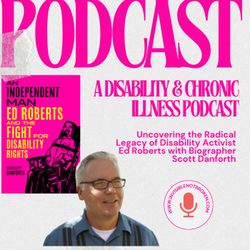
Uncovering the Radical Legacy of Disability Activist Ed Roberts with Biographer Scot Danforth
50:59|Uncovering the Radical Legacy of Disability Activist Ed Roberts with Biographer Scott DanforthKeywordsEd Roberts, disability rights, activism, biography, independence, community, technology, publishing, women in activism, accessibilityTakeawaysEd Roberts was a pivotal figure in the disability rights movement.His activism began at UC Berkeley with the Rolling Quads.The fight for disability rights is ongoing and requires constant vigilance.Family dynamics play a crucial role in fostering independence for disabled individuals.Community building is essential for effective activism.Technology can greatly enhance accessibility for disabled individuals.The Center for Independent Living was a groundbreaking initiative for disability rights.Women played a significant but often overlooked role in the disability rights movement.Writing a biography involves difficult choices about what to include or exclude.The publishing process can be challenging, especially for underrepresented stories.SummaryThis conversation explores the life and legacy of Ed Roberts, a pivotal figure in the disability rights movement. Scott Danforth, the author of a biography on Roberts, discusses the challenges and triumphs of advocating for disability rights, the importance of community and independence, and the role of technology in enhancing accessibility. The conversation also touches on the often-overlooked contributions of women in the movement and the complexities of writing a biography. Danforth shares insights from his research and the publishing process, emphasizing the need for continued advocacy and the importance of storytelling in the fight for disability rights.TitlesUnveiling Ed Roberts: A Disability Rights PioneerThe Legacy of Ed Roberts and Disability ActivismSound bites"This is not a very well-known man.""He had polio as a teenager.""He loved the technology."Chapters00:00 Introduction to Ed Roberts and His Legacy02:13 The Fight for Disability Rights09:07 Independence and Family Dynamics14:53 Building Community and Activism21:28 Technological Advancements and Accessibility26:57 Revitalizing the Center for Independent Living27:24 The Legacy of Ed Roberts and Disability Activism28:23 Unveiling the Myths of Disability Leadership30:49 The Unsung Heroes of the Disability Rights Movement31:54 Chronic Illness and the Overlooked Voices33:30 The Joys and Challenges of Writing a Biography35:21 The Process of Research and Writing36:17 Editing and Storytelling in Biography38:44 Navigating the Publishing Landscape41:25 The Journey into Disability Studies43:58 Dreams vs. Reality in Disability Advocacy46:46 The Importance of Community and Creativity48:23 Joy as Resistance in Activism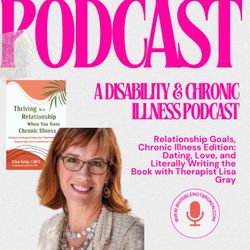
Relationship Goals, Chronic Illness Edition: Dating, Love, and Literally Writing the Book with Therapist Lisa Gray
43:45|Keywordschronic illness, relationships, conflict resolution, empathy, writing process, power imbalance, emotional management, self-help, therapy, communicationSummaryIn this conversation, Lisa Gray, a marriage and family therapist, discusses the complexities of relationships when chronic illness is involved. She shares insights on conflict resolution, the importance of empathy, and how to navigate power imbalances in relationships. Lisa also delves into her writing process, the significance of finding meaning in chronic illness, and practical tools for writing and publishing. The discussion emphasizes the need for understanding, communication, and the ability to adapt in relationships affected by chronic illness.TakeawaysConflict increases intimacy if done right.Healthy conflict means knowing your partner better.Stop fighting when you're already mad.Impulse control is key in managing conflict.Power imbalances can affect relationships with chronic illness.Empathy must go both ways in relationships.Finding meaning is crucial in the grieving process.Values can guide actions despite chronic illness.Writing can be a therapeutic process.Use tools that work for your energy levels.TitlesNavigating Relationships with Chronic IllnessThe Art of Healthy ConflictSound bites"Empathy needs to go both ways.""Intimacy is very broad.""Weighted blankets are so comforting."Chapters00:00 Introduction to Chronic Illness and Relationships02:55 Navigating Conflict in Relationships06:02 Impulse Control and Managing Emotions09:07 Power Imbalances in Relationships11:54 Empathy in Chronic Illness Relationships14:57 Core Skills for Managing Chronic Illness17:42 Finding Meaning and Values in Relationships20:55 Personal Discoveries Through Writing23:55 Building Empathy Through Curiosity24:15 Exploring Virtual Reality and Empathy25:39 Relationships and Support in Chronic Illness28:05 Intimacy and Chronic Illness30:30 The Writing Process and Tools for Writers38:58 Publishing Insights and ResourcesTranscript
Navigating the Patient Journey with Author Brenda Snow
41:00|SummaryIn this conversation, Brenda Snow shares her personal journey as a patient diagnosed with multiple sclerosis and discusses her book, 'Diagnosed: The Essential Guide to Navigating the Patient Journey.' She emphasizes the universal experience of navigating chronic illness, the importance of grief and acceptance, and the need for strong doctor-patient relationships. Brenda also highlights the significance of maintaining one's identity while caregiving and the power of storytelling in healing. The discussion concludes with advice for aspiring writers and the importance of sharing personal narratives.Chapters00:00 Introduction to Brenda Snow and Her Journey02:49 The Universal Patient Experience06:48 Navigating Grief and Acceptance12:41 The Doctor-Patient Relationship20:42 Identity and Caregiving26:12 Finding Growth in Adversity31:56 The Power of Storytelling35:40 Advice for Aspiring Writers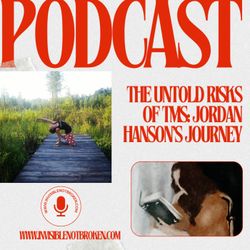
The Untold Risks of TMS: Jordan Hanson's Journey
01:00:05|KeywordsTMS, transcranial magnetic stimulation, brain injury, mental health, medical gaslighting, patient advocacy, chronic illness, technology in healthcare, self-care, mindfulnessSummaryIn this conversation, Jordan Hanson shares her personal journey with transcranial magnetic stimulation (TMS), a procedure intended to treat mental health issues. She discusses the initial excitement about the treatment, the subsequent negative effects she experienced, and the challenges of navigating the medical system. The conversation highlights the importance of patient advocacy, community support, and the role of technology in managing health. Jordan emphasizes the need for awareness and understanding of the risks associated with TMS and the importance of self-care and mindfulness in coping with chronic illness.TakeawaysTMS is a procedure that uses magnetic fields to stimulate brain activity.Jordan experienced significant negative effects from TMS, including brain injury symptoms.Medical gaslighting is a common issue faced by patients seeking help.Community support is crucial for those dealing with chronic illness.Technology, including AI, can assist in managing health and communication.Self-care and mindfulness are essential for coping with chronic illness.Advocacy is important to raise awareness about the risks of TMS.Family planning can be complicated by health issues and uncertainties.Understanding the impact of chronic illness on daily life is vital.The journey of healing is ongoing and requires patience and support.TitlesThe Hidden Risks of TMS: A Personal JourneyNavigating the Medical Maze: Jordan's TMS ExperienceSound bites"I was called headache girl for a year.""I want to share my story to help others.""I have to protect myself and my energy."Chapters00:00 Introduction to TMS and Jordan's Journey01:13 Understanding the Impact of TMS on Life01:28 Introduction and Background on TMS04:20 Understanding Trans-Cranial Magnetic Stimulation (TMS)07:23 The Experience of TMS Treatment10:20 The Impact of TMS on Daily Life13:09 Medical Gaslighting and Patient Advocacy16:13 The Journey to Recovery and Diagnosis19:14 Community Support and Sharing Stories22:18 The Decision to Create a Documentary25:13 Advocacy and Future Goals36:11 The Need for Scientific Understanding in TMS40:42 Coping with Chronic Illness and Disability44:52 Navigating Family Planning Amidst Uncertainty52:54 Leveraging Technology for Brain Injury Support59:42 Personal Growth Through Adversity
Epilepsy, UK Health System VS US, and How We Can Do Better: Conversation With Célestine Laurin
01:20:40|Epilepsy, UK Health System VS US, and How We Can Do Better: Conversation With Célestine LaurinSummaryIn this conversation, the speakers delve into the complexities of living with epilepsy and chronic illness, particularly focusing on the experiences of children and young adults. They discuss the challenges of diagnosis, the importance of support from family and friends, and the role of therapy in managing mental health. The conversation also touches on the stigma surrounding chronic illness, the impact of bullying, and practical advice for managing seizures and advocating for oneself in educational and social settings. Additionally, they explore how epilepsy is represented in the media and the need for better understanding and communication around the condition. This conversation delves into the complexities of living with epilepsy, particularly focusing on the challenges faced by women regarding medication and pregnancy. The speakers share personal experiences with the impact of epilepsy on their lives, careers, and the healthcare system. They discuss the stigma surrounding chronic illness, the importance of open communication with clients in business, and the differences in healthcare systems across countries. The conversation highlights the need for greater awareness and understanding of disability and chronic illness. In this conversation, the speakers discuss the challenges faced by individuals with disabilities, the impact of overprotection on children, and the need for inclusive spaces and universal design. They explore the healthcare systems in different countries, highlighting the disparities in access and affordability. The conversation emphasizes the importance of disability advocacy in health policy and the need for a more inclusive approach to legislation that considers the needs of all individuals, particularly those with chronic illnesses.Keywordsepilepsy, chronic illness, mental health, therapy, support, bullying, childhood illness, accommodations, media representation, epilepsy, medication, women’s health, chronic illness, disability, healthcare, personal stories, photography, career choices, mental health, disability, healthcare, universal design, overprotection, advocacy, inclusivity, chronic illness, education, mental health, accessibility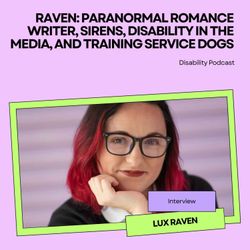
Raven: Paranormal Romance Writer, Sirens, Disability in the Media, and Training Service Dogs
52:33|Chapters00:00 Introduction to Romance Writing and Disability05:49 Life Changes During the Pandemic11:53 Writing Romance with Chronic Illness17:55 Representation of Disability in Romance24:35 The Viral Success of a Romance Novel31:07 Writing as a Form of Self-Discovery36:06 Navigating Writing with Disabilities49:59 The Journey of Training a Service DogSummaryIn this conversation, the speakers delve into the intersection of romance writing and disability representation, particularly focusing on the experiences of chronically ill individuals. They discuss the impact of the pandemic on their lives, the process of writing romance novels that feature disabled characters, and the importance of authentic representation in literature. The conversation also touches on the viral success of one speaker's romance novel, the emotional journey of writing, and the practical challenges of writing with disabilities. Additionally, they explore the journey of training a service dog and how it has positively influenced their lives.TakeawaysThe pandemic led to significant life changes and new diagnoses.Writing romance novels became a creative outlet during difficult times.There is a need for authentic representation of disabled characters in romance.Readers appreciate seeing themselves reflected in literature.The success of a romance novel can be validating for writers.Writing can be a form of self-discovery and healing.Navigating the writing process with disabilities requires adaptation and support.Service dogs can provide emotional and physical support for their owners.Community and connection are vital for those with chronic illnesses.The journey of self-publishing can be empowering despite challenges.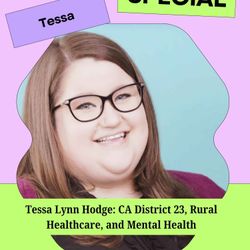
Tessa Lynn Hodge: CA District 23, Rural Healthcare, and Mental Health
53:55|SummaryIn this conversation, Tessa Lynn Hodge discusses her journey from being a licensed clinical social worker to running for office in District 23. She emphasizes the importance of community engagement, healthcare reform, and the need for authenticity in politics. Tessa shares her experiences and insights on the challenges faced by her community, particularly in rural areas, and highlights the significance of mental health accessibility and telehealth. Her campaign focuses on putting people over party and advocating for grassroots funding to ensure real change.Keywordsdisability, politics, healthcare, community, mental health, grassroots, Tessa Lynn Hodge, election, advocacy, social work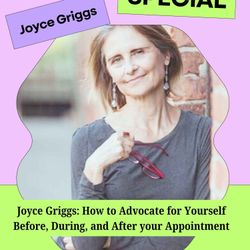
Joyce Griggs: How to Advocate for Yourself Before, During, and After your Appointment
50:25|Keywordshealth advocacy, patient empowerment, healthcare system, self-advocacy, doctor visits, healthcare resources, United States of Healthcare, patient stories, healthcare challenges, AI in healthcareSummaryIn this conversation, Joyce Griggs shares her journey into health advocacy, highlighting the challenges faced by patients in navigating the healthcare system. She discusses the importance of self-advocacy, preparing for doctor visits, and managing the dynamics between patients and healthcare providers. Joyce emphasizes the need for personalized care and the role of technology, including AI, in shaping the future of healthcare. The discussion also touches on the systemic issues within the healthcare system and the importance of community support and resources for patients.TakeawaysAdvocacy is crucial for navigating the healthcare system.Patients often face significant challenges in getting proper care.Self-advocacy is an essential skill for all patients.Preparing for doctor visits can improve outcomes.Emotional management is key before healthcare appointments.Bias exists in healthcare, affecting patient treatment.Community support can empower patients in their advocacy efforts.AI has potential benefits and risks in healthcare decision-making.Personalized care is necessary for effective treatment.Understanding insurance processes can help patients advocate for themselves.TitlesNavigating the Healthcare Maze: A Journey of AdvocacyEmpowering Patients: The Role of Self-AdvocacySound bites"We need to be our own advocates.""We are the experts of ourselves.""Personalized care is essential."Chapters00:00 Introduction to Health Advocacy02:54 Personal Journey into Healthcare Advocacy05:53 Navigating the Healthcare System08:25 Building the United States of Healthcare11:34 Resources for Health Advocacy14:23 Preparing for Doctor Visits17:07 Managing Emotions in Healthcare19:48 Interviewing Healthcare Providers22:49 Addressing Systemic Issues in Healthcare28:02 Navigating Healthcare Access Challenges30:38 Addressing Power Imbalances in Healthcare34:26 The Impact of Bias in Medical Treatment35:22 Evolving Perspectives in Medicine37:23 Utilizing Technology for Patient Advocacy42:04 Building Community and Support46:51 Envisioning a Better Healthcare System50:20 end cap.mp4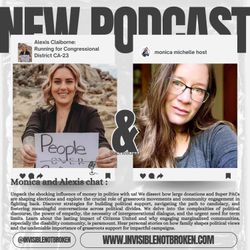
Citizens United & the Disability Vote: Reclaiming Our Democracy Witch Alexis Claiborne
01:14:51|Unpack the shocking influence of money in politics with us! We dissect how large donations and Super PACs are shaping elections and explore the crucial role of grassroots movements and community engagement in fighting back. Discover strategies for building political support, navigating the path to candidacy, and fostering meaningful conversations across political divides. We delve into the complexities of political discourse, the power of empathy, the necessity of intergenerational dialogue, and the urgent need for term limits. Learn about the lasting impact of Citizens United and why engaging marginalized communities, especially the disability community, is paramount. Hear personal stories on how family shapes political views and the undeniable importance of grassroots support for impactful campaigns.money in politics, super pacs, large donations, grassroots movements, community engagement, political campaigns, running for office, candidacy, political discourse, empathy in politics, intergenerational dialogue, term limits, citizens united, disability vote, disability community, marginalized communities, family and politics, grassroots support, election influence, campaign strategies