Share

I Must Be BUG'N
It Must Be Good Grief
Season 2, Ep. 8
•
Episode Transcript (provided by Riverside - forgive any errors)
Summary:
In this episode, I explore the complex nature of grief through personal experiences I've encountered over the past year or so. I reflect on the multiple deaths/transitions that led me to this point in my journey. I discuss the death of our cat, my grandmother, the challenge of ending a long-term marriage as well as the death of Self. Through these stories, I outline griefs as an integral part of love and personal growth. It's likely my most personal episode to date.
Key Points:
- Grief is part of love
- The loss of a pet is not something to be overlooked
- Being present during a loved one's transition is a deep act of love.
- The end of a marriage is a special kind of grief.
- The death of Self requires powerful internal work and ongoing challenges
- Grief is not something to be avoided; it can be a teacher.
Helpful Links:
- Hire me to speak or buy some merch! - HOLIDAY 2024 SALE use code "SKULLGERBIL"
- Community for Black Gifted Adults - Our Wild Minds - Use code "Sheldon"
- Umbrella US - Non-profit focused on neurodivergent advocacy
- ND Connect - Online community for neurodivergent people
- Submit your Questions or Misunderstood Insights
Intro and Outro music provided by byrdversion1 - "It Couldn't Be" from the album Nevermore
More episodes
View all episodes
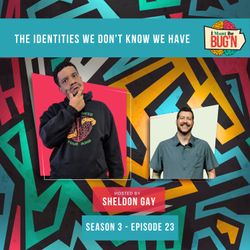
23. The Identities We Don't Know We Have
21:01||Season 3, Ep. 23Episode Transcript (provided by Riverside - forgive any errors): https://link.sheldongayisbugn.com/s3e23transcriptFollow I Must Be BUGN on IG @sheldongayisbugnSummary:I've spent a lot of time thinking about the parts of myself I didn't have language for until later in life. In this recap episode of I Must Be BUG'N, I sit with that feeling after my conversation with Patrick Casale MA LCMHC, an AuDHD therapist who didn't discover he was autistic until he was 35 years old.I ask the question that stays with me long after we stop recording: what does it cost us to grow up without the words for who we are? Autistic kids become autistic adults, yet somewhere along the way, the support just stops. I trace that gap, and I trace something harder to admit that Patrick names outright - the way ableism lives inside the neurodivergent community itself, shaping how we judge our own diagnoses before we even accept them.I follow that thread into reflecting on Patrick's thoughts on addiction, and how a search for connection can pull someone toward rooms that aren't necessarily safe. I land on the idea that keeps pulling me back in every conversation like this one: diagnosis doesn't just explain a person to themselves. It changes how they get loved. It completely changes the probability some relationships can survive.This episode is for anyone who's ever felt like a stranger in their own story - and for anyone ready to meet themselves for the first time.Key Topics:Conversations can deepen our understanding of ourselves.Many neurodivergent individuals realize their identity in adulthood.Resources for neurodivergent adults are limited compared to children.Confronting ableism is crucial for self-acceptance.Addiction often stems from a desire for connection.Understanding one's identity can improve relationships.Teaching about neurodivergence should include all ages.Self-discovery is essential for personal growth and accessing all of the joy available to usStay in Contact with Patrick Casale:Follow Patrick on IG: https://www.instagram.com/patrick.casaleSubscribe to the "AuDHD Journeys": https://patrickcasale.substack.com/?utm_source=chatgpt.comCheck his full Linktree: https://linktr.ee/patrickcasaleResources and Links:Video of comedian Ron Funches speaking about how he found out he was autistic: https://www.instagram.com/p/DdTrMTzJN5D/Patrick Casale's TEDx "Lessons from a late in life autism discovery ": https://youtu.be/hyImqW69OY4?si=yeo1bjgn5rvcx0AM"My Name is Pauli Murray" documentary: https://www.amazon.com/My-Name-Pauli-Murray/dp/B09DMPMWCPJohann Hari's TED Talk: https://www.ted.com/talks/johann_hari_everything_you_think_you_know_about_addiction_is_wrongMy episode on the "Divergent Conversations" podcast with Patrick and Dr. Meg: https://www.divergentpod.com/blog/ep-84Helpful Links:Hire me to speak or as your personal gifted self-discovery coach!: https://sheldongayisbugn.comFree list of Therapists for Melanated and Marginalized Groups: https://sheldongayisbugn.com/#resourcesFree GroupMe Community for Talented and Gifted adults: https://groupme.com/join_group/108040800/igLaxqNGND Connect - Online community for neurodivergent people: ndconnect.appUmbrella ND - Non-profit focused on neurodivergent advocacy: https://umbrellaopensdoors.org/resourcesKeywordsneurodivergence, autism, ableism, addiction, relationships, self-discovery, identity, mental health, awareness, personal growthIntro and Outro music provided by byrdversion1 - "Understand" from the album Nevermore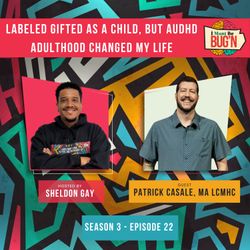
22. Labeled Gifted As a Child. But AuDHD Adulthood Changed My Life
01:13:53||Season 3, Ep. 22Episode Transcript (provided by Riverside - forgive any errors): https://link.sheldongayisbugn.com/s3e22transcriptFollow I Must Be BUGN on IG @sheldongayisbugnSummary:What does it actually mean to build a life that works for your brain?I sat down with Patrick Casale, founder of All Things Private Practice, and co-host of Divergent Conversations, a twice-exceptional, AuDHD therapist, entrepreneur, speaker, and coach, for a conversation that went far beyond any single diagnosis.Patrick shared his journey from being labeled gifted as a child to first discovering his ADHD well into adulthood and then autism years later as a married man. We get into late-discovery, addiction, the search for connection, and why entrepreneurship can become a different kind of path for neurodivergent people. We also talk about relationships, sensory needs, authenticity, self-doubt, and the messy process of creating a life that feels authentically yours. Along the way, we keep coming back to a bigger question: What happens when you stop trying to fit yourself into a world that wasn't built for you?Key Topics:Late diagnosis can completely reshape your understanding of yourself.Giftedness doesn't always come with the support to match.Isolation can make harmful coping mechanisms feel like connection.Neurodivergent people may be drawn to entrepreneurship for autonomy.You have to build your life around your brain.Authenticity requires safety, not just courage.Community can be essential to healing.Stay in Contact with Patrick Casale:Follow Patrick on IG: https://www.instagram.com/patrick.casaleSubscribe to the "AuDHD Journeys": https://patrickcasale.substack.com/?utm_source=chatgpt.comCheck his full Linktree: https://linktr.ee/patrickcasaleResources and Links:Patrick Casale's TEDx "Lessons from a late in life autism discovery ": https://youtu.be/hyImqW69OY4?si=yeo1bjgn5rvcx0AM"My Name is Pauli Murray" documentary: https://www.amazon.com/My-Name-Pauli-Murray/dp/B09DMPMWCPJohann Hari's TED Talk: https://www.ted.com/talks/johann_hari_everything_you_think_you_know_about_addiction_is_wrongMy episode on the "Divergent Conversations" podcast with Patrick and Dr. Meg: https://www.divergentpod.com/blog/ep-84Helpful Links:Want to go deeper? Schedule a short call to explore working with me as a speaker or personal self-discovery coach: sheldongayisbugn.comFree list of Therapists for Melanated and Marginalized Groups: https://sheldongayisbugn.com/#resourcesFree GroupMe Community for Talented and Gifted adults: https://groupme.com/join_group/108040800/igLaxqNGND Connect - Online community for neurodivergent people: ndconnect.appUmbrella ND - Non-profit focused on neurodivergent advocacy: https://umbrellaopensdoors.org/resourcesKeywordsneurodivergence, ADHD, autism, giftedness, therapy, addiction, mental health, self-discovery, connection, identity entrepreneurship, neurodivergent, self-doubt, relationships, ADHD, autism, autonomy, creative freedom, productivity, support neurodivergence, relationships, authenticity, healing, curiosity, self-discovery, giftedness, community, mental health, emotional safetyIntro and Outro music provided by byrdversion1 - "Understand" from the album Nevermore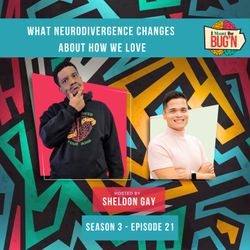
21. What Neurodivergence Changes About How We Love
25:03||Season 3, Ep. 21Episode Transcript (provided by Riverside - forgive any errors): https://link.sheldongayisbugn.com/s3e21transcriptFollow I Must Be BUGN on IG @sheldongayisbugnSummary:What happens when you finally start understanding how your brain works? This is a CRITICAL question...In this recap episode, I revisit my conversation with Dr. Bowen Marshall and discuss some of the most nourishing nuggets we discussed.In the full episode, we talked about neurodivergent relationships, late identification, autism, ADHD, AuDHD, and the ways our differences can create tension when we don't yet understand what's happening underneath the surface.But this conversation was about more than diagnosis.It was about what happens when we stop assuming everyone experiences the world the way we do.Key Topics:Why some neurodivergent people are missed.How overstimulation and rejection sensitivity affect relationships.Why self-awareness changes how we interpret conflict.Why "everyone is a little autistic" misses the point.How race and marginalization shape neurodivergent self-discovery.What it means to love ourselves without trying to erase our differences.Stay in Contact with Dr. Bowen Marshall:Follow Bowen on IG: https://www.instagram.com/drbotyler/Subscribe to the Substack (@bowentylermarshall)Connect with him on LinkedIn: https://www.linkedin.com/in/bowen-marshall-phd-lpcc-s-b62b2621/Resources and Links:"Fear" by Kendrick Lamar (beware of language): https://open.spotify.com/track/23luOrEVHMfoX0AhfbQuS6?si=c0fb1d7e485e49cf If you want to look up the "Atlanta" episode I referenced, go here: https://en.wikipedia.org/wiki/Three_Slaps SPARK Autism research program: sparkforautism.orgCHADD - ADHD research: https://chadd.org/research/Autism Science Foundation: autismsciencefoundation.orgThe Trevor Project (LGBTQ+ youth mental health): thetrevorproject.orgHelpful Links:Hire me to speak or as your personal gifted self-discovery coach!: https://sheldongayisbugn.comFree list of Therapists for Melanated and Marginalized Groups: https://sheldongayisbugn.com/#resourcesFree GroupMe Community for Talented and Gifted adults: https://groupme.com/join_group/108040800/igLaxqNGND Connect - Online community for neurodivergent people: ndconnect.appUmbrella ND - Non-profit focused on neurodivergent advocacy: https://umbrellaopensdoors.org/resourcesKeywordsNeurodivergent, Neurodiversity, Autism, ADHD ,AuDHD, Neurodivergent Relationships, Late Diagnosis, Self-Discovery, Mental Health, RelationshipsIntro and Outro music provided by byrdversion1 - "Understand" from the album Nevermore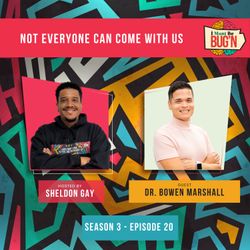
20. Not Everyone Can Come With Us - Neurodivergence, Relationships & the Courage to Grow
01:08:00||Season 3, Ep. 20Episode Transcript (provided by Riverside - forgive any errors): https://link.sheldongayisbugn.com/s3e20transcriptFollow I Must Be BUGN on IG @sheldongayisbugnSummary:In this episode, I sit down with Dr. Bowen Tyler Marshall, a licensed psychotherapist, PhD, and author specializing in ADHD, autism, relationships, and trauma - for a conversation I've been excited to have for MONTHS. If you're eager to discuss the challenges of neurodivergent relationships, THIS IS YOUR EPISODE. We dig into the science of late diagnosis, why so many people get completely missed by traditional frameworks, and how neurodivergent traits that look like rejection or emotional unavailability are actually nervous system responses being misread as character flaws. We even discuss something that might need me to hold a few hands...when healing and growing into who you actually are, not everyone in your life can make that journey with you. This one is for the late diagnosed, the ones who always felt like something was off, and everyone doing the work to live authentically and have healthy, fulfilling relationships.Key Topics:Different brains create different relationship needs.Late diagnosis changes more than identity.Compassion isn't the same as sacrifice.Relationships need understanding, not assumptions.Misunderstanding isn't the same as rejection.Healing sometimes costs you your closest relationships.Not every conflict is personal.Stay in Contact with Dr. Bowen Tyler Marshall:Follow Bowen on IG: https://www.instagram.com/drbotyler/Subscribe to the Substack (@bowentylermarshall)Connect with him on LinkedIn: https://www.linkedin.com/in/bowen-marshall-phd-lpcc-s-b62b2621/Resources and Links:SPARK Autism research program: sparkforautism.orgCHADD - ADHD research: https://chadd.org/research/Autism Science Foundation: autismsciencefoundation.orgThe Trevor Project (LGBTQ+ youth mental health): thetrevorproject.orgHelpful Links:Want to go deeper? Schedule a short call to explore working with me as a speaker or personal self-discovery coach: sheldongayisbugn.comFree list of Therapists for Melanated and Marginalized Groups: https://sheldongayisbugn.com/#resourcesFree GroupMe Community for Talented and Gifted adults: https://groupme.com/join_group/108040800/igLaxqNGND Connect - Online community for neurodivergent people: ndconnect.appUmbrella ND - Non-profit focused on neurodivergent advocacy: https://umbrellaopensdoors.org/resourcesKeywordsneurodivergence, ADHD, autism, relationships, couples therapy, mental health, therapy, communication, late diagnosis, self-awareness, compassion neurodivergent relationships, self-compassion, boundaries, marginalized communities, late diagnosis, neurodivergent healing, emotional understanding, trauma, identity, compassionIntro and Outro music provided by byrdversion1 - "Understand" from the album Nevermore
19. Where He Started Isn't Where He Finished
15:48||Season 3, Ep. 19Episode Transcript (provided by Riverside - forgive any errors): https://link.sheldongayisbugn.com/s3e19transcriptFollow I Must Be BUGN on IG @sheldongayisbugnSummary:In this episode, I reflect on my conversation with Kwentin Shelton, focusing on the importance of early diagnosis in neurodivergent individuals, the struggles faced by gifted individuals, and the significance of believing in oneself. The discussion emphasizes the need for compassion, support, and understanding in educational and personal contexts, highlighting that one's starting point does not dictate their future success.Key Topics:The importance of early diagnosis for better outcomes.Gifted individuals can face unique challenges.Curiosity about oneself is essential for growth.Support systems are crucial for navigating struggles.Giftedness does not equate to perfection in all areas.Self-belief is key to overcoming societal doubts.Community support can enhance personal journeys.Labels can stigmatize rather than help individuals.Education systems need to be more inclusive.Personal growth is a continuous journey, not a destination.Stay in Contact with Kwentin Shelton:Follow him on IG: @asd_by_kasConnect with him on LinkedIn: https://www.linkedin.com/in/kwentin-shelton/Resources and Links:Kennesaw State Accessibility Collaboration TeamHelpful Links:Hire me to speak or as your personal gifted self-discovery coach!: https://sheldongayisbugn.comFree list of Therapists for Melanated and Marginalized Groups: https://sheldongayisbugn.com/#resourcesFree GroupMe Community for Talented and Gifted adults: https://groupme.com/join_group/108040800/igLaxqNGND Connect - Online community for neurodivergent people: ndconnect.appUmbrella ND - Non-profit focused on neurodivergent advocacy: https://umbrellaopensdoors.org/resourcesKeywordsneurodivergence, giftedness, early diagnosis, self-discovery, education, support, community, personal growth, mental health, inclusionIntro and Outro music provided by byrdversion1 - "Understand" from the album Nevermore
18. Black, Autistic and Resilient
01:29:04||Season 3, Ep. 18Episode Transcript (provided by Riverside - forgive any errors): https://link.sheldongayisbugn.com/s3e18transcriptFollow I Must Be BUGN on IG @sheldongayisbugnSummary:In this episode, Kwentin Shelton shares his journey of neurodivergence, early diagnosis, and navigating the educational system as a Black man. We explore misconceptions about autism, the importance of representation, and strategies for support and advocacy. Kwentin Shelton shares his inspiring journey overcoming bullying, embracing neurodivergence, and pursuing his passions in tech, education, and creative projects. Discover how community, self-belief, and resilience can transform lives.Key Topics:Early diagnosis and its impact on self-esteemMisconceptions about autism and giftednessThe importance of representation and support in educationChallenges faced by Black neurodivergent individualsStrategies for advocacy and self-awarenessThe role of societal support and accommodations bullying and resilienceThe importance of community and safe spacesSelf-belief and overcoming stereotypesStay in Contact with Kwentin Shelton:Follow him on IG: @asd_by_kasConnect with him on LinkedIn: https://www.linkedin.com/in/kwentin-shelton/Resources and Links:Kennesaw State Accessibility Collaboration TeamHelpful Links:Hire me to speak or as your personal gifted or neurodivergent discovery coach!: https://sheldongayisbugn.comFree list of Therapists for Melanated and Marginalized Groups: https://sheldongayisbugn.com/#resourcesFree GroupMe Community for Talented and Gifted adults: https://groupme.com/join_group/108040800/igLaxqNGND Connect - Online community for neurodivergent people: ndconnect.appUmbrella ND - Non-profit focused on neurodivergent advocacy: https://umbrellaopensdoors.org/resourcesKeywordsneurodivergence, autism, education, representation, advocacy, Black men, support strategies, misconceptions, early diagnosis neurodivergence, autism, bullying, education, community, resilience, self-belief, tech, representation, empowermentIntro and Outro music provided by byrdversion1 - "Understand" from the album Nevermore
17. Burnout is a Systemic Red Flag
21:07||Season 3, Ep. 17Episode Transcript (provided by Riverside - forgive any errors): https://link.sheldongayisbugn.com/s3e17transcriptFollow I Must Be BUGN on IG @sheldongayisbugnSummary:In this reflection episode, I discuss my conversation with Dr. Derek Porter, which focused on the themes of burnout, authenticity, privilege, and the societal pressures that shape our experiences. We spent time discussing the costs associated with masking one's true self, the complexities of navigating burnout in various spaces, and the need for equitable systems that support mental health and well-being. I listeners to rethink traditional notions of intelligence and speed, advocating for a more compassionate and understanding approach to personal and professional relationships.Key Topics:There's a cost of masking that affects our well-being.Burnout is a systemic issue, not just personal.The grind culture erodes individuals over time.Authenticity should be prioritized in all spaces.Leadership roles often come with extra burdens.Equitable compensation is necessary for extra responsibilities.Speed is not the only measure of intelligence.We need to create systems that support mental health.Stay in Contact with Dr. Derek Porter:Connect with him on LinkedIn: https://www.linkedin.com/in/derek-porter/Check out his work on Linktree: https://linktr.ee/drderekporterEmail him at drderekporter@gmail.comResources and Links:Confidence Mapping - Peter AtwaterMaslach Burnout Inventory — Framework for understanding burnoutThe Canary Code — Book illustrating early warning signs in systemsCarol Dweck’s work on Grit — Understanding resilience and perseverance in the context of burnout and systemicsHelpful Links:Hire me to speak or as your personal gifted or neurodivergent discovery coach!: https://sheldongayisbugn.comFree list of Therapists for Melanated and Marginalized Groups: https://sheldongayisbugn.com/#resourcesFree GroupMe Community for Talented and Gifted adults: https://groupme.com/join_group/108040800/igLaxqNGND Connect - Online community for neurodivergent people: ndconnect.appUmbrella ND - Non-profit focused on neurodivergent advocacy: https://umbrellaopensdoors.org/resourcesKeywordsburnout, authenticity, privilege, community, leadership, intelligence, speed, mental health, relationships, equityIntro and Outro music provided by byrdversion1 - "Understand" from the album Nevermore
16. Reframing Burnout in Schools and Beyond - Part 2
37:00||Season 3, Ep. 16Episode Transcript (provided by Riverside - forgive any errors): https://link.sheldongayisbugn.com/s3e16transcriptFollow I Must Be BUGN on IG @sheldongayisbugnSummary:In Part 2 and the conclusion of this episode, I continue our discussion with Dr. Derek Porter around the critical issues of burnout, organizational failure, and the importance of understanding neurodivergence in educational and community spaces. We get a little deeper into the challenges of creating inclusive environments in schools and how these challenges are particularly impacting already marginalized groups such as women and BIPOC folks. Derek then leaves us with his lessons and wishes for schools and for society at large. Key Topics:Organizations that neglect staff and community needs face measurable losses in retention and engagement.Confidence mapping can significantly enhance trust and clarity within teams and communities.Addressing burnout requires structural changes, including setting boundaries and transparent communication.Understanding neurodivergence is crucial for creating inclusive environments that support diverse needs.Leadership accountability and honest feedback loops are essential for organizational health.Stay in Contact with Dr. Derek Porter:Connect with him on LinkedIn: https://www.linkedin.com/in/derek-porter/Check out his work on Linktree: https://linktr.ee/drderekporterEmail him at drderekporter@gmail.comResources and Links:Confidence Mapping - Peter AtwaterMaslach Burnout Inventory — Framework for understanding burnoutThe Canary Code — Book illustrating early warning signs in systemsCarol Dweck’s work on Grit — Understanding resilience and perseverance in the context of burnout and systemicsHelpful Links:Hire me to speak or as your personal gifted or neurodivergent discovery coach!: https://sheldongayisbugn.comFree list of Therapists for Melanated and Marginalized Groups: https://sheldongayisbugn.com/#resourcesFree GroupMe Community for Talented and Gifted adults: https://groupme.com/join_group/108040800/igLaxqNGND Connect - Online community for neurodivergent people: ndconnect.appUmbrella ND - Non-profit focused on neurodivergent advocacy: https://umbrellaopensdoors.org/resourcesKeywordsorganizational health, mental health, diversity, inclusion, confidence mapping, burnout, neurodivergence, employee engagement, mental health, workplace culture, self-care, collective care, emotional well-being, productivity, systems design burnout culture, human connection, education challenges, decision fatigue, BIPOC educators, community needs, teacher retention, wellness days, equity and inclusion, systemic issues education, teacher shortages, student experience, teacher burnout, gender dynamics, neurodivergence, classroom strategies, confidence building, inclusive education, educational solutionsIntro and Outro music provided by byrdversion1 - "Understand" from the album Nevermore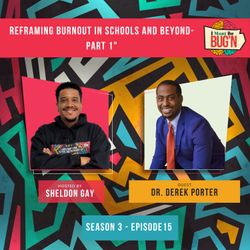
15. Reframing Burnout in Schools and Beyond - Part 1
52:51||Season 3, Ep. 15Episode Transcript (provided by Riverside - forgive any errors): https://link.sheldongayisbugn.com/s3e15transcriptFollow I Must Be BUGN on IG @sheldongayisbugnSummary:In Part 1 of this episode, I chop it up with Dr. Derek Porter about how burnout is a systems issue and not a personal failure. We discuss organizational inequities and how they impact schools and companies as a whole, especially neurodivergent and other marginalized people. We begin to discuss the necessary elements of systemic change, human connection, and understanding marginalized experiences to create healthier, more sustainable environments.Key Topics:The different manifestations of burnout: quiet quitting, crashing, imploding, and implodingMaslach’s burnout framework: emotional exhaustion, depersonalization, and reduced efficacyThe systemic nature of burnout and the importance of designing better systemsNeurodivergence and neurotypicality: evolving definitions and social implicationsThe conflation of speed and intelligence, and misconceptions about neurodivergenceImpact of masking, code switching, and fear of visibility among marginalized communitiesUnique challenges faced by BIPOC and marginalized individuals regarding surveillance, invisibility, and extra responsibilitiesThe influence of organizational culture, soft skills investment, and leadership alignmentDecision fatigue in schools: the high volume of daily judgments by teachers and staffThe "Canary Code" analogy for identifying early signs of systemic distressThe importance of human connection and authenticity in overcoming systemic oppressionConsequences of neglecting systemic issues: attrition, reduced quality, and perpetuation of inequityStay in Contact with Dr. Derek Porter:Connect with him on LinkedIn: https://www.linkedin.com/in/derek-porter/Check out his work on Linktree: https://linktr.ee/drderekporterEmail him at drderekporter@gmail.comResources and Links:Maslach Burnout Inventory — Framework for understanding burnoutThe Canary Code — Book illustrating early warning signs in systemsCarol Dweck’s work on Grit — Understanding resilience and perseverance in the context of burnout and systemicsHelpful Links:Hire me to speak or as your personal gifted or neurodivergent discovery coach!: https://sheldongayisbugn.comFree list of Therapists for Melanated and Marginalized Groups: https://sheldongayisbugn.com/#resourcesFree GroupMe Community for Talented and Gifted adults: https://groupme.com/join_group/108040800/igLaxqNGND Connect - Online community for neurodivergent people: ndconnect.appUmbrella ND - Non-profit focused on neurodivergent advocacy: https://umbrellaopensdoors.org/resourcesKeywordsburnout, neurodivergence, employee engagement, mental health, workplace culture, self-care, collective care, emotional well-being, productivity, systems design burnout culture, human connection, education challenges, decision fatigue, BIPOC educators, community needs, teacher retention, wellness days, equity and inclusion, systemic issues education, teacher shortages, student experience, teacher burnout, gender dynamics, neurodivergence, classroom strategies, confidence building, inclusive education, educational solutionsdfdIntro and Outro music provided by byrdversion1 - "Understand" from the album Nevermore